
和平宪法

Search documents
日本国内及国际社会持续批评高市早苗一系列错误言行—— “高市早苗错误言行释放军国主义死灰复燃的危险信号”(国际视点)
Ren Min Ri Bao· 2025-12-08 01:11
Core Viewpoint - Japanese Prime Minister Sanae Takaichi's recent remarks regarding Taiwan have sparked significant criticism from various sectors in Japan, highlighting concerns over Japan's military expansion and its implications for diplomatic relations with China and other neighboring countries [1][2][3]. Group 1: Political Reactions - Takaichi's statements about Taiwan potentially posing an existential threat to Japan have been met with demands for retraction from political figures and civil groups, emphasizing the need to avoid further damage to Japan-China relations [2][3]. - Prominent politicians, including members of the Japanese Communist Party, have condemned Takaichi's comments as a violation of Japan's constitution and a dangerous departure from established diplomatic positions [2][3][4]. Group 2: Military Expansion Concerns - Takaichi's administration has been criticized for signaling a shift towards military expansion, including plans to increase defense spending to 2% of GDP and deploy missiles on islands near Taiwan, raising alarms among the public and experts [4][5]. - Public protests have emerged against the government's military buildup, with citizens expressing concerns over the prioritization of military spending over social welfare [4][5]. Group 3: Historical Context and International Relations - Analysts and scholars have pointed out that Takaichi's rhetoric reflects a troubling lack of historical reflection in Japan, potentially undermining post-war international order and threatening regional stability [5][6]. - The international community, including figures from Russia and Germany, has criticized Japan's military rhetoric and actions as a revival of militarism, calling for adherence to international law and historical accountability [5][6][7].
新闻观察:放宽武器出口限制 日本走在错误道路上
Yang Shi Wang· 2025-12-06 07:47
Group 1 - The core viewpoint of the articles highlights Japan's shift towards expanding its defense capabilities and weapon exports, raising concerns about regional military balance and adherence to its pacifist constitution [1][3][5] - Australia and New Zealand's defense ministers are set to meet with Japan's defense minister to discuss strengthening bilateral defense cooperation and potential Japanese warship exports [1] - Japan's Prime Minister Kishi Nobuo has initiated efforts to further relax restrictions on defense equipment exports, moving away from the post-World War II principles that limited arms exports [3][7] Group 2 - Analysts suggest that the Japanese government's relaxation of weapon export policies aims to re-establish Japan as a military power and support the transformation of the Self-Defense Forces into a national defense force [5] - The recent changes in Japan's security policy include significant increases in defense budgets and a push for offensive weapon development, indicating a departure from Japan's traditional pacifist stance [7] - There are growing concerns within Japan regarding the implications of these policy changes on international relations and geopolitical stability [5][7]

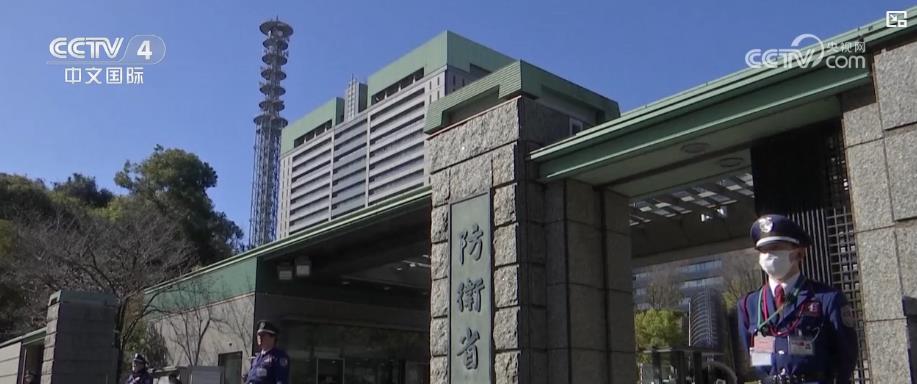
俄外交部敦促日本回归其“和平宪法”立场
Xin Hua She· 2025-12-05 01:59
Core Viewpoint - The Russian Foreign Ministry spokesperson criticized Japan's recent statements regarding Taiwan and its military actions, asserting that these actions exacerbate regional tensions and urging Japan to adhere to its "peace constitution" [1] Group 1: Japan's Statements and Actions - Japan's government is accused of making erroneous statements regarding Taiwan, which Russia views as a part of China [1] - The Russian stance on Taiwan remains consistent, opposing any form of "Taiwan independence" [1] Group 2: Military Posture and Constitutional Concerns - Russia has repeatedly urged Japan to refrain from militarization and return to its "peace constitution" [1] - Japan's constitution mandates the renunciation of war, and the current militaristic rhetoric and actions are seen as contradictory to this constitutional commitment [1] Group 3: Historical Context and Responsibilities - The need to defend historical truths and resist the distortion of history is emphasized, framing it as a collective responsibility against Nazism and fascism [1]
俄学者批高市早苗言论严重威胁地区稳定
Xin Hua She· 2025-12-04 12:27
Core Viewpoint - Recent provocative statements by Japanese Prime Minister Sanae Takaichi regarding Taiwan represent a serious interference in China's internal affairs and pose a significant threat to stability in Northeast Asia and international security [1][2]. Group 1: Provocative Statements - Takaichi's remarks on Taiwan are seen as highly provocative and detrimental to Sino-Japanese relations, with no benefits for Japan [1]. - The reference to the "San Francisco Peace Treaty," which is deemed illegal and invalid, is criticized as inappropriate and misleading regarding Taiwan's status [1]. Group 2: Military Developments - Japan's Defense Minister, Nobuo Kishi, announced plans to deploy missiles on Yonaguni Island, approximately 110 kilometers east of Taiwan, which is viewed as a destabilizing action [2]. - Takaichi's discussions about potentially allowing nuclear weapons on Japanese soil directly contradict Japan's long-standing "Three Non-Nuclear Principles" [2]. Group 3: Historical Context and Risks - Experts warn that Japan's recent military rhetoric reflects a dangerous trend of seeking to expand the Self-Defense Forces' capabilities and potentially engage in overseas operations [2]. - The revival of nationalist sentiments and the glorification of the "Bushido spirit" by Japanese leaders could lead the country into perilous situations reminiscent of its aggressive policies during World War II [2].
日本军事准备细节曝光,正研发"万能型血浆"
券商中国· 2025-12-02 13:14
Group 1 - Japan is investing part of its defense budget into "security resilience" initiatives, including the development of "universal plasma" and legal frameworks for wartime scenarios [1] - Japan's military preparations are becoming more practical and detailed, indicating a serious consideration of potential conflicts, particularly regarding the Taiwan Strait [1] - The post-World War II constitution of Japan, particularly Article 9, emphasizes a commitment to peace and the renunciation of war, which has historically shaped its defense policy [1] Group 2 - Japan's security policy has undergone a fundamental shift, moving away from its "exclusive defense" principle, which has been gradually eroded [2] - The Japanese defense budget has seen a continuous increase for thirteen consecutive years, reflecting a trend towards military expansion [2] - Recent changes in Japan's defense laws have allowed for collective self-defense and relaxed restrictions on arms exports, including lethal weapons [2]

日本民众举行集会反对高市错误言论 要求坚持和平宪法
Yang Shi Xin Wen Ke Hu Duan· 2025-11-29 08:31
Core Viewpoint - Recent comments by Japanese Prime Minister Sanae Takaichi regarding Taiwan have sparked widespread protests across Japan, with citizens demanding adherence to the peace constitution and the retraction of her statements [1]. Group 1: Protests and Public Sentiment - Protests have been organized in various locations, including a significant gathering in Setagaya, Tokyo, where participants called for the government to uphold the peace constitution and criticized the increase in defense spending [1]. - Protesters displayed banners with messages such as "Maintain the Peace Constitution," "Oppose Military Expansion," and "Takaichi Sanae Resign Immediately," indicating strong public discontent with the government's military policies [1]. Group 2: Concerns Over Military Spending - Participants expressed concerns about the implications of collective self-defense and the potential modification of Japan's "Three Non-Nuclear Principles," emphasizing the need for caution given Japan's history as a nuclear victim [3]. - There is a prevailing sentiment that increased military spending could ultimately disrupt citizens' lives, with calls for the government to reconsider its direction towards military expansion [3]. Group 3: Historical Context and Peace Advocacy - Some protesters highlighted Japan's past as an aggressor in wars, stressing the importance of adhering to the peace constitution to prevent a return to militarism and overseas military engagements [4]. - The collective memory of Japan's wartime actions has fueled a strong advocacy for peace, with participants vowing to uphold the spirit of the peace constitution [4].
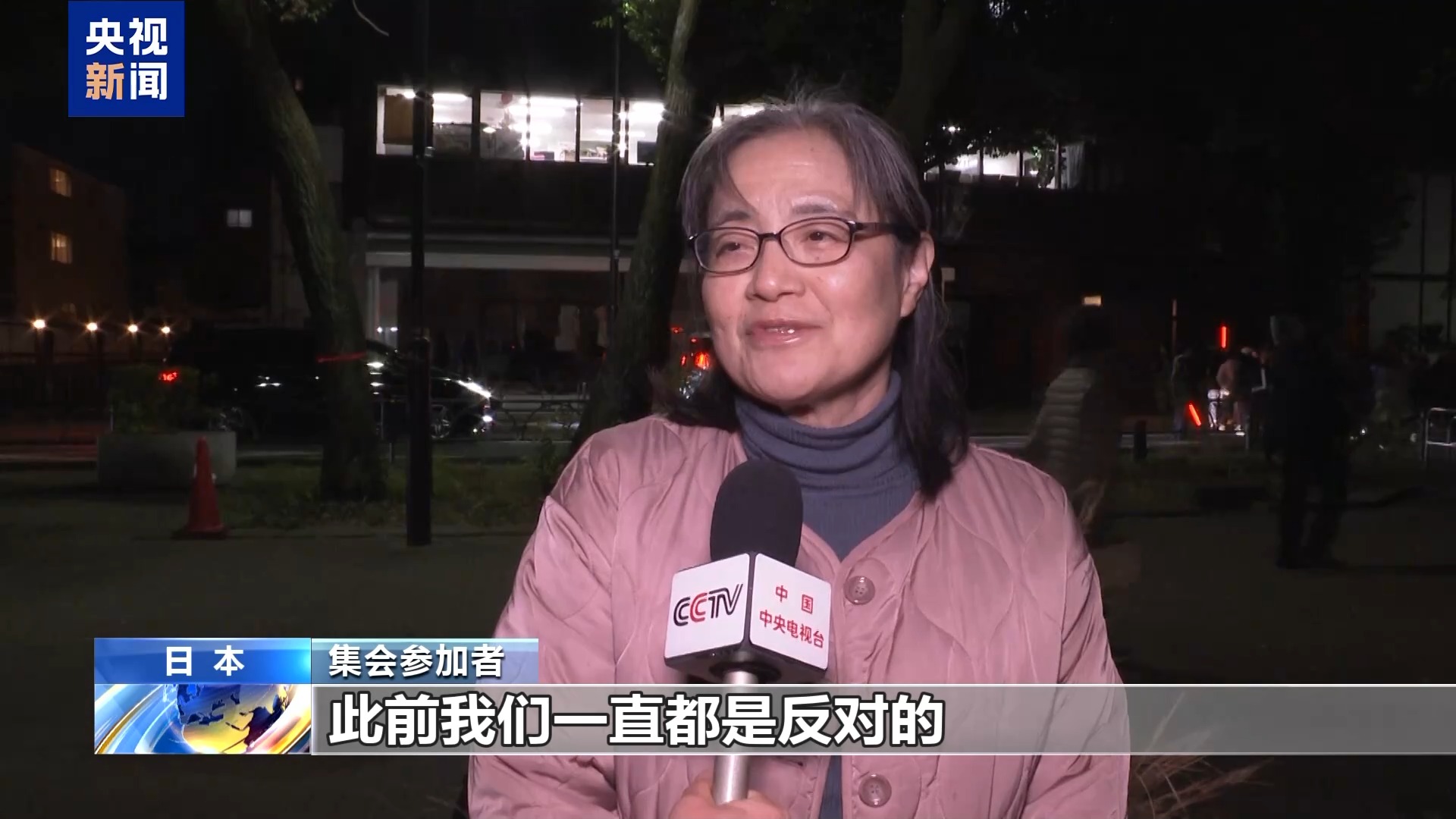
日本民众再次举行抗议集会 要求日本首相撤回涉台错误言论
Yang Guang Wang· 2025-11-29 05:52
Core Viewpoint - Japanese citizens held protests demanding Prime Minister Kishi's retraction of controversial remarks regarding Taiwan, which are seen as a violation of Japan's pacifist constitution and a challenge to international norms [1][2] Group 1: Public Response - Thousands of Japanese citizens gathered in front of the Prime Minister's residence in Tokyo, calling for the retraction of Kishi's statements, which they believe undermine regional stability and violate Article 9 of the Japanese Constitution [1] - Protesters expressed concerns over the government's recent military spending increases and attempts to amend security regulations, emphasizing the importance of maintaining Japan's pacifist stance [1][2] Group 2: Academic and International Perspectives - Japanese economist Hironobu Maedomari criticized Kishi's remarks as contrary to Japan's peace constitution, warning that constitutional amendments could lead Japan towards a dangerous path [2] - Russian Deputy Foreign Minister Ryabkov expressed concern over Kishi's statements, supporting China's stance on national interests and urging responsible behavior from U.S. allies regarding Taiwan [2] - Jeffrey Sachs, a professor at Columbia University, noted that Kishi's comments have heightened tensions between China and Japan, advocating for a cautious and peace-oriented approach in Japan's foreign policy [2]
高市早苗不思悔改意欲何为
Xin Hua She· 2025-11-28 03:39
政治上的挑衅与军事上的躁动互为表里。高市之所以对错误言论拒不悔改,甚至借题发挥,其背后的算 计就是通过渲染所谓"外部威胁"为日本彻底松绑军事限制寻找借口。回顾历史不难发现,以所谓"存亡 危机"和"自卫"为名发动对外侵略,是日本军国主义的惯用手段。日本曾多次以夸大外部威胁、捏造"存 亡危机"为借口,为其发动侵略战争、破坏地区和平的行为进行辩护和动员。对此,国际社会特别是地 区国家都有深切而惨痛的共同记忆。高市妄图再次将这一危险概念具象化,复活军国主义的险恶用心昭 然若揭。 日本首相高市早苗近期在国会答辩时公然发表涉台露骨挑衅言论,粗暴干涉中国内政,且不思悔改,拒 不撤回错误言论。日本政府还频频为其错误言论强行辩解。如此顽固立场,暴露了日本右翼势力的持续 抬头和军国主义的阴魂不散。 25日,日本政府内阁决议通过答辩书,称高市关于"台湾有事"可能构成"存亡危机事态"的国会答辩"不 改变日本政府的一贯立场"。日方所谓"一贯立场"的具体内容到底是什么?日方能不能完整公开地表述 这个"一贯立场"?日方一再重复所谓"立场未变"的概念,却始终没有触及问题实质。答辩书老调重弹, 看似在"找补"高市言论的恶劣影响,实则仍在为错误 ...
国防部:绝不允许日本军国主义幽灵再为祸人间
Yang Shi Wang· 2025-11-27 08:35
Core Viewpoint - The article discusses Japan's recent arms export activities and potential changes to its defense policies, highlighting concerns from China regarding Japan's military expansion and historical context related to World War II [1] Group 1: Japan's Arms Export and Defense Policy Changes - Japan has completed the export of "Patriot" air defense missiles to the United States, marking its first export of lethal weapons since relaxing its arms export restrictions [1] - The Japanese Liberal Democratic Party is reportedly discussing revisions to three security treaty documents, which may include changes to the "Three Non-Nuclear Principles" and an increase in defense spending [1] Group 2: China's Response and Historical Context - The Chinese defense spokesperson emphasized that Japan's identity as a defeated nation in World War II is well-established, with international legal documents prohibiting Japan from rearming [1] - There is a warning from China regarding Japan's attempts to break free from its "peace constitution," significantly increase its defense budget, and revise security policies, which are seen as threats to regional peace and stability [1] - The spokesperson called for Japan to reflect on its historical responsibilities and cease its constitutional amendments and military expansions, asserting that any attempts to revive militarism will not succeed [1]
人民日报钟声:恪守“和平宪法”,日本才有立世之本
Ren Min Ri Bao· 2025-11-25 23:23
Core Viewpoint - Japan is attempting to break free from the constraints of international law as a defeated nation in World War II, leading to a potential resurgence of militarism, which poses a serious threat to peace and stability in Asia and the world [1][3][4] Summary by Sections Japan's Recent Actions - Japan has made several provocative moves, including the first export of lethal weapons since easing restrictions in 2023, discussions within the ruling party to revise security documents, and plans to deploy offensive weapons on islands near Taiwan [1][3] International Legal Obligations - International documents such as the UN Charter, the Potsdam Declaration, and Japan's surrender documents clearly outline Japan's obligations as a defeated nation, including disarmament and restrictions on military capabilities [2][3] Domestic and International Reactions - There is growing concern from both domestic and international communities regarding Japan's shift away from its post-war pacifism, with criticism from scholars, media, and public protests against the government's militaristic rhetoric [3][4] Historical Context and Responsibilities - The historical context emphasizes the importance of acknowledging past mistakes to prevent future conflicts, urging Japan to adhere to international law and its own pacifist constitution to build trust with neighboring countries and the international community [4]