材料科学

Search documents
基础化工行业周报(20251006-20251010):MOFs:诺奖加持,产业化加速前景可期:-20251012
EBSCN· 2025-10-12 08:24
Investment Rating - The report maintains an "Accumulate" rating for the basic chemical industry [5] Core Viewpoints - The 2025 Nobel Prize in Chemistry was awarded to three scientists for their pioneering contributions in the field of Metal-Organic Frameworks (MOFs), which opens new avenues for material science and addresses global energy, environmental, and health issues [1] - MOFs exhibit excellent physical and chemical properties, including high porosity, large specific surface area, and high thermal and chemical stability, making them suitable for various applications [2] - The report highlights the broad application fields of MOFs, including gas storage and separation, catalysis, energy storage and conversion, and biomedical applications, indicating a promising future for industrialization [3] Summary by Sections 1. Industry Performance - The basic chemical sector showed a mixed performance, with the CITIC basic chemical sector index rising by 0.8%, ranking 13th among all sectors [9] - Key sub-sectors such as phosphate fertilizer and titanium dioxide saw significant gains, while lithium battery chemicals experienced declines [11] 2. Key Product Price Tracking - Notable price increases were observed in aluminum fluoride and coated separators, with increases of 5.86% and 5.56% respectively [16] - Conversely, products like naphtha and urea saw declines, with naphtha prices dropping by 3.60% [18] 3. Sub-industry Dynamics - The polyester filament market faced price fluctuations due to geopolitical risks and weak demand, leading to inventory accumulation [19] - The polyurethane sector experienced a stable to declining market for MDI, with limited impact from external events [19] - The fertilizer market showed weakness, influenced by adverse weather conditions and declining raw material prices [19]

MOFs:诺奖加持,产业化加速前景可期:基础化工行业周报(20251006-20251010)-20251012
EBSCN· 2025-10-12 06:54
Investment Rating - The report maintains an "Accumulate" rating for the basic chemical industry [5] Core Viewpoints - The 2025 Nobel Prize in Chemistry was awarded to three scientists for their pioneering contributions in the field of Metal-Organic Frameworks (MOFs), which opens new avenues for material science and addresses global energy, environmental, and health issues [1] - MOFs exhibit excellent physical and chemical properties, including high porosity, large specific surface area, and high thermal and chemical stability, making them suitable for various applications [2] - The report highlights the broad application fields of MOFs, including gas storage and separation, catalysis, energy storage and conversion, and biomedical applications, indicating a promising future for their industrialization [3] Summary by Sections 1. Industry Performance - The basic chemical sector showed a mixed performance, with the CITIC basic chemical sector index rising by 0.8%, ranking 13th among all sectors [9] - The top-performing sub-sectors included phosphate and phosphorus chemicals (+5.9%) and potassium fertilizers (+4.9%) [11] 2. Key Product Price Tracking - Notable price increases were observed in aluminum fluoride (+5.86%) and various coated membranes [16] - The report also tracks price declines in products like naphtha (-3.60%) and urea (-3.09%) [18] 3. Sub-industry Dynamics - The report discusses various sub-sectors, including the polyester filament market experiencing price fluctuations and the polyurethane sector facing steady declines [19] - The fertilizer market is noted for its weak performance due to adverse weather conditions affecting agricultural activities [19]
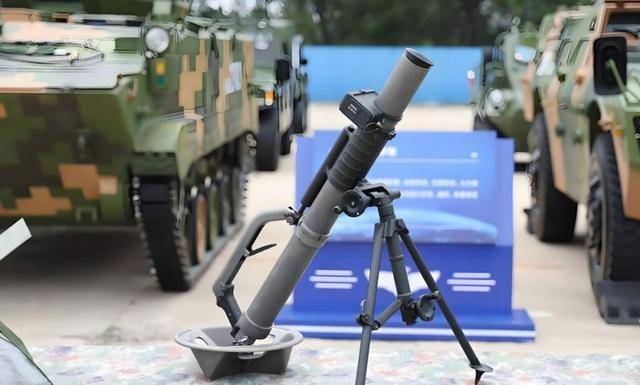
又把高端玩成“白菜”,中国钛合金迫击炮来了,看后谁敢不服?
Sou Hu Cai Jing· 2025-10-11 12:11
Core Insights - Titanium alloy is becoming a strategic material in defense and high-end manufacturing, with China producing 70% of the world's sponge titanium [1][7] - The unique properties of titanium alloys, such as high strength-to-weight ratio and excellent corrosion resistance, make them essential for aerospace, aerospace, and deep-sea equipment [2][5] - The processing of titanium alloys is complex and costly, presenting significant challenges for widespread adoption [5][7] Industry Overview - Titanium alloys are highlighted for their lightweight and strength, exemplified by the PLA's PPP20160mm mortar, which weighs only 8.5 kg compared to traditional steel counterparts [2] - The global titanium alloy market is expected to maintain high prices, with TC4 priced at approximately 40 times that of ordinary carbon steel [5] - China's advancements in the titanium alloy supply chain have led to a comprehensive domestic production capability, covering everything from sponge titanium to high-end manufacturing processes like 3D printing and vacuum casting [7] Applications and Innovations - The application of titanium alloys extends beyond military use to include commercial aircraft like the C919, where titanium accounts for 9.3% of the aircraft's structure, surpassing Boeing and Airbus [7] - In deep-sea equipment, titanium alloys provide non-magnetic properties and excellent pressure resistance, crucial for the safe operation of submarines at extreme depths [9] - The medical field is also seeing growth in titanium alloy applications, particularly in artificial joints and dental implants, due to their biocompatibility and reliability [9]

科学评估颠覆性技术从实验室走向应用场的动态进程——《颠覆性技术产业化指数报告(2025)》解读
Ke Ji Ri Bao· 2025-09-28 09:47
Core Insights - The event held in Mianyang, Sichuan, focused on "disruptive technologies and future industrial development," featuring discussions on cutting-edge fields such as embodied intelligent robots, nuclear medicine, and materials science [1] - The "Disruptive Technology Industrialization Index Report (2025)" was released, aiming to scientifically assess the transition of disruptive technologies from laboratory to application, providing strategic insights for future industrial trends and resource allocation [1] Disruptive Technology Industrialization Index (DTII) - The DTII was created to quantify the complex process of transforming disruptive technologies from ideas to products and industries, filling a gap in decision-making support for governments, markets, and enterprises [2] - The index features a unique "Five Forces" evaluation framework, which includes: 1. Technological Innovation Power 2. Industrial Development Power 3. Ecological Support Power 4. Future Growth Power 5. Market Transformation Power [2][3] Key Findings - The report identifies three critical findings regarding the core mechanisms and driving forces of disruptive technology industrialization [4] - A significant breakthrough is the revelation of the decisive role of the "R&D market" in early industrialization stages, particularly for technologies like high-temperature superconductors and controlled nuclear fusion, which often lack mature commercial products [4] - The report emphasizes that regions like Beijing, the Yangtze River Delta, and the Guangdong-Hong Kong-Macao Greater Bay Area serve as irreplaceable "innovation sources," creating a self-accelerating effect through the synergy of technological innovation, industrial development, and ecological support [4] Future Developments - The DTII will continue to evolve by integrating real-time data and AI analysis, enhancing dynamic monitoring and predictive capabilities, and expanding its coverage to strengthen international comparisons [5] - The goal is to transform the index from an assessment tool into a strategic navigation platform, acting as a "barometer" and "catalyst" for deep integration of technological and industrial innovation, contributing to the construction of a strong technological nation [5]
致敬中国隐形正畸行业发展白皮书:材启新局,质领未来
Zhuo Shi Zi Xun· 2025-09-28 08:24
Investment Rating - The report does not explicitly provide an investment rating for the industry Core Insights - The invisible orthodontics industry is experiencing rapid growth, with the number of new cases expected to reach approximately 5 million annually by 2025 globally, and over 500,000 in China [18][20] - The industry is characterized by a unique development pattern due to multidisciplinary integration and a complex supply chain, which necessitates collaboration and innovation [5][34] - Material science plays a crucial role in enhancing clinical outcomes, patient experience, and expanding application boundaries within the invisible orthodontics sector [13][71] Summary by Sections Section 1: New Foundations - Industry Collaborative Evolution - The global orthodontic market has maintained healthy growth over the past 30 years, with a significant increase in invisible orthodontic cases, transitioning from niche to mainstream [18] - The demand for invisible orthodontics is driven by changing perceptions of oral health, aesthetic demands, and advancements in technology [20][21] Section 2: Core of Quality - The Triple Guardian Power of Material Science - Reliable medical-grade materials are essential for ensuring the safety and effectiveness of invisible orthodontic devices [39][43] - The efficiency of orthodontic treatment is significantly influenced by the properties of the materials used, which must align with clinical needs [47][49] - Patient experience is enhanced through materials that offer high optical transparency, durability, and comfort, which in turn increases compliance with treatment [52][57] Section 3: Future Path - Material Science Empowering Industry Development - The industry is moving towards a more collaborative ecosystem, where material suppliers, manufacturers, and clinical practitioners work together to enhance product performance and patient outcomes [34][72] - Innovations in material science are expected to broaden the application scope of invisible orthodontics, integrating additional functionalities such as antibacterial properties and teeth whitening [71] - The report emphasizes the importance of building a sustainable and innovative ecosystem through open collaboration among industry partners [75][76]
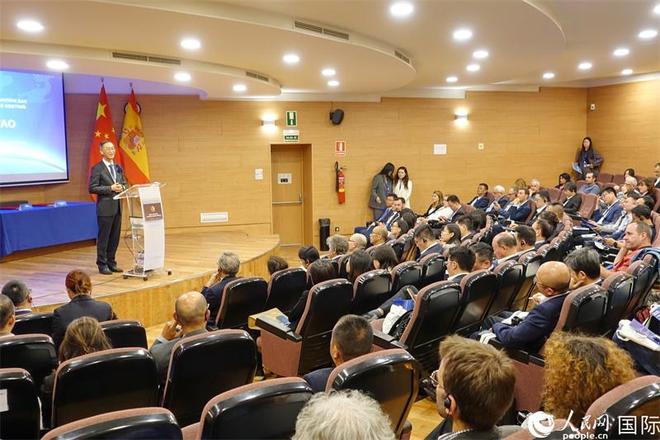
“中西创新日”研讨会在西班牙举行
Ren Min Wang· 2025-09-25 04:37
Core Viewpoint - The "China-Spain Innovation Day: Materials Science Seminar" held in Spain signifies a collaborative effort between China and Spain to address global scientific challenges and explore future cooperation opportunities in materials science [1][5]. Group 1: Event Overview - The seminar was organized by the Chinese Embassy in Spain, the Chinese Ministry of Science and Technology, the Spanish Ministry of Science, Innovation and Universities, and the Spanish National Research Council [1]. - Nearly a hundred participants, including renowned scientists, representatives from research institutions, and industry professionals from both countries, attended the event [1]. Group 2: Key Participants and Contributions - Chinese Ambassador to Spain, Yao Jing, and Vice Minister of the Chinese Ministry of Science and Technology, Qiu Yong, were present and delivered speeches at the seminar [3][5]. - The seminar featured in-depth discussions among experts from both countries regarding future cooperation directions and the forefront developments in materials science [5]. Group 3: Outcomes and Future Cooperation - Two cooperation memorandums were signed by representatives from both sides during the seminar [5]. - Participants expressed that the seminar demonstrated the commitment and actions of both countries to tackle global scientific challenges, paving the way for new cooperation in research innovation, talent exchange, and results transformation [5].
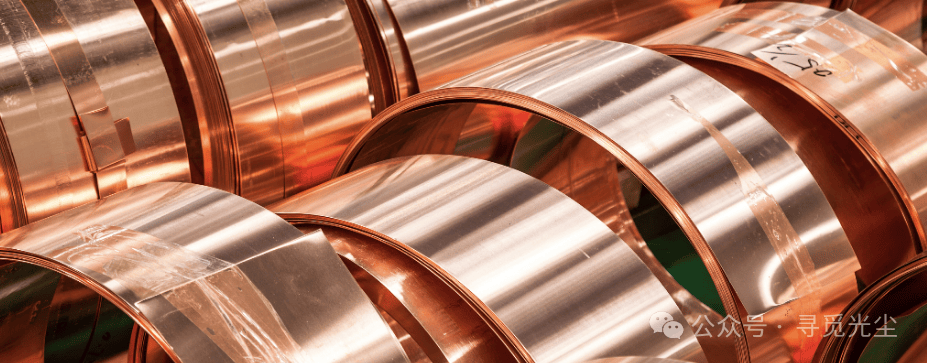
导电之王竟不是银?中国“超级铜”横空出世!电机革命真要来了
Sou Hu Cai Jing· 2025-09-05 04:48
Core Viewpoint - The emergence of "super copper," a graphene-modified copper metal composite, challenges the traditional understanding of electrical conductivity, surpassing silver and conventional copper in performance [1][3]. Group 1: Material Properties - "Super copper" boasts a conductivity of 118% IACS, exceeding silver's 106% IACS and conventional copper by over 15% [3]. - The material not only has high electrical conductivity but also superior thermal conductivity, allowing for better heat dissipation in electric motors [3]. Group 2: Applications and Impact - The introduction of "super copper" can significantly reduce energy loss in electrical devices, enhancing efficiency in applications ranging from household appliances to electric vehicles and high-speed trains [3]. - A laboratory experiment demonstrated a power density increase of 20-30% when using "super copper" in electric motors, indicating substantial performance improvements [3]. - The technology is poised for large-scale production, suggesting a potential shift in the international market dynamics as it moves from experimental phases to practical applications [3]. Group 3: Research and Development - The development of "super copper" involved extensive research, with thousands of experiments conducted to optimize the ratio of graphene to copper, showcasing significant dedication from the research team [3].
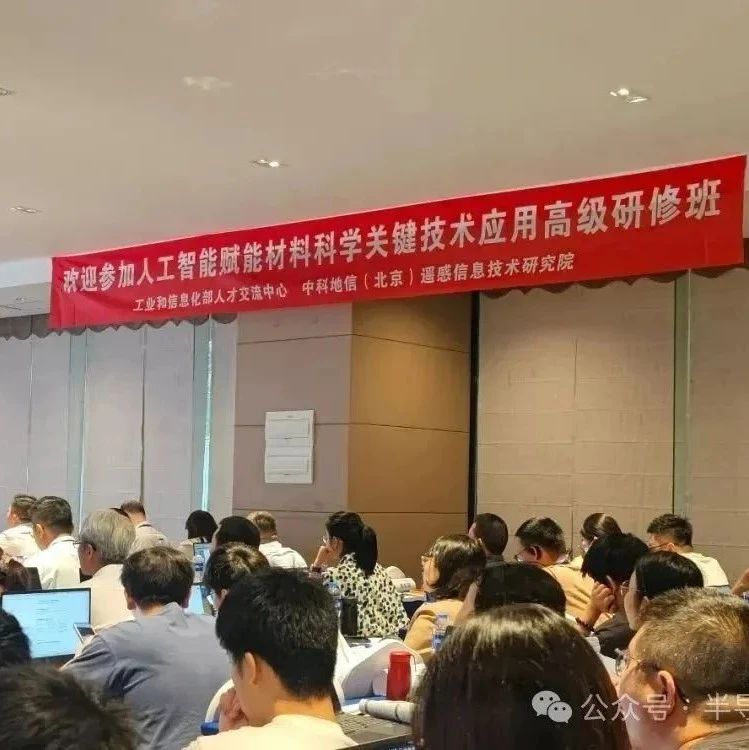
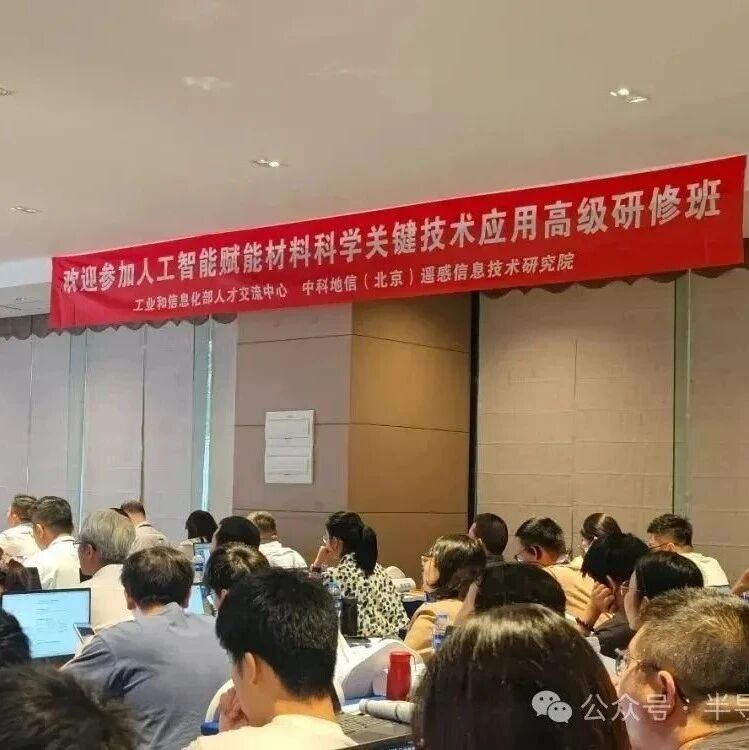
工信部人才交流中心举办《人工智能赋能材料科学关键技术》高级研修班
国芯网· 2025-08-28 12:12
Core Viewpoint - The article emphasizes the importance of integrating artificial intelligence (AI) with materials science to foster innovation and develop interdisciplinary talent in the field [1][2]. Group 1: Workshop Details - The "Advanced Workshop on Key Applications of Artificial Intelligence Empowering Materials Science" aims to reshape research paradigms in materials science through AI [2]. - The workshop will cover various topics, including AI's role in materials data acquisition, processing, and standardization, as well as its applications in new materials discovery and design [3][4]. Group 2: Participants and Logistics - Target participants include leaders, researchers, and technical staff from enterprises, research institutes, and universities involved in materials science [5]. - The fourth session of the workshop is scheduled for September 11-14, 2025, in Guangzhou, with online participation available [6]. Group 3: Costs and Registration - The fee for participation is 4,980 yuan per person, covering expert sessions, venue, meals, and materials [7]. - Participants must submit a recent 2-inch photo during registration and will receive a professional certificate upon completion [10].
工信部人才交流中心举办《人工智能赋能材料科学关键技术》高级研修班
国芯网· 2025-08-25 14:01
Core Viewpoint - The article emphasizes the importance of integrating artificial intelligence (AI) with materials science to foster innovation and develop interdisciplinary talent in the field [1][2]. Summary by Sections Workshop Content - The workshop will cover various topics including: 1. New paradigms in materials science driven by AI 2. AI's role in data acquisition, processing, and standardization in materials science 3. AI-assisted discovery and design of new materials 4. Predicting material structures and properties using AI 5. Applications of AI in material characterization and testing 6. Multi-scale high-throughput computing in materials science 7. Automation in materials science experiments and design through AI 8. Core principles of AI-enabled materials science technologies 9. Applications and practices of machine learning in materials science 10. Case studies of deep learning applications in materials science 11. Applications of reinforcement learning in key materials science technologies 12. Neuromorphic and brain-like computing applications in materials science 13. AI technologies supporting intelligent manufacturing and industrialization of materials 14. Analysis of outstanding achievements in materials science enabled by AI [3][4]. Participants - The workshop is aimed at professionals from enterprises, research institutes, and universities engaged in materials science, as well as individuals interested in the field [5]. Schedule and Location - The fourth session is scheduled from September 11 to 14, 2025, in Guangzhou, with online participation available [6]. Fees and Registration - The fee for participation is 4,980 yuan per person, covering expert fees, venue, meals, materials, and teaching services. Accommodation is not included and must be arranged individually [7]. - Participants must submit a recent 2-inch photo during registration, and those who meet the criteria will receive a professional certificate from the Ministry of Industry and Information Technology [10].

工信部人才交流中心举办《人工智能赋能材料科学关键技术》高级研修班
国芯网· 2025-08-22 14:35
Core Viewpoint - The article emphasizes the importance of integrating artificial intelligence with materials science to foster innovation and develop interdisciplinary talent in the field [1][2]. Summary by Sections Workshop Content - The workshop will cover various topics including: 1. New paradigms in materials science driven by AI 2. AI's role in data acquisition, processing, and standardization in materials [3] 3. AI-assisted discovery and design of new materials 4. Predicting material structures and properties using AI 5. Applications of AI in material characterization and testing 6. Multi-scale high-throughput computing in materials science 7. Automation in materials science experiments and design using AI 8. Core principles of AI in materials science 9. Applications and practices of machine learning in materials science 10. Case studies of deep learning applications in materials science 11. Reinforcement learning applications in key materials science technologies 12. Neuromorphic and brain-like computing applications in materials science [3][4]. Participants - The workshop is aimed at professionals from enterprises, research institutes, and universities involved in materials science, as well as individuals interested in the field [5]. Schedule and Location - The fourth session is scheduled from September 11 to 14, 2025, in Guangzhou, with online participation available [6]. Fees and Registration - The fee for participation is 4,980 yuan per person, covering various costs including expert fees and materials. Participants are required to arrange their own accommodation [7]. - Registration involves submitting a recent photo and will be managed by Beijing Dingji Technology Consulting Co., Ltd. [10]. Expert Instructors - Experts from renowned institutions such as the Chinese Academy of Sciences and Tsinghua University will lead the sessions [6].