流感防控

Search documents
多地进入流感高发期,如何应对?
Xin Hua She· 2025-12-02 13:07
Core Insights - The flu season has arrived in China, with significant increases in flu cases reported, particularly among school-aged children [1][2][12] - The Chinese Center for Disease Control and Prevention (CDC) indicates that flu virus accounts for nearly 45% of respiratory samples tested, with flu activity at moderate to high levels across various provinces [1][2] Group 1: Flu Activity and Impact - Many regions are experiencing a surge in flu cases, with reports of increased patient volumes in hospitals, particularly in respiratory and fever clinics [2][10] - The CDC has noted a rise in school outbreaks, with a higher positive detection rate among children aged 5 to 14 compared to other age groups [2][12] Group 2: Medical Response and Preparedness - Medical institutions are ramping up their stock of antiviral medications, with significant sales increases reported for drugs like Oseltamivir and Baloxavir, showing year-on-year growth of 237% and 180% respectively [6][12] - Hospitals are optimizing their service structures to handle the influx of patients, including extended hours and additional weekend clinics [10][11] Group 3: Vaccination Efforts - Vaccination against the flu is emphasized as a key preventive measure, with increased uptake noted, particularly among children [12][14] - The CDC recommends annual flu vaccinations to reduce the risk of severe illness, especially for vulnerable populations such as children, the elderly, and those with chronic conditions [12][14] Group 4: Public Health Recommendations - Experts advise maintaining good personal hygiene practices, such as frequent handwashing and wearing masks, to mitigate the spread of the virus [15] - It is recommended that high-risk groups seek early antiviral treatment upon flu diagnosis to prevent severe outcomes [15]

防治流感,上市药企有什么“手段”?
Shang Hai Zheng Quan Bao· 2025-12-01 19:24
Core Insights - The flu positive rate in China has reached nearly 45%, indicating a significant rise in flu cases, with some provinces experiencing high epidemic levels [1] - Investors are closely monitoring the supply and sales of flu medications and vaccines from listed pharmaceutical companies, which are actively preparing to meet public health needs [1] Group 1: Drug and Vaccine Supply - Multiple listed companies have reported sufficient reserves of flu medications and vaccines, ensuring stable supply capabilities [2] - Renhe Pharmaceutical has initiated a priority supply mechanism for Oseltamivir, while Dajia Weikang has adjusted production capacity based on market demand [2] - The entire supply chain, including raw material suppliers like Rhine Bio, is collaborating to ensure a robust response to market needs [2] Group 2: Vaccine Development - Companies are focusing on flu vaccines as a key area for development, with several achieving significant progress by 2025 [3] - Zhejiang Tianyuan Biopharmaceutical's quadrivalent flu vaccine "Yufening" has been approved for sale, alongside its trivalent vaccine "Yuganning" [3] - Baike Bio has innovated with a freeze-dried nasal spray flu vaccine, which has been upgraded to a liquid form for easier administration [3] Group 3: Treatment Options - Companies are building a diverse matrix of flu medications to address various symptoms and treatment needs [5] - Zhongsheng Pharmaceutical is advancing the commercialization of Anladiwei tablets for treating uncomplicated influenza, while Jichuan Pharmaceutical is developing a novel flu treatment [5] - Oseltamivir remains a commonly used antiviral, with multiple companies like Renfu Pharmaceutical and Dajia Weikang actively involved in its production [5][6] Group 4: Symptomatic Relief - Several companies are providing symptomatic treatments for flu, including Lisheng Pharmaceutical's Acetaminophen and various products from Zhenbaodao for symptom relief [6] - Companies like Foci Pharmaceutical produce a range of cold and flu medications, ensuring comprehensive treatment options for patients [6]


日本疫情大暴发!
Zhong Guo Jing Ying Bao· 2025-11-29 01:23
Core Insights - Japan is experiencing a significant flu outbreak, with over 190,000 reported cases in the week ending November 23, marking a 1.4 times increase from the previous week [1] - The flu epidemic has reached "alert" levels in 39 out of 47 prefectures, with the situation in Fukushima being particularly severe, reporting the highest infection levels in nearly a decade [2][4] Summary by Sections Flu Cases and Trends - As of November 23, Japan reported 196,900 flu cases, averaging 51.12 cases per reporting medical institution, with a continuous increase for 14 weeks [1] - The flu outbreak is approaching last year's peak levels, which saw an average of 64.39 cases per institution [1] Regional Impact - 39 prefectures have reached flu epidemic alert levels, an increase of 15 from the previous week, with Miyagi, Fukushima, and Iwate being the most affected [3] - In Fukushima, 4,162 cases were reported from 48 medical institutions, a rise of over 1,300 cases from the previous week, marking the highest level since 2015 [4] Educational Impact - Due to the flu spread, 8,817 schools have closed or partially closed classes across Japan [3] Healthcare System Strain - Medical institutions are under significant pressure due to the rapid increase in flu cases, with shortages of common cold medications and antibiotics reported [6] - The upcoming year-end period will further complicate access to medical care as many institutions will reduce services [7] Early Flu Season Factors - Japan entered the flu season earlier than last year, attributed to decreased public health measures and increased international travel [9][10] - Factors such as climate change and lower vitamin D synthesis due to less sun exposure may have contributed to a decline in immunity among the population [10]
全国进入流感快速上升阶段
第一财经· 2025-11-26 11:08
Core Insights - The flu is currently on the rise in China, with most provinces reaching epidemic levels, as reported by the Chinese Center for Disease Control and Prevention [1] - The latest report indicates that flu-like cases in sentinel hospitals have reached the highest levels in four years, with northern provinces reporting 7.0% and southern provinces 6.7% of emergency cases being flu-like [1] - A total of 955 flu-like outbreaks were reported nationwide, with 741 caused by the H3N2 strain [1] - The World Health Organization estimates that seasonal flu can lead to 3 to 5 million severe cases and 290,000 to 650,000 respiratory disease-related deaths globally each year [1] - The flu vaccine is the most effective and economical method to prevent flu, significantly reducing severe cases and mortality rates [1] Vaccination Insights - Annual flu vaccination is recommended as the vaccine is updated each year based on global monitoring data to match circulating strains [1] - The Chinese Center for Disease Control and Prevention released the "Technical Guidelines for Influenza Vaccine Prevention (2025-2026)" on November 3, indicating changes in the vaccine components for the H3N2 strain compared to the previous year [1]

儿童“中招”流感怎么办?专家:抓住48小时黄金干预期
Ren Min Wang· 2025-11-25 09:10
王亚军表示,感染流感后,会出现反复持续高热,并伴有明显乏力、全身肌肉关节疼痛等症状。有 些儿童会以咽痛、头疼或肌肉酸痛等为首发症状,如果出现这一情况,提示家长们要特别警惕和注意。 万一儿童感染流感怎么办?王亚军建议,要早干预、防加重。48小时之内是黄金干预期,因为此时 病毒在体内复制的量还不多,确诊之后应该尽早给予抗病毒治疗。有一些中成药,比如小儿肺热咳喘口 服液,在医生指导下,联合西药规范使用,可以快速缓解患儿咳嗽、发热等症状,并缩短症状持续的时 间。 在日常生活中,家长该如何为孩子筑起防线?中疾控建议,采取"疫苗+卫生习惯"的双防线策略。 根据日前发布的《中国流感疫苗预防接种技术指南(2025—2026)》建议,所有≥6月龄且无接种禁忌 的人都应接种流感疫苗。 时值初冬,天气转寒。依托中国流感监测系统,疾控部门对各地流感活动实时开展监测预警和风险 评估,当前我国总体流感活动属于上升阶段,甲型H3N2亚型占比超过95%,有少量甲型H1N1和乙型流 感病毒同期流行。 针对儿童这一重点人群,流感防控的关键是什么?需要注意哪些问题?首都医科大学附属首都儿童 医学中心呼吸内科副主任医师王亚军进行了讲解。 "不同于普 ...
南新制药:以全维产品矩阵发力流感防控
Zhong Zheng Wang· 2025-11-24 06:03
Core Viewpoint - The company, Nanxin Pharmaceutical, is leveraging its technological advantages in the field of cold and antiviral drugs to ensure the production and supply of related treatment medications amid rising influenza virus activity levels in China [1][2]. Group 1: Product Portfolio and Innovation - Nanxin Pharmaceutical has established a comprehensive product matrix for influenza prevention and treatment, covering injectable and oral forms, as well as therapies for viral and bacterial infections, and antipyretic analgesics [1]. - The company's Palivizumab Sodium Injection is a representative of neuraminidase inhibitors, recognized as a core choice for influenza treatment in the latest national guidelines [1]. - The company is currently in the III phase of clinical trials for an inhalation solution of Palivizumab, which utilizes nebulization for direct action on the respiratory tract, enhancing patient compliance and offering a new option for influenza treatment [2]. Group 2: Targeted Treatments for Specific Populations - The company has developed a formulation of Oseltamivir Phosphate suitable for young children and elderly patients, addressing the need for appropriate dosage forms in these demographics [1]. - Nanxin Pharmaceutical offers a range of supportive treatments for influenza symptoms, including exclusive products like Compound Ibuprofen Tablets and formulations specifically designed for children, which have become common choices in pediatric care [2]. Group 3: Future Outlook and Commitment - The company aims to continuously optimize its product structure and provide efficient solutions for the prevention and treatment of influenza and other respiratory diseases, demonstrating its commitment to public health [2].

中疾控:预计未来流感活动还将进一步上升
Ren Min Wang· 2025-11-21 09:31
Core Viewpoint - The current flu season in China is experiencing a significant rise in activity, with the predominant strain being H3N2, and there is a notable increase in flu outbreaks in schools and childcare institutions [1][2]. Group 1: Flu Virus Evolution and Current Situation - The flu virus undergoes antigenic drift, leading to seasonal outbreaks, but there is no evidence of increasingly stronger mutations or new infectious diseases [1][2]. - The current flu season (2025-2026) is characterized by the co-circulation of H3N2, H1N1, and B-type flu viruses, with a notable increase in flu activity across many provinces [2]. Group 2: Public Health Recommendations - A dual prevention strategy of "vaccination + hygiene habits" is recommended to reduce infection and severe illness risks [3]. - Key hygiene practices include frequent handwashing, using disinfectant wipes on commonly touched surfaces, wearing masks, and maintaining good respiratory hygiene [3]. - Monitoring health in key institutions like schools and nursing homes is crucial, along with ensuring proper ventilation and cleanliness [3].
及早识别流感 避免防护误区
Xin Hua She· 2025-11-21 07:45
Group 1 - The winter season is a peak period for influenza, with a noticeable increase in the number of children seeking medical attention for flu symptoms [1] - Influenza presents with sudden onset, high fever, body aches, fatigue, poor appetite, and lethargy, distinguishing it from the common cold, which has a slower onset and milder symptoms [1] - Children under 5 years old, especially those under 2, are at high risk for severe influenza, with specific warning signs indicating severe cases [1] Group 2 - Common misconceptions among parents regarding flu prevention and care can worsen the child's condition, such as relying solely on physical cooling methods instead of antipyretics [1][2] - Practices like giving hot baths or "sweating it out" can exacerbate fever and lead to further complications, highlighting the importance of appropriate clothing and bedding during fever [2]
打流感疫苗有必要吗?什么时候打最好?这些知识要知道
Yang Shi Xin Wen· 2025-11-13 06:32
Core Points - The National Health Commission held a press conference to discuss the prevention and control of acute respiratory infectious diseases during the autumn and winter seasons [1] Group 1: Influenza Vaccination - Influenza viruses are prone to mutation, and while vaccination may not guarantee immunity, it is still essential to receive the flu vaccine annually [2] - The Chinese Center for Disease Control and Prevention (CDC) monitors influenza activity in real-time, indicating that the overall flu activity in China is currently on the rise, with the H3N2 subtype accounting for over 95% of cases [2] - Vaccination is the most economical and effective method to prevent influenza, significantly reducing the risk of severe illness and outbreaks in groups such as students [2] - Each flu season requires a new vaccination due to the mutation of the virus and the decline in immunity over time, typically within 6 to 8 months after vaccination [3] - The flu season generally begins in October to November, with peaks occurring in late December and early January, making timely vaccination crucial for optimal protection [3] - Vaccination remains beneficial throughout the flu season, even if administered later than the recommended period [3]
专家:“硬扛”流感有健康风险
Zhong Guo Xin Wen Wang· 2025-11-07 13:46
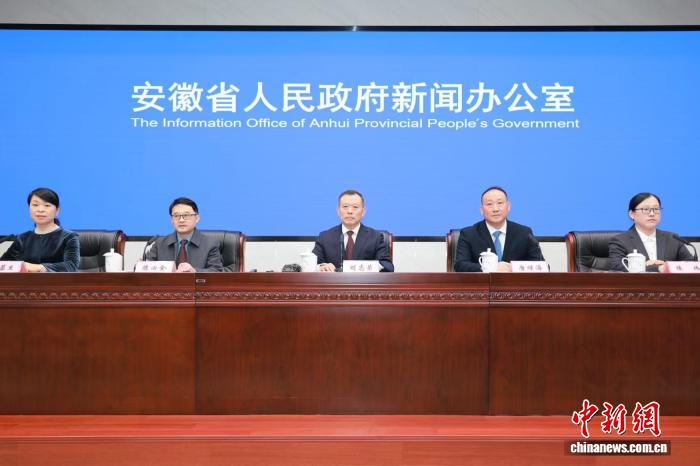
Core Viewpoint - The article emphasizes the health risks associated with the misconception that one can simply "tough it out" when infected with influenza, highlighting the need for proper medical intervention and vaccination [1][3]. Group 1: Differences Between Influenza and Common Cold - Influenza is fundamentally different from the common cold in terms of pathogens, symptoms, transmissibility, and potential complications [3]. - Influenza has a strong transmissibility and spreads primarily through droplets and close contact, leading to outbreaks in populations, while the common cold has weaker transmissibility and is mostly seen in sporadic cases [3]. - Complications from influenza can include severe conditions such as pneumonia, myocarditis, and encephalitis, which can even lead to death, necessitating the use of antiviral medications [3]. Group 2: Vaccination Recommendations - The current period is identified as the optimal time for influenza vaccination, particularly for individuals aged six months and older without contraindications, especially the elderly, children, and those with chronic underlying conditions [3]. - It is advised that individuals seek medical attention promptly if influenza symptoms appear, rather than self-medicating or "toughing it out," to avoid delays in treatment [3]. Group 3: Nature of Influenza Virus - The influenza virus is characterized by its high variability, with different strains circulating globally each year, which is why annual vaccination is necessary [3]. - The protective antibody levels generated by the influenza vaccine tend to decline significantly after six to eight months, further underscoring the need for yearly vaccinations [3]. Group 4: Current Health Status - The overall level of respiratory infectious diseases in Anhui Province is currently at a low level, despite the winter and spring being peak seasons for respiratory and gastrointestinal infections [3].