
生态养殖

Search documents
传承鱼蚌共生 延长产业链条
Ren Min Ri Bao· 2025-07-04 02:02
Core Viewpoint - The Deqing freshwater pearl farming system in Huzhou, Zhejiang Province, has been recognized as a globally significant agricultural cultural heritage by the Food and Agriculture Organization of the United Nations, highlighting the integration of traditional ecological wisdom and modern practices in pearl cultivation [1]. Group 1: Ecological and Economic Benefits - The Deqing freshwater pearl system employs a mixed farming approach of fish and clams, creating a natural ecological cycle that improves water quality and maintains biodiversity [1]. - The system has led to significant improvements in pearl quality, with traditional farming methods enhancing the survival rate of clams and the overall yield of pearls [2]. - The economic benefits are notable, with 80% of the pearls produced being used for medicinal and cosmetic purposes, while only 5% qualify as jewelry-grade pearls, showcasing a dual focus on ecological and economic gains [2]. Group 2: Industry Development and Innovation - The local pearl industry is evolving towards a full industrial chain model, integrating processing, research, and cultural tourism, which includes the establishment of pearl brands and the development of pearl-based products [3]. - The annual output of pearl deep processing in Deqing is nearly 100 tons, accounting for about 10% of the national total, with the combined annual output value of pearl farming and processing exceeding 7 billion yuan, creating employment for nearly 20,000 people [3].
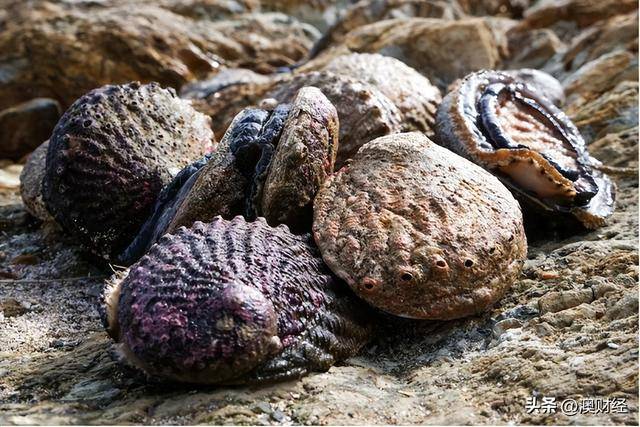
从深海走来的困局与希望:澳洲鲍鱼如何在中国产能洪峰寻找出路?
Sou Hu Cai Jing· 2025-06-23 01:32
Core Viewpoint - The Tasmanian abalone industry is facing a significant crisis due to a sudden market downturn, particularly affecting high-end products exported to China, leading to price drops, order reductions, and increased competition [1][3][4]. Market Conditions - Both wild and farmed abalone from Tasmania, especially high-end varieties for the Chinese market, are experiencing unprecedented challenges, including price declines and factory closures [3][8]. - The price of black-lip abalone in the Chinese market has decreased by over 30%, while high-end gift abalone sales have plummeted by more than 80% [8]. Industry Dynamics - The Australian abalone industry, particularly farming operations, is under severe pressure from the influx of competitively priced Chinese farmed abalone, leading to the closure of two abalone farms in Tasmania [8][10]. - Rare Foods Australia, a representative abalone farming company, has announced its delisting from the Australian Securities Exchange due to a 96% drop in stock price and over AUD 23 million in cumulative losses since its listing [10]. Competitive Landscape - The Tasmanian Seafoods, the largest abalone exporter in Tasmania, is struggling with increasing competition from Chinese farmed abalone, which offers better pricing and efficiency [6][8]. - The Australian abalone industry is characterized by its reliance on wild abalone, which is perceived to have a unique value due to its natural growth and sustainability compared to the intensive farming practices in China [14][18]. Future Strategies - The Australian abalone industry needs to shift from a high-end export model to a broader domestic and Asian market focus, emphasizing ecological sustainability and high nutritional value [20][25]. - A dual strategy is recommended, where companies continue to target high-end markets while also developing affordable products for everyday consumption, such as abalone-based sauces and ready-to-eat meals [23][26].

品牌价值达28.6亿元,一条生态鱼链激活一域经济
Zhong Guo Huan Jing Bao· 2025-06-07 00:04
Core Insights - The article highlights the rapid growth of the ecological fish industry in Wan'an County, Jiangxi Province, achieving a doubling of fishery output value within three years and a brand value reaching 2.86 billion yuan [1][7] Group 1: Ecological Advantages - Wan'an County leverages its water quality, with the establishment of an ecological matrix consisting of two lakes and three reservoirs, ensuring high-quality fish production through a "human release, natural breeding" model [2][3] - The county has implemented a 24-hour water quality monitoring system to maintain Class II water standards, ensuring that fish carry a "green water and blue sky ID" [2] Group 2: Industry Development - The establishment of the Ecological Fish Industry Research Institute in collaboration with Nanchang University and Jiangxi Green Industry Group aims to enhance fish seed quality and promote sustainable practices [3] - Wan'an County has developed a comprehensive certification system for fish quality, ensuring traceability and safety through a "one fish, one code" approach [3] Group 3: Value Chain Expansion - The county has activated the full value of fish through deep processing, creating over ten series of products, including prepared dishes and snacks, maximizing the economic potential of the fish [4] - Wan'an County has established a marketing strategy that includes flagship stores and sales warehouses in major cities, achieving annual sales of over 12 million yuan from fresh ecological fish [4][5] Group 4: Cultural Integration - The county promotes cultural tourism through events like the "Wan'an Lake Cup" fishing competition and culinary contests, generating a comprehensive income of 180 million yuan [5] - The branding efforts have led to the creation of a three-in-one certification system, enhancing the market competitiveness of "Wan'an Lake" fish and increasing brand premium rates to 35% [6] Group 5: Brand Building - The "Wan'an Lake" brand has been recognized nationally, with significant media coverage enhancing its cultural value and market presence, leading to a surge in consumer interest and sales [6][7] - The county's initiatives have resulted in a brand value of 2.86 billion yuan, benefiting 23,000 farming households and contributing to rural revitalization [7]
【榆林】羊产业串起群众“增收链”
Shan Xi Ri Bao· 2025-05-08 22:47
Core Insights - The government of Yulin City has invested a total of 250 million yuan over the past five years to support standardized sheep farming, benefiting over 60,000 sheep farmers [1][2] - In 2024, Yulin's sheep population is projected to reach 9.75 million, with meat production at 68,000 tons and cashmere production at 3,058.84 tons, contributing to a primary industry output value of 6.861 billion yuan [1] - The sheep industry has become a core pillar of rural revitalization in Yulin, with over 122,000 farming households involved, and average disposable income for sheep farmers exceeding 20,000 yuan, accounting for over 70% of household net income [2] Investment and Infrastructure - The investment of 50 million yuan in the previous year covered 12 key towns, over 250 administrative villages, and benefited more than 10,000 sheep farmers [1] - Yulin has established three provincial-level sheep breeding farms and 36 municipal-level breeding farms, capable of providing over 20,000 high-quality breeding sheep annually [1] Environmental and Ecological Impact - The sheep farming initiative has transformed mountain closure and grazing bans into a driving force for industrial upgrading, with sheep population increasing from 4.368 million in 2002 to 9.752 million in 2024 [2] - The comprehensive utilization rate of livestock manure has reached 88.4%, and the facility matching rate for large-scale farms is 98.6%, achieving resource recycling [2]
让绿水青山释放更多生态红利
Ren Min Ri Bao· 2025-05-04 22:12
Core Viewpoint - The article discusses the balance between protecting the water quality of Dongting Lake and promoting the healthy development of the aquaculture industry, highlighting the shift from traditional fishing to ecological fish farming in the region [1][2]. Group 1: Ecological Fish Farming - The main fish being cultivated in the area is the "ecological fish," specifically the fat head fish, which is sold at prices two to three times higher than ordinary pond fish due to its natural rearing method [1]. - The ecological fish are raised using the "human release, natural growth" method, where no feed is provided, allowing the fish to grow on natural microorganisms and aquatic plants [2]. - The local government has unified management of over 40,000 acres of aquaculture water surface to promote green transformation in the industry, achieving ecological, economic, and social benefits [1]. Group 2: Economic Viability and Market Strategy - The ecological fish grow slowly, taking a year to reach one to two pounds, compared to four to five pounds for ordinary pond fish, necessitating a market-oriented approach to ensure stable income [2]. - The fat head fish is specifically targeted for the popular dish "chopped pepper fish head," which has high market demand and stable prices, with distribution primarily through cold chain logistics to the Guangdong-Hong Kong-Macao region [2]. - The region is also integrating ecological tourism with fish sales, creating attractions such as bird-watching spots and selling rare fish species like the black shell crucian carp at prices between 30 to 40 yuan per pound [2]. Group 3: Technological Advancements - New aquaculture technologies are being adopted to enhance the value of the fishery, including the establishment of fully enclosed indoor fish ponds that utilize microorganisms to remove ammonia nitrogen from the water [2]. - The local government is constructing a drying fish processing plant and developing online live-streaming platforms to improve cold chain logistics, thereby continuously releasing ecological benefits from the green environment [2].