生态环境监测

Search documents
国常会:持续推动物流降本提质增效
Jing Ji Guan Cha Wang· 2025-10-17 23:42
Core Viewpoint - The State Council of China is focusing on reducing logistics costs across the society, enhancing green trade, and improving agricultural production, as discussed in a recent meeting chaired by Premier Li Qiang [1] Group 1: Logistics Cost Reduction - The meeting emphasized the critical role of logistics in facilitating domestic circulation and developing a modern industrial system [1] - Continuous efforts will be made to reduce logistics costs while improving quality and efficiency [1] - Investment in logistics warehousing facilities will be increased [1] - There will be a push for open and interconnected logistics data [1] - Support for logistics companies, especially small and micro enterprises, will be enhanced through short-term financing [1] Group 2: Green Trade and Agricultural Production - Measures to expand green trade were discussed, although specific details were not provided in the summary [1] - Further efforts to ensure effective grain and agricultural production were also part of the meeting agenda [1] Group 3: Regulatory Developments - The meeting reviewed and approved the draft of the Ecological Environment Monitoring Regulations [1] - The revised draft of the Measures for the Use of the National Emblem was also discussed [1]
国常会最新部署
第一财经· 2025-10-17 15:53
Group 1: Logistics and Supply Chain - The meeting emphasized the importance of logistics in facilitating domestic circulation and developing a modern industrial system, calling for continuous efforts to reduce logistics costs and improve efficiency [3] - There is a push to accelerate the construction of a modern logistics system that is safe, efficient, and integrates digital infrastructure, with a focus on enhancing multi-modal transport management [3] - Investment in logistics warehousing facilities is to be increased, optimizing layout and functionality, while promoting the integration of artificial intelligence with logistics for smarter operations [3] Group 2: Green Trade Initiatives - Development of green trade is highlighted as a crucial measure for optimizing trade, achieving carbon neutrality goals, and building a strong trade nation [4] - The meeting called for the establishment of a comprehensive policy framework for green trade, enhancing collaboration with various sectors such as industry, technology, and finance [4] - There is an emphasis on improving the green and low-carbon development capabilities of foreign trade enterprises, encouraging them to adopt green design and production practices [4] Group 3: Agricultural Production - The meeting noted that coordinated efforts have been made in grain production, with expectations for a bumper harvest this year and sufficient supply of essential agricultural products [4] - Continued efforts are required for autumn harvesting and planting, ensuring the supply and price stability of agricultural inputs like seeds and fertilizers [4] - The importance of policy-driven storage and support for market participants to enhance grain purchasing efforts was also discussed [4] Group 4: Environmental Monitoring - There is a call to establish a modern ecological environment monitoring system, enhancing the integration of monitoring networks across various domains [5] - The meeting stressed the need for improved monitoring standards and data quality management to support ecological civilization and the construction of a beautiful China [5] Group 5: National Symbol Regulations - The meeting addressed the significance of the national emblem as a symbol of the state, emphasizing the need for strict adherence to regulations regarding its use in international exchanges [5]


生态部环境部部长黄润秋自述“每天上班第一件事”
2 1 Shi Ji Jing Ji Bao Dao· 2025-09-19 07:41
9月19日,国务院新闻办公室举行新闻发布会,介绍以生态环境高水平保护、推动高质量发展情况。会 上,生态环境部部长黄润秋表示,生态环境监测是生态环境保护的顶梁柱,也是奠基石,是以高水平保 护支撑高质量发展的重要基础,"这些年,我每天上班第一件事,就是打开电脑,看一看今天全国的生 态环境质量怎么样,再了解一下近期的趋势性变化,这样才能做到'胸中有数、心里不慌'。" (原标题:生态部环境部部长黄润秋自述"每天上班第一件事") ...
以高水平监测更好服务“三个治污”
Zhong Guo Huan Jing Bao· 2025-09-02 02:03
Core Viewpoint - The article emphasizes the importance of ecological environment monitoring as a foundation for ecological protection and pollution prevention, advocating for improved monitoring data quality and the implementation of advanced technologies to enhance monitoring capabilities [1][2][3]. Group 1: Improving Monitoring Data Quality - The article suggests enhancing the accuracy, comprehensiveness, and timeliness of monitoring data to support precise pollution control. It highlights the need for the widespread application of Laboratory Information Management Systems (LIMS) and unified regulatory frameworks for monitoring institutions [1]. - It calls for a shift in focus for monitoring personnel from merely ensuring data quality to also emphasizing the application of monitoring data, thereby strengthening its role in precise pollution control [1]. Group 2: Accelerating Digital Transformation of Monitoring Systems - The article advocates for the digital transformation of ecological environment monitoring systems, leveraging technologies such as artificial intelligence and cloud platforms to modernize monitoring capabilities [2]. - It emphasizes the need to develop monitoring technologies with independent intellectual property rights and to enhance the automation and intelligence of monitoring processes [2]. - The establishment of a comprehensive ecological environment smart monitoring system is recommended, which would improve the ability to trace pollution sources and enhance environmental quality forecasting [2]. Group 3: Strengthening Legal and Regulatory Frameworks - The article stresses the necessity of a solid legal foundation for ecological environment monitoring, particularly in clarifying the legal status of automatic monitoring data from polluting entities [3]. - It points out that currently, only data from waste incineration power plants can be directly used for administrative enforcement, indicating a need for broader legal recognition of monitoring data [3]. - The role of social monitoring institutions is highlighted, with a call for clear legal definitions regarding the use of their data in environmental enforcement to enhance their contribution to ecological management [3].
报效祖国 建功西部丨青海生态监测团队:用脚步丈量雪域高原
Xin Hua She· 2025-08-23 17:23
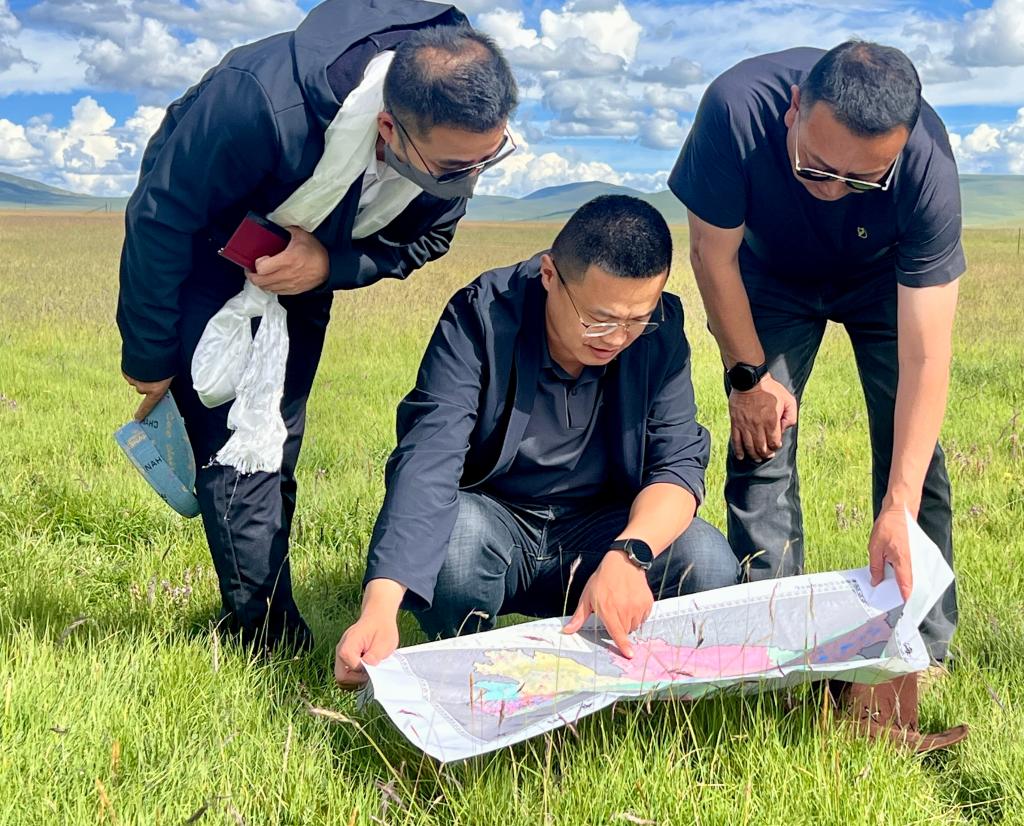
Core Viewpoint - The article highlights the ecological monitoring efforts in the Longbao Wetland of Qinghai Province, emphasizing the importance of preserving the fragile ecosystem and the role of professionals in this field [1][3][5]. Group 1: Ecological Monitoring - The Longbao Wetland is recognized as one of the highest plateau wetlands in the world, featuring diverse ecosystems and rare wildlife, making it a valuable site for ecological monitoring [1][3]. - The Qinghai Provincial Ecological Environment Monitoring Center, established in 1984, is responsible for ecological monitoring and quality management across the province, with a significant portion of its workforce being young professionals [3][5]. - The monitoring process involves analyzing vegetation structure, biomass, soil elements, and species identification, which requires a systematic and meticulous approach [3][5]. Group 2: Technological Advancements - The team aims to achieve automation in ecological monitoring through collaboration with universities and research institutions, which will enhance the precision and efficiency of data collection and analysis [6]. - Remote sensing technology is evolving towards intelligent and digital solutions, which will further support ecological monitoring efforts in the region [5][6]. Group 3: Legislative Involvement - The team, led by Xu Qingmin, has participated in legislative efforts, contributing to the drafting of the "Ecological Protection Law of the Qinghai-Tibet Plateau," highlighting the need for improved monitoring capabilities in this ecologically sensitive area [5][6]. - Recommendations for enhancing ecological monitoring and data sharing were incorporated into the legislation, reflecting the team's commitment to ecological protection [5][6].
奋力实现三季度经济增长目标任务、进一步提升上海湿地空间环境品质……上海市政府常务会议研究了这些重要事项
Di Yi Cai Jing· 2025-08-19 10:57
Core Viewpoint - The Shanghai government is focusing on sustainable wetland economy development, aiming to enhance the quality of wetland spaces and accelerate the establishment of a modern ecological environment monitoring system to achieve economic growth targets for the third quarter [1][2]. Group 1: Economic Growth and Policy Implementation - The Shanghai economy has shown a stable and positive trend from January to July this year, with a commitment to fully implement various measures to achieve the economic growth targets for the third quarter [1]. - The government emphasizes the importance of macroeconomic analysis and dynamic policy adjustments to support enterprises in seizing market opportunities and maintaining growth [1]. - There is a focus on targeted investment attraction and support for key enterprises, particularly those in leading positions within their industries, to ensure they can establish a strong presence in the market [1]. Group 2: Wetland Space Planning and Environmental Monitoring - The meeting approved the "Shanghai Wetland Space Planning and Construction Pilot Action Plan," highlighting the need to respect ecological laws and preserve the authenticity and integrity of wetland areas [2]. - The government aims to create a shared wetland experience for the public, integrating urban, wetland, and community spaces to enhance accessibility and enjoyment [2]. - The "Implementation Opinions on Accelerating the Establishment of a Modern Ecological Environment Monitoring System" were also approved, focusing on enhancing monitoring capabilities through new technologies like AI, satellite remote sensing, and big data [2].
超1.2亿共1032台/套,辽宁省发布多项生态环境监测仪器采购意向
仪器信息网· 2025-06-10 08:17
Core Viewpoint - The Liaoning Provincial Ecological Environment Monitoring Center has announced multiple government procurement intentions for the "Ecological Environment Monitoring Instrument and Equipment Filling and Supplementing Project," with a total budget exceeding 120 million yuan, involving 1,032 sets of instruments and equipment [1][2]. Summary by Sections Project Overview - The project consists of 12 sub-projects, with a total budget of over 120 million yuan, and the procurement is expected to take place in June [2][3]. Detailed Project Breakdown - **Project One**: Budget of 7.6583 million yuan, involving 42 types of equipment, totaling 294 units, including portable centrifuges, measuring instruments, and various water quality sampling devices [3]. - **Project Two**: Budget of 14.3386 million yuan, involving 20 types of equipment, totaling 109 units, including portable X-ray fluorescence spectrometers and various gas analyzers [4]. - **Project Three**: Budget of 5.0684 million yuan, involving 6 types of equipment, totaling 108 units, including automatic air monitoring instruments and particulate matter samplers [5]. - **Project Four**: Budget of 7.654 million yuan, involving 17 types of equipment, totaling 124 units, including smoke and gas sampling devices [6]. - **Project Five**: Budget of 8.44 million yuan, involving 5 types of equipment, totaling 18 units, including automatic mercury analyzers and atomic absorption spectrophotometers [7]. - **Project Six**: Budget of 7.165 million yuan, involving 16 types of equipment, totaling 60 units, including various analytical instruments and sample storage devices [8]. - **Project Seven**: Budget of 7.7 million yuan, involving 5 types of equipment, totaling 29 units, including automatic analysis instruments for various environmental parameters [8]. - **Project Eight**: Budget of 5.09 million yuan, involving 4 types of equipment, totaling 16 units, including gas chromatography systems [8]. - **Project Nine**: Budget of 25 million yuan, involving 5 types of equipment, totaling 19 units, including liquid chromatography and mass spectrometry systems [8]. - **Project Ten**: Budget of 10.4968 million yuan, involving 25 types of equipment, totaling 123 units, including various laboratory instruments [8]. - **Project Eleven**: Budget of 14.467 million yuan, involving 20 types of equipment, totaling 89 units, including automatic sampling and extraction devices [8]. - **Project Twelve**: Budget of 10.8005 million yuan, involving 34 types of equipment, totaling 43 units, including various analytical and sampling instruments [8]. Total Summary - The total budget for all projects amounts to approximately 123.879 million yuan, with a total of 1,032 units of equipment planned for procurement [8].

“美丽中国 科技先行”——生态环境科技活动周主场开放活动侧记
Zhong Guo Huan Jing Bao· 2025-05-27 09:06
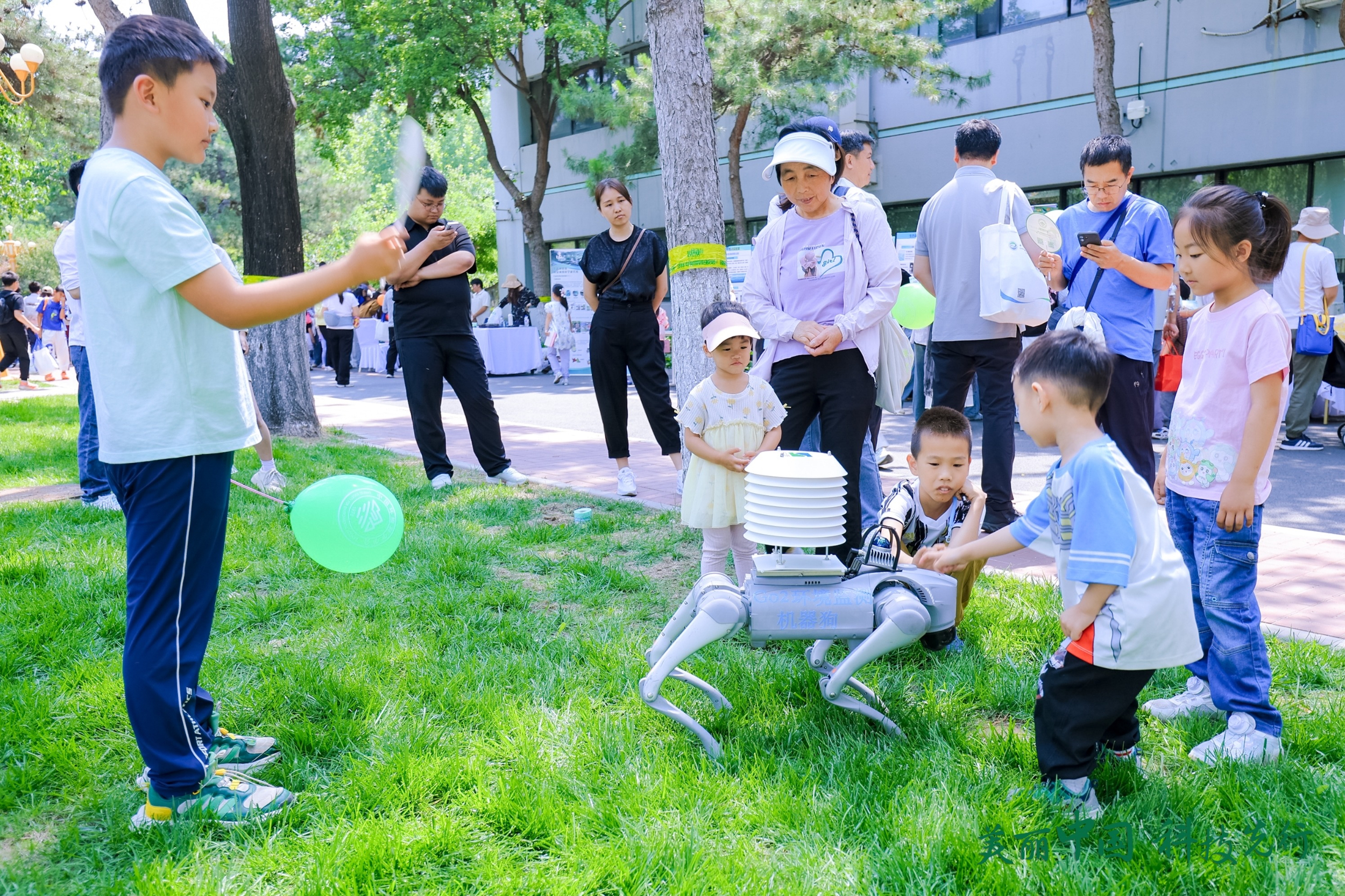
Core Viewpoint - The "Go2 Ecological Environment Monitoring Robot Dog" represents a significant advancement in environmental monitoring technology, showcasing the integration of robotics and environmental science to enhance ecological monitoring capabilities [1][2][5]. Group 1: Technological Innovation - The Go2 robot is equipped with multi-parameter sensors that allow it to monitor air quality, humidity, temperature, noise levels, and more in complex terrains [2][5]. - It can operate independently in environments without internet connectivity, demonstrating high endurance and edge computing capabilities [5]. - Future plans include collaboration with drones and unmanned boats for integrated ecological monitoring across land, sea, and air [5]. Group 2: Public Engagement and Education - The event attracted students and the public, providing hands-on experiences with the Go2 robot and other monitoring technologies, fostering interest in environmental science [1][9]. - Interactive exhibits and educational sessions were designed to enhance public understanding of ecological monitoring and the importance of environmental protection [10][14]. - Activities such as quizzes and interactive displays encouraged participants to engage with environmental issues and express their commitment to ecological conservation [16]. Group 3: Comprehensive Monitoring System - The ecological monitoring network integrates various technologies, including satellite remote sensing, drones, and automatic monitoring stations, creating a multi-dimensional monitoring framework [6][9]. - This system supports pollution prevention, ecological restoration, and emergency responses to severe weather events, providing a scientific basis for environmental management [9][10]. - Recent case studies from key regions highlight the effectiveness of this monitoring system in addressing environmental challenges [9].