细胞与基因治疗

Search documents
看好四大赛道,源创多盈“三深”策略深耕产业投资
Zheng Quan Shi Bao Wang· 2025-12-25 02:48
Core Insights - The company, Yuanchuang Duoying, focuses on technology innovation and has adopted a "three-depth" investment strategy to drive industrial investment and leverage technological value in Shandong province [1][2]. Investment Strategy - The "three-depth" strategy includes "deeply exploring industries," "deeply cultivating regions," and "deeply serving projects," which allows the company to identify and invest in promising projects early [2]. - The company emphasizes early-stage investments, starting from the patent stage of projects, and evaluates the number of published papers and patents in relevant fields [2]. Sector Focus - The company is optimistic about four key sectors: thermal power, electric power, computing power, and life sciences [1]. - In the semiconductor materials sector, Yuanchuang Duoying has invested in approximately 10 next-generation semiconductor material companies, managing over 10 billion yuan in funds and over 130 investment projects [1][4]. Regional Development - The company has established a presence in 15 cities, focusing on cities with either a GDP of over 1 trillion yuan or rich educational resources [4]. - In Jinan, the company has initiated the "Periodic Table Action" to focus on next-generation semiconductor materials, including indium phosphide, gallium arsenide, silicon carbide, and gallium nitride [4]. Life Sciences Sector - The life sciences sector is a major focus, with plans to allocate over 50% of future investments to this area, driven by increasing healthcare spending as GDP per capita exceeds $13,000 [4][5]. - The company aims to invest in synthetic biology, cell and gene therapy, and advanced medical devices, among other promising sub-sectors [5][6]. Market Trends - The domestic life sciences sector has shown significant innovation, transitioning from generic drug production to original innovations, with a notable increase in the number and value of overseas authorizations for innovative drugs [5]. - The market has experienced a complete cycle of bubble formation and burst, leading to more rational valuations and a mature perspective on long-term development in the life sciences sector [6]. Future Outlook - The company is exploring mergers and acquisitions and aims to support traditional enterprises through industrial integration [7]. - Yuanchuang Duoying plans to maintain its commitment to technology investment and aims to achieve a managed scale of 10 billion yuan by 2029 [7].
北京:以创新之力守护民生健康
Bei Jing Ri Bao Ke Hu Duan· 2025-12-24 22:08
Group 1 - The "Beijing Brain No. 1" brain-computer interface system has enabled high-level paraplegic patients to perform actions like grasping a cup using only their thoughts, showcasing innovation in the medical field [1] - The Beijing medical and health industry is projected to reach a total scale of 1.06 trillion yuan by 2024, driven by innovation in medical devices and AI, with the highest number of approved innovative medical devices in the country [1] - The Beijing Economic and Technological Development Zone hosts over 5,000 biopharmaceutical companies, covering all areas of the medical and health industry, including biopharmaceuticals, modern traditional Chinese medicine, new vaccines, and high-end medical equipment [1] Group 2 - AstraZeneca has officially launched its global R&D strategic center in Beijing, which will leverage the local scientific ecosystem and AI advantages to accelerate the development of next-generation innovative drugs [2] - The Beijing government has implemented a series of "32 measures" to address industry development bottlenecks, significantly reducing the median time for clinical trial initiation to 21.4 weeks and expediting the approval process for innovative drug projects [2] - Beijing is promoting dual-directional efforts in basic research and results transformation through targeted policies in synthetic biology, cell, and gene therapy, with a new gene drug for treating blindness set to begin trials in January 2024 [3] Group 3 - A new 20 billion yuan special industrial fund has been established to support the pharmaceutical and health sector, with 77 projects already approved for funding [3] - The "South-North linkage" strategy in Beijing aims to create a synergistic spatial layout, with the southern economic development zone focusing on global pharmaceutical talent and the northern area concentrating on original innovation and future industries [3] - The Beijing government plans to accelerate the integration of technological innovation and industrial innovation in the pharmaceutical industry, enhancing the smart and green levels of the entire pharmaceutical industrial chain [4]
2025深圳国际高性能医疗器械展暨创新医药展香港站举办
Nan Fang Du Shi Bao· 2025-12-11 14:12
Core Insights - The event "2025 Shenzhen International High-Performance Medical Device and Innovative Pharmaceutical Exhibition Hong Kong Station" focuses on the theme "Innovative Drugs and Devices, Collaborative Win-Win" and aims to deepen cross-border cooperation in the pharmaceutical and medical device sectors between Shenzhen and Hong Kong [1] Group 1: Event Overview - The event is guided by multiple health and regulatory bodies from Shenzhen and Hong Kong, featuring a "conference + exhibition" model to explore cutting-edge technology trends and collaborative development measures [1] - Over 300 representatives from more than 120 enterprises, universities, and research institutions participated, showcasing significant medical devices and innovative pharmaceutical products [4] Group 2: Expert Contributions - Notable experts shared insights on various topics, including the application prospects of infrared fluorescence imaging in precision medicine and global trends in digital healthcare [2] - The discussions highlighted the importance of industry-academia-research collaboration for innovation [2] Group 3: Collaborative Achievements - A series of landmark collaborative achievements were announced, including the launch of the GCOG precision treatment clinical trial and the establishment of a collaborative platform for international clinical trials in the Greater Bay Area [3] - Several partnerships were formed in key areas such as cell gene therapy and drug development, aiming to create a "research-application" integration platform and an international service network [3] Group 4: Innovation Showcase - The event featured high-performance medical devices such as surgical robots and automated immunoassay analyzers, demonstrating the industrial strength and innovative vitality of the Shenzhen-Hong Kong region [4] Group 5: Future Development - The forum focused on themes like cell and gene therapy and opportunities in innovative drug and device development, providing intellectual support for industry growth [5] - The event serves as a model for soft connectivity in the Greater Bay Area's pharmaceutical and medical device industry, promoting a new model of industrial linkage between Shenzhen and Hong Kong [5]
共话中国经济新机遇丨专访:与中国创新同频共振——访拜耳集团首席执行官比尔·安德森
Xin Hua She· 2025-12-10 03:11
Core Insights - China is emerging as a significant source of innovation in the global biopharmaceutical sector, showcasing strong capabilities in areas like cell and gene therapy [1] - Bayer views China as a critical market for business growth and a strategic pillar in its global innovation framework [1] Group 1: Innovation Landscape - China has transitioned from being a "follower" to an "innovation source" in the biopharmaceutical field, driven by government support for technology and industry integration, a vibrant R&D ecosystem, and strong market demand [1] - Bayer has established five R&D and innovation centers in China, including the Shanghai Co.Lab platform focused on cutting-edge fields, which has welcomed seven biotech companies [2] Group 2: Collaborative Efforts - The newly opened Open Innovation Center in Beijing will act as a local innovation accelerator, enhancing Bayer's R&D capabilities by connecting global resources [2] - Bayer collaborates with local pharmaceutical startups to expedite the global market entry of original Chinese innovations and partners with research and clinical institutions to strengthen basic science research and clinical translation [2] Group 3: Academic Partnerships - Chinese universities and research institutions play a vital role in Bayer's innovation strategy, with over 100 research projects conducted with Tsinghua University and Peking University in the past two decades [3] - Bayer's collaborations extend to various fields, including probiotics with Jiangnan University and artificial intelligence with Shanghai Jiao Tong University, highlighting the strong capability of the Chinese academic community in translating basic research into new drug development [3]

重磅 |《2025年中国创新药产业投资蓝皮书》发布
Sou Hu Cai Jing· 2025-12-09 03:43
Core Insights - The conference "2025 Financial Empowerment of the Medical and Health Industry (Guangxi) Innovation Conference" was successfully held in Nanning, focusing on building a closed-loop ecosystem of "technology innovation + capital empowerment + industry landing" to support Guangxi in becoming a healthcare industry hub facing ASEAN [2] - The "2025 China Innovative Drug Industry Investment Blue Book" was jointly released, providing authoritative and practical development trend analysis and investment layout guidance for industry participants, investors, and policymakers [2] Industry Development Background - The demand for innovative drugs is shifting from "curative" to "long-term management" and "precision" due to population aging and chronic diseases [6] - The number of rare diseases is increasing, necessitating the development of effective treatments [6] - AI-driven drug development is shortening research cycles, and innovative biopharmaceutical technologies are flourishing [6] Global Innovative Drug Development Trends - The number of innovative drugs in the oncology field is steadily increasing, with its share rising from 35% in 2020 to 45% in 2024, driven by breakthroughs in targeted therapies and CAR-T cell therapies [8] - From 2015 to 2024, a total of 12,263 innovative drugs are expected to be developed globally, with 9,427 still active by the end of 2024 [10] - China has become the country with the most innovative drugs since 2020, reaching 704 by 2024, surpassing the U.S. [11] China’s Innovative Drug Industry Development - The Chinese innovative drug industry has evolved through four stages: initial stage, combination of imitation and innovation, rise of innovation, and globalization [19] - The policy environment has increasingly focused on supporting innovative drugs, with a systematic policy matrix established to accelerate their transition from laboratory to clinical application [17] Market Size and Financing Trends - The innovative drug market in China is projected to reach CNY 1,620 billion by 2024, with commercial health insurance accounting for only 7.7% of the payment market [25] - The financing landscape has shifted from a focus on quantity to quality, with a notable increase in the proportion of domestic companies' innovative drugs approved in China, rising from under 10% in 2015 to 50% in 2024 [23] Future Opportunities and Challenges - The aging population and the demand for innovative drugs in oncology and chronic diseases are expected to continue growing [69] - The industry faces challenges such as geopolitical tensions, regulatory tightening, and high-risk characteristics of drug development, which typically takes over 10 years and requires substantial investment [71][72]



【钛晨报】金融监管总局调整保险公司相关业务风险因子;中国央行连续第13个月增持黄金;百度分拆昆仑芯赴港上市?回应:正在评估,不保证上市
Sou Hu Cai Jing· 2025-12-07 23:45
Group 1 - The National Financial Regulatory Administration has adjusted risk factors for insurance companies, reducing the risk factor for stocks held over three years from 0.3 to 0.27 and for stocks held over two years from 0.4 to 0.36 [2][5] - The risk factor for export credit insurance and overseas investment insurance premiums has been lowered from 0.467 to 0.42, and the reserve risk factor from 0.605 to 0.545 [5] - Insurance companies are encouraged to improve internal controls and enhance long-term investment management capabilities [5] Group 2 - The China Securities Regulatory Commission emphasizes the need for securities firms and investment institutions to meet diverse wealth management demands and enhance their service offerings [3] - The focus is shifting from price competition to value competition, with larger institutions encouraged to integrate resources and smaller firms to specialize in niche markets [3] Group 3 - Baidu Group is evaluating the potential spin-off and independent listing of its subsidiary Kunlun Chip, with no guarantee that the process will proceed [4] - There are reports of price adjustments for the core product of Wuliangye, with discounts leading to a potential effective price drop to around 800 yuan per bottle, although the company clarifies that the factory price remains unchanged [4] Group 4 - The China Securities Association has appointed new leadership, with Zhu Jian from Guotai Junan Securities as the new president [7] - China People's Insurance Group is under investigation for alleged serious violations by its vice president, but this does not affect the company's operations [7] Group 5 - The European Union has fined Elon Musk's social media platform X 120 million euros for non-compliance under the Digital Services Act [9] - Musk has publicly criticized the EU's actions, claiming they are targeted at American companies and threatening retaliatory measures [8][9] Group 6 - OpenAI is set to launch its latest model, GPT-5.2, earlier than planned in response to competition from Google's Gemini 3 [10] - The upcoming model is expected to outperform Gemini 3 in reasoning capabilities [10] Group 7 - The new performance assessment guidelines for fund management companies emphasize linking performance pay to fund performance, with specific penalties for underperformance [19][24] - The guidelines require that fund managers whose products underperform by more than 10% must see a significant reduction in their performance pay [24] Group 8 - The Sichuan Provincial Government has launched a three-year action plan to promote enterprise listings and mergers, focusing on various stages of the listing process [14] - The plan includes measures to enhance the quality of listed companies and support their growth [14]
国家卫健委:警惕赴境外接受资质不明的细胞与基因治疗
Zhong Guo Xin Wen Wang· 2025-12-05 13:42
中新社北京12月5日电 (记者 李纯)中国国家卫生健康委员会新闻发言人胡强强5日在北京表示,一些机 构组织患者赴境外接受资质不明的机构提供的细胞与基因治疗,价格昂贵、风险极高、出现问题维权难 度极大,须提高警惕。 当天,中国国家卫生健康委员会举行发布会。胡强强会上介绍说,当前,干细胞等细胞与基因治疗越来 越受到社会关注。目前,中国已批准部分相关药品上市,个别地方通过地方立法等方式批准部分细胞与 基因治疗临床应用。 国家卫健委:警惕赴境外接受资质不明的细胞与基因治疗 "但是,也出现了一些不法机构和个人,打着'细胞与基因治疗'的名义欺骗公众。"胡强强说,例如,宣 称"无论是癌症、老年痴呆,还是美容抗衰、提高免疫力,打一针干细胞就能搞定",给民众生命健康和 财产安全带来损害。 胡强强说,国家卫健委提醒,要按照《生物医学新技术临床研究和临床转化应用管理条例》规范有关行 为活动。干细胞等细胞与基因治疗必须由具备资质的专业医疗机构开展。美容院、养生馆等非医疗机构 不具备资质,不得开展任何诊疗活动,非医疗专业技术人员也不得开展此类活动。 胡强强提示,在接受治疗前,要充分了解相关产品和技术是否经过主管部门批准。未经批准的细胞 ...
这些海外癌症患者,到中国来寻药了 | 海斌访谈
Di Yi Cai Jing· 2025-12-02 11:54
Core Viewpoint - The article discusses the increasing interaction between Chinese innovative drugs and global patients, highlighting the appeal of CAR-T therapy in China for international cancer patients due to lower costs and efficient treatment processes [1][3][4]. Group 1: CAR-T Therapy in China - CAR-T therapy is a personalized treatment that enhances the ability of T-cells to recognize and kill tumors, with significant development concentrated in China and the US [3]. - The cost of CAR-T drugs in China ranges from 1 million to 1.3 million yuan, approximately one-third of the price in the US, making it a more attractive option for patients [4][5]. - Over the past year, more than 100 overseas patients have consulted with medical institutions in China, with around 90% of completed CAR-T treatments being for international patients [6]. Group 2: Growth of China's Oncology Drug Ecosystem - China's oncology sector has attracted substantial R&D funding, with advancements spanning from early screening to late-stage treatment [7]. - The approval of new indications for existing drugs, such as the combination therapy for non-small cell lung cancer, showcases the rapid development in the oncology field [7]. - The increasing recognition of Chinese pharmaceutical innovation is evidenced by the number of breakthrough therapy designations granted by the FDA to Chinese products [11]. Group 3: International Expansion of Chinese Drugs - Chinese companies are increasingly recognized for their innovation, with significant international collaborations and licensing agreements, such as the partnership between Innovent Biologics and Takeda Pharmaceuticals [10]. - The global market for Chinese CAR-T products is expanding, with companies like Legend Biotech achieving substantial sales figures in the US [10]. - The trend of Chinese pharmaceutical companies seeking international markets is driven by the need for growth outside the competitive domestic landscape [13]. Group 4: Challenges and Opportunities - While the Chinese pharmaceutical industry is making strides, challenges remain in establishing a robust international presence and navigating regulatory environments [12]. - The potential for growth in medical tourism in China is significant, but improvements in visa policies and treatment timelines are necessary to enhance competitiveness [8]. - The future of China's innovative drug sector is uncertain, with investors closely monitoring government policies and market dynamics [13].

创新药与生命科技峰会不容错过
投资界· 2025-11-25 07:23
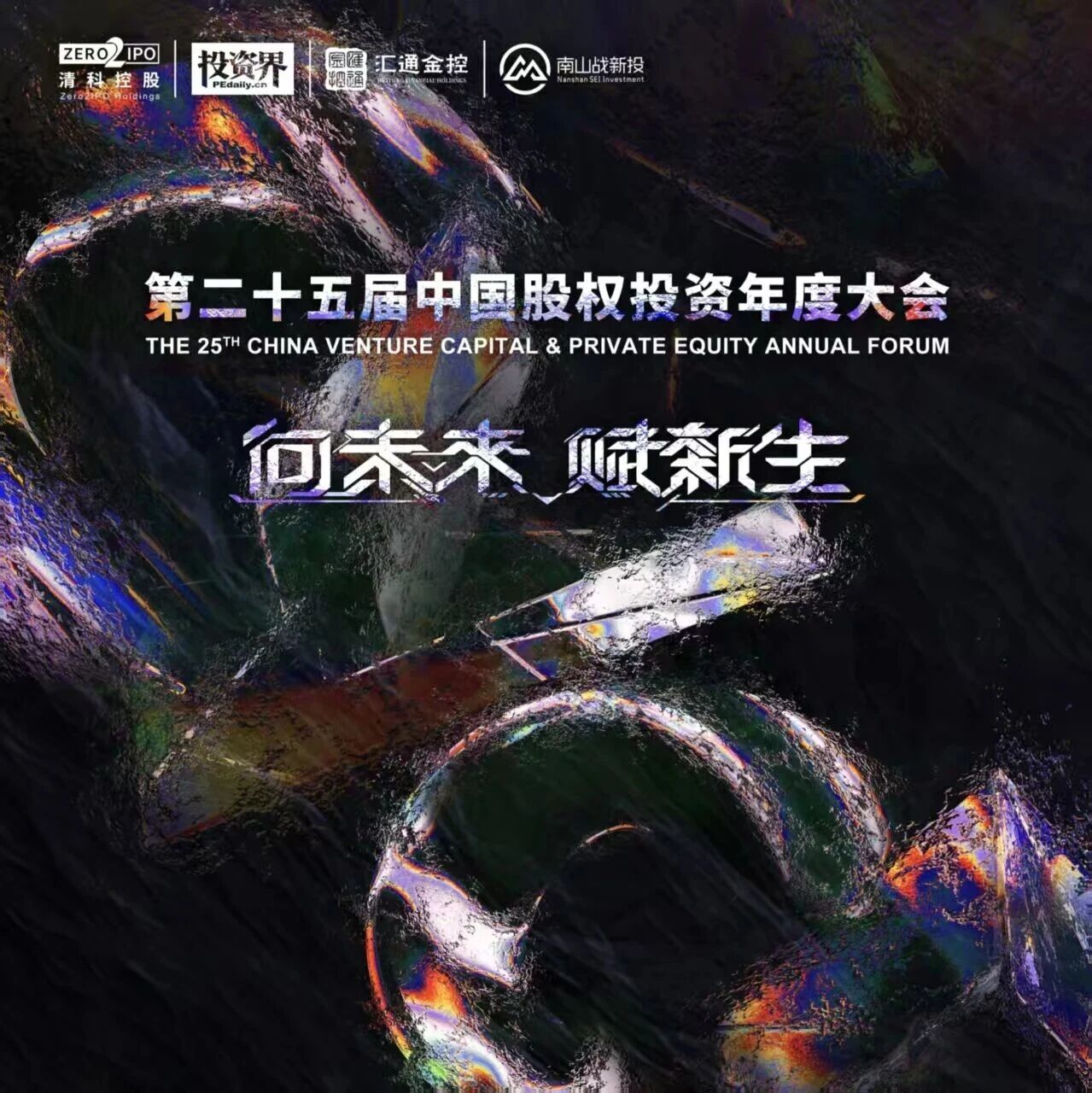
Core Insights - The 25th China Private Equity Annual Conference will be held in Shenzhen from February 2-5, 2025, focusing on innovation in pharmaceuticals and life sciences [2] - The "Innovation Drugs and Life Science Summit" will discuss key advancements in biotechnology, including AI-driven drug development, cell and gene therapy, and medical device innovation [3] Group 1: Event Details - The conference is organized by Qingke Holdings, Investment界, and co-hosted by Huaitong Financial Holdings and Nanshan Zhanxin Investment [2] - A special summit on innovative drugs and life sciences will take place on December 4, featuring discussions on industry trends and investment opportunities [2][3] Group 2: Discussion Topics - Key topics include AI-driven models for next-generation drug development, the new era of innovative medical devices, and collaboration between CXOs and VCs to create a new ecosystem for innovative drugs [5] - Roundtable discussions will feature prominent figures from various sectors, including academia, industry, and investment, providing deep insights into the future of medical investments [7]
近期流感用药需求激增;国家药监局原副局长陈时飞被提起公诉
2 1 Shi Ji Jing Ji Bao Dao· 2025-11-25 02:14
Policy Developments - Shanghai government issued measures to promote high-quality development in the pharmaceutical industry, focusing on key areas such as cell and gene therapy, rare diseases, high-quality first generic drugs, and AI medical devices [2] Drug Approvals - Yipinhong received a drug registration certificate for Levodopa oral solution, aimed at treating mild to moderate Alzheimer's symptoms, with an estimated sales scale of approximately 100.21 million RMB in 2024 [4] - Prolo Pharma obtained a drug registration certificate for Cefdinir dry suspension, which is the first generic drug approved in China for this formulation, with a projected market size of 760 million RMB in 2024 [5] - Haichuang Pharma's HP518 tablet, a PROTAC drug for advanced prostate cancer, received clinical trial approval, with no similar products currently approved in the market [6] Market Activity - Dae Oriental announced plans to transfer 80% of its subsidiary Jinhua Lianji's equity for 1 RMB and related debts for approximately 5.8 million RMB [8] - Jichuan Pharma plans to repurchase shares worth between 25 million and 50 million RMB, with a maximum repurchase price of 38 RMB per share [9] Industry Trends - JD's data indicated a 22-fold year-on-year increase in sales of flu medications during the current flu season, with significant spikes in demand for specific drugs like Oseltamivir and Sufentanil [11] - The respiratory virus testing orders on JD's platform increased by 66%, with a positivity rate of 68.2% [11] Tax Compliance - Shenqi Pharma's subsidiary paid approximately 16.67 million RMB in overdue corporate income tax and penalties [13] Regulatory Issues - Former deputy director of the National Medical Products Administration, Chen Shifei, was arrested for bribery, highlighting ongoing regulatory scrutiny in the pharmaceutical sector [15]