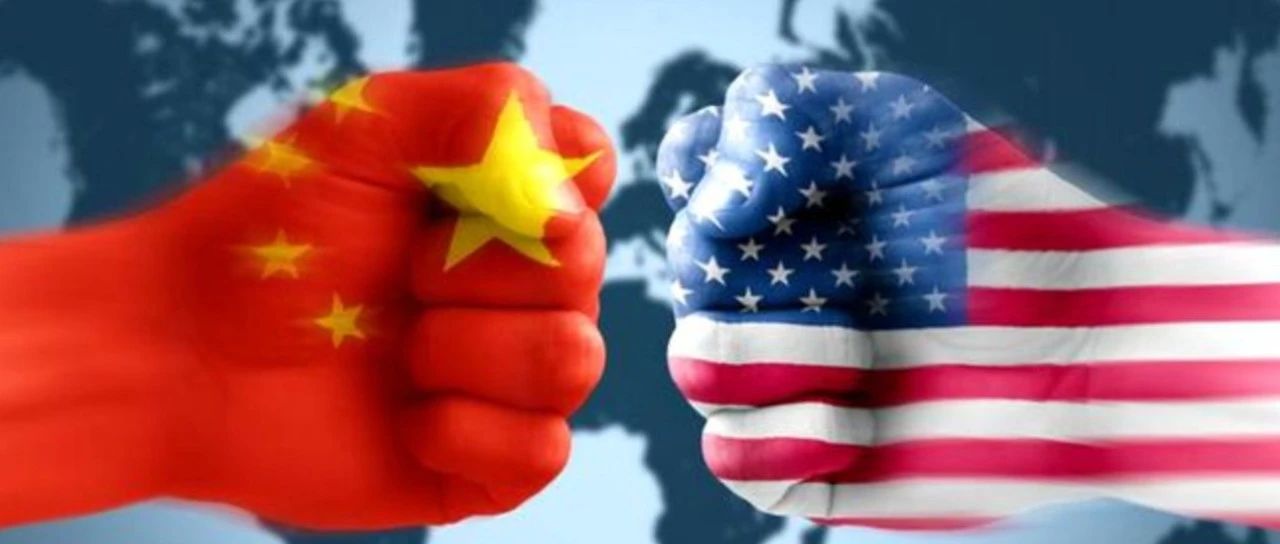
美国制裁

Search documents
短期基本面驱动不强 燃料油期货盘中低位震荡运行
Jin Tou Wang· 2025-09-12 06:06
Core Viewpoint - The domestic futures market for fuel oil shows mixed performance, with a downward trend observed in fuel oil prices, influenced by international oil price fluctuations and supply-demand dynamics [1] Group 1: Market Performance - Fuel oil futures opened at 2765.00 CNY/ton, with intraday fluctuations leading to a high of 2770.00 CNY and a low of 2712.00 CNY, resulting in a decline of 2.58% [1] - The overall market performance for fuel oil is characterized by weak trading conditions and a downward trend [1] Group 2: Supply and Demand Analysis - The International Energy Agency (IEA) has raised its supply forecast for the year, indicating that the increase in supply outpaces demand, leading to a greater market surplus [1] - Concerns regarding the supply side are highlighted, with a focus on high sulfur fuel oil, despite a decrease in Russian exports, as Singapore's inventory reaches record highs [1] Group 3: Strategic Insights - Companies are advised to adopt strategies combining high-position short selling and out-of-the-money call options due to limited rebound potential in the market [1] - Continuous monitoring of geopolitical conflicts and U.S. sanctions is recommended, as these factors could influence fuel oil prices [1] - The market remains attentive to the ample supply of fuel oil, with strategies suggested to exploit the price differential between high and low sulfur fuel oil [1]
1天后,特朗普等来了一个坏消息,印度做出的决定,直戳他肺管子
Sou Hu Cai Jing· 2025-09-02 02:40
Core Viewpoint - India is not only continuing to purchase Russian oil but plans to increase imports by 10% to 20% in September compared to August, despite U.S. sanctions [1][3]. Group 1: India's Oil Import Strategy - The increase in oil imports translates to an additional 150,000 to 300,000 barrels per day [3]. - India's largest buyers of Russian oil have remained silent on the decision to increase purchases, but recent attitudes suggest a strong likelihood of continued imports [5]. - The decision to increase imports is driven by economic benefits, as Russian oil offers significant price advantages during Western sanctions [8]. Group 2: U.S. Sanctions and Political Dynamics - The U.S. recently imposed an additional 25% tariff on India, bringing the total tariff on Indian imports of Russian oil to 50% [3][10]. - Trump's strategy aimed to pressure India into compliance regarding Russian oil imports, but India has chosen to defy this pressure [6][10]. - The U.S. intervention is viewed as a form of domestic interference, highlighting a display of hegemonic behavior [12]. Group 3: Market Implications - The EU plans to lower the price cap on Russian oil to $47.60 per barrel starting September 2, which is 15% below market price, further complicating the dynamics of oil imports [8]. - India's actions may undermine U.S. influence and demonstrate a rejection of external pressures, potentially impacting future geopolitical relations [10][12].

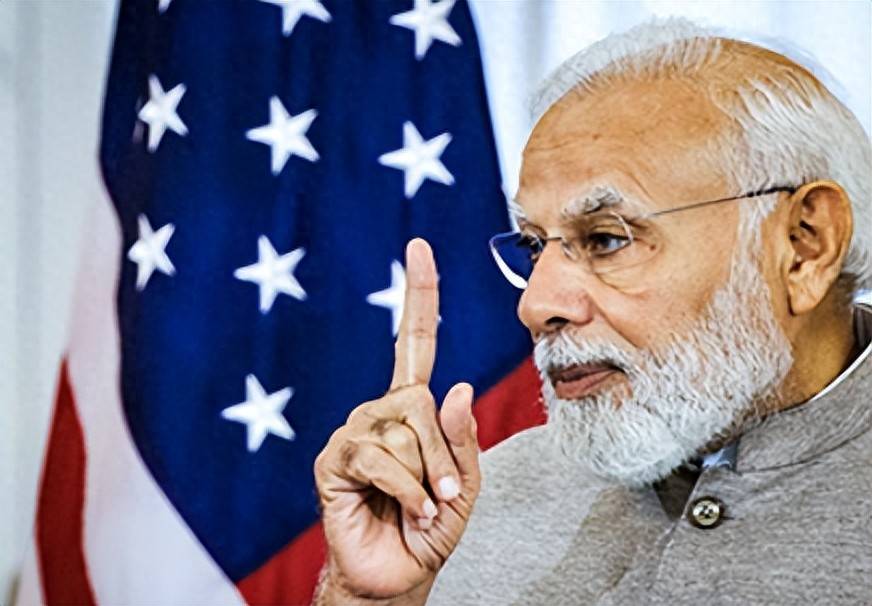
王毅刚见莫迪,美财长就软了,都是买俄油,印度跟中国能一样吗
Sou Hu Cai Jing· 2025-08-21 09:11
Group 1 - Wang Yi's visit to India signifies a potential strengthening of Sino-Indian relations, which could have a profound impact on the global landscape given the combined population of nearly three billion [1][4] - The timing of Wang Yi's visit aligns with Modi's upcoming visit to China, indicating a thaw in the historically tense relations between the two nations [4][11] - The U.S. has imposed significant tariffs on Indian imports, particularly targeting products related to India's dealings with Russia, which could severely impact India's manufacturing sector [7][11] Group 2 - India's GDP growth rate fell to 4.2% in the second quarter, the lowest in three years, prompting the Modi government to seek closer ties with China as a potential solution [11][22] - A series of ten agreements were reached during Wang Yi's visit, including the establishment of expert groups for border management, indicating a shift towards regular communication and conflict resolution [14][20] - Practical measures to build trust were introduced, such as reopening traditional trade markets and sharing hydrological information, which will benefit local communities on both sides of the border [17][20] Group 3 - The strategic positioning of the Sino-Indian border issue was clarified, emphasizing that it should not hinder overall bilateral relations, with a focus on a comprehensive solution based on the 2005 political guidelines [20][24] - U.S. Treasury Secretary Bessent highlighted a fundamental difference in the U.S. stance towards India's and China's oil purchases from Russia, suggesting that India's actions are viewed as more opportunistic [24][31] - India's oil imports from Russia surged from 1% to 42% in recent years, with significant profits being made from refining and reselling this oil to Europe, raising concerns in the U.S. [31][33]
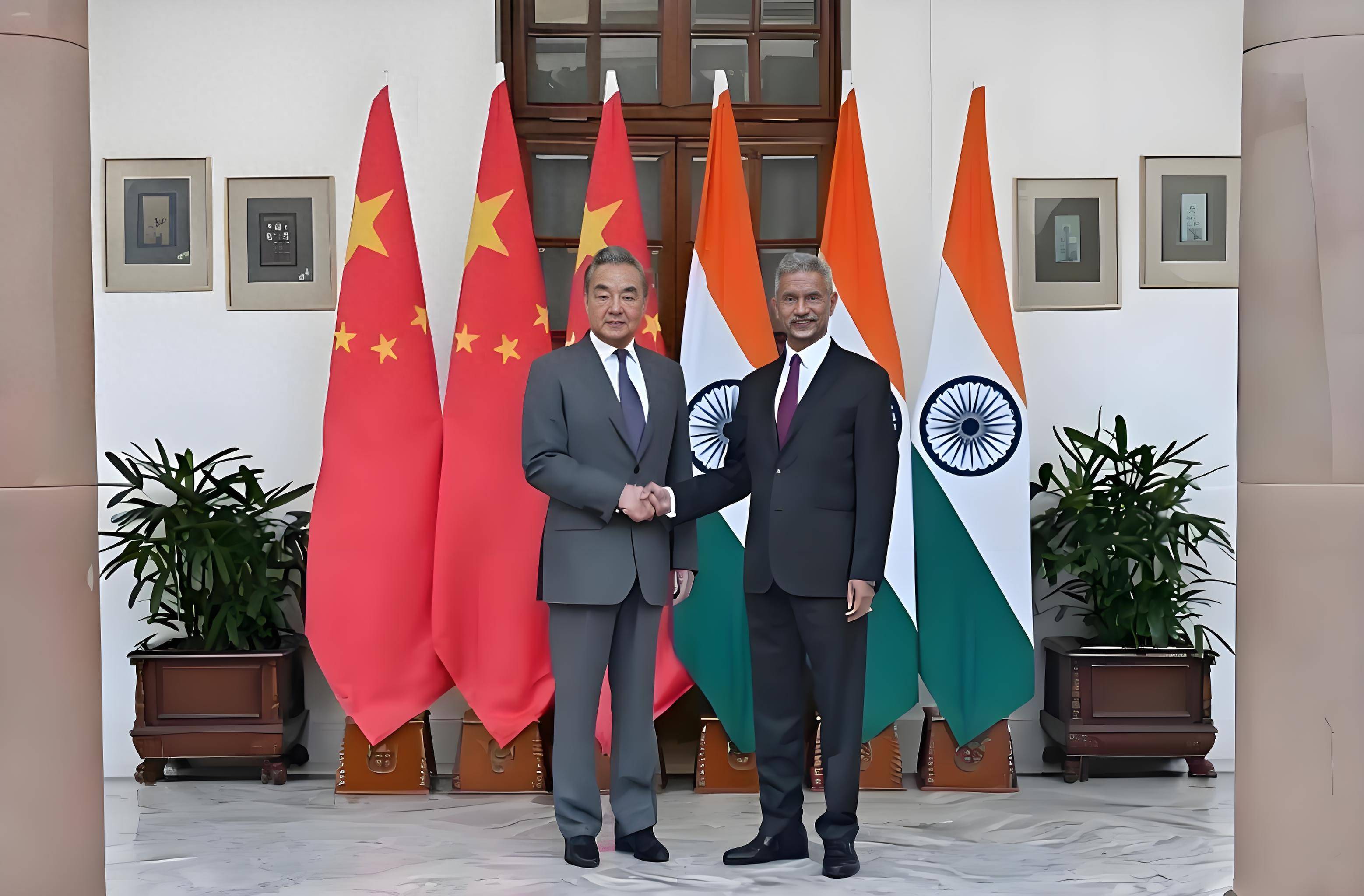
印度狂买俄罗斯石油,莫迪打的啥算盘?
Sou Hu Cai Jing· 2025-08-04 08:27
Core Viewpoint - The article discusses how Trump's recent imposition of a 25% tariff on India and his derogatory remarks about India's status as a major power inadvertently benefit Modi, allowing India to continue purchasing cheap Russian oil, which is crucial for its economy [2][2]. Group 1: Economic Implications - India relies on imports for 90% of its oil, making the acquisition of inexpensive Russian oil essential for its economic stability [2]. - The U.S. sanctions primarily target goods trade, leaving oil imports relatively unaffected, which allows Indian oil companies to adhere to the $60 price cap without facing direct repercussions from the U.S. [2][2]. Group 2: Political Dynamics - Modi's strategy of balancing relations between the U.S. and Russia enables him to maintain support from Russia while not completely alienating the U.S., showcasing a diplomatic maneuvering skill [2]. - The opposition in India is pressuring Modi to take a firmer stance, which aligns with his current actions of increasing Russian oil purchases, providing him with a political escape route [2]. Group 3: Broader Geopolitical Context - The situation presents an unexpected advantage for China, as the U.S. cannot simultaneously confront both India and China, leading to a dilution of sanctions efforts [2]. - The article suggests that Modi's actions may be more opportunistic than patriotic, as other countries, including those in the EU, are also covertly purchasing Russian oil, indicating a shift in priorities towards national interests over adherence to U.S. sanctions [2].

俄罗斯外交部发言人:可能实施的新一轮美国制裁早已不再是新闻。
news flash· 2025-07-17 14:16
Group 1 - The potential new round of U.S. sanctions is no longer considered news by the Russian Foreign Ministry spokesperson [1]
俄罗斯副外长:俄罗斯知道如何应对可能的美国新制裁。
news flash· 2025-07-10 08:52
Core Viewpoint - Russia is prepared to respond to potential new sanctions from the United States, indicating a proactive stance in managing geopolitical risks and economic pressures [1] Group 1 - The Russian Deputy Foreign Minister stated that Russia is aware of how to handle possible new sanctions from the U.S. [1]
美国宣布制裁
第一财经· 2025-07-03 16:20
Group 1 - The U.S. Department of the Treasury's Office of Foreign Assets Control (OFAC) announced sanctions on multiple commercial networks assisting Iranian oil trade on July 3 [1] - The sanctioned entities include companies operated by Iraqi businessmen and vessels involved in the covert transportation of Iranian oil [2] - Additionally, sanctions were imposed on seven senior officials of Hezbollah and an entity related to a financial institution controlled by Hezbollah [2]
美国宣布制裁
中国基金报· 2025-07-03 15:40
Group 1 - The core viewpoint of the article is that the U.S. Treasury Department has imposed sanctions on entities involved in facilitating Iranian oil trade, indicating a continued effort to restrict Iran's oil exports [1] Group 2 - On July 3, the U.S. Treasury's Office of Foreign Assets Control (OFAC) announced sanctions against multiple commercial networks assisting Iranian oil trade [1] - The sanctioned entities include companies operated by Iraqi businessmen and vessels involved in the clandestine transportation of Iranian oil [1] - Additionally, sanctions were imposed on seven senior officials of Hezbollah and an entity related to a financial institution controlled by Hezbollah [1]

美国发布与伊朗石油贸易相关的制裁措施
news flash· 2025-07-03 14:54
Core Viewpoint - The U.S. Department of the Treasury's Office of Foreign Assets Control (OFAC) has imposed sanctions on multiple entities involved in facilitating Iranian oil trade, including companies operated by Iraqi merchants and vessels secretly transporting Iranian oil [1] Group 1: Sanctions on Entities - The sanctions target entities that assist in the oil trade with Iran, specifically those operated by Iraqi businessmen [1] - The sanctions also include vessels that are involved in the covert transportation of Iranian oil [1] Group 2: Sanctions on Individuals and Institutions - Seven senior officials of Hezbollah and an entity related to a financial institution controlled by Hezbollah have also been sanctioned [1]
美国制裁为伊朗国防工业采购敏感机械的实体,涉及中国实体、个人
制裁名单· 2025-06-23 02:59
Group 1 - The U.S. has imposed sanctions on Iran's defense industry, targeting a specific individual and eight entities, and has identified a vessel, SHUN KAI XING, as property subject to freezing [1] - The vessel SHUN KAI XING, flagged in Panama, was transporting sensitive goods to Iran, with RRA and Towse Sanaye Nim Resanaye Tarashe listed as consignees on the bill of lading [1] - Chinese Futech Co Limited has previously exported sensitive proliferation materials directly to Iran-based Rayan Fan Kav Andish [1] Group 2 - Dongguan Zanyin Machinery Equipment Co., Ltd. in China has shipped items intended for RRA [2] - Unico Shipping Co Ltd, based in Hong Kong, has been the legal owner of SHUN KAI XING since April 2024, while V-Shipping PTE LTD from Singapore is the charterer attempting to coordinate shipments to Iran [2] - Shenzhen Xinxin Shipping Co., Ltd. is involved in coordinating shipments to OFAC-designated entities and is aware of the potential sanctions risks associated with their actions [2] Group 3 - Zhang Yanbang, a Chinese citizen, is the captain of SHUN KAI XING, and he is aware that the goods are being sent to Iran [3] - An agent representing Zhang submitted a false bill of lading, omitting RRA and Iran-based Towse Sanaye Nim Resanaye Tarashe as consignees [3]