
国际法

Search documents
欧盟要冻结俄资产,俄外交部强硬回击
Xin Lang Cai Jing· 2025-12-20 03:37
欧盟理事会12日发表声明说,欧盟决定无限期冻结俄罗斯在欧盟的资产。俄罗斯媒体15日报道说,俄罗 斯央行已在莫斯科仲裁法院提起诉讼,向存管大量俄被冻结资产的欧洲清算银行索赔超过18万亿卢布。 扎哈罗娃在俄外交部官网当天发布的答记者问中表示,冻结俄方主权资产、动用其收益以及任何没收这 些资产的企图,都严重违反国际法,违反包括国家主权平等、国家财产豁免权以及不干涉内政等原则。 她说,俄罗斯央行已明确表示准备用一切可用的法律机制来维护自身利益。 扎哈罗娃还说,欧盟成员国决定继续资助乌方,这将延长乌克兰危机。欧盟保留使用俄资产向乌方提供 贷款的"权利",再次展现了欧盟对法律的无视。 来源:新华国际头条 俄罗斯外交部发言人扎哈罗娃19日表示,无论欧盟如何"机关算尽",冻结、没收或使用俄罗斯资产都没 有任何法律依据。任何与俄罗斯资产相关的非法行为都将受到惩罚。 记者:耿辉凰 ...
古特雷斯:呼吁各方通过对话缓解委内瑞拉紧张局势
Yang Shi Xin Wen· 2025-12-19 23:12
当地时间19日,联合国秘书长古特雷斯在回答总台记者关于委内瑞拉局势提问时表示,目前委内瑞拉局 势非常紧张,联合国呼吁各方尊重国际法,并就局势降温展开对话。 (文章来源:央视新闻) ...
美国封锁油轮,委内瑞拉石油储存空间告急,古特雷斯呼吁两国保持克制
Xin Lang Cai Jing· 2025-12-19 16:23
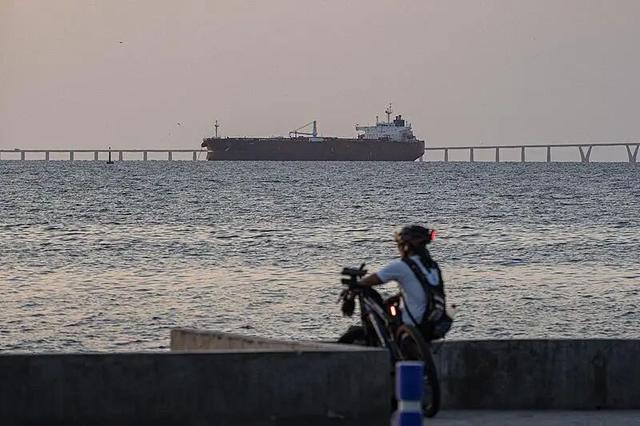
12月17日,联合国秘书长古特雷斯的副发言人哈克表示,古特雷斯呼吁各方保持克制,立即缓和委内瑞 拉紧张局势。 题图 | 视觉中国 哈克当天在记者会上回答媒体提问时说,古特雷斯正在密切关注当前局势,并与相关各方保持沟通,致 力于避免局势进一步升级。古特雷斯呼吁所有利益攸关方履行其在国际法、包括《联合国宪章》和任何 其他适用的法律框架所规定的义务,以维护地区和平。 编辑 | 杜小溪 美国总统特朗普16日在社交媒体发文称,委内瑞拉现政府已被列为"外国恐怖组织",他当天下令对所有 进出委内瑞拉的受制裁油轮实施封锁。委内瑞拉政府表示,美国政府封锁进出委受制裁油轮违反国际 法。 来源 | 新华社 央视新闻 哈克表示,联合国希望相关方避免采取任何升级行动。现阶段,继续开展外交接触并通过对话寻求和平 解决方案至关重要。 同日,央视记者获悉,委内瑞拉主要石油储存设施及码头停泊的油轮正在迅速装满原油,预计在约10天 后达到最大储存上限。上周,委内瑞拉一艘油轮被扣押,再加上美国计划封锁其他受制裁船只,导致委 内瑞拉石油储存能力日益紧张。当地知情人士表示,如果这种情况发生,日产量接近100万桶的委内瑞 拉国家石油公司可能被迫关闭部分 ...

欧盟慎处俄资产黄金T+D高位遇阻
Jin Tou Wang· 2025-12-19 03:08
Group 1 - The core viewpoint of the news highlights the ongoing high-level fluctuations in Shanghai gold T+D prices, trading within the range of 973-976 yuan per gram, indicating a bullish trend despite facing resistance in the 975-978 yuan area due to strong technical pressure and profit-taking demand [1][3] Group 2 - The European Union has refrained from taking aggressive measures against Russian assets, primarily due to concerns about violating international law and the potential impact on financial stability [2] - Direct confiscation of 210 billion euros lacks legal basis and could set a negative precedent, as warned by European Central Bank President Christine Lagarde, who emphasized the importance of respecting international law [2] - Utilizing these assets is viewed as short-sighted, risking global investor confidence in Europe and threatening the euro's status as a reserve currency [2] - Russia's countermeasures are a concern, with the Russian central bank filing a lawsuit against European clearing banks, indicating readiness to seize Western assets in Russia as compensation, which could lead to a situation where European assets in Russian banks and enterprises become unrecoverable [2]
委内瑞拉就美方施压向联合国求援,古特雷斯:将协助推动局势降温
Huan Qiu Shi Bao· 2025-12-18 23:01
另据新华社报道,中共中央政治局委员、外交部长王毅17日应约同委内瑞拉外长希尔通电话。希尔通报了当前委内瑞拉国内形势,强调委内瑞拉 政府和人民将坚定捍卫国家的主权和独立,坚定维护自身的合法权利,不会接受任何强权霸凌的威胁。王毅表示,中国和委内瑞拉是战略伙伴, 相互信任、相互支持是中委关系的传统。中方反对一切单边霸凌行径,支持各国捍卫自身主权和民族尊严。委内瑞拉有权利自主发展同其他国家 的互利合作,相信国际社会理解和支持委内瑞拉维护自身正当权益的立场。 美国近期以"缉毒"为由,在委内瑞拉附近加勒比海域部署多艘军舰,并于11月13日宣布发起"南方之矛"军事行动,对委施压。12月17日,美军南 方司令部在其官网上发布了美军最新的一次打击行动。消息说,"南方之矛"联合特遣部队当天在国际水域对一艘"被认定为恐怖组织的船只"实施 打击,打死船上4人。 【环球时报驻美国特约记者 杨征 环球时报记者 杜天琦】委内瑞拉总统马杜罗17日与联合国秘书长古特雷斯通电话,他表示,联合国必须坚决抵 制美国政府对委内瑞拉的威胁言论,因为美方行为直接威胁委内瑞拉主权、国际法与和平。据西班牙埃菲社18日报道,委内瑞拉外交部长希尔经 由社交媒体发 ...
视频丨委内瑞拉致函联合国安理会 要求开会讨论美对委持续侵略
Yang Shi Xin Wen Ke Hu Duan· 2025-12-18 05:55
Core Viewpoint - Venezuela's Foreign Ministry has requested the United Nations Security Council to convene a meeting to discuss what it describes as "the ongoing aggression by the United States against Venezuela" [1][3]. Group 1 - Venezuela claims that no other foreign leaders have attempted to invade its resources and territory in its history, accusing U.S. President Trump of violating its sovereignty and undermining its territorial integrity and political independence [3]. - The letter emphasizes that the U.S. is exacerbating international relations chaos and calls on the UN Security Council to prevent such actions [3]. - A UN diplomat indicated that the Security Council may hold a related meeting on the 23rd [4]. Group 2 - UN Secretary-General Antonio Guterres is closely monitoring the situation and is in communication with relevant parties to prevent further escalation [7]. - Guterres has urged all stakeholders to fulfill their obligations under international law, including the UN Charter, to maintain regional peace [7].
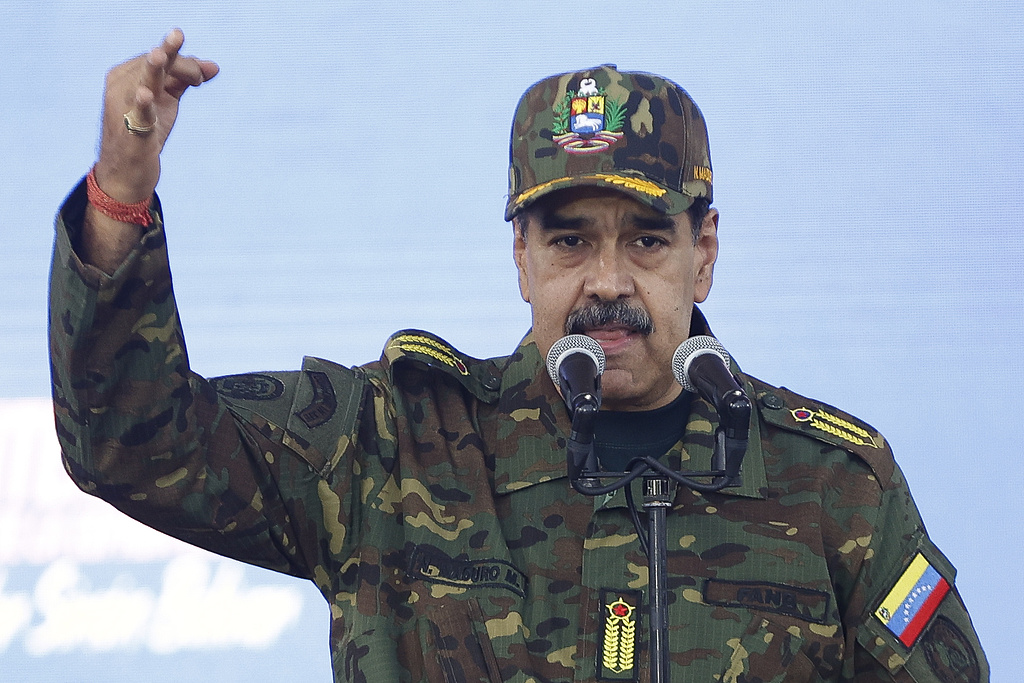
马杜罗:联合国须抵制美国对委威胁言论
Xin Hua She· 2025-12-18 00:34
Group 1 - Venezuelan President Maduro emphasized the need for the United Nations to resist U.S. threats against Venezuela, claiming these actions threaten the country's sovereignty and international law [1] - Maduro condemned U.S. President Trump's colonial rhetoric and the assertion by White House Deputy Chief of Staff Stephen Miller that Venezuela's oil industry belongs to the U.S. [1] - The Venezuelan government reported that the country is facing a political, diplomatic, and economic blockade from the U.S., which includes a campaign filled with lies and military threats [1] Group 2 - The U.S. recently seized a tanker near Venezuela, announcing the confiscation of its oil, which Venezuela labeled as "acts of international piracy" [2] - Trump ordered a comprehensive blockade on all oil tankers entering or leaving Venezuela, designating Maduro's government as a "foreign terrorist organization" [2] - The U.S. has deployed several warships in the Caribbean Sea near Venezuela under the pretext of anti-drug operations, increasing military pressure on the country [2]
联合国秘书长呼吁立即缓和美委紧张局势
Zhong Guo Xin Wen Wang· 2025-12-18 00:11
联合国秘书长呼吁立即缓和美委紧张局势 中新社联合国12月17日电 联合国秘书长古特雷斯的副发言人哈克17日表示,古特雷斯对美国与委内瑞 拉之间紧张局势的关注重点在于避免事态进一步升级,他呼吁各方保持克制,立即缓和紧张局势。 当天,有媒体在记者会上就美国对所有进出委内瑞拉的受制裁油轮实施封锁一事提问,哈克回答说,古 特雷斯正密切关注当前局势,并与相关各方保持沟通,呼吁所有利益攸关方履行其在国际法、包括《联 合国宪章》和任何其他适用的法律框架所规定的义务。 来源:中国新闻网 编辑:郭晋嘉 广告等商务合作,请点击这里 本文为转载内容,授权事宜请联系原著作权人 中新经纬版权所有,未经书面授权,任何单位及个人不得转载、摘编或以其它方式使用。 关注中新经纬微信公众号(微信搜索"中新经纬"或"jwview"),看更多精彩财经资讯。 被问及委内瑞拉向联合国提交照会指控美国行为违反国际法,哈克说,这一问题需要由安理会进行审 议。 哈克表示,联合国希望相关各方避免采取任何升级行动。现阶段,继续开展外交接触并通过对话寻求和 平解决方案至关重要。(完) ...
把政府定性“恐怖组织”,对油轮实施全面封锁,委内瑞拉投诉美国“海盗行径”
Huan Qiu Shi Bao· 2025-12-17 23:04
Core Viewpoint - The U.S. government, led by President Trump, has declared the Venezuelan government a "foreign terrorist organization" and ordered a comprehensive blockade on sanctioned oil tankers entering or leaving Venezuela, raising concerns about international law violations and potential military actions [1][3][4]. Group 1: U.S. Actions and Statements - President Trump stated that Venezuela is surrounded by the largest fleet in South American history, threatening unprecedented impacts until Venezuela returns assets allegedly "stolen" from the U.S. [3] - The U.S. has deployed multiple naval vessels in the Caribbean under the pretext of anti-drug operations, with plans to intercept Venezuelan oil tankers [3][4]. - The declaration of Venezuela as a "foreign terrorist organization" provides a pretext for potential military action and facilitates sanctions against vessels carrying Venezuelan oil [4]. Group 2: Venezuelan Government's Response - The Venezuelan government condemned the U.S. blockade as a "completely irrational" act aimed at stealing national wealth [4]. - Venezuelan officials have filed a complaint with the United Nations Security Council, labeling the U.S. actions as acts of piracy and violations of international law [1][6]. Group 3: International Reactions - The Cuban government expressed strong support for Venezuela, condemning U.S. actions as aggressive and a violation of international law [5]. - Venezuela's representative to the UN urged the Security Council to denounce the U.S. for its seizure of oil tankers and the alleged kidnapping of crew members [6].
古特雷斯呼吁缓和委内瑞拉紧张局势
Xin Hua She· 2025-12-17 22:40
Core Points - The UN Secretary-General Antonio Guterres calls for restraint and immediate de-escalation of tensions in Venezuela [1] - Guterres is closely monitoring the situation and is in communication with relevant parties to prevent further escalation [1] - The UN emphasizes the importance of diplomatic engagement and dialogue for a peaceful resolution [1] Summary by Relevant Sections - **UN Position**: Guterres urges all stakeholders to fulfill their obligations under international law, including the UN Charter, to maintain regional peace [1] - **US Actions**: President Trump has designated the current Venezuelan government as a "foreign terrorist organization" and ordered a blockade on sanctioned oil tankers entering or leaving Venezuela [1] - **Venezuelan Response**: The Venezuelan government claims that the US blockade violates international law [1]