中式美学

Search documents
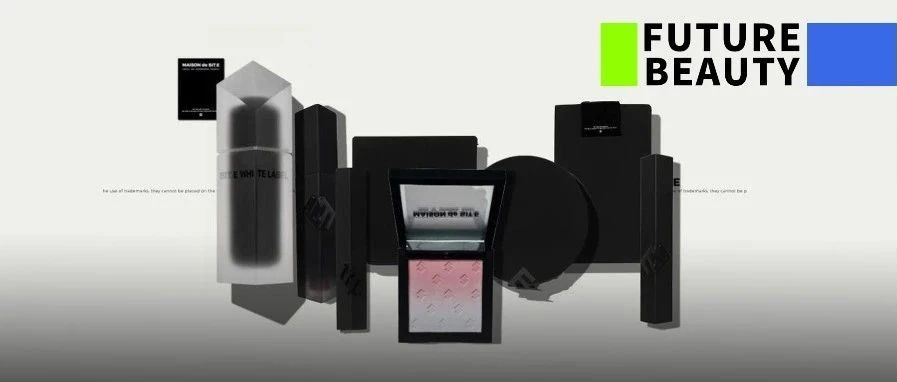
专访 | 反叛者MAISON de SIT.E,如何挑战“中国高端美妆”?
FBeauty未来迹· 2025-05-28 10:41
Core Viewpoint - MAISON d e SIT.E aims to redefine the high-end beauty market in China by integrating fashion and beauty, drawing inspiration from diverse cultural elements while positioning itself as a unique brand that challenges the status quo of international beauty brands [2][11]. Group 1: Brand Identity and Philosophy - MAISON d e SIT.E is characterized as a "functional beauty" brand that seeks to merge rebelliousness with professionalism, aspiring to become the next "Mao Geping" without merely replicating existing models [2]. - The brand emphasizes a narrative that intertwines fashion and beauty, showcasing a distinct aesthetic that reflects Mongolian culture and other cultural influences [3][11]. - The brand's philosophy revolves around the idea that beauty transcends mere facial aesthetics, embodying a three-dimensional emotional expression [5]. Group 2: Product Development and Innovation - MAISON d e SIT.E's product line is designed with a focus on texture and user experience, collaborating with a Japanese company to create unique skin feel experiences such as "silk marble ice sensation" and "chiffon glutinous rice mud" [8]. - The brand encourages a hands-on approach to makeup application, allowing users to apply products without the need for brushes, thus catering to the needs of mature consumers who seek efficiency and quality [9][10]. - The introduction of innovative products like the "freckle cushion" and "no-size foundation" reflects the brand's commitment to breaking traditional beauty norms and addressing diverse consumer needs [22][23]. Group 3: Cultural Integration and Globalization - MAISON d e SIT.E aims to present Chinese culture in a way that resonates globally, deconstructing traditional cultural symbols and reinterpreting them for a modern audience [11][13]. - The brand's use of non-heritage cultural elements, such as the "female script" and Mongolian craftsmanship, highlights its dedication to showcasing a new narrative of Chinese aesthetics [13][15]. - By entering high-end retail channels like Sephora, MAISON d e SIT.E is positioning itself for global expansion while maintaining its unique cultural identity [15]. Group 4: Market Positioning and Consumer Engagement - The brand targets women over 30 who are disillusioned with conventional beauty marketing, offering products that emphasize quality and emotional value rather than superficial trends [8][10]. - MAISON d e SIT.E actively engages with consumer feedback, addressing concerns directly and adapting products to meet the needs of its audience, thus fostering a transparent relationship with its customers [9][10]. - The brand's approach to inclusivity in model selection and marketing challenges traditional beauty standards, promoting a diverse representation that resonates with contemporary societal values [19][20].

这款“滨江造”游戏 预热视频播放量超2000万次
Hang Zhou Ri Bao· 2025-05-20 02:42
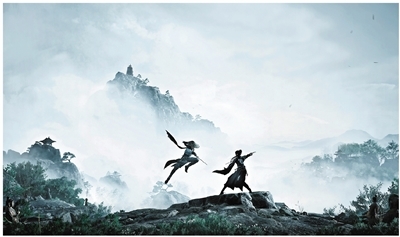
Core Insights - The article highlights the growth of the animation and gaming industry in Hangzhou, particularly through the upcoming 21st China International Animation Festival, which showcases the evolution of local companies and their contributions to cultural storytelling [2] Group 1: Industry Development - The animation and gaming industry in Hangzhou has experienced significant growth since the inception of the China International Animation Festival in 2005, evolving from small beginnings to a robust sector [2] - The festival serves as a platform for local creators to share their works and explore the creative processes behind successful projects, emphasizing the importance of policy, technology, talent, and cultural heritage in driving industry growth [2] Group 2: Game Launch and Features - The open-world martial arts game "Yan Yun Shi Liu Sheng" has initiated its "going global" strategy, gaining popularity among international players with over 20 million views on promotional videos across overseas platforms [3] - The game is set in historical China, specifically during the Five Dynasties and Ten Kingdoms to the early Song Dynasty, and features meticulously designed environments that reflect historical accuracy, drawing inspiration from ancient texts and artworks [3][4] Group 3: Cultural Representation - The game aims to convey cultural symbols through its gameplay, focusing on creating a global narrative that resonates with players, while also encouraging overseas players to learn about Chinese history and martial arts [5] - The developers emphasize that cultural dissemination should be based on understanding and resonance, ensuring that the cultural elements presented in the game are both accurate and easily comprehensible to a global audience [5]
文博日历丨何为影青?这抹中式“薄荷曼波”好清新~
Yang Shi Xin Wen· 2025-05-13 02:09
Core Viewpoint - The article highlights the introduction of a new cultural and educational product, "Wenbo E," in collaboration with museums across the country, aimed at enhancing public engagement with cultural heritage through daily interactions with artifacts [1]. Group 1: Product Introduction - "Wenbo E" is a cultural science product that allows users to learn about a different artifact each day and provides a one-click reservation feature for museum visits [1]. Group 2: Artifact Highlight - The featured artifact is the "Yingqing Chrysanthemum Petal Pattern Jar" from the Song Dynasty, measuring 4.8 cm in diameter and 8.3 cm in height, housed in the Nanhai Museum of China (Hainan) [2][10]. Group 3: Aesthetic Description - The jar is described as embodying the beauty of "Yingqing" porcelain, characterized by its thin, translucent quality and a glaze that appears between blue and white, often referred to as "fake jade" [17][14]. - The design features raised chrysanthemum petal patterns, symbolizing a blooming flower, and reflects the Song Dynasty's aesthetic principles of simplicity and elegance [16][19]. Group 4: Cultural Significance - The article emphasizes the historical appreciation of the color blue in Chinese culture, linking it to various forms of artistic expression, including ceramics and literature, showcasing the enduring legacy of blue porcelain [25][21].
南财观察|突围与新生:我在佛山陶博会看到了中国陶瓷行业的韧性
2 1 Shi Ji Jing Ji Bao Dao· 2025-04-27 10:25
Core Insights - The 42nd Foshan Ceramic Fair has become a significant platform for product launches, technology exchanges, and trade negotiations, showcasing the strength of China's ceramic supply chain and its role in the global ceramic value chain [1][3] - The fair highlights the resilience of the Chinese ceramic industry, which is adapting to market demands for innovation and cultural expression, particularly in the context of international trade challenges [2][4] Industry Trends - The ceramic industry is witnessing a shift from functional building materials to products that express home aesthetics, integrate smart living, and serve as carriers of cultural heritage [3][9] - The demand for personalized and intelligent products is driving companies to increase R&D investments, leading to a projected industry output value of 1.2 trillion yuan in 2024, with a year-on-year growth of 5.3% [6][9] Market Opportunities - Urban renewal, rural revitalization, and housing renovation policies are providing new growth momentum for the ceramic industry, with over 60,000 urban renewal projects expected in 2024, potentially creating a market worth 4 trillion yuan [7][8] - The Foshan Ceramic Fair has set up forums to discuss urban renewal trends, indicating a strategic focus on adapting to the changing market landscape [7][12] Product Innovations - New products showcased include graphene-infused tiles and antibacterial ceramics, with the latter achieving over 99.99% efficacy against certain bacteria [5][6] - The introduction of eco-friendly materials and technologies, such as ecological stone and modular installation systems, reflects a broader industry trend towards sustainability and low-carbon solutions [8][9] International Market Expansion - The fair has facilitated connections between Chinese ceramic companies and international markets, particularly through initiatives targeting RCEP countries and Eastern European markets [12][13] - The theme of "innovation" at the fair underscores the industry's efforts to navigate trade barriers and enhance competitiveness in the global market [11][13]
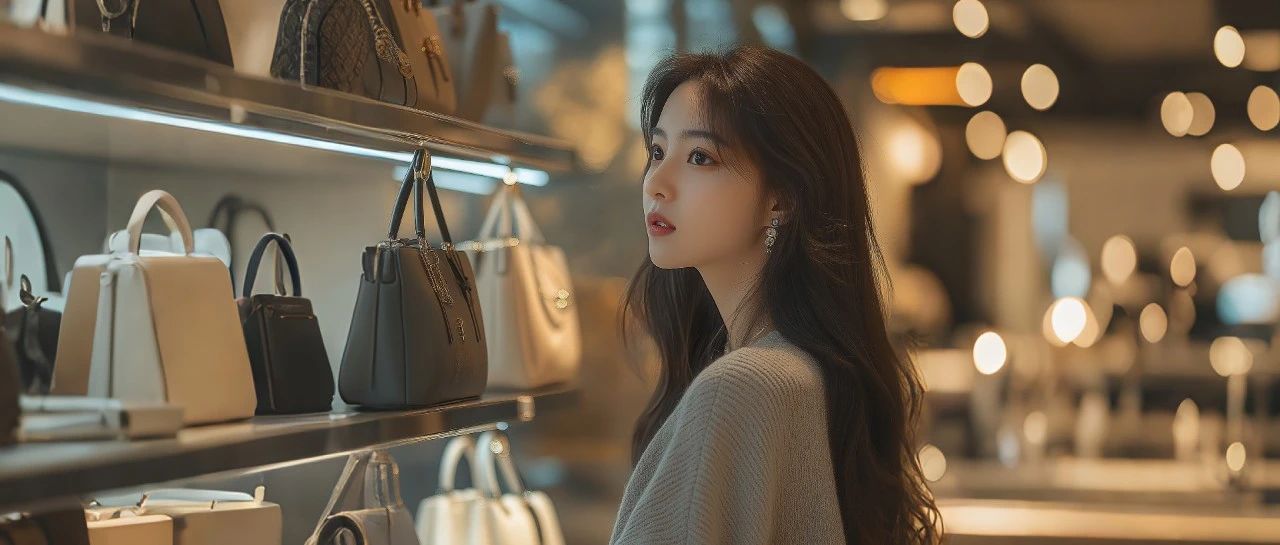
国产“爱马仕”,拿下一线贵妇
创业邦· 2025-04-02 10:29
Core Viewpoint - The article discusses the rise of domestic women's bag brands in China, particularly those priced over 1,000 yuan, which are gaining popularity and competing with international luxury brands. The brands are successfully repositioning themselves as high-end products through effective marketing and product quality improvements [8][51]. Group 1: Market Performance - Domestic women's bag brands are increasingly visible in major urban areas, with long queues forming at stores like Shanxiaoyousong and Duanmu Liangjin [5][6]. - Data from Cheetah Data indicates that in February 2025, seven domestic brands ranked among the top 15 in sales on Tmall for women's bags priced over 1,000 yuan, competing directly with luxury brands like YSL and Gucci [12][13]. - The average transaction price for these domestic brands typically falls within the 1,000-2,000 yuan range, with some brands exceeding 2,000 yuan [15]. Group 2: Price Trends - The average price of domestic women's bags has been steadily increasing over the past few years, with brands like Bampo Shizu and Shanshuijiji seeing price increases of nearly three times [20][21]. - Shanxiaoyousong's average price rose from 1,658.6 yuan to 2,213 yuan, while Gele's increased from 2,487.4 yuan to 2,807.8 yuan [21]. Group 3: Brand Positioning and Marketing Strategies - Domestic brands are enhancing their high-end image by collaborating with international designers and participating in fashion events, such as Shanxiaoyousong's exhibition during Paris Fashion Week [27][28]. - Brands are also focusing on storytelling and cultural narratives to create a strong brand identity, which helps justify their price increases [24][28]. - The shift to physical retail locations in high-end shopping districts is crucial for these brands to establish a premium presence and enhance customer experience [29][30]. Group 4: Consumer Insights - Consumers are drawn to these domestic brands for their aesthetic appeal and practicality, with popular styles like HOBO bags meeting both criteria [40][44]. - The pursuit of value for money is a significant factor, as consumers appreciate the craftsmanship and unique designs offered by these brands compared to traditional luxury options [45]. - The bags serve as identity markers for consumers, allowing them to express their personal style and social status [46][47]. Group 5: Industry Context - The domestic women's bag market has historically been polarized, with low-cost options dominating and luxury brands occupying the high end. The emergence of mid-range domestic brands fills a previously empty niche [51][52]. - As these brands enter the 1,000 yuan market, they face scrutiny regarding quality and design, which will be critical for maintaining consumer trust and justifying price increases [53].