
新型研究型大学

Search documents
8所新型研究型大学,凭什么冲击985名校
21世纪经济报道· 2025-07-30 13:41
Core Viewpoint - The emergence of new research-oriented universities in China is reshaping the landscape of higher education, attracting high-scoring students and challenging traditional 985 universities [1][2][5]. Group 1: New Research-Oriented Universities - Eight new research-oriented universities have been established in China, including Southern University of Science and Technology, ShanghaiTech University, and others, with some like Fuyou University and Ningbo Oriental University recently enrolling their first undergraduate students [1][2]. - These universities have shown impressive admission scores, with some surpassing traditional 985 universities in terms of minimum admission scores [2][5]. Group 2: Admission Performance - New research-oriented universities have successfully attracted high-scoring candidates, with institutions like Westlake University and Fuyou University recording minimum scores that are competitive with top-tier universities [5][6]. - In Guangdong, Southern University of Science and Technology and Shenzhen University of Technology have achieved high admission scores, surpassing established universities like Sun Yat-sen University [7]. Group 3: Educational Approach - New research-oriented universities emphasize a "small but elite" model, focusing on popular and emerging fields of study, which influences their admission performance [10]. - Institutions like Shenzhen University of Technology implement innovative educational models, allowing students to engage in research from the first semester and spend significant time in laboratories [14][15]. Group 4: Industry Collaboration - New research-oriented universities are actively engaging in industry collaboration, with Fuyou University and Ningbo Oriental University partnering with major companies to enhance their educational offerings and research capabilities [18][19]. - The focus on practical engineering skills is evident, with a strong emphasis on producing graduates who are ready to tackle real-world challenges in the industry [20].


高考风向变了!新型研究型大学“八小龙”,搅了985名校的局
2 1 Shi Ji Jing Ji Bao Dao· 2025-07-30 11:31
Group 1 - The emergence of new research-oriented universities in China is reshaping the higher education landscape, attracting high-scoring students and challenging traditional 985 universities [1][2][3] - New research universities such as Fuyou University and Ningbo Oriental University have successfully enrolled high-achieving students, with Fuyou University achieving a minimum score of 658 in Henan province [2][3] - The competitive admission scores of these new universities indicate a shift in student preferences, with some new institutions surpassing established universities in terms of admission scores [5][6] Group 2 - New research universities are characterized by their small and specialized nature, focusing on popular and emerging fields, which contributes to their appeal among high-scoring candidates [7] - The innovative educational approaches of these universities, including early laboratory access and research opportunities, enhance student engagement and practical experience [9][10] - Partnerships with industry leaders, such as Fuyou University collaborating with major automotive companies, facilitate a strong connection between education and industry needs [12][14] Group 3 - The establishment of national-level engineering colleges and innovation research institutes aims to align talent development with regional industrial needs, further integrating education with practical applications [13] - The focus on producing innovative and entrepreneurial talent is evident in the educational strategies of these new universities, which emphasize hands-on experience and real-world problem-solving [14]
围绕国家发展所需 培养拔尖创新人才
Ke Ji Ri Bao· 2025-07-28 01:01
Core Viewpoint - The emergence of new research-oriented universities in China, such as Ningbo Oriental University of Technology, is aimed at cultivating top innovative talents to meet national development needs [2][4]. Group 1: Characteristics of New Research-Oriented Universities - New research-oriented universities are characterized by being small yet specialized, having a high starting point, being internationalized, and focusing on innovation and entrepreneurship [2][3]. - These universities have developed in response to the upgrading of national development strategies, the commercialization and marketization of higher education, and changes in the international educational environment [2][3]. Group 2: Educational Approach and Curriculum - New research-oriented universities emphasize a research-based approach to education, aligning closely with market development needs and focusing on technology innovation [4]. - For instance, Ningbo Oriental University of Technology offers a flexible curriculum where students can choose their majors after the first year, promoting interdisciplinary learning and creativity [4][5]. - The universities also incorporate a dual mentorship system, providing both general education and specialized academic guidance to enhance students' overall development [4][5]. Group 3: Economic and Social Impact - New research-oriented universities possess strong economic foundations and favorable working environments, which help attract high-end talent and foster entrepreneurship among academic staff and graduates [6]. - The establishment of these universities addresses the imbalance in the supply and demand for high-quality applied talents in China, as more high-scoring students are choosing universities based on personal interests and career prospects rather than solely on prestige [6].
越来越多考生不再追求名校光环
第一财经· 2025-07-27 11:14
Core Viewpoint - The article highlights a shift in the mindset of students and parents regarding college admissions, with an increasing focus on professional prospects and job security over traditional prestige associated with top universities [1][2][3]. Group 1: Admission Trends - The admission scores for Fuyao University have surpassed those of several prestigious 985 universities in multiple provinces, indicating a growing recognition of new institutions [1][4]. - In Jiangsu Province, the Shanghai Customs College's lowest admission score in the physics category was 657, which exceeded many 985 universities, reflecting a trend towards practical and employment-oriented education [2][4]. - The admission dynamics show that even top-tier universities like Peking University are experiencing a decline in desirability among some high-scoring students, who are opting for other institutions with more appealing programs [2][3]. Group 2: Changing Student Preferences - High-scoring students are increasingly prioritizing their interests and career development over the allure of prestigious institutions, leading to a more rational approach in selecting universities [3][4]. - The emergence of new research-oriented universities with clear positioning and alignment with market needs is fostering healthy competition among higher education institutions [4]. - The article emphasizes that the evolving choices of students reflect broader economic and social developments, including the influence of technology and the job market on educational decisions [3][4].

福耀科技大学50人招录完成,自称“小白鼠”的636分考生收到录取通知书,5省份投档线均超610分
第一财经· 2025-07-24 15:59
Core Viewpoint - The article highlights the successful first undergraduate enrollment of Fujian Fuyou University, attracting attention and recognition from students and parents, with a focus on integrating education with production and research [1][4]. Enrollment Details - Fujian Fuyou University has enrolled 50 undergraduate students from five provinces, with the highest admission scores exceeding 610 points across all regions [4]. - The highest scores for admission in various provinces include 683 in Henan, 657 in Fujian, 640 in Jiangxi, 635 in Guangxi, and 649 in Hunan, indicating competitive admission standards [4]. Institutional Philosophy - The university emphasizes a philosophy of "everything for students," aiming to cultivate innovative talents with social responsibility and a global perspective [5]. - The institution's approach is to combine research with practical production, preparing students to contribute directly to societal needs [1][5]. Comparison with Other New Universities - Other newly established research-oriented universities, such as Ningbo Dongfang University and Greater Bay Area University, have also seen strong enrollment results, with admission scores comparable to established 985 universities [5][6]. - The emergence of these new universities reflects a trend of rapid development in China's higher education landscape, characterized by high investment and a focus on cutting-edge fields [6][7]. Educational Trends - The article notes that traditional universities are also adapting by innovating their curriculum and talent cultivation models to compete with new institutions [7][8]. - Examples include the establishment of specialized colleges at Wuhan University and Tianjin University, focusing on interdisciplinary studies and emerging fields [8][9].
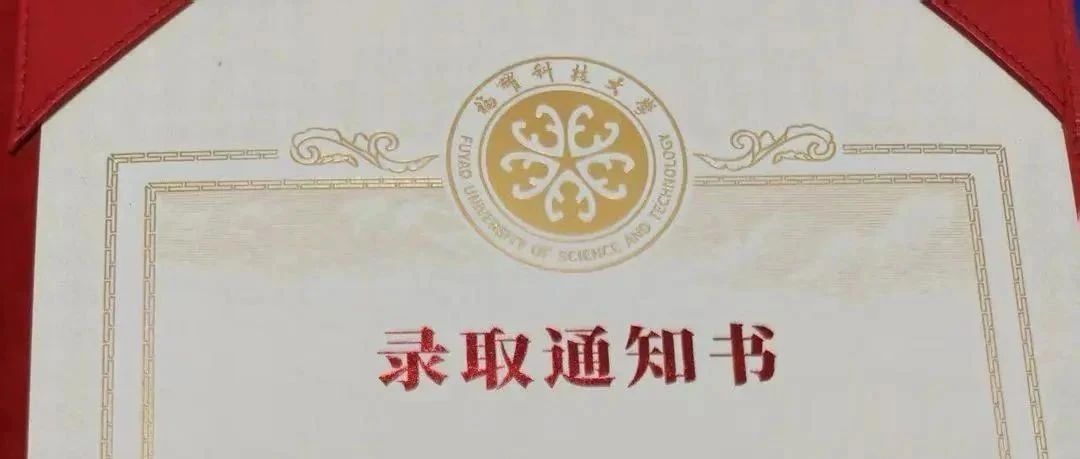
福耀科技大学5省份投档线均超610分,新型大学快速崛起带来了什么?
Di Yi Cai Jing· 2025-07-24 09:35
Group 1 - The rise of new research-oriented universities is accompanied by traditional prestigious institutions accelerating their adjustments in departments and talent cultivation models, increasing investments in emerging disciplines and key areas [1][6] - Fujian Fuyou University has successfully completed its first undergraduate admissions, attracting attention and recognition, with a total of 50 students enrolled from five provinces, achieving admission scores above 610 in all regions [2][3] - The admission scores of Fujian Fuyou University have surpassed those of several 985 and 211 universities in multiple provinces, indicating its competitive standing in the higher education landscape [3][4] Group 2 - Other new research-oriented universities, such as Ningbo Oriental University of Technology and Greater Bay Area University, also reported successful admissions, with scores comparable to top 985 institutions [3][4] - West Lake University has expanded its admissions to provinces outside Zhejiang, achieving competitive scores in both Henan and Chongqing, reflecting the growing prominence of new research universities [4] - The rapid development of new research-oriented universities is characterized by high starting points, significant investments, and a focus on research, aiming to redefine knowledge production and educational ecosystems [4][5] Group 3 - The emergence of these new universities has created a "catalyst effect," encouraging traditional institutions to innovate in their academic offerings and talent training models [6] - Traditional universities, such as Wuhan University and Tianjin University, are establishing new interdisciplinary programs and innovative talent cultivation plans to adapt to the evolving educational landscape [6][7] - Tianjin University is implementing a new engineering leadership program aimed at breaking traditional boundaries in education and focusing on strategic emerging fields, with plans to develop specific training directions by 2025 [7]
多个“新大学”首年招生分数线直超985高校,原因何在
第一财经· 2025-07-22 10:50
Core Viewpoint - The emergence of new research-oriented universities in China, such as Fujian Fuyao University, Ningbo Oriental Institute of Technology, and Greater Bay Area University, has led to high admission scores comparable to or exceeding those of established 985 universities, indicating a shift in higher education dynamics in the country [1][2][3]. Group 1: Admission Scores and Trends - Fujian Fuyao University achieved a minimum admission score of 616 in Guangxi, surpassing several 985 universities [1] - Ningbo Oriental Institute of Technology's admission score was 656, also exceeding multiple 985 institutions [2] - Greater Bay Area University had a minimum score of 622, just below Sun Yat-sen University and equal to South China University of Technology [2] Group 2: Characteristics of New Universities - New research-oriented universities are characterized by high starting points, significant investment, and a focus on specialized, cutting-edge disciplines [2][3] - These institutions often have strong faculty, including numerous academicians and renowned experts, contributing to their high admission scores [2][3] - The educational model emphasizes a streamlined pathway from undergraduate to doctoral studies, reducing competition and anxiety among students [3] Group 3: Graduate Outcomes - Graduates from new research-oriented universities tend to have high rates of further education, with ShanghaiTech University reporting a 90.4% overall employment and further education rate [4] - The focused nature of these universities allows them to attract high-caliber students, as evidenced by their admission scores surpassing those of less popular programs at 985 universities [4]

招生第一年,这些“新大学”分数线超过985高校,原因何在
Di Yi Cai Jing· 2025-07-22 10:33
Core Insights - New research-oriented universities in China, such as Fujian Fuyou University, Ningbo Oriental Institute of Technology, and Greater Bay Area University, have recorded admission scores comparable to or exceeding those of established 985 universities [1][2] Group 1: Admission Scores - Fujian Fuyou University achieved a minimum admission score of 616 in Guangxi, surpassing several 985 universities [1] - Ningbo Oriental Institute of Technology's admission score was 656, placing it above many 985 institutions [1] - Greater Bay Area University had a minimum score of 622, just below Sun Yat-sen University and equal to South China University of Technology [2] Group 2: Characteristics of New Universities - New research-oriented universities are characterized by high starting points, significant investment, and a focus on specialized, high-demand fields [2] - These institutions often employ a strong faculty, including numerous academicians and renowned experts, contributing to their high admission scores [2][3] Group 3: Educational Approach - Fujian Fuyou University emphasizes an integrated eight-year program for undergraduate to doctoral studies, aiming to reduce competition and anxiety among students [3] - Greater Bay Area University boasts a low student-to-faculty ratio of 3:1, providing personalized education with direct mentorship from academicians [3] Group 4: Graduate Outcomes - New research-oriented universities have a high rate of graduates pursuing further education, with institutions like ShanghaiTech University reporting an 84.3% graduate continuation rate [5] - The focused nature of these universities allows them to attract high-achieving students, as evidenced by their competitive admission scores [5][6]
第四代大学越来越多,还有多所新型研究型大学在筹建
第一财经· 2025-07-18 03:46
Core Viewpoint - The rapid development of new research-oriented universities in China is highlighted, with an increase in the number of such institutions in recent years, indicating a shift towards innovative governance and educational models [1][2]. Group 1: Overview of New Research-Oriented Universities - As of now, several new research-oriented universities have been established, including Southern University of Science and Technology, ShanghaiTech University, Westlake University, and others, characterized by high investment, internationalization, and innovative educational approaches [2][5]. - The emergence of the fourth generation of universities aims to break traditional boundaries and integrate education with industry and global collaboration to address common challenges [2][5]. Group 2: Ongoing Developments and Projects - New projects are underway, such as the construction of a new research-oriented university in Zhengzhou, with a total building area of approximately 21,699.70 square meters, expected to be completed in about 380 days [2][4]. - Shenzhen Ocean University is progressing with its construction, with the East Campus expected to be completed by 2025 and the West Campus by the end of 2026 [3]. Group 3: Characteristics and Future Prospects - New research-oriented universities, including private institutions like Westlake University and the newly approved Fujian Fuyao University, are noted for their ample funding and clear understanding of their operational mechanisms [5]. - Experts suggest that the current number of such universities is still relatively low given China's population and demand, advocating for more private initiatives to foster healthy competition among higher education institutions [5].

第四代大学越来越多,还有多所新型研究型大学在筹建
Di Yi Cai Jing· 2025-07-17 12:37
Core Insights - The development of new research-oriented universities in China has accelerated, with several institutions being established recently, indicating a rapid growth trend in this sector [1][2][3] Group 1: Current Developments - As of now, there are multiple new research-oriented universities under construction, including the Zhengzhou University project, which has a total building area of 21,699.70 square meters [2] - Shenzhen Ocean University is being developed with a focus on marine science, aiming to become a global hub for marine technology innovation, with the East Campus expected to be completed by 2025 and the West Campus by the end of 2026 [2] - The establishment of the Aerospace Information University in Shandong is notable as it is the first university in China named after "Aerospace Information," with a planned area of approximately 1,100 acres and a building area of 647,000 square meters [3] Group 2: Characteristics and Trends - New research-oriented universities are characterized by high starting points, significant investment, and internationalization, focusing on innovative governance and talent cultivation [1][3] - The emergence of private new research-oriented universities, such as Westlake University and Fujian Fuyao Technology University, reflects a trend where funding is abundant and the institutions have a clear understanding of their operational mechanisms [3] - Experts suggest that the current number of such universities is still relatively low given China's population and demand, advocating for more private entrepreneurs to establish new research-oriented universities to foster healthy competition among institutions [4]