海洋生态保护

Search documents
海上家国情丨台风过后调查忙
Zhong Guo Zi Ran Zi Yuan Bao· 2025-10-10 05:55
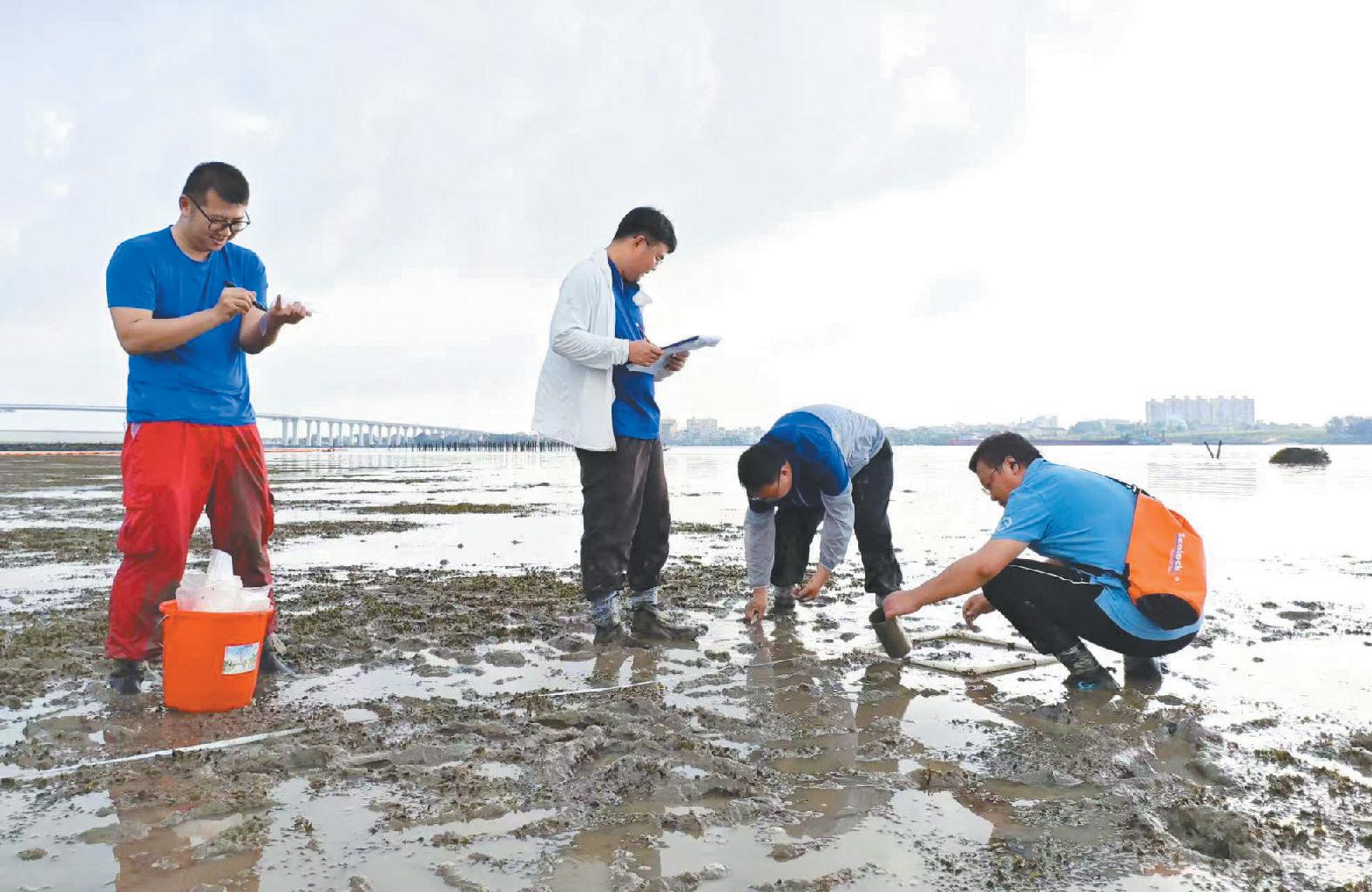
Core Viewpoint - The article highlights the ecological investigation conducted by the Haikou Marine Center in response to the environmental monitoring needs of the Meilan District fishing port construction project, emphasizing the balance between major project development and ecological protection [2] Group 1: Investigation Focus - The investigation focuses on key ecological resources including Chinese horseshoe crabs, mangroves, and seagrass beds, monitoring the population distribution, age structure, habitat integrity, and reproductive activity of Chinese horseshoe crabs [2] - The methods employed include "drone surveying + manual field investigation" to determine the boundaries of seagrass ecosystems and confirm the coverage area [2] - "Remote sensing identification + on-site verification" is used to survey the distribution of mangrove areas, the structure of mangrove plant communities, and the biomass per unit area [2] Group 2: Challenges and Methodology - Traditional manual investigation methods face challenges due to tidal cycles and muddy terrain, including high temperatures, intense labor, and mosquito bites [2] - To ensure timely completion of tasks, investigators walk approximately 10 kilometers daily, navigating various tidal channels and mud pits [2] - The investigation successfully collected drone imagery of mangroves and seagrass beds from Beigang Island to Quikou Fishing Port, as well as data on the distribution of Chinese horseshoe crabs and seagrass beds [2]

海洋知识科普进校园活动举办
Hai Nan Ri Bao· 2025-10-10 01:15
Core Insights - The event "Exploring Marine Ecology, Protecting the Blue Home" was held at the Haikou Experimental School of Renmin University of China, focusing on marine science education for students [2][3] - The activity combined lectures and exhibitions to transform abstract marine science knowledge into tangible experiences, promoting awareness of marine ecological protection among students [2] Group 1: Event Overview - The event featured a marine science exhibition area with 30 educational posters showcasing six typical marine ecosystems, including coral reefs and mangroves, to create a comprehensive marine ecological knowledge system [2] - Specimen display areas included samples of corals, shells, and sand provided by Haikou Marine Center and Sansha Marine Center, with professionals explaining species types and regional distributions to enhance students' understanding of marine biodiversity [2] Group 2: Educational Content - Specialized lectures were tailored for third and fourth-grade students, focusing on marine knowledge, specifically on "Coral Reef Ecosystem Protection" and "Intertidal Zone Ecological Characteristics" [2] - The lectures utilized videos and PowerPoint presentations to systematically introduce the ecological functions of coral reefs and the environmental characteristics of intertidal zones, reinforcing the importance of these ecosystems and encouraging students to think about marine protection methods [2]
山东:以“生态绿”涵养“海洋蓝”
Da Zhong Ri Bao· 2025-10-10 00:32
Core Insights - The article highlights the successful implementation of marine ecological governance in Shandong, particularly in the coastal areas, leading to improved water quality and biodiversity [1][2][3][4] Group 1: Marine Ecological Governance - Shandong has implemented a comprehensive marine ecological governance strategy, including the "Bay Chief System," which involves a three-tier management structure to oversee coastal resources and pollution control [1][2] - The province has achieved a near-perfect water quality ratio of 93.6% in nearshore waters by 2024, maintaining a top position nationally [1][2] - The introduction of a new regulatory framework for over 12,000 coastal discharge outlets aims to enhance the management and monitoring of marine pollution [3] Group 2: Innovative Practices and Economic Benefits - The "Seaweed Bed and Algal Carbon Sink Loan" initiative allows local communities to leverage carbon credits for funding marine projects, enhancing both ecological and economic outcomes [3][4] - The introduction of artificial reefs in Yantai has improved marine ecosystems and increased fish farming efficiency, with a reported 30% increase in fish survival rates post-implementation [4] - The integration of ecological restoration with economic development has led to diverse income opportunities for local residents, such as eco-tourism and sustainable fishing practices [4]
我国海洋生态状况总体稳定
Xin Hua She· 2025-10-03 06:42
Core Insights - The "2025 China Marine Development Index Report" indicates a stable improvement in China's marine environment and rapid development of new marine industries such as marine tourism [1] Marine Environment Status - The overall marine water quality remains stable, with 83.7% of coastal waters classified as good (Category I and II) in 2024 [1] - The total discharge of major pollutants from key monitored direct marine pollution sources has decreased by over 35% compared to 2015 [1] - The overall marine ecological status is stable, with local improvements noted, particularly in coral reefs, seagrass beds, coastal salt marshes, and mangrove ecosystems, which are primarily rated as good [1] Marine Tourism Development - The marine tourism market is experiencing significant growth, with a more than 14% year-on-year increase in domestic tourist numbers in coastal cities in 2024 [1] - The cumulative passenger flow at national cruise homeports has exceeded 11 times that of the previous year [1]
海天间护蓝色国土,以坚守庆华诞!中国海警常态化巡航黄岩岛 深情表白祖国
Yang Shi Wang· 2025-10-01 02:16
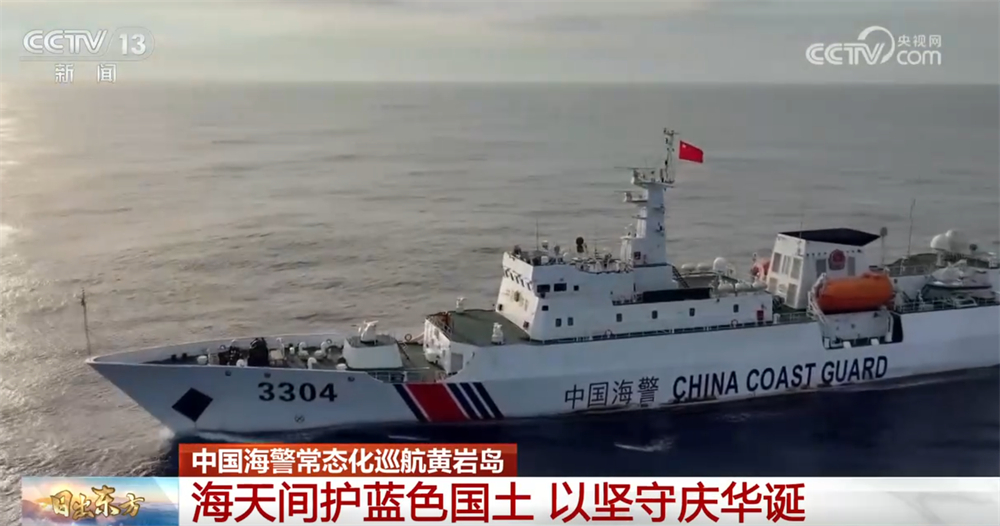
Core Points - The State Council approved the establishment of the Huangyan Island National Nature Reserve in September, highlighting its strategic and ecological importance as part of China's territory [1][3] - The China Coast Guard is undertaking a 50-day routine patrol in the Huangyan Island area, facing challenges due to adverse weather conditions caused by typhoons [1][3] - Coast Guard officers emphasize their commitment to safeguarding national sovereignty and ecological security in the newly established nature reserve, indicating an increase in responsibility and standards for their operations [5][6] Summary by Sections - **Establishment of Nature Reserve** - The Huangyan Island National Nature Reserve was officially approved by the State Council on September 10, marking a significant step in environmental protection and territorial integrity [3] - **Coast Guard Operations** - The Coast Guard is actively monitoring weather patterns and making real-time adjustments to ensure the safety of their patrols amid challenging sea conditions [3] - Officers express a strong sense of duty and commitment to their mission, reinforcing the importance of their role in protecting the island and its surrounding waters [5][6] - **Cultural Significance** - As the nation approaches its 76th anniversary, Coast Guard officers reflect on their dedication to the country and their hopes for its continued strength and prosperity [8]
平陆运河风物志㊻ | 三色绘就“最美海上公路”
Guang Xi Ri Bao· 2025-09-27 01:46
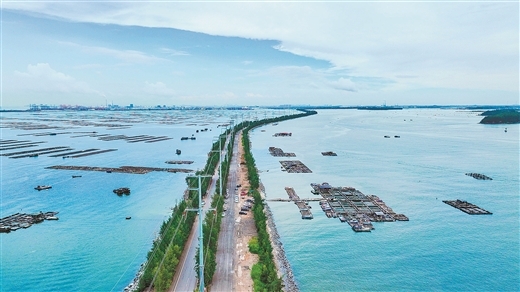
Core Viewpoint - The article highlights the significance of the Qinzhou Sandun Highway, known as "the most beautiful sea highway in Guangxi," which serves as both a tourist attraction and a boundary for ecological protection, particularly for the Chinese white dolphin [2][3]. Group 1: Ecological and Industrial Balance - The Sandun Highway represents a unique coexistence of natural beauty and industrial development, marking a boundary for the protection of the Chinese white dolphin while allowing for industrial growth in the western sea area [3]. - The highway was established following a strategic decision to abandon a 3.8 billion yuan investment project to protect the dolphin population, leading to a sustainable development plan for the marine area [3]. Group 2: Infrastructure Development - The highway, originally built in 2009, is currently undergoing expansion from two lanes to four lanes, with future plans to extend to eight lanes to accommodate increasing traffic demands [4]. - The Sandun Port area has seen significant development, with over 4,000 acres of land reclaimed and the establishment of a 300,000-ton oil terminal, attracting major companies and projects worth billions [5]. Group 3: Tourism and Environmental Impact - The highway has become a popular tourist destination, with over 40,000 related posts on social media, showcasing its scenic views and ecological significance [2]. - The local dolphin population has increased from fewer than 100 individuals 20 years ago to over 300 today, indicating successful conservation efforts [3].
从“赶海”到“护海”,如何守住那片蓝?
Yang Shi Wang· 2025-09-23 08:34
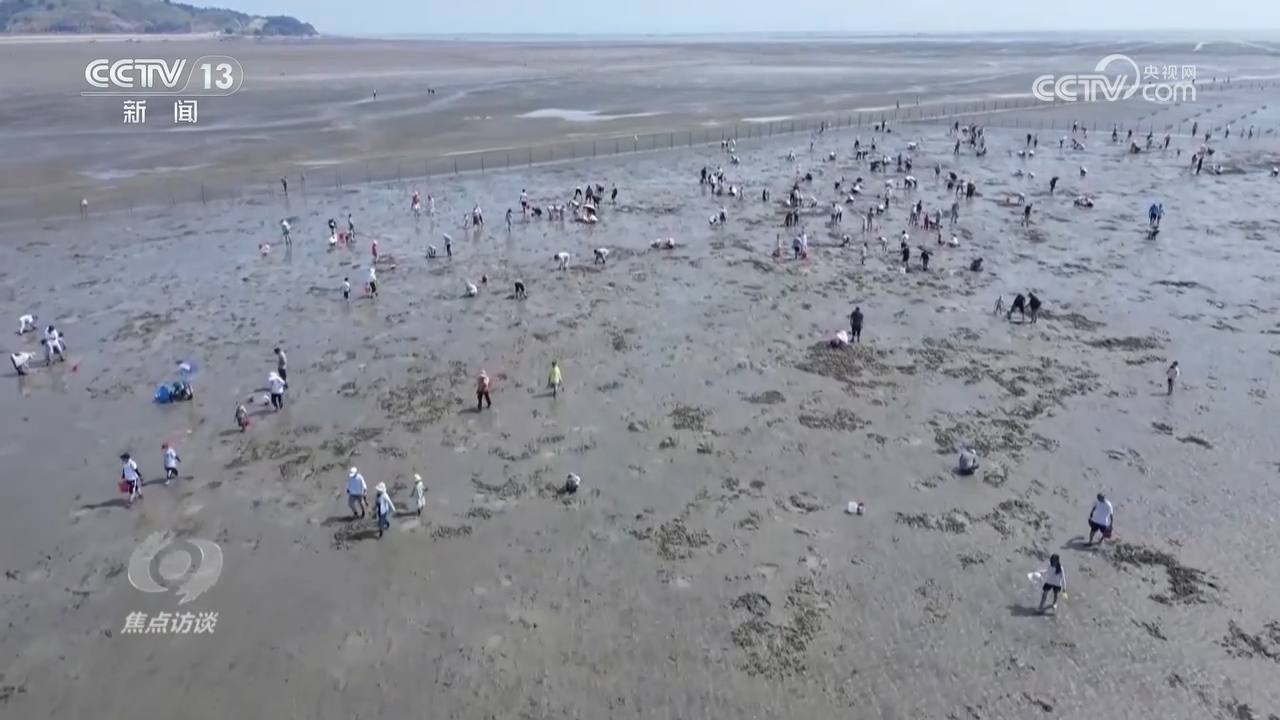
Core Viewpoint - The traditional practice of "catching the tide" has evolved into a popular tourist activity, raising concerns about ecological protection and sustainable practices in coastal areas [1][3][5]. Group 1: Tourism Development - The beach at Tangjiawan has become a social media hotspot for "catching the tide," attracting over ten thousand visitors daily during peak seasons [3]. - Tourists, rather than local fishermen, are now engaging in this activity, using tools like buckets and shovels to collect marine life for entertainment [3][5]. - The rise of this tourism trend has stimulated local service industries, contributing to economic growth in coastal regions [3][5]. Group 2: Ecological Concerns - Increased tourist activity has led to significant ecological challenges, particularly affecting the local seagrass beds, which are crucial for marine biodiversity [5][9]. - The seagrass species, Halophila beccarii, is classified as vulnerable and has seen a drastic reduction in coverage, with only 10% of its original area remaining since 2022 [5][11]. - Destructive practices by tourists, such as digging and using salt, have been identified as harmful to the marine ecosystem [5][9]. Group 3: Conservation Efforts - Local experts have proposed the establishment of protected areas to safeguard the seagrass beds and have submitted reports to relevant authorities [5][7]. - Educational initiatives are being implemented, including signage and volunteer programs, to inform tourists about sustainable practices and the importance of marine conservation [7][12]. - The government is actively promoting guidelines for responsible "catching the tide" practices, emphasizing non-invasive methods [7][9]. Group 4: Regulatory Challenges - Some commercial operators are engaging in illegal practices, such as "deep catching," which involves trapping marine life in nets, posing a severe threat to biodiversity [9][11]. - The overlap of tourist activities with protected marine areas raises significant concerns about the impact on endangered species, such as the Chinese horseshoe crab [11][12]. - The need for effective management and regulation of the burgeoning "catching the tide" tourism market is critical to balance economic benefits with ecological preservation [13][15].
“智斗”浒苔绿潮——北海局构建海洋灾害防控新体系纪实
Zhong Guo Zi Ran Zi Yuan Bao· 2025-09-22 09:43
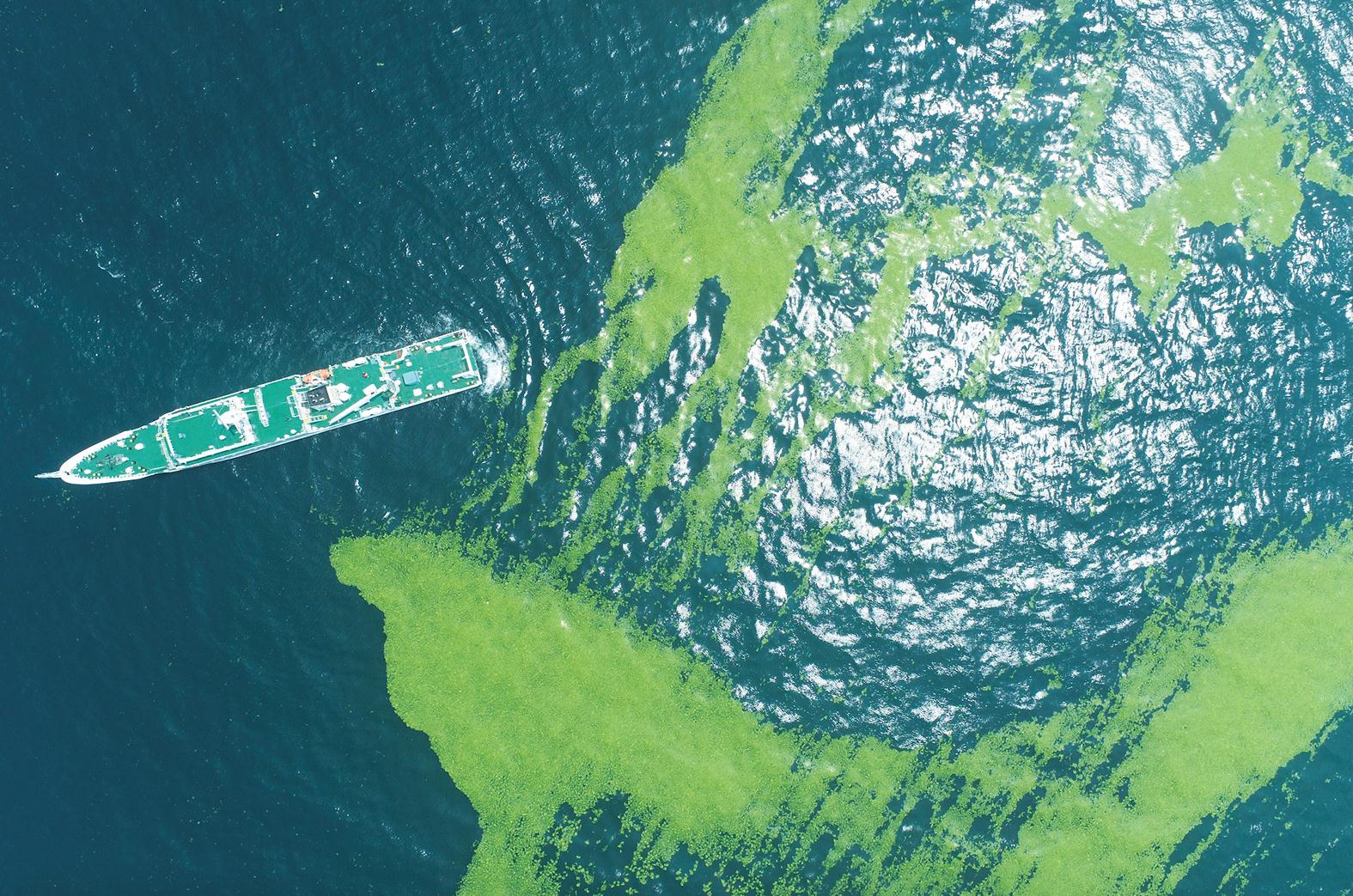
Core Viewpoint - The article discusses the implementation of a comprehensive monitoring and early warning system for the green tide phenomenon in the Yellow Sea, focusing on the integration of advanced technologies to enhance disaster prevention and response capabilities [1][3]. Group 1: Monitoring and Early Warning System - The "Huang Hai Green Tide Disaster Monitoring and Early Warning Capability Enhancement Project" aims to improve monitoring and response to green tide outbreaks, which have become a global marine ecological disaster [1]. - The project employs a "space-sky-sea-coast" three-dimensional monitoring system, utilizing satellite remote sensing, drones, and artificial intelligence to enhance monitoring accuracy and timeliness [3][5]. - A drone monitoring algorithm and integrated data transmission technology have been developed to provide real-time analysis of green tide distribution and area, addressing previous inefficiencies in monitoring [3][6]. Group 2: Predictive Modeling - The project team has optimized predictive models for the entire lifecycle of green tide, including annual development trends and ecological dynamics during outbreak and decline phases [6][11]. - A multi-driver ensemble forecasting method has been developed to improve the stability of medium- to long-term environmental forecasts, enhancing prediction accuracy [6][11]. - The integration of automated extraction of predictive variables and parallel computing strategies has led to improvements in both forecasting precision and computational efficiency [11]. Group 3: Decision Support System - An intelligent decision support system has been created to optimize the scheduling of vessels for green tide removal, providing local governments with precise recommendations for effective response [8][12]. - The system incorporates multi-source data collection and situational analysis to enhance operational efficiency and decision-making for green tide management [8][12]. - The project has resulted in a significant reduction in the amount of green tide reaching the shores of Qingdao over the past three years, demonstrating the effectiveness of the implemented strategies [12]. Group 4: Future Developments - The North Sea Bureau plans to continue upgrading the monitoring and decision support systems, integrating cutting-edge technologies such as artificial intelligence and digital twins to further enhance marine ecological protection efforts [12][18].
“宠客式”赶海火了!究竟是“福”还是“祸”?
Yang Guang Wang· 2025-09-19 00:53
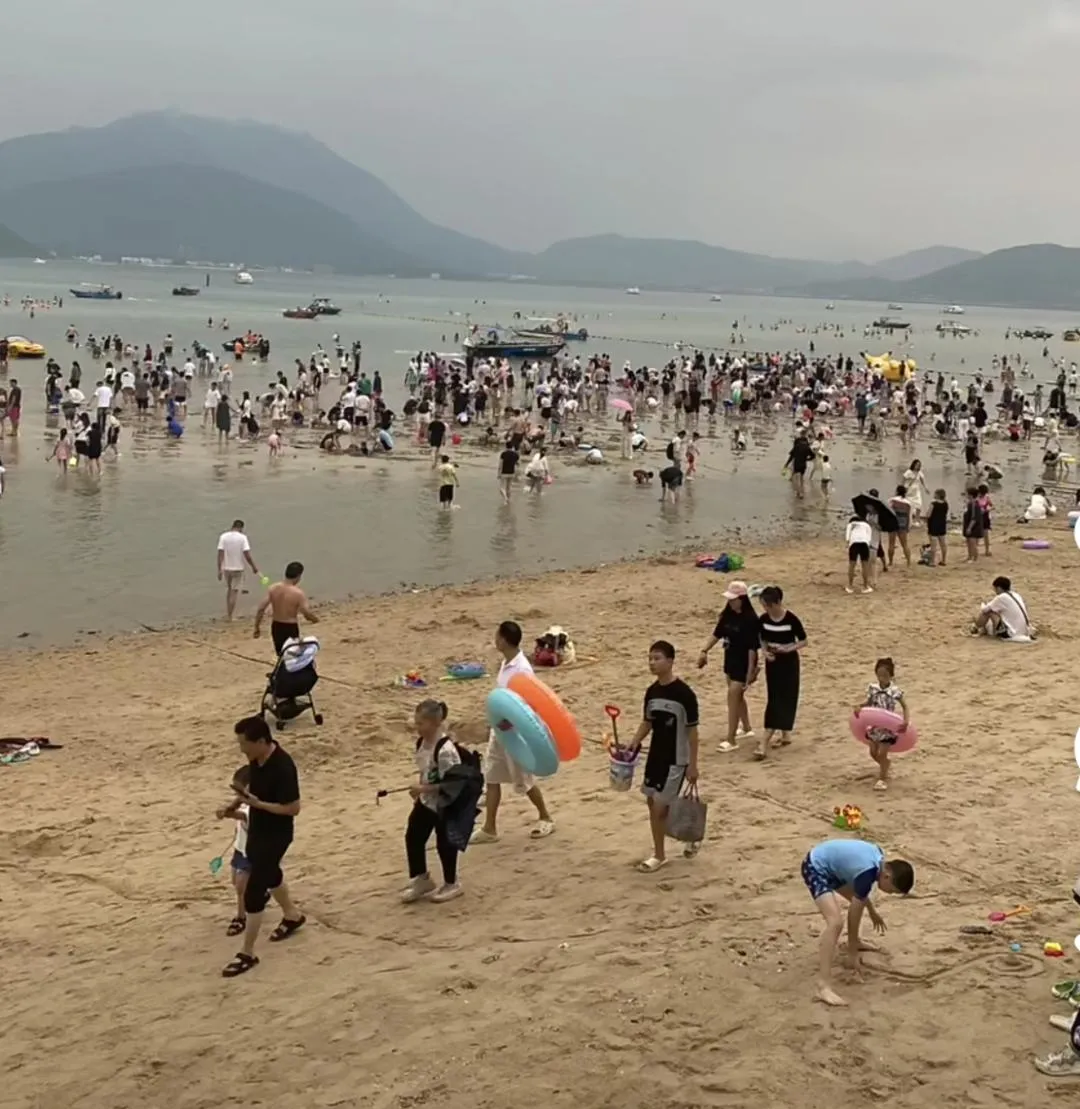
Core Viewpoint - The rise of "catching sea" activities, originally a survival method for coastal residents, has transformed into a commercialized trend driven by social media, raising concerns about ecological sustainability and the impact on marine life [1][3][20] Group 1: Commercialization and Impact - The trend has led to businesses actively providing seafood for tourists, often using non-native species, which poses risks to local ecosystems [3][4] - Some businesses engage in practices that mislead tourists about the nature of the seafood they are catching, as many are not wild but rather farmed species [3][6] - The introduction of invasive species, such as certain fish, can disrupt local marine populations and threaten the livelihoods of local fishermen [4][6] Group 2: Ecological Concerns - Experts warn that the current practices of "catching sea" do not align with scientifically managed methods of increasing marine resources, leading to potential ecological imbalances [6][10] - The use of certain fishing gear, like "trap nets," is illegal in many areas and poses a threat to sustainable fishing practices [10][13] - Observations indicate that the popularity of these activities is leading to changes in marine biodiversity, with smaller and fewer species being found closer to shore [13][15] Group 3: Educational and Ethical Considerations - The original intent of "catching sea" as a way to connect with nature is being overshadowed by a focus on guaranteed results, which diminishes the educational value of the experience [15][18] - There is a call for a return to respecting natural ecosystems, emphasizing the importance of sustainable practices and environmental education [18][20] - Future regulations should include assessments of environmental capacity and sustainable harvesting limits to ensure the activity does not harm marine life [20]
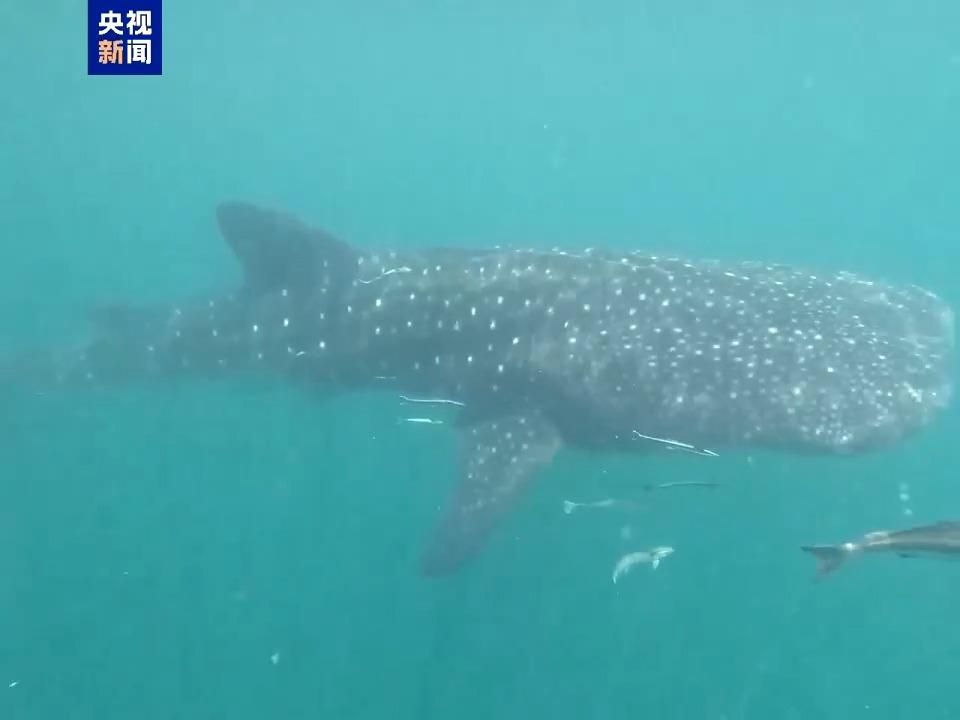
“鲸”喜现身 最大鱼类鲸鲨现身海南文昌海域
Yang Shi Xin Wen· 2025-09-18 06:06
Core Viewpoint - The recent sighting of a whale shark in the Wenchang sea area of Hainan indicates a healthy marine ecosystem, reflecting clean water quality and abundant food resources, while also highlighting the importance of conservation efforts for this endangered species [1][5]. Group 1: Whale Shark Characteristics - The whale shark is the largest fish in the ocean, with adults reaching over 10 meters in length and weighing around 10 tons [3]. - It is characterized by a broad, flat head, white spots on its back, and a wide mouth that can reach up to 1.5 meters [3]. - Despite its large size and intimidating appearance, the whale shark is gentle and does not attack humans, often interacting playfully with divers [3]. Group 2: Conservation Status - Whale shark populations have drastically declined due to climate change, human fishing, bycatch, and habitat pollution [5]. - It is listed as "Endangered" on the IUCN Red List and is included in CITES Appendix II, indicating its vulnerable status [5]. - In China, the whale shark is classified as a national second-level key protected wild animal [5]. Group 3: Ecological Significance - Whale sharks are considered important indicator species for marine ecosystem health due to their high requirements for water quality and food resources [5]. - The presence of whale sharks in the nearshore coral reef area of Wenchang serves as strong evidence of a healthy marine environment, with clean water and effective human interference control [5].