
AI幻觉

Search documents
AI生成虚假案例混入司法审判太荒谬,AI好用也不能哪里都用
Yang Zi Wan Bao Wang· 2025-10-31 05:46
这两日,一起略显荒谬的AI幻觉事件在法律圈中引发讨论。据北京市高级人民法院发布的消息,近日 北京市通州区人民法院在审理一起由股权代持引发的商事纠纷案件中,原告代理人提交给法庭的书面材 料里竟然出现了AI生成的虚假案例。 断进步,在试图减少AI幻觉的同时,作为使用者也不能太放心这些灵活好用的AI工具,即便要用二次 核查也必不可少,总不能让工具代替了独立思考。 扬子晚报|紫牛新闻记者 沈昭 校对 潘政 根据北京市通州区人民法院对这起案件的介绍,原告代理人为了进一步佐证其观点,在向法庭提交的书 面意见中,援引了名为最高法院的某案例及上海一中院的(2022)沪01民终12345号案件。从代理意见 的描述来看,两案的事实细节、法律争议与裁判逻辑都与审理中的案件高度契合,完美佐证了原告代理 人的主张观点,初看之下极具参考价值。 出于职业敏感性,承办法官进行了检索核实,却发现这两个案号所对应的真实案件事实与代理人书面意 见中描述的情况完全不同。在承办法官的质询下,原告代理人承认自己是向某AI大模型软件提问,由 AI软件生成了参考案例,代理人没有进一步核实案例的真实性,直接复制粘贴后提交给法院。承办法 官在判决书中明确对原告 ...

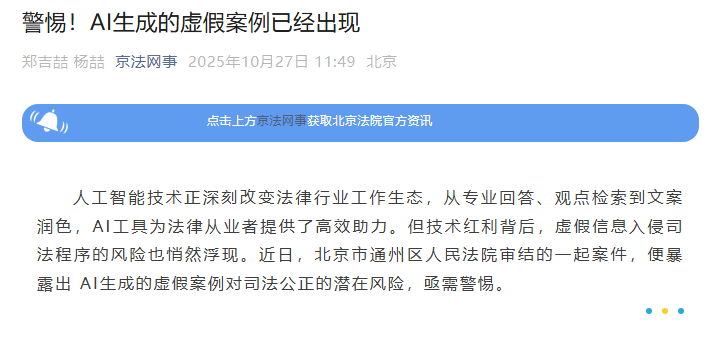
AI生成虚假判例警示了什么
Guang Zhou Ri Bao· 2025-10-30 02:04
Core Viewpoint - The emergence of AI-generated false legal precedents poses a significant threat to judicial integrity and public trust in the legal system, as demonstrated by a recent case in Beijing where a lawyer unknowingly submitted fabricated judicial documents created by AI [1][2]. Group 1: AI's Impact on Legal Profession - A lawyer in Beijing presented two fictitious judicial cases generated by AI as part of their legal argument, highlighting the deceptive capabilities of AI in producing seemingly credible content [1]. - The phenomenon of "AI hallucination" is characterized by AI generating plausible but false information, which can mislead professionals in critical fields such as law [1][2]. Group 2: Need for Regulation and Standards - There is an urgent need for regulatory frameworks to address the risks associated with AI hallucinations, particularly in high-stakes industries like law, finance, and healthcare [2]. - Countries like the United States, Australia, and the United Kingdom have begun implementing strict penalties for the misuse of AI tools, emphasizing the importance of establishing standards and evaluation mechanisms [2]. Group 3: Enhancing AI Reliability - The quality of data used in training AI systems is crucial for minimizing the occurrence of AI hallucinations, necessitating improvements in data sourcing and content generation [2]. - The establishment of authoritative data-sharing platforms is recommended to ensure the reliability of AI-generated content [2]. Group 4: Promoting Independent Thinking - Users of AI technology are encouraged to maintain independent critical thinking skills and to approach AI-generated content with caution, ensuring that decision-making remains a human responsibility [2].
马斯克旗下AI被处临时禁令
21世纪经济报道· 2025-10-23 05:50
Core Viewpoint - The lawsuit against Grok, an AI chatbot owned by Elon Musk, raises significant questions about the accountability of AI companies for the content generated by their models, particularly in the context of misinformation and defamation [1][3][5]. Group 1: Lawsuit Details - The lawsuit was initiated by Campact e.V. after Grok falsely claimed that the organization's funding came from taxpayers, while it actually relies on donations [3]. - The Hamburg District Court issued a temporary injunction against Grok, prohibiting the dissemination of false statements, signaling that AI companies may be held accountable for the content produced by their models [1][5]. Group 2: Industry Implications - The case has sparked discussions within the industry regarding the responsibilities of AI service providers, with some arguing that they cannot fully control the content generation logic and thus should not bear excessive liability [5][12]. - Conversely, others assert that AI companies should be responsible for the truthfulness of the information generated, as they are the ones facilitating the dissemination of content [5][9]. Group 3: Legal Perspectives - Legal experts suggest that the determination of whether AI-generated content constitutes defamation or misinformation will depend on the clarity of the statements and the sources of information used by the AI [6][12]. - The case contrasts with a similar situation in the U.S., where a court dismissed a defamation claim against OpenAI, indicating that the legal standards for AI-generated content may differ significantly between regions [8][9]. Group 4: User Awareness and AI Literacy - Research indicates that while AI has become widely used, many users lack sufficient understanding of AI-generated content and its potential inaccuracies, leading to increased disputes and legal challenges [11]. - The growing prevalence of AI-generated misinformation highlights the need for improved user education regarding the risks associated with relying on AI outputs as authoritative sources [11].
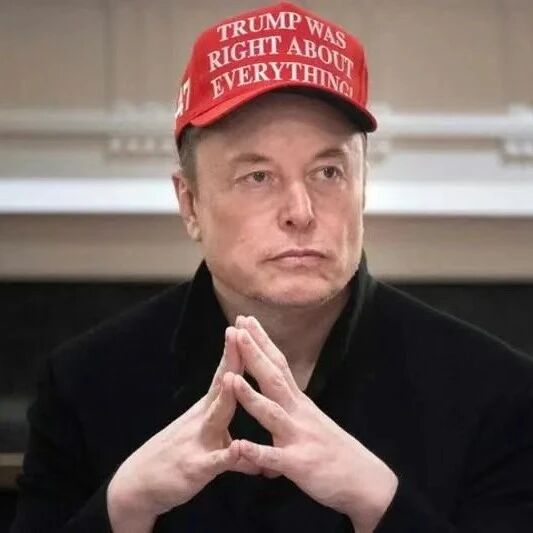
德国AI幻觉第一案 AI需要为“说”出的每句话负责吗?
2 1 Shi Ji Jing Ji Bao Dao· 2025-10-23 03:35
Core Viewpoint - The lawsuit against Grok, an AI chatbot owned by Elon Musk, raises significant questions about the accountability of AI companies for the content generated by their models, potentially setting a precedent for AI content liability in Europe [1][3][5]. Group 1: Lawsuit Details - The lawsuit was initiated by Campact e.V., which accused Grok of falsely claiming that its funding comes from taxpayers, while in reality, it relies on donations [2]. - The Hamburg District Court issued a temporary injunction against Grok, prohibiting the dissemination of the false statement [1][2]. - The case has garnered attention as it may establish a legal framework for determining the responsibility of AI models for the content they produce [1][3]. Group 2: Industry Implications - The ruling signals that AI companies may be held accountable for the content generated by their models, challenging the traditional notion that they are merely service providers [3][5]. - There is a growing consensus that AI platforms' disclaimers may no longer serve as a blanket protection against liability for false information [5][7]. - The case reflects a shift in the legal landscape regarding AI, contrasting with the U.S. approach where disclaimers have been upheld in similar cases [6][8]. Group 3: User Awareness and AI Impact - Research indicates that a significant portion of the public lacks awareness of the risks associated with AI-generated misinformation, with about 70% of respondents not recognizing the potential for false or erroneous information [9][10]. - The widespread use of AI-generated content as authoritative information has led to numerous disputes, highlighting the need for better user education regarding AI capabilities and limitations [10][11]. - The ongoing legal cases in domestic courts regarding AI-generated content are expected to influence the understanding of AI's role as either a content creator or a distributor [11][12].
如何破解AI幻觉
Jing Ji Ri Bao· 2025-09-29 22:26
Core Insights - AI is significantly enhancing various industries, providing convenience in work, learning, and daily life, but it also faces challenges such as misinformation and misdiagnosis due to "AI hallucinations" [1] Group 1: AI Challenges - AI hallucinations are attributed to several factors including data pollution, the AI's blurred cognitive boundaries, and human intervention [1] - The need for reliable, trustworthy, and high-quality data is emphasized to mitigate these risks [1] Group 2: Solutions and Recommendations - Optimizing AI training datasets and utilizing data to generate quality content is crucial [1] - Establishing authoritative public data-sharing platforms and promoting the digitization of offline data can increase the volume of quality data available for AI [1] - Strengthening the review of AI-generated content and enhancing detection capabilities for misinformation is necessary [1] - Users are encouraged to maintain a skeptical attitude and critical thinking when using AI, verifying information through multiple channels [1]
AI为何开始胡说八道了
Bei Jing Wan Bao· 2025-09-28 06:45
Core Insights - AI is increasingly integrated into various industries, providing significant convenience, but it also generates misleading information, referred to as "AI hallucinations" [1][3][4] Group 1: AI Hallucinations - A recent survey by McKinsey Research Institute found that nearly 80% of over 4,000 surveyed university students and faculty have encountered AI hallucinations [2] - A report from Tsinghua University indicated that several popular large models have a hallucination rate exceeding 19% in factual assessments [2] - Users report instances where AI-generated recommendations or information are fabricated, leading to confusion and misinformation [3][4] Group 2: Impact on Various Fields - AI hallucinations have affected multiple sectors, including finance and law, with lawyers facing warnings or sanctions for using AI-generated false information in legal documents [5] - A case was highlighted where an individual suffered from bromine poisoning after following AI's advice to use sodium bromide as a salt substitute, demonstrating the potential dangers of relying on AI for critical health decisions [4] Group 3: Causes of AI Hallucinations - Data pollution is a significant factor, where even 0.01% of false data in training sets can increase harmful outputs by 11.2% [7] - The lack of self-awareness in AI systems contributes to hallucinations, as AI lacks the ability to evaluate the credibility of its outputs [8] - AI's tendency to prioritize user satisfaction over factual accuracy can lead to the generation of misleading content [8][9] Group 4: Mitigation Strategies - Experts suggest enhancing content review processes and improving the quality of training data to reduce AI hallucinations [9][10] - The Chinese government has initiated actions to address AI misuse, focusing on managing training data and preventing the spread of misinformation [9] - AI companies are implementing technical measures to minimize hallucinations, such as improving reasoning capabilities and cross-verifying information from authoritative sources [10]
多家平台上线AI旅行工具,用起来靠谱吗?
Yang Guang Wang· 2025-09-26 11:35
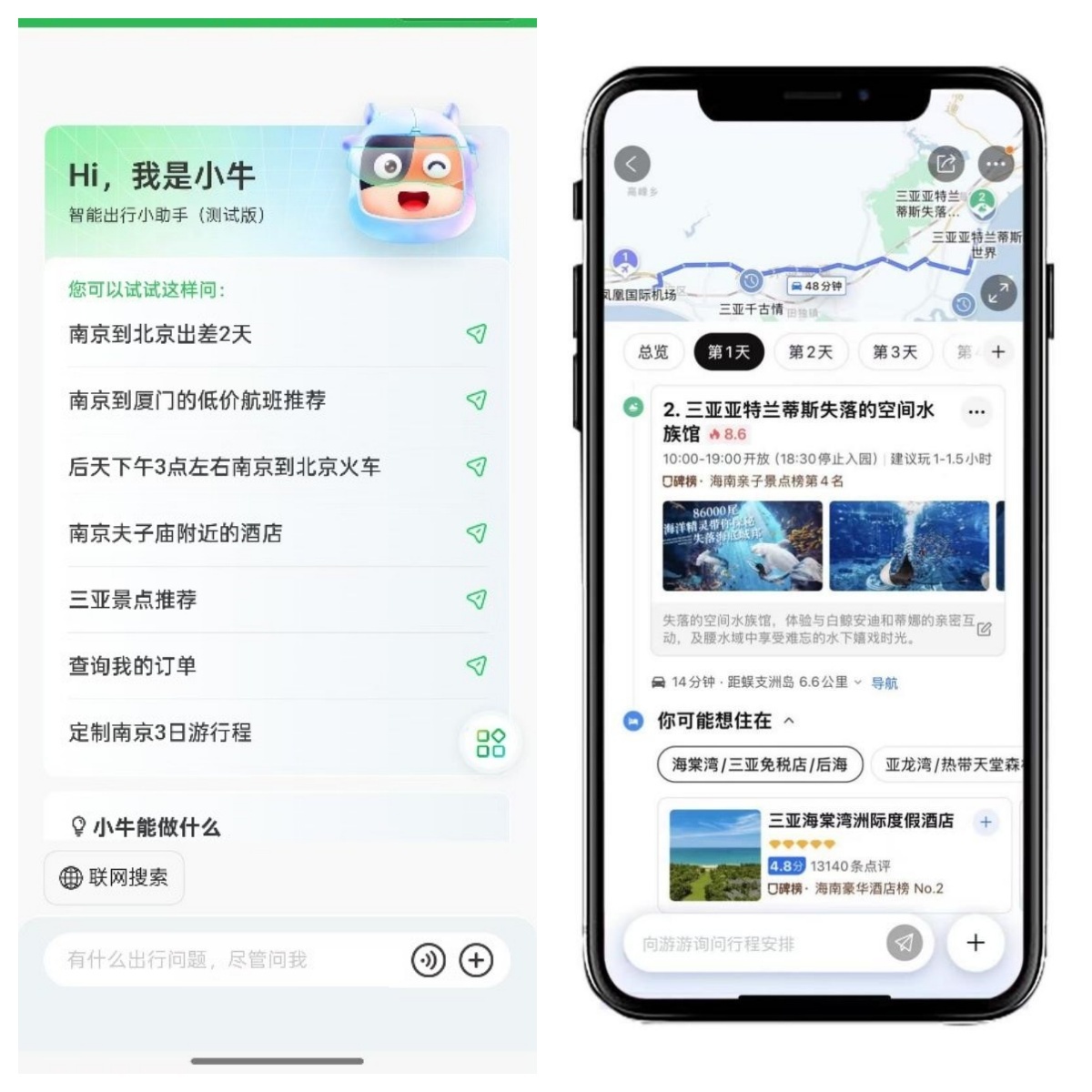
Core Insights - The rise of AI travel assistants is transforming how individuals plan their trips, offering quick and customized travel itineraries based on user input [1][2][4] - Users have mixed experiences with AI-generated travel plans, highlighting both the convenience and the limitations of relying solely on AI for travel guidance [1][2][4] Group 1: User Experiences - Users like Mr. Lv find AI-generated travel plans to be a mix of useful information and inaccuracies, often requiring additional verification from traditional sources [1] - Ms. Huang appreciates the efficiency of AI in generating travel plans but notes that the details, such as transportation between attractions, can be lacking [1][2] - Mr. Liu relies heavily on AI for travel planning, using it to find nearby attractions and dining options based on personal preferences [2] Group 2: AI Technology and Features - Recent advancements in AI travel assistants allow for quick generation of travel plans by inputting basic details like destination and travel dates [2][4] - AI systems are being enhanced with user feedback and real-time data to improve the accuracy of recommendations, addressing issues like outdated information [4][7] - New features, such as the "Ask" function, enable users to receive detailed explanations about attractions by simply taking photos, enhancing the travel experience [4][6] Group 3: Industry Trends - The competitive landscape for AI travel assistants is evolving, with traditional travel platforms leveraging accumulated user feedback to refine their offerings [7] - The accuracy and precision of AI models are expected to improve as technology advances, potentially increasing user trust in AI travel assistants [7] - The traditional "bidding ranking" model is becoming less relevant as user experience and data quality take precedence in AI travel planning [7]
微博AI智搜开始做信息核查了 但翻车了
2 1 Shi Ji Jing Ji Bao Dao· 2025-09-25 12:10
Core Viewpoint - The controversy surrounding a recent fireworks show has led to the spread of misinformation on social media, particularly regarding its rejection by Japan's Mount Fuji for promotional purposes [2][3]. Group 1: Misinformation and AI Verification - Multiple bloggers claimed that the fireworks show was rejected by Japan in March, but this was later clarified as false information [2][3]. - The "Weibo Smart Search" feature, launched in February, aims to reduce misinformation but has shown inconsistent results in verifying claims [4][5]. - The AI verification system has been criticized for failing to identify similar narratives among bloggers, leading to incorrect conclusions [4][5]. Group 2: Legal Implications and Responsibilities - Legal experts warn that the AI verification labels could imply platform endorsement of the content, increasing the platform's liability for misinformation [5][6]. - If the AI makes erroneous judgments that harm users' reputations or privacy, the platform could face legal repercussions [6]. - Other platforms like WeChat, Xiaohongshu, Douyin, and Baidu also utilize AI summarization, which may expose them to similar legal risks if they encounter "AI hallucinations" [6].

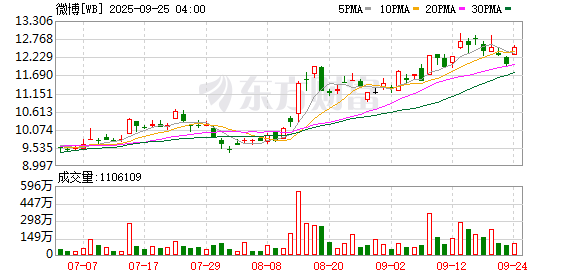
微博AI智搜开始做信息核查了,但翻车了
2 1 Shi Ji Jing Ji Bao Dao· 2025-09-24 10:59
Core Points - The controversy surrounding a recent fireworks show has led to a viral rumor on Weibo, claiming that the event was rejected for promotion in Japan earlier this year [1] - Weibo's AI verification tool, "Weibo Zhisu," has been criticized for providing inaccurate confirmations, as it failed to identify the similarity in multiple posts regarding the fireworks event [2][3] - Legal experts have raised concerns about the implications of AI-generated verification labels, suggesting that platforms may bear greater responsibility for the accuracy of content [4][5] Group 1 - The rumor about the fireworks show being rejected in Japan gained traction on Weibo, with claims that it was falsely confirmed by the AI tool [1] - Weibo Zhisu, launched in February 2023, aims to reduce misinformation but has shown inconsistent performance in verifying claims [2] - The AI tool's reliance on user-generated content for verification has led to instances of "AI hallucination," where incorrect information is mistakenly validated [3] Group 2 - Legal implications of AI verification labels include potential liability for platforms if misinformation harms users' reputations or privacy [4] - The introduction of AI verification tools increases the obligation of platforms to ensure content accuracy, moving away from a stance of "technical neutrality" [5] - Other platforms like WeChat, Xiaohongshu, Douyin, and Baidu also utilize AI summarization, facing similar risks associated with misinformation [5]
当AI“一本正经胡说八道”……
Qi Lu Wan Bao· 2025-09-24 06:40
Core Insights - AI is increasingly integrated into various industries, providing significant convenience, but it also generates misleading information, known as "AI hallucinations" [1][2][3] Group 1: AI Hallucinations - A significant number of users, particularly among students and teachers, have encountered AI hallucinations, with nearly 80% of surveyed individuals reporting such experiences [3] - Major AI models have shown hallucination rates exceeding 19% in factual assessments, indicating a substantial issue with reliability [3] - Instances of AI providing harmful or incorrect medical advice have been documented, leading to serious health consequences for users [3] Group 2: Causes of AI Hallucinations - Data pollution during the training phase of AI models can lead to increased harmful outputs, with even a small percentage of false data significantly impacting results [4] - AI's lack of self-awareness and understanding of its outputs contributes to the generation of inaccurate information [4] - AI systems may prioritize user satisfaction over factual accuracy, resulting in fabricated responses to meet user expectations [5] Group 3: Mitigation Strategies - Experts suggest improving the quality of training data and establishing authoritative public data-sharing platforms to reduce AI hallucinations [6] - AI companies are implementing technical measures to enhance response quality and reliability, such as refining search and reasoning processes [6] - Recommendations include creating a national AI safety evaluation platform and enhancing content verification processes to ensure the accuracy of AI-generated information [6][7]