AI超级入口

Search documents
AI超级入口之争战火升级
Hua Er Jie Jian Wen· 2025-12-02 03:40
Core Insights - The competition for AI Agents is intensifying among major tech companies, including Tencent, Alibaba, ByteDance, Huawei, and various hardware manufacturers, as they aim to establish themselves in the AI era [3][15] - ByteDance has launched the Doubao mobile assistant, which collaborates with smartphone manufacturers at the operating system level, marking a shift from developing its own AI phone to partnering with existing hardware providers [5][6] - The integration of AI Agents into mobile operating systems is seen as a critical turning point for AI technology to fully integrate into the real economy by 2025 [8] Industry Dynamics - The AI Agent landscape is evolving, with companies moving from traditional app development to creating intelligent agents that can autonomously interact with users and other applications [9][11] - The market for AI applications is growing rapidly, with mobile active users exceeding 729 million in China as of September 2025, indicating a significant shift in user engagement with AI technologies [9] - The competition is not just about technology but also about controlling user data and access to applications, which is reshaping the roles of app developers and hardware manufacturers [16][17] Technological Challenges - AI Agents face significant challenges related to data privacy and security, particularly concerning the use of "accessibility permissions" that can lead to unauthorized data access and potential privacy violations [20][22] - The development of AI Agents involves navigating complex legal and compliance issues, as existing frameworks may not adequately address the risks posed by these technologies [23][24] - The future of AI Agents is uncertain, with ongoing exploration of business models and data privacy responsibilities as the industry seeks to balance innovation with risk management [25]



千问和夸克,互补还是互搏?
Tai Mei Ti A P P· 2025-11-28 04:08
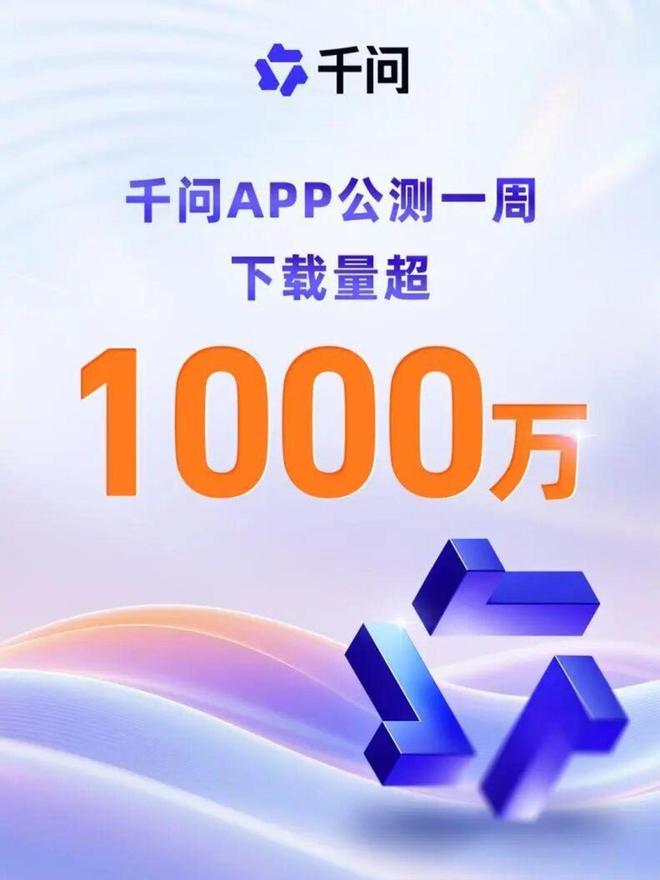
Core Insights - Alibaba's ambition in AI to C is evident as it launches the Qianwen app, aiming to compete directly with ChatGPT and establish itself as a key player in the AI consumer market [2][5] - The rapid success of Qianwen, achieving over 10 million downloads in just one week, indicates a potential shift in market dynamics, challenging the notion that Alibaba has lost its first-mover advantage [2][4] Financial Performance - Alibaba's latest financial report shows a revenue of 247.8 billion yuan, with a 15% year-on-year growth excluding certain retail segments, surpassing market expectations [4] Strategic Direction - Alibaba's CEO emphasizes a dual strategy focusing on both AI to B and AI to C, aiming to become a leading full-stack AI service provider while also developing consumer-facing AI applications [5][6] - Qianwen is positioned as a critical component of Alibaba's strategy to create a "super entrance" for AI, leveraging its technological advancements and ecosystem advantages [6][10] Technological Advancements - The Qianwen app utilizes the Qwen 3 - Max model, touted as the "world's strongest open-source model," with significant global downloads and recognition in AI performance rankings [5][6] - As of September 2024, the Qwen series has surpassed 600 million downloads globally, indicating strong adoption and interest from major tech players [6] Market Positioning - Despite technological strengths, Alibaba's presence in the domestic AI to C market has been limited, with Qianwen's current monthly active users (MAU) significantly trailing competitors like ByteDance's Doubao [6][10] - Qianwen's launch is seen as a strategic move to address Alibaba's shortcomings in the consumer AI space, aiming to enhance user engagement and ecosystem integration [6][10] User Experience and Functionality - Qianwen is designed to be a versatile AI assistant, offering features such as content generation, investment decision support, and image processing, catering to immediate user needs [8][9] - The long-term vision for Qianwen is to evolve into a comprehensive AI agent capable of executing tasks autonomously, integrating various Alibaba services seamlessly [9][10] Competitive Landscape - The relationship between Qianwen and Quark, another Alibaba product, raises questions about internal competition versus collaboration in the AI space [11][16] - Quark's previous focus on AI search and browsing may limit its effectiveness as a standalone AI assistant compared to the more specialized Qianwen [11][15] Future Challenges - Qianwen faces significant challenges in establishing user trust and habitual usage, akin to the long journey of WeChat in becoming an essential digital tool [10][20] - The need for effective integration of e-commerce, payment, and other services within Qianwen's ecosystem is critical for its success [20]

千问不容有失,夸克“身不由己”?
3 6 Ke· 2025-11-21 10:12
Core Insights - Alibaba has launched the "Qianwen" app, a rebranded version of the previous "Tongyi" app, which has not shown significant user growth compared to competitors like Doubao and DeepSeek [1][4] - The shift in Alibaba's strategy towards AI consumer applications indicates a change in focus from the "Tongyi" app to the "Qianwen" app as a core AI entry point [2][3] Group 1: App Performance and Market Position - "Qianwen" app has been in development for two years and has undergone two rebrandings, but it currently ranks tenth in monthly active users (MAU) among AI applications in China, with only 3.06 million users [1] - In contrast, Doubao and DeepSeek lead the market with MAUs of 172 million and 145 million, respectively [1] Group 2: Strategic Shift in AI Consumer Applications - Alibaba's narrative around AI consumer applications has evolved, with a renewed emphasis on the "Qianwen" app as a potential core AI entry point, moving away from the previous focus on the Quark app [2][3][6] - The Quark app was initially positioned as an "AI super frame" but is now being redefined to focus on AI search and browsing capabilities, while "Qianwen" is being positioned as a chatbot [14][24] Group 3: Competitive Landscape and Challenges - The competition for AI consumer applications is intensifying, with Alibaba needing to establish "Qianwen" as a significant player to compete against established apps like Doubao and Tencent's offerings [4][26] - Alibaba's strategy includes leveraging its existing ecosystem to integrate "Qianwen" into various services, but it faces challenges in user retention and engagement due to the tool-like nature of its applications [29][30] Group 4: Future Outlook and Investment - Alibaba is committing significant resources to the "Qianwen" project, indicating a strong belief in its potential as a core AI entry point, despite the current user base lagging behind competitors [22][23] - The company aims to achieve a breakthrough in user engagement and application utility, recognizing that no AI application in China has yet reached a stable user base of over 100 million daily active users (DAU) [23][24]
阿里寻找AI入口的300天
3 6 Ke· 2025-11-20 01:52
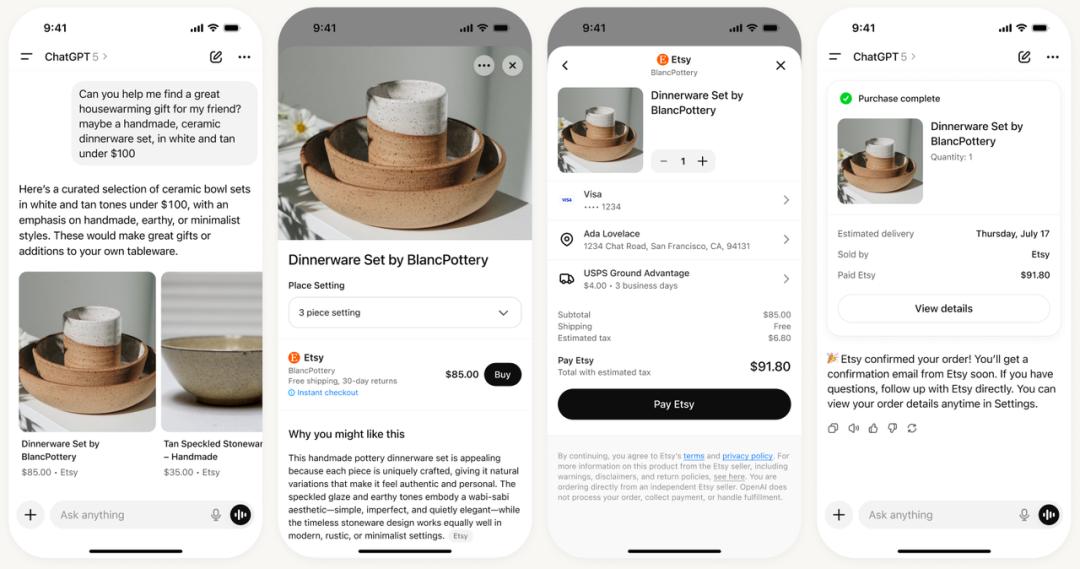
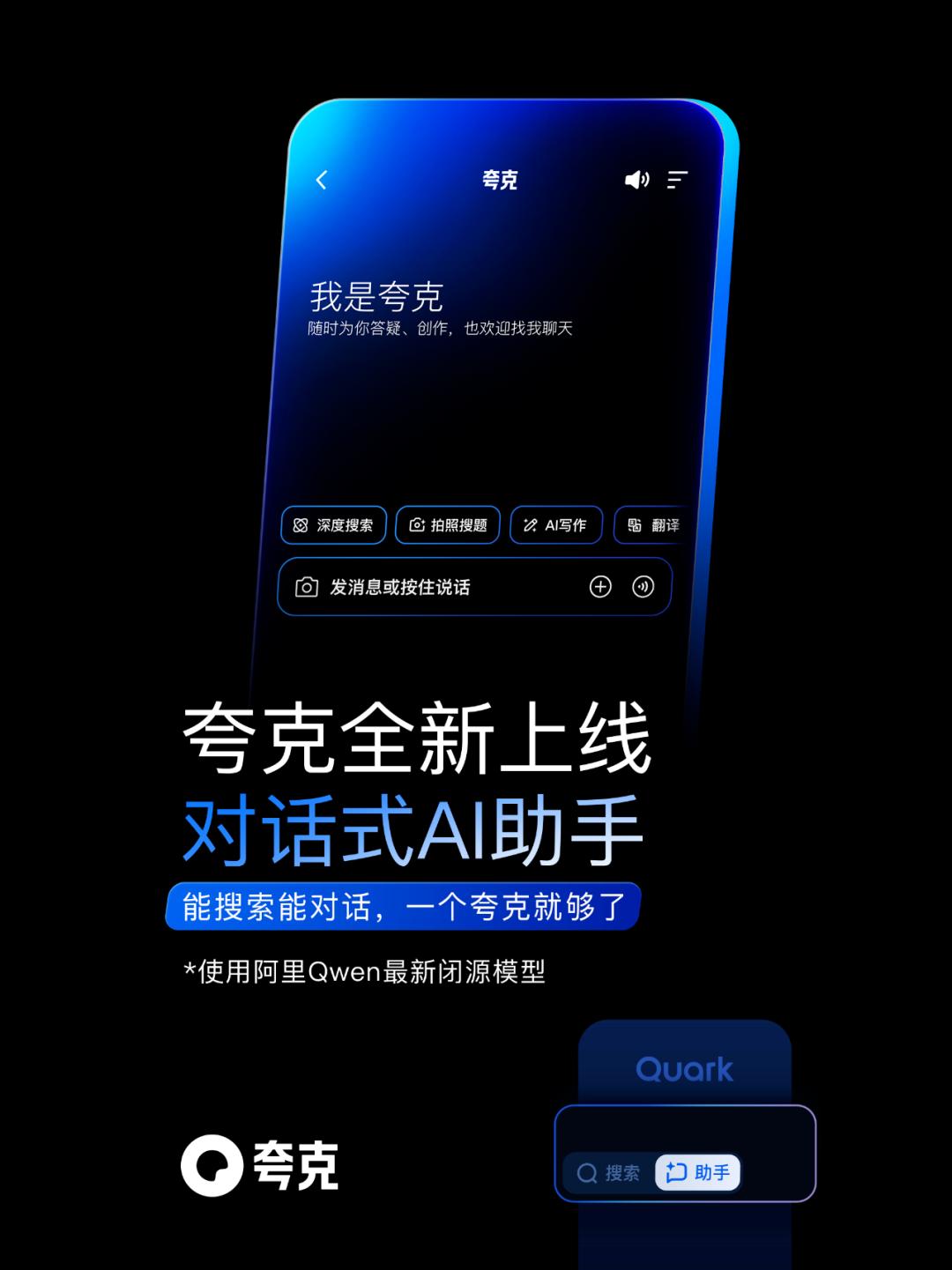
Core Viewpoint - Alibaba has officially launched the public beta of the Qianwen App, aiming to compete directly with ChatGPT and establish itself as a future AI life gateway. This app is an upgrade from the previous Tongyi app and Quark AI dialogue assistant, utilizing Alibaba's latest Qwen 3-Max model [1][6]. Group 1: Strategic Shift - The launch of Qianwen is attributed to the maturity of model capabilities and the development of the Agent ecosystem, indicating a reactive strategic shift by Alibaba in response to the rapid growth of AI products in the past two years [2][6]. - Alibaba's AI products have lagged in the consumer market, with Qianwen's predecessor, Quark, failing to gain significant traction compared to competitors like Doubao and Deepseek, which have MAUs of 172 million and 144 million respectively, while Tongyi only reached 3.05 million [2][3]. Group 2: Competitive Landscape - Qianwen aims to address the shortcomings of Quark, which was seen as a traditional search tool rather than a comprehensive AI assistant. The new app is designed to be perceived as a personal assistant or super-intelligent agent, free from historical baggage [6][12]. - The competitive landscape is shifting towards AI-driven shopping experiences, as seen with ChatGPT's instant checkout feature and Doubao's integration of e-commerce links, indicating a trend where consumer decision-making is moving from traditional search to AI dialogue [8][11]. Group 3: Advantages and Challenges - Alibaba possesses significant advantages, including technological leadership with the Qwen 3-Max model, which has over a trillion parameters, and a strong presence in various high-frequency consumer scenarios through its platforms [13][14]. - However, these advantages also come with challenges, particularly regarding consumer trust in AI-driven shopping decisions. The ability to ensure neutrality in decision-making is crucial, as consumers prioritize efficiency and trust when using AI for shopping [15][16].