
双碳战略

Search documents
大中矿业:积极推进运输环节绿色低碳转型,逐步替换新能源车辆
Jin Rong Jie· 2025-12-17 01:04
Core Viewpoint - The company is actively promoting the transition to green and low-carbon transportation in response to the national "dual carbon" strategy, focusing on the replacement of traditional vehicles with new energy vehicles to reduce carbon emissions and operational costs [1] Group 1: Company Initiatives - The company has replaced all of its official vehicles with new energy vehicles and is gradually converting production vehicles to electric ones [1] - The application of new energy heavy trucks in the transportation fleet is being actively promoted, which not only achieves environmental benefits but also effectively reduces vehicle energy consumption and maintenance costs [1] Group 2: Operational Adjustments - The proportion of new energy equipment in daily operations will be dynamically adjusted based on the operational conditions of each mining area and the vehicle replacement plan [1]
完善四个机制,推动新能源产业从规模扩张到质量提升
Zhong Guo Huan Jing Bao· 2025-12-16 23:28
笔者认为,造成新能源产业发展乱象的原因,在于监管机制没有跟上行业的高速发展,各地激励政策集 中出台,而规范约束体系却存在短板。一是准入审核机制宽松,部分地区重审批速度轻实质核验。企业 无需落实电网接入方案、资金保障等核心条件即可获批,导致大量投机项目出现。二是动态监管机制缺 失,项目审批后缺乏全周期跟踪管理,对投资进度、股权变更等关键环节管控薄弱,给圈地占位倒卖指 标留下空间。三是规划协同机制不健全,新能源项目与国土空间规划、电网建设规划衔接脱节,接网工 程滞后、消纳场景不足等问题导致项目难以落地。四是惩戒问责机制偏软,对违规企业处罚力度不够, 监管履职不到位等问题未得到有效追责,难以形成震慑效应。 新能源产业的健康发展是保障国家能源安全与落实"双碳"战略的重要基础,"十五五"规划建议也提出了 加快建设新型能源体系总要求。笔者以为,各地应结合本地实际,借鉴先进地区经验和做法,完善相关 机制,构建系统完备、协同高效的新能源建设发展制度体系,从根本上遏制新能源产业发展中的乱象, 推动新能源产业从规模扩张向质量提升转型。 健全刚性准入机制。推行"并联审批+实质性审核"模式,将环评、用地、接网等手续同步办理、限时办 ...
中国能建安徽电建二公司接连中标黔晋两大煤电主体工程
Xin Hua Cai Jing· 2025-12-16 11:39
贵州金元金沙柳塘2×660MW煤电项目位于金沙县柳塘镇前胜村,建设2台660MW超超临界"W"型火焰炉燃煤机组。安徽电建二公司承担#2机组范围内的所 有建筑及安装工程施工。作为国家电投"推动煤电产业转型升级""落实风光火储多能互补"战略的核心工程,该项目建成后,将推动构建"煤电+新能源"协同 发展的新型能源体系,全面提升区域电力供应的稳定性与抗风险能力,并带动上下游产业链投资超百亿元,创造就业岗位千余个,助力贵州建设全国新型综 合能源基地,促进区域经济社会高质量发展。 & g . 944 6 4 % ....... I 17 16 近日,中国能建安徽电建二公司接连中标国家电投贵州金元金沙柳塘2×660MW煤电项目2号机组、晋控电力同华轩岗二期2×660MW工程3号机组建筑安装工 程。 晋控电力同华轩岗二期2×660MW工程项目,位于山西省忻州市原平市轩岗镇,新建2台660MW超超临界燃煤空冷发电机组,配套建设脱硫、脱硝、除尘设 施。安徽电建二公司承担#3机组范围内的所有建筑及安装工程施工。该项目建成后,将以煤电联营模式,有效提升区域电力供应保障能力,进一步优化山西 电源结构,促进华北地区电力供需平衡,同时带动 ...


中国天楹(000035) - 000035中国天楹投资者关系管理信息20251216
2025-12-16 11:14
Group 1: Environmental Business Development - The company adheres to a "dual-driven" strategy of "environmental protection + new energy," focusing on three core businesses: waste incineration power generation, urban and rural sanitation services, and environmental equipment manufacturing [2][3] - The Hanoi project in Vietnam has expanded its capacity from 75MW to 90MW, marking it as the largest waste incineration power plant invested by a Chinese company overseas [3] - The company is actively expanding into Southeast Asia and Europe, leveraging its technological advantages to secure more BOT and EPC project orders [3][4] Group 2: International Expansion and Strategic Contracts - The company signed a €56 million contract for a waste incineration power project in Toulouse, France, enhancing its recognition in the European environmental market [3][4] - Collaboration with Suez Group strengthens the company's position in the core equipment sector of waste incineration power generation, supporting its transition to a comprehensive environmental service provider [4] Group 3: Hydrogen Energy Sector Outlook - The company is optimistic about the hydrogen energy sector, supported by strong policies, technology, and market demand [5][6] - It has received a total of ¥280 million in policy-based financial support for its Liao Yuan and An Da projects [5] - The company aims to produce green methanol with a CO2 conversion rate exceeding 98%, utilizing advanced technology and AI for energy management [6] Group 4: Project Plans and Production Capacity - The Liao Yuan project includes 514.8MW of grid-connected wind power and aims to achieve green methanol production capacity by the end of Q2 2026 [7][8] - The company plans to reach an annual production capacity of 200,000 tons of green methanol by 2026, with a long-term goal of increasing this to 1 million tons by 2030 [8]

中国能源建设(03996.HK):吉林松原氢能产业园(绿色氢氨醇一体化)项目一期工程投产
Ge Long Hui· 2025-12-16 11:12
Core Viewpoint - The successful commissioning of the Songyuan Hydrogen Energy Industrial Park project marks a significant milestone for the company in its strategic transformation towards becoming an integrated energy solution provider, aligning with national carbon neutrality goals [1][2] Group 1: Project Overview - The Songyuan project, which is the world's largest integrated green hydrogen and ammonia project, officially commenced operations on December 16, 2025, after starting construction in September 2023 [1] - The total investment for the project is 6.946 billion yuan, which includes the construction of 800,000 kilowatts of renewable energy generation capacity, comprising 750,000 kilowatts from wind power and 50,000 kilowatts from solar power [1] Group 2: Strategic Importance - The project is a key achievement in the company's efforts to implement the national "dual carbon" strategy and support the comprehensive revitalization of Northeast China [1] - The successful production of green hydrogen at competitive costs opens viable pathways for the large-scale and commercial application of green hydrogen-based energy [1] - The hydrogen energy industry is a strategic core business and growth driver for the company during the 14th and 15th Five-Year Plans, reinforcing its technological leadership and market position in the hydrogen energy value chain [2]
龙腾光电全彩电子纸引领显示革命 国产化突破赋能双碳与民生
Zhong Zheng Wang· 2025-12-16 10:53
Core Insights - Kunshan Longteng Optoelectronics Co., Ltd. has gained significant attention in the capital market due to its achievements in full-color electronic paper technology and industrialization, positioning itself as a model for the transformation and upgrading of China's manufacturing industry [1][4] - The company has developed a complete proprietary intellectual property system covering material synthesis, structural design, and driving algorithms, with over 80 patents related to electronic paper [1][3] - Longteng's full-color electronic paper products are rapidly being applied in various sectors, including education, transportation, advertising, retail, and healthcare, showcasing their versatility and market potential [2][3] Company Development - Longteng Optoelectronics has successfully broken through key core technologies in the electronic paper field by deeply binding with domestic supply chain enterprises and prioritizing the use of domestic products [2] - The company’s innovative 11.6-inch full-color electronic paper display won the "Display Device Innovation Gold Award" at the 2025 DIC EXPO International Display Technology Exhibition [1][3] - The company is positioned to benefit from the rapid growth of the global electronic paper market, with predictions indicating continued expansion in market size due to the integration of IoT and smart city initiatives [3] Environmental and Social Responsibility - Longteng's electronic paper technology aligns with China's "dual carbon" strategy, significantly reducing energy consumption compared to traditional display technologies [3] - The company aims to improve the visual environment for youth and assist in myopia prevention through its products, which do not require backlighting and rely on ambient light reflection [3][4] - The firm emphasizes a development philosophy that harmonizes technology with environmental and social needs, showcasing its commitment to societal welfare [3][4] Regional Advantages - Kunshan, as a leading economic benchmark county in China, provides a robust industrial ecosystem for Longteng, facilitating collaboration with core suppliers within an hour's drive [4] - The local government has played a crucial role in providing innovation resources and supporting the establishment of significant innovation platforms, accelerating the R&D and commercialization of key technologies [4] - Longteng's differentiated and high-value strategy in niche markets not only drives its own high-quality development but also presents a compelling value investment opportunity in the capital market [4]


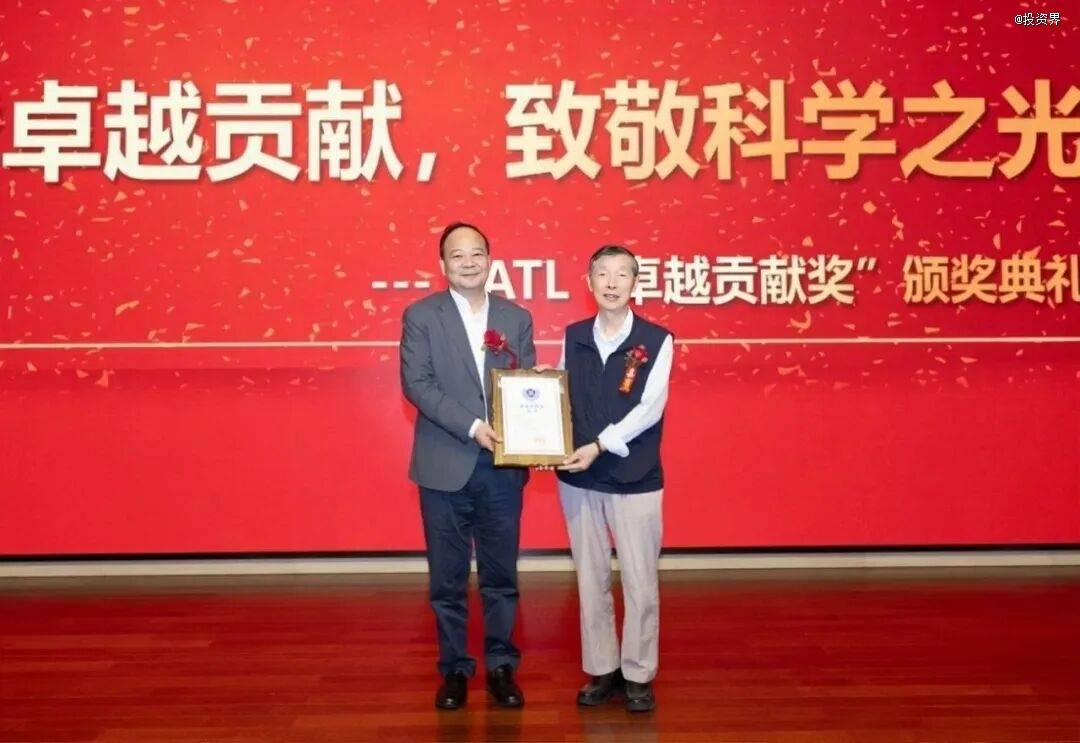
曾毓群老师,要带卫蓝新能源IPO了
Sou Hu Cai Jing· 2025-12-16 09:12
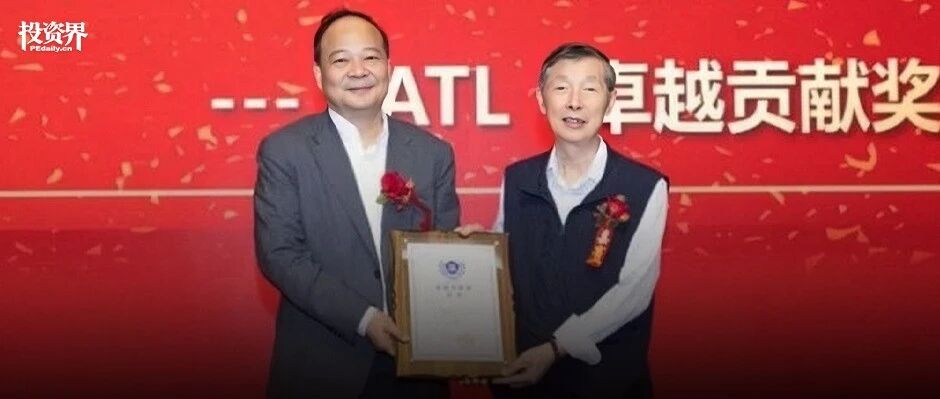
固态电池第一个IPO要诞生了。 投资界获悉,证监会辅导公示系统显示,卫蓝新能源向北京证监局提交IPO辅导备案,拟于创业板上市。 坐落于北京,卫蓝新能源脱胎于中国科学院物理研究所,由来自该所的陈立泉、俞会根、李泓共同发起成立。其中,85岁高龄的院士陈立泉,被誉为"中 国锂电池之父"。外界可能不知道,他不仅是宁德时代创始人曾毓群的博士生导师,还推动了宁德时代的诞生。 梳理下来,星恒电源、溧阳天目先导、中科海钠……一批电池独角兽身后,都有陈立泉的身影,俨然是中国新能源创业隐形教父。 三位大牛联手 北京独角兽要IPO了 故事还要从中国科学院物理所的三位大牛说起。 其中,陈立泉是中国工程院院士、中国科学院物理研究所研究员。他曾相继在中国科学院物理所创立了国内第一个固态离子学实验室,组织召开中国第一 届固体离子学讨论会、成立中国固态离子学学会。 "中国要实现赶超发展,必须发展固态锂电池。"2013年,在宁波举行的一场电池讨论会上,陈立泉前瞻性地提出中国要发展固态锂电池,于是卫蓝新能源 在2016年应运而生。 时至今日,卫蓝新能源已形成北京房山、江苏溧阳、浙江湖州和山东淄博四大产业基地布局,现有年产能达28.2GWh,规划 ...
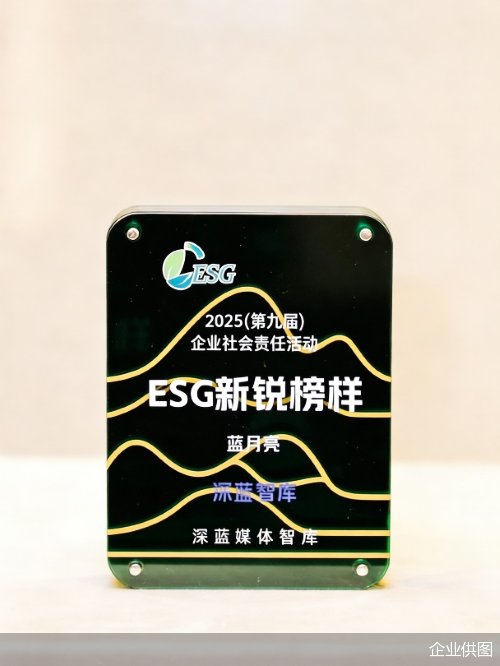
向绿而行!蓝月亮斩获2025年度企业社会责任ESG新锐榜样
Bei Jing Shang Bao· 2025-12-16 08:01
Core Viewpoint - The recognition of Blue Moon Group as the "2025 Corporate Social Responsibility ESG Rising Star" highlights its outstanding performance in environmental, social, and governance (ESG) practices, which are increasingly important for long-term competitiveness in the context of global green transformation and domestic carbon neutrality strategies [1][7]. Group 1: ESG Practices - Blue Moon Group adheres to the ESG action principle of "better products (services), a friendlier environment, and a happier society," emphasizing business ethics and continuous innovation in the cleaning sector [2][3]. - The company has implemented a comprehensive environmental management system focused on "source prevention and full-process control," actively exploring green development across the supply chain [2][6]. Group 2: Green Product Development - Blue Moon's products are centered on green innovation, leading industry upgrades. For instance, if all Chinese consumers used concentrated detergents, it could reduce carbon emissions by 1.7472 million tons annually and save 8.567 billion kWh of electricity [5]. - The company has eliminated harmful ingredients like formaldehyde and methanol, while introducing natural extracts such as seaweed and tremella into its personal care products [5][6]. Group 3: Green Manufacturing and Energy Management - Blue Moon integrates green development into its production processes by enhancing equipment efficiency, optimizing technology, and promoting clean energy, with three factories recognized as national "green factories" [6]. - The company has established a robust energy management system, including solar power projects that are expected to generate over 2,800 MWh annually by 2025 [6]. Group 4: Future Commitment - The award received by Blue Moon is a recognition of its commitment to green development and innovation-driven low-carbon transformation, with plans to continue leading sustainable development in the industry [7].
曾毓群老师,要IPO敲钟了
投资界· 2025-12-16 07:52
Core Viewpoint - The article highlights the upcoming IPO of Weilan New Energy, a company specializing in solid-state batteries, and emphasizes the significant contributions of its founders, particularly Chen Liquan, who is regarded as a pivotal figure in China's lithium battery industry [2][5][15]. Company Overview - Weilan New Energy has submitted its IPO guidance to the Beijing Securities Regulatory Bureau, aiming to list on the ChiNext board [2]. - The company was founded by notable figures from the Chinese Academy of Sciences, including Chen Liquan, who is known as the "Father of Lithium Batteries" [2][5]. - Weilan New Energy's product focus includes solid-state batteries, which utilize solid electrolytes to enhance safety, capacity, and charging efficiency compared to traditional liquid batteries [6][7][10]. Product and Technology - The company proposes the concept of "in-situ solidification," transforming liquid electrolytes into solid-state without changing existing processes [10]. - Key products include: - 360 Wh/kg high energy density power cells, capable of over 1000 km range, delivered to NIO [10]. - 280 Ah ultra-safe energy storage cells, set for delivery in the second half of 2023 [10]. - 320 Wh/kg energy density cells for low-altitude economic applications, supplied to various clients [10]. Production Capacity and Contracts - Weilan New Energy has established four production bases with an annual capacity of 28.2 GWh, planning to exceed 100 GWh in total capacity [11]. - The company recently signed a significant contract worth approximately 4 billion RMB with Shaanxi Forestry Industry Group for solid-state cells and energy storage equipment [11]. Investment and Valuation - Weilan New Energy has attracted substantial venture capital, with a valuation exceeding 18 billion RMB, positioning it as a leading player in the solid-state battery sector [13][15]. - The company has undergone multiple rounds of financing, with notable investors including major VC firms and strategic partners [14][15]. Industry Impact - Chen Liquan's influence extends beyond Weilan New Energy, having mentored numerous successful companies in the battery sector, including CATL [17][18]. - The article underscores the importance of solid-state batteries in achieving China's dual carbon strategy and the broader goals of new energy vehicle development [15].
兴业证券:化工周期拐点即将到来 新兴需求助力升级
Zhi Tong Cai Jing· 2025-12-16 06:39
Group 1: Chemical Industry - The chemical industry is expected to experience a cyclical recovery and industrial upgrade by 2026, following three years of bottom-range operation for chemical products [1] - The growth rate of ongoing projects in the industry continues to decline, and the new capacity release is nearing its end [1] - Domestic policies aimed at stable growth and the Federal Reserve entering a rate-cutting cycle are anticipated to support a mild recovery in traditional chemical product demand [1] - The "anti-involution" trend is expected to accelerate the cyclical turning point, benefiting core chemical assets with global competitive advantages, leading to profit and valuation recovery [1] - Sub-industries such as organic silicon, PTA, polyester filament, caprolactam, spandex, soda ash, PVC, glyphosate, and urea are expected to see profit recovery due to industry self-discipline and price control measures [1] Group 2: Pesticide Industry - The pesticide industry is entering a phase where inventory reduction is nearing completion, with signs of recovery in market conditions [2] - The global pesticide channel inventory is expected to approach reasonable levels by 2025, with some products already seeing price increases [2] - The industry is anticipated to shift towards capacity reduction in the next two years, favoring companies with cost advantages and strong market channels [2] - The concentration of the industry and the pricing power of leading enterprises are expected to increase [2] - Domestic companies are making significant progress in the research, production, and marketing of innovative pesticides, with leading firms likely to achieve high value-added upgrades [2] Group 3: Tire Industry - The tire industry is facing an upgrade in international trade barriers, which may present opportunities for companies with global layouts [3] - The EU's anti-dumping investigation against Chinese tires is expected to conclude by early 2026, potentially leading to higher tariffs [3] - If high anti-dumping duties are imposed, domestic semi-steel tire exports may be hindered, creating a demand gap in the EU market that could be filled by other regions [3] - This supply-demand mismatch may lead to price increases, benefiting leading tire companies with overseas production bases and expansion plans [3] Group 4: Emerging Industries - The path to carbon reduction is challenging, but the AI industry continues to thrive alongside the development of sustainable aviation fuel (SAF), bio-based materials, carbon capture, utilization, and storage (CCUS), electronic resins, liquid cooling materials, and lithium battery materials [4] - Europe is set to initiate its SAF era in 2025, with mandatory standards for bio-based plastics expected by 2027 [4] - CCUS is a core component of the European Green Deal, and similar policies are anticipated in China under its dual carbon strategy [4] - The demand for AI computing power remains strong, with electronic resins and liquid cooling materials identified as key upgrade directions [4] - AIDC storage is expected to become a significant growth area for lithium battery materials [4]
