
习近平新时代中国特色社会主义思想

Search documents
重视学习 善于学习
Zhong Yang Ji Wei Guo Jia Jian Wei Wang Zhan· 2025-11-25 00:33
Group 1 - The core viewpoint emphasizes the importance of continuous learning for the Communist Party of China (CPC) to maintain its vitality and effectiveness in governance [3][4][9] - The CPC has historically prioritized learning as a means to enhance its capabilities and adapt to changing circumstances, which is seen as essential for its success [4][6] - Recent initiatives have focused on integrating learning into the party's operational framework, ensuring that theoretical knowledge translates into practical applications [10][11] Group 2 - The CPC's commitment to learning is reflected in various educational campaigns and programs aimed at reinforcing party discipline and ideological coherence among its members [5][9] - Continuous learning is viewed as a necessary response to contemporary challenges, enabling the CPC to remain competitive and effective in governance [6][8] - The establishment of structured learning mechanisms and the promotion of a culture of learning within the party are critical for fostering a robust cadre of leaders [11]

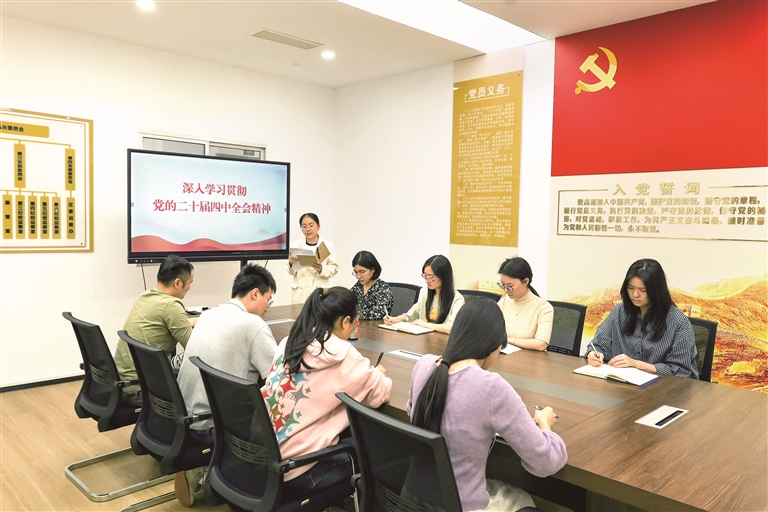
以理论宣讲新范式推动党的创新理论“飞入寻常百姓家”
Si Chuan Ri Bao· 2025-11-23 22:57
Core Viewpoint - The article emphasizes the importance of enhancing the theoretical dissemination of the Party's innovative theories through diverse and effective means, adapting to new technological advancements and societal needs [1][2][3]. Group 1: Theoretical Dissemination - The article highlights the necessity of building a strong traditional team for theoretical dissemination while also breaking conventional thinking to include diverse participants from the public [1][3][4]. - It stresses the need to accurately grasp the new temporal and spatial logic, structural system, and dissemination ecology of the Party's innovative theories, utilizing emerging technologies to broaden the dimensions of dissemination [1][6][7]. Group 2: New Paradigms in Theoretical Dissemination - The article proposes a new paradigm for theoretical dissemination that focuses on breaking the boundaries of traditional subjects, elevating intermediary methods, and activating the audience [2][3][4]. - It suggests that the construction of a new paradigm should start from the subject, emphasizing the role of people as active participants in the dissemination process [3][4]. Group 3: Digital Empowerment - The article discusses the role of digital technology as a transformative force in the dissemination of theoretical content, advocating for the integration of artificial intelligence and other digital tools to enhance the reach and effectiveness of theoretical communication [5][6][7]. - It emphasizes the need for a multi-modal content generation approach, utilizing AI to create diverse forms of theoretical content that are visually engaging and easily digestible for the audience [7]. Group 4: Audience Engagement - The article underscores the importance of activating the audience's engagement with the Party's innovative theories, aiming to enhance their political, ideological, theoretical, and emotional recognition of these theories [8][9]. - It calls for a focus on making theoretical content relatable and accessible, ensuring that it resonates with the everyday experiences and values of the people [8][9][10].
王沪宁在广东调研
Xin Hua She· 2025-11-23 11:48
Core Points - Wang Huning emphasized the importance of implementing the spirit of the 20th Central Committee's Fourth Plenary Session to advance Chinese-style modernization and unify efforts [2][4] Group 1: Policy and Governance - The construction of the Qianhai Shenzhen-Hong Kong Modern Service Industry Cooperation Zone is a significant measure for deepening reform and opening up, aiming to explore replicable experiences to enhance the Guangdong-Hong Kong-Macao Greater Bay Area [3] - The People's Political Consultative Conference (PPCC) should focus on studying and implementing the spirit of the 20th Central Committee's Fourth Plenary Session as a major political task, concentrating on significant strategies and tasks set by the Party Central Committee [4] Group 2: Economic Development - Policies to promote the development of the private economy must be effectively implemented, guiding private enterprises towards high-quality development [3] - Strengthening cross-strait economic and cultural exchanges is essential to help Taiwanese-funded enterprises better integrate into the new development pattern [3] Group 3: Cultural and Historical Significance - The year marks the 80th anniversary of the victory in the Chinese People's War of Resistance Against Japanese Aggression, highlighting the need to promote the great spirit of resistance and pass on the red gene to the youth [3] Group 4: Rural Development - Emphasis on developing rural characteristic industries based on local conditions and integrating agriculture, culture, and tourism for rural revitalization [3] Group 5: Religious Affairs - The governance of religious affairs should be improved by implementing the Party's basic policies on religious work and enhancing the rule of law in managing religious matters [3]
王沪宁在广东调研时强调 深入贯彻落实党的二十届四中全会精神 为推进中国式现代化凝心聚力
Xin Hua She· 2025-11-23 11:26
王沪宁 还到深圳市政协机关、惠州市惠城区政协机关调研,看望在深圳市、惠州市的全国政协委 员和政协机关干部。他表示,人民政协要把深入学习贯彻党的二十届四中全会精神作为重大政治任务, 聚焦党中央部署的重大战略、重大任务、重大举措,深入调查研究,积极协商议政,以高质量议政建言 服务党和国家中心工作。 新华社深圳11月23日电(记者丁小溪)中共中央政治局常委、全国政协主席 王沪宁 21日至23日在 广东深圳、惠州调研。他表示,要坚持以 习近平 新时代中国特色社会主义思想为指导, 深入贯彻落实 党的二十届四中全会精神和 习近平总书记 在广东考察时的重要讲话精神 ,聚焦党和国家中心任务做好 党的统战工作和人民政协工作,为确保基本实现社会主义现代化取得决定性进展凝聚人心、凝聚共识、 凝聚智慧、凝聚力量。 王沪宁 在听取前海深港现代服务业合作区介绍后表示,建设前海深港现代服务业合作区是推进全 面深化改革开放的重大举措,要探索更多可复制可推广的经验,为推进粤港澳大湾区建设发挥更大作 用。在参观东江纵队纪念馆时他表示,今年是中国人民抗日战争暨世界反法西斯战争胜利80周年,要弘 扬伟大抗战精神,讲好抗战故事,引导广大群众特别是青少 ...
“十四五”首都高校答卷|贸大:强化“外”字为特色的学科群建设
Xin Jing Bao· 2025-11-23 10:35
"全面建成社会主义现代化强国,高等教育何为?加快建设教育强国,贸大何为?加快建设特色鲜明的世界一流贸 大,我们何为?"2023年9月27日,中国共产党对外经济贸易大学第十三次党员代表大会召开。学校统筹制定校院 两级《高质量发展三年行动计划(2023-2025)》,进一步明确"时间表""任务书",以"三强三问"引领学校事业高 质量发展。对外经济贸易大学党委书记黄宝印在大会上强调,"要坚定走出建设特色鲜明、世界一流大学的贸大新 路。" 新增国家安全学博士点、会计和法律专业博士点,成立涉外法治研究院、世界重要教育中心研究院,组建经济学 院、文学与国际传播学院、海南国际学院。加快新文科实验室建设,形成以数字经济实验室为公共平台,以全球 价值链实验室和国家安全实验室为两翼的"1+2+N+X"建制的科研实验室建设布局。 人才兴则事业兴。在第四十一个教师节来临前夕,金融高水平开放教师团队成功入选第四批"全国高校黄大年式教 师团队",这是继会计与财务管理教师团队、国际贸易教师团队后学校第三支入选的教师团队。 马克思主义学院王志民老师获评"全国模范教师",多位教师荣获北京市优秀教师、北京教育系统"育人榜样(先 锋)"、北京市育 ...
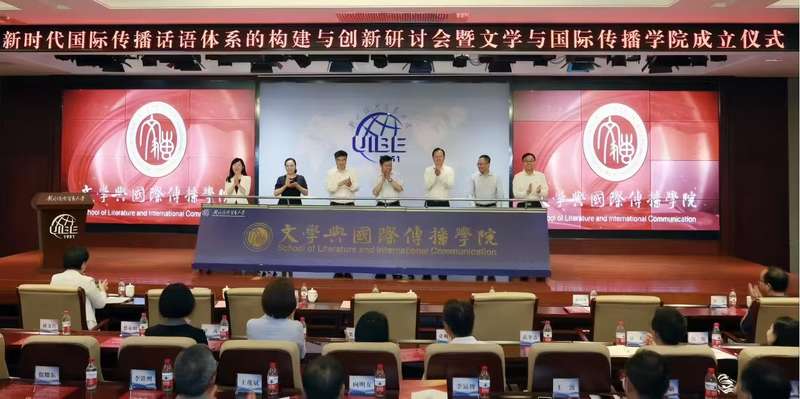
全省民族团结进步表彰会议召开坚持以铸牢中华民族共同体意识为主线不断开创江苏民族团结进步事业新局面信长星讲话 刘小涛主持 张义珍出席
Xin Hua Ri Bao· 2025-11-20 23:30
信长星强调,全省各级党委政府要把民族工作摆上重要议事日程,主要负责同志带头学习党的民族 理论和政策,及时研究解决民族工作中的重大问题,支持民族工作部门更好履职尽责。各有关部门要密 切协作,健全铸牢中华民族共同体意识制度机制,营造关心支持民族工作的浓厚氛围,凝聚起做好新时 代民族工作的合力。 省委常委、省委秘书长储永宏宣读表彰决定,省领导向受表彰的集体和个人颁奖,受表彰代表作了 发言。 省委常委,省人大常委会、省政府、省政协有关领导同志,省有关部门单位、省人大省政协有关专 门委员会负责同志,各设区市有关负责同志,少数民族群众和学生代表等参加会议。 11月20日,全省民族团结进步表彰会议在南京召开。省委书记信长星出席并讲话。他强调,要深入 学习贯彻习近平总书记关于加强和改进民族工作的重要思想,认真落实全国民族团结进步表彰大会精 神,坚持以铸牢中华民族共同体意识为主线,画好民族团结同心圆,不断开创江苏民族团结进步事业新 局面。省长刘小涛主持,省政协主席张义珍出席。 信长星代表省委、省政府向受到表彰的模范集体和个人表示祝贺,向全省民族工作战线的同志们表 示问候,向关心支持江苏民族团结进步事业的各界人士表示感谢。他指出 ...
坚持党校姓党 努力为党育才、为党献策——全省党校(行政学院)系统工作综述
He Nan Ri Bao· 2025-11-19 23:19
Core Viewpoint - The article emphasizes the importance of party schools in the development of the Communist Party of China, highlighting their role in education and training for party members and officials, guided by Xi Jinping's thoughts and principles [1][2]. Group 1: Party School Principles and Responsibilities - The principle of "Party schools serve the Party" is fundamental to the operations of party schools, ensuring alignment with the Party's overall goals and responsibilities [2]. - The article outlines the "Ten Musts" proposed by Xi Jinping, which encapsulate essential guidelines for party school operations, enhancing the understanding of the Party's role in education [2]. - Party schools are tasked with providing robust support for the Party's initiatives, including training programs focused on the implementation of the Party's policies and directives [2][4]. Group 2: Educational Quality and Training Programs - The article highlights the commitment to high-quality education, with over 20 provincial-level premium courses developed in the past three years, reflecting a rising satisfaction in teaching evaluations [3]. - A comprehensive training system is established, integrating theoretical education, party spirit education, and practical skills training, ensuring that party members are well-equipped for their roles [4]. - The focus on political training and loyalty education aims to create a holistic approach to party member development, incorporating various educational resources and methodologies [4]. Group 3: Systematic Development and Collaboration - The newly revised regulations emphasize a systematic approach to party school operations, promoting resource integration and collaborative efforts across different levels of party schools [5]. - The establishment of a provincial party school information management system facilitates shared training resources and enhances the overall functionality of the party school network [5]. Group 4: Research and Policy Contribution - Party schools play a crucial role in providing strategic insights and research to support the Party's decision-making processes, with significant contributions to local governance and economic development [6]. - The formation of a think tank alliance within the party school system aims to enhance the quality and impact of research outputs, ensuring they are relevant and actionable [6]. - The article notes the importance of grassroots outreach through public lectures and campaigns to disseminate the Party's theories and policies effectively [6].
学习贯彻党的二十届四中全会精神湘江科学城(长沙)互动宣讲活动举行
Chang Sha Wan Bao· 2025-11-19 02:34
Core Points - The event focused on the implementation of the spirit of the 20th Central Committee of the Communist Party of China, emphasizing its significance for future economic and social development [1][2] - The discussion highlighted the importance of integrating the spirit of the 20th Central Committee with practical work to guide actions and promote high-quality development in the region [3][4] Group 1: Theoretical Insights - The presentation by Li Chunqiu emphasized five key questions regarding the importance of the 20th Central Committee meeting and its implications for the "14th Five-Year Plan" and "15th Five-Year Plan" periods [2] - The meeting's theme was described as significant, with rich content and profound implications, urging participants to integrate the learning of the meeting's spirit with Xi Jinping's thoughts on socialism with Chinese characteristics for a new era [2][3] Group 2: Practical Applications - Participants expressed a commitment to internalizing the meeting's spirit and applying it to their work, aiming to contribute positively to the construction of Chinese-style modernization [3][4] - Li Chunqiu discussed strategies for attracting and retaining young talent in Hunan, emphasizing the importance of creating a friendly environment for young people to settle in the province [5][6] Group 3: Innovation and Development - The discussion included the need for a comprehensive approach to support technology-driven startups, addressing challenges in financing and operational support [5][6] - Li Chunqiu highlighted the integration of technological innovation with industrial innovation as a critical requirement for developing new productive forces and achieving the goals set by the 20th Central Committee [7]
关于认真组织学习《习近平法治思想学习纲要(2025年版)》的通知
Ren Min Ri Bao· 2025-11-18 22:51
Core Viewpoint - The recent issuance of the "Xi Jinping Thought on the Rule of Law Learning Outline (2025 Edition)" aims to deepen the understanding and implementation of Xi Jinping's thoughts on law and governance, reflecting the original contributions of Xi Jinping's thought in the legal field and providing authoritative resources for learning and application [2][3]. Group 1 - The "2025 Edition" of the learning outline systematically explains the basic spirit, content, and requirements of Xi Jinping's thought on the rule of law, marking a significant development in the understanding of socialist legal theory with Chinese characteristics [2][3]. - The outline is intended to serve as an important resource for party committees, training programs, and the education of party members, emphasizing the need for comprehensive and practical learning [3][4]. Group 2 - There is a strong emphasis on the necessity for party members to deeply understand the significance, core essence, and practical requirements of Xi Jinping's thought on the rule of law, promoting the use of this thought to address real-world issues [3][4]. - The initiative encourages a broad learning and promotional effort to ensure that the principles of Xi Jinping's thought are integrated into the political and ideological framework of the party and society, fostering unity and commitment to the socialist rule of law [4].
中共中央宣传部、中央全面依法治国委员会办公室发出关于认真组织学习《习近平法治思想学习纲要(2025年版)》的通知
Xin Hua She· 2025-11-18 14:01
Core Points - The Central Committee of the Communist Party of China has issued a notice to organize the study of the "Xi Jinping Thought on the Rule of Law Learning Outline (2025 Edition)" [1][2] - The 2025 Edition reflects the original contributions of Xi Jinping's thought in the field of law and provides a systematic explanation of its basic spirit, content, and requirements [2][3] - The emphasis is on using Xi Jinping's thought to guide practice and improve the ability to analyze and solve practical problems through legal thinking [3][4] Group 1 - The "Xi Jinping Thought on the Rule of Law" is positioned as a significant innovation in the development of socialist legal theory with Chinese characteristics [1][2] - The 2025 Edition serves as an authoritative resource for cadres and the public to deepen their understanding of Xi Jinping's legal thought [2][3] - The study of this thought is essential for maintaining political alignment with the central leadership and advancing the rule of law in China [4] Group 2 - The notice calls for comprehensive and systematic learning, timely updates, and practical application of Xi Jinping's legal thought [3][4] - It highlights the importance of enhancing awareness and confidence in the socialist legal path under Xi Jinping's leadership [4] - The goal is to unite efforts in building a modern socialist country through the rule of law [4]