
一个中国原则

Search documents
国务院台办:民进党当局欺骗舆论 欺骗民众
Jing Ji Guan Cha Wang· 2025-11-05 05:10
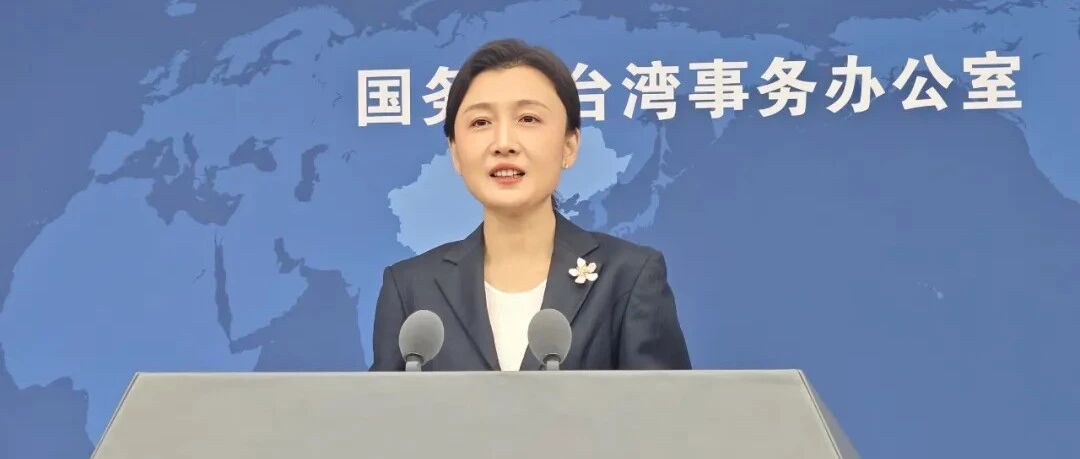
国务院台办发言人张晗表示,只要承认一个中国原则和"九二共识",两岸就能恢复接触商谈。民进党当 局一面大肆鼓吹"两国论",公然进行"台独"挑衅;一面奢谈所谓接触商谈,完全是欺骗舆论,欺骗民 众。 经济观察网 据央视新闻客户端消息,11月5日,国务院台办举行新闻发布会,有记者问,台行政机构负 责人卓荣泰日前抛出两岸高层交流"四个前提",声称只要大陆"不设前提、不扣帽子、不坚持台湾是其 一部分",并以"'中华民国'和中华人民共和国互不隶属"为立场对谈,台湾便愿意两岸接触。对此有何评 论? ...
岛内舆论关注大陆系列举措 国台办:台湾问题事关国家核心利益和中国人民民族感情
Xin Hua She· 2025-11-05 03:50
Core Viewpoint - The Chinese government emphasizes the importance of Taiwan as a core national interest and aims to promote peace and unity among compatriots across the Taiwan Strait, while firmly opposing "Taiwan independence" movements [1][2]. Group 1: Recent Initiatives - The Chinese government has launched a series of initiatives, including the establishment of Taiwan Recovery Day and new policies to facilitate the entry of Taiwanese citizens, reflecting a strategic shift in its approach to Taiwan [1]. - The commemoration of the 80th anniversary of Taiwan's recovery is seen as a significant expression of national will and a reinforcement of historical facts regarding Taiwan's status [1]. Group 2: Policy Direction - The government plans to deepen understanding and implementation of the Communist Party's directives regarding Taiwan, adhering to the "One China" principle and the "1992 Consensus," while opposing external interference [2]. - There is a commitment to enhance cross-strait exchanges and cooperation, aiming to share the benefits of China's modernization with Taiwanese compatriots [2].
国台办回应大陆对台政策进入新阶段:尊重、关爱、造福台湾同胞,持续深化两岸交流合作、融合发展,共享中国式现代化发展机遇和成果
Ge Long Hui· 2025-11-05 03:49
【免责声明】本文仅代表作者本人观点,与和讯网无关。和讯网站对文中陈述、观点判断保持中立,不对所包含内容 的准确性、可靠性或完整性提供任何明示或暗示的保证。请读者仅作参考,并请自行承担全部责任。邮箱: news_center@staff.hexun.com 格隆汇11月5日|国务院台办5日上午举行例行新闻发布会,新任发言人张晗亮相并回答记者提问。张晗 表示,台湾问题事关国家核心利益和中国人民民族感情。我们将坚持一个中国原则和"九二共识",坚决 反对"台独"分裂行径和外部势力干涉,尊重、关爱、造福台湾同胞,持续深化两岸交流合作、融合发 展,共享中国式现代化发展机遇和成果,同广大台湾同胞一道推动两岸关系和平发展,共襄祖国统一、 民族复兴伟业。 (责任编辑:宋政 HN002) ...
大陆对台政策进入新阶段?国台办回应
财联社· 2025-11-05 02:55
Core Viewpoint - The article discusses the recent initiatives by the Chinese government regarding Taiwan, emphasizing the establishment of Taiwan Liberation Memorial Day and other measures aimed at enhancing cross-strait relations and promoting national unity [1][2]. Group 1: Government Initiatives - The establishment of Taiwan Liberation Memorial Day is a significant move, reflecting the people's will and national intent, aimed at commemorating Taiwan's return to the motherland [1]. - The Chinese government is increasing the frequency of press conferences and engaging in various activities to promote the narrative of national unity and the importance of historical awareness among Taiwanese people [1]. Group 2: Policy Stance - The government reaffirms its commitment to the "One China" principle and the "1992 Consensus," opposing any separatist actions and foreign interference [2]. - There is a focus on enhancing the welfare of Taiwanese compatriots and fostering deeper cross-strait exchanges and cooperation to share the benefits of China's modernization [2].

人民日报:台湾光复昭示祖国必定统一
财联社· 2025-11-04 03:01
Core Viewpoint - The article emphasizes that Taiwan's return to China is a significant outcome of the Chinese people's victory in the Anti-Japanese War and is an integral part of the post-war international order, supported by solid legal and historical foundations [1][2][3]. Group 1: Historical Context - The return of Taiwan to China is framed as a major historical event that restored Chinese sovereignty over Taiwan, which is considered an inseparable part of China [2]. - The article cites that during the Anti-Japanese War, over 35 million Chinese military and civilian casualties occurred, with direct economic losses exceeding 100 billion USD and indirect losses over 500 billion USD [2]. Group 2: Legal and International Framework - A series of international legal documents, including the Cairo Declaration and the Potsdam Proclamation, clearly affirm China's sovereignty over Taiwan, establishing its return as a historical and legal fact [2]. - The establishment of the People's Republic of China in 1949 replaced the Republic of China as the sole legitimate government representing all of China, maintaining the country's sovereignty and territorial integrity, including Taiwan [2]. Group 3: Current Political Dynamics - The article criticizes the Democratic Progressive Party's stance on "Taiwan independence," arguing that it distorts historical facts and undermines the established status of Taiwan as part of China [3]. - It highlights that 183 countries have established diplomatic relations with the People's Republic of China, supporting its position on the Taiwan issue, indicating broad international consensus against any attempts to separate Taiwan from China [3].

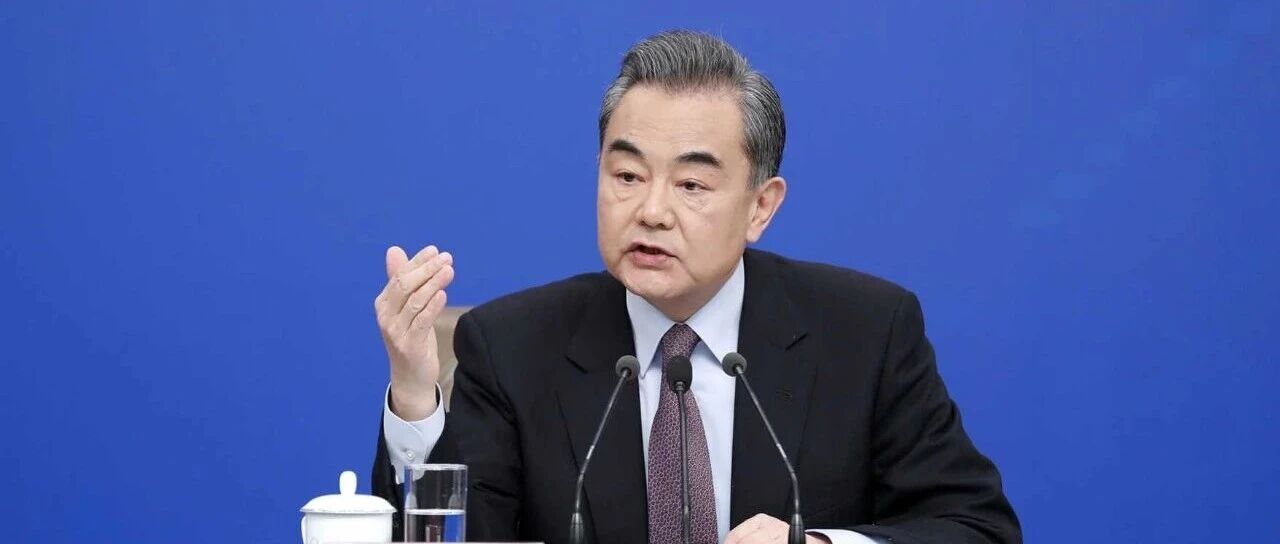
王毅:中国曾无条件支持德国统一,希望经历分裂之痛的德国能充分理解和支持中国维护国家的主权和领土完整,反对一切“台独”行径
第一财经· 2025-11-04 01:22
Group 1 - The core viewpoint of the article emphasizes the importance of mutual respect and cooperation in the development of Sino-German relations, highlighting that both countries should maintain a healthy and stable relationship for mutual benefits and global peace [1][2] - Wang Yi stated that the Taiwan issue is a matter of China's internal affairs and a core interest, asserting that the One China principle is the most important political foundation for Sino-German relations [1] - Wang Yi expressed the need for a more stable and sustainable policy framework to ensure that bilateral relations remain on the right track [1] Group 2 - The German Foreign Minister, Baerbock, emphasized the importance of the relationship with China and expressed a desire for further communication on significant issues, reaffirming Germany's commitment to the One China policy [2] - Baerbock highlighted the successful diplomatic and security strategic dialogue held in July and expressed eagerness to visit China for deeper discussions [2]
人民日报:台湾光复昭示祖国必定统一
Ren Min Ri Bao· 2025-11-04 01:17
台湾光复是中国政府恢复对台湾行使主权的重大历史事件,是台湾作为中国不可分割一部分法理链条的 重要一环。包括《开罗宣言》《波茨坦公告》在内的一系列国际法文件,早已无可辩驳地明确了中国对 台湾的主权,明确台湾回归中国的历史和法理事实,其权威性不容质疑和挑战。1949年10月1日,中华 人民共和国中央人民政府宣告成立,取代中华民国政府成为代表全中国的唯一合法政府。这是在中国这 一国际法主体没有发生变化情况下的政权更替,中国的主权和固有领土疆域没有改变,中华人民共和国 政府理所当然地完全享有和行使中国的主权,其中包括对台湾的主权。中国人民大学两岸关系研究中心 主任王英津表示,台湾回归中国是战后国际秩序的一部分,这既是历史事实,也是国际定论,捍卫一个 中国原则是维护战后国际秩序的必然要求。 张 烁 台湾地位问题早在1945年中国人民抗日战争胜利时就已经彻底解决。赖清德及民进党当局顽固坚持"台 独"分裂立场,不仅歪曲历史事实,"只提终战,不提光复",甚至勾连外部势力鼓噪所谓"台湾地位未 定"的谎言谬论,妄图"倚外谋独""以武谋独"、改变台湾是中国的一部分的地位。鼓吹"台独"就是分裂 国家,支持"台独"就是干涉中国内政,纵 ...
纪念台湾光复80周年,维护联大第2758号决议权威”会议在联合国举行
Ren Min Ri Bao· 2025-11-04 00:42
Core Points - The meeting commemorating the 80th anniversary of Taiwan's recovery was held at the UN, attended by nearly 40 countries, reaffirming the significance of UN General Assembly Resolution 2758 and supporting China's efforts for national reunification [1][4] - The resolution, passed in 1971, restored all rights to the People's Republic of China (PRC) and recognized it as the sole legitimate representative of China in the UN, effectively resolving the representation issue of Taiwan [2][3] - Various representatives emphasized the importance of the one-China principle and the authority of Resolution 2758, condemning any external interference in China's internal affairs [1][4][5] Summary by Sections Historical Context - Resolution 2758 was passed on October 25, 1971, by an overwhelming majority, restoring the PRC's rights and expelling the representative of the Kuomintang [2] - The resolution is viewed as a milestone in UN history, reflecting principles of international justice and equality [3] Current Developments - The Chinese government has established October 25 as Taiwan Recovery Day, marking the 80th anniversary of Taiwan's return [6] - The commemoration is seen as a reminder of historical achievements and a reaffirmation of the one-China principle [7] International Support - Representatives from Algeria, Nicaragua, Burundi, and Brazil expressed unwavering support for the one-China principle and recognized the PRC as the only legitimate government representing all of China [3][7][8] - The meeting highlighted China's contributions to global peace and development since its return to the UN [8]
“纪念台湾光复80周年,维护联大第2758号决议权威”会议在联合国举行
Ren Min Ri Bao· 2025-11-03 22:20
Core Points - The meeting held by the Chinese Permanent Mission to the United Nations commemorated the 80th anniversary of Taiwan's recovery and emphasized the importance of UN General Assembly Resolution 2758, which restored the People's Republic of China's (PRC) legitimate seat in the UN [1][4] - Representatives from nearly 40 countries reaffirmed their commitment to the one-China principle and supported China's efforts for peaceful reunification, opposing any external interference in China's internal affairs [1][4] Summary by Sections Historical Context - UN General Assembly Resolution 2758 was passed on October 25, 1971, by an overwhelming majority, restoring all rights to the PRC and recognizing it as the sole legitimate representative of China in the UN [2] - The resolution effectively resolved the representation issue of all of China, including Taiwan, and its legitimacy and authority are not subject to challenge [2][3] International Support - Various countries, including Algeria and Nicaragua, expressed strong support for the one-China principle and highlighted the significance of Resolution 2758 as a cornerstone for addressing Taiwan-related issues [3][5] - Representatives from countries like Burundi and Brazil reiterated their commitment to the one-China principle, emphasizing that Taiwan is an inseparable part of China [7][8] Current Implications - The Chinese representative at the UN stated that Taiwan is an inseparable part of China's territory, and any distortion of Resolution 2758 is a challenge to international order and UN authority [4][5] - The recent decision by the National People's Congress to establish October 25 as Taiwan Recovery Day reflects the legal recognition of Taiwan's status as part of China [6] Historical Significance - The commemoration of Taiwan's recovery is seen as a reminder of the historical contributions of the Chinese people during World War II and the importance of respecting international law and order [7][8]
台湾光复昭示祖国必定统一
Ren Min Ri Bao· 2025-11-03 22:20
Core Viewpoint - The conference emphasized that Taiwan's return to China is a significant outcome of the Chinese people's victory in the Anti-Japanese War and is an integral part of the post-war international order, supported by solid legal and historical foundations [1][2][3] Group 1: Historical Context - The return of Taiwan to China is viewed as a major historical event that restored Chinese sovereignty over Taiwan, which is considered an inseparable part of China [2] - The Anti-Japanese War resulted in over 35 million casualties and direct economic losses exceeding $100 billion, highlighting the immense sacrifices made by the Chinese people [2] Group 2: Legal and International Framework - International legal documents such as the Cairo Declaration and the Potsdam Proclamation clearly affirm China's sovereignty over Taiwan, establishing its return as a historical and legal fact [2] - The establishment of the People's Republic of China in 1949 replaced the Republic of China as the sole legitimate government representing all of China, maintaining the country's territorial integrity, including Taiwan [2] Group 3: Current Political Dynamics - The persistence of "Taiwan independence" rhetoric by certain political factions is seen as a distortion of historical facts and a challenge to international order, which is deemed dangerous and unlikely to succeed [3] - The Chinese government aims to promote peaceful development of cross-strait relations and advance national reunification, which is viewed as an inevitable trend supported by the majority of the international community [3]