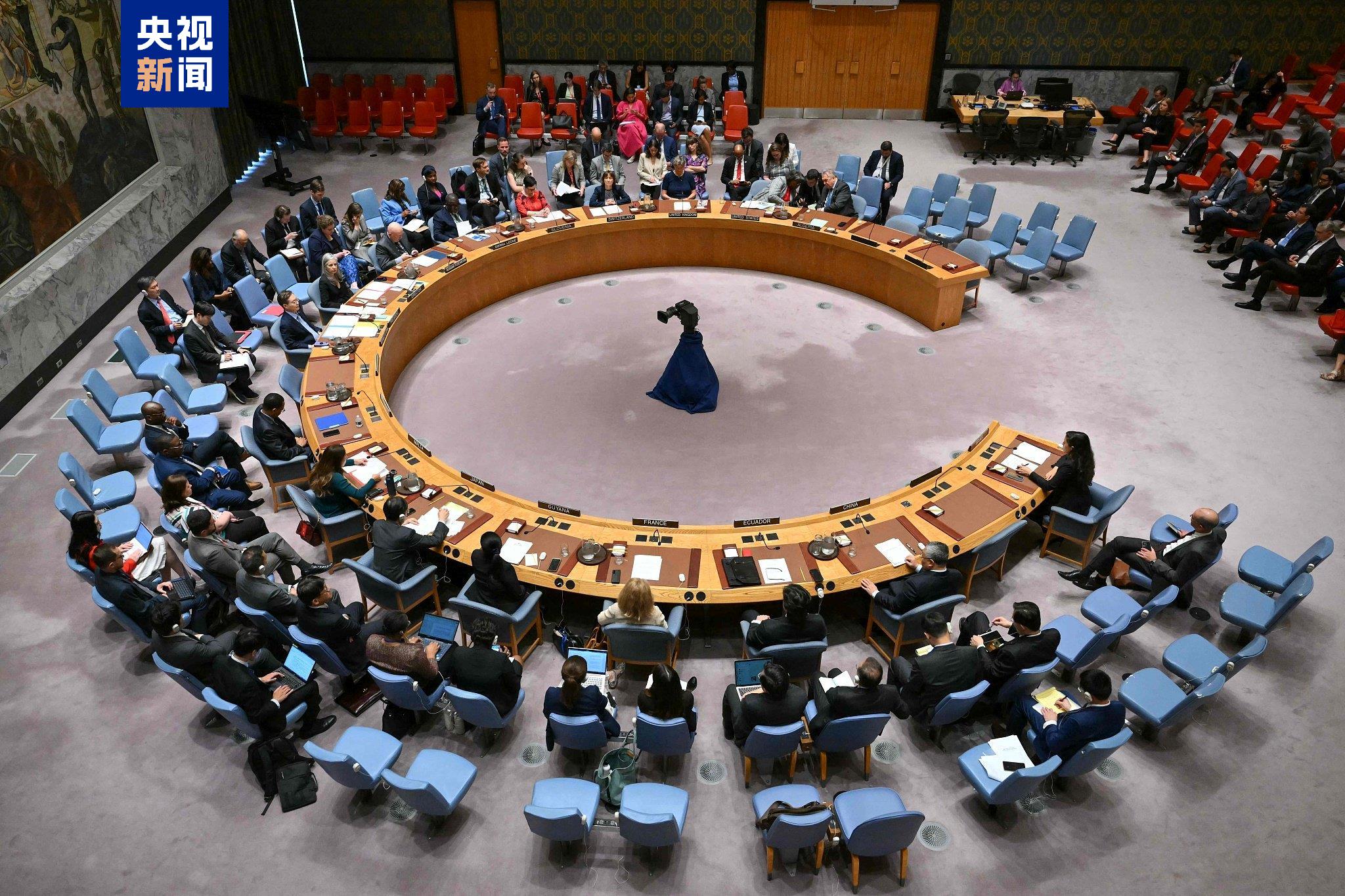
伊核协议

Search documents
“迄今最严厉移民驱逐行动之一”,外媒爆:特朗普政府包机遣返约百名伊朗人
Huan Qiu Wang· 2025-09-30 07:20
Group 1 - The Trump administration is set to deport approximately 100 Iranians from the United States back to Iran, marking one of the most severe immigration enforcement actions to date [1][3] - A U.S. charter flight has already departed from Louisiana and is expected to arrive in Iran via Qatar, with the deportation plan confirmed to be in its final stages [3] - The United Nations has restored sanctions against Iran as of September 27, following the completion of the "snapback" mechanism in the Iran nuclear deal, with the European Union also confirming the reinstatement of sanctions on September 29 [3] Group 2 - Since April, the U.S. and Iran have engaged in five rounds of indirect negotiations mediated by Oman, but significant disagreements remain on key issues such as uranium enrichment [3] - The sixth round of negotiations, originally scheduled for June 15, was canceled due to an Israeli attack on Iran, which escalated tensions and led to military responses from both sides [3] - In response to Iran's violations of the nuclear agreement, the UK, France, and Germany initiated the "snapback" mechanism to pressure Iran into resuming negotiations [3]

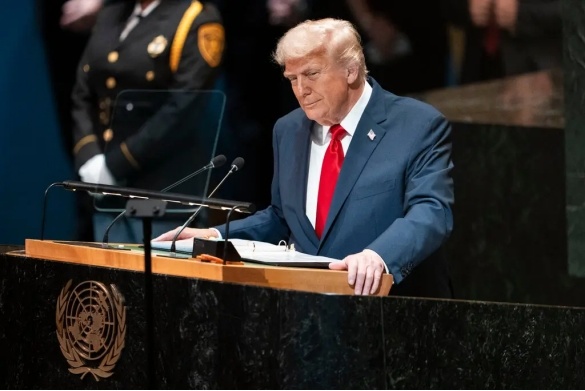
欧盟重新对伊朗实施制裁
Xin Hua She· 2025-09-29 14:32
伊核协议参与方英国、法国、德国8月28日通知联合国安理会,以伊朗违反核协议为由,启动"快速恢复 制裁"机制。根据该机制,除非安理会就继续解除对伊朗制裁通过决议,否则联合国2015年以前对伊朗 的制裁将在30天内恢复。 联合国安理会9月26日就一份旨在延长2015年伊朗核问题全面协议与核可该协议的安理会第2231号决议 的决议草案进行表决。决议草案未获通过。中国常驻联合国副代表耿爽在表决后作解释性发言,对表决 结果深表遗憾。他说,中方始终主张,对话谈判和外交手段是解决伊核问题的唯一可行选项,政治解决 伊核问题是维护中东和平稳定的唯一正确途径。 伊朗外交部28日发表声明说,英国、法国、德国与美国违背协议、拒绝对话,试图恢复已终止的联合国 对伊制裁措施,伊朗已向联合国秘书长致函,阐明伊朗拒绝四国做法的立场。 新华社布鲁塞尔9月29日电(记者丁英华张兆卿)欧盟理事会29日发布公告,决定重新对伊朗实施一系 列制裁措施。这些制裁措施曾于2015年《联合全面行动计划》(即伊核协议)生效后被暂停执行。 公告说,重新实施的制裁措施包括针对个人实施旅行禁令,对个人及实体实施资产冻结,以及禁止向被 列入名单的对象提供资金或经济资源 ...
欧盟重启对伊朗制裁措施
证券时报· 2025-09-29 10:40
欧盟理事会当地时间9月29日发布新闻公报称,当天重新对伊朗实施一系列制裁措施。这些措施此前因2015年达成的伊核协议的生效而暂停。 欧盟此次重新实施的制裁涵盖旅行禁令、资产冻结、经济与金融制裁,并涉及贸易、金融和运输领域。具体包括禁止向伊朗出口武器和与核活动相关的设 备,限制石油、天然气及石化产品的进口与运输,冻结伊朗中央银行及主要商业银行资产,以及禁止伊朗货运航班进入欧盟机场等。 版权声明 伊朗外交部发言人回应欧美恢复对伊制裁:毫无正当性且非法 伊朗外交部发言人巴盖伊29日在社交媒体上表示,美国和英国、法国、德国企图恢复已废止的联合国安理会涉伊核问题决议毫无正当性且非法。 巴盖伊指出,安理会未能延长第2231号决议,反映出所谓"规则为本体系"的虚伪本质:美国单方面发出指令,英、法、德三欧洲国家则加以追随。 巴盖伊强调,三欧洲国家滥用伊核协议争端解决机制,不会改变一个基本法律事实:根据安理会第2231号决议,所有涉伊核限制措施必须于2025年10月18日 按期终止。任何恢复已终止制裁的举动都应视为无效。 英国、法国、德国和美国于9月27日称,伊核协议"快速恢复制裁"机制已完成流程,联合国对伊朗的相关制裁于美东 ...

欧盟重启对伊朗制裁措施
中国能源报· 2025-09-29 09:44
欧盟理事会当地时间9月2 9日发布新闻公报称,当天重新对伊朗实施一系列制裁措施。 这些措施此前因2 0 1 5年达成的伊核协议的生效而暂停。 欧盟此次重新实施的制裁涵盖旅行禁令、资产冻结、经济与金融制裁,并涉及贸易、金融 和运输领域。具体包括禁止向伊朗出口武器和与核活动相关的设备,限制石油、天然气及 石化产品的进口与运输,冻结伊朗中央银行及主要商业银行资产,以及禁止伊朗货运航班 进入欧盟机场等。 来源:央视新闻客户端 End 欢迎分享给你的朋友! 出品 | 中国能源报(c n e n e rg y) 编辑丨闫志强 ...
欧盟重启对伊朗制裁措施
Yang Shi Xin Wen· 2025-09-29 08:38
(文章来源:央视新闻) 欧盟理事会当地时间9月29日发布新闻公报称,当天重新对伊朗实施一系列制裁措施。这些措施此前因 2015年达成的伊核协议的生效而暂停。 欧盟此次重新实施的制裁涵盖旅行禁令、资产冻结、经济与金融制裁,并涉及贸易、金融和运输领域。 具体包括禁止向伊朗出口武器和与核活动相关的设备,限制石油、天然气及石化产品的进口与运输,冻 结伊朗中央银行及主要商业银行资产,以及禁止伊朗货运航班进入欧盟机场等。 ...
24小时环球政经要闻全览 | 9月29日
Ge Long Hui A P P· 2025-09-29 00:59
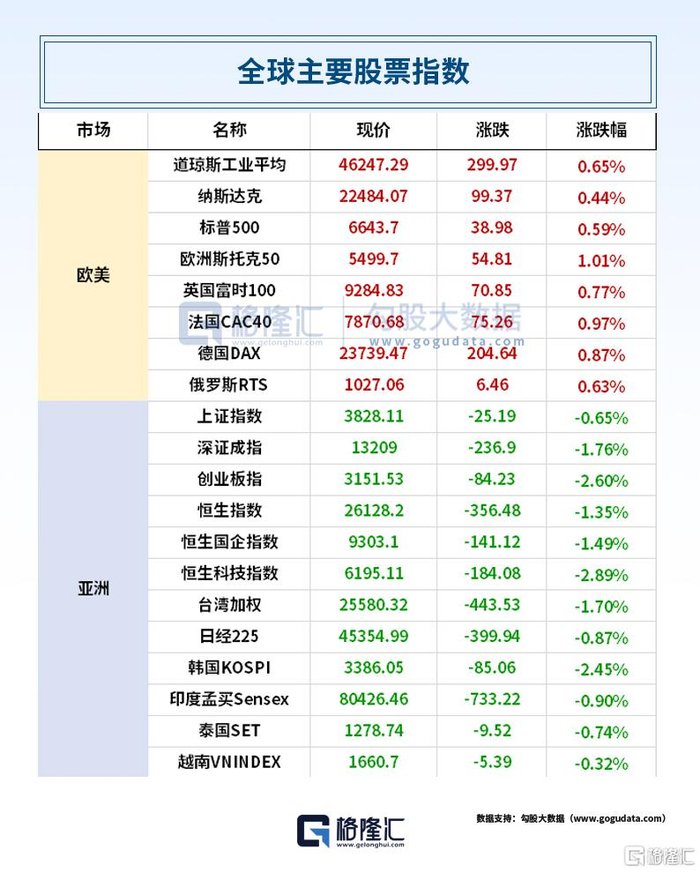
Market Overview - Major global stock indices showed mixed performance, with the Dow Jones Industrial Average up by 0.65% and the S&P 500 increasing by 0.59%, while the Shanghai Composite Index fell by 0.65% [1] Industrial Profit Growth - From January to August 2025, profits of large-scale industrial enterprises in China reached 46,929.7 billion yuan, marking a year-on-year increase of 0.9%, reversing a downward trend since May [2] - In August alone, profit growth surged to 20.4%, a significant improvement from a decline of 1.5% in July [2] - The manufacturing and electricity sectors reported profit increases of 7.4% and 9.4%, respectively, with private enterprises showing a notable growth of 3.3% [2] AI Impact on Employment - Walmart's CEO Doug McMillon stated that AI will transform every job role, and the company plans to maintain its global workforce of 2.1 million employees over the next three years, although the job composition will undergo significant changes [8] Investment Performance - ARK Innovation ETF, managed by "Wood Sister," has seen a remarkable increase of 73.6% over the past 250 trading days, significantly outperforming Berkshire Hathaway, which only rose by 9.26% [9] - The strong performance of ARK is attributed to its heavy investments in AI and robotics, benefiting from a global tech recovery, while Berkshire's conservative value investment strategy has resulted in lower but steadier returns [9]
俄方:普京愿与特朗普在莫斯科会晤
Shang Hai Zheng Quan Bao· 2025-09-29 00:36
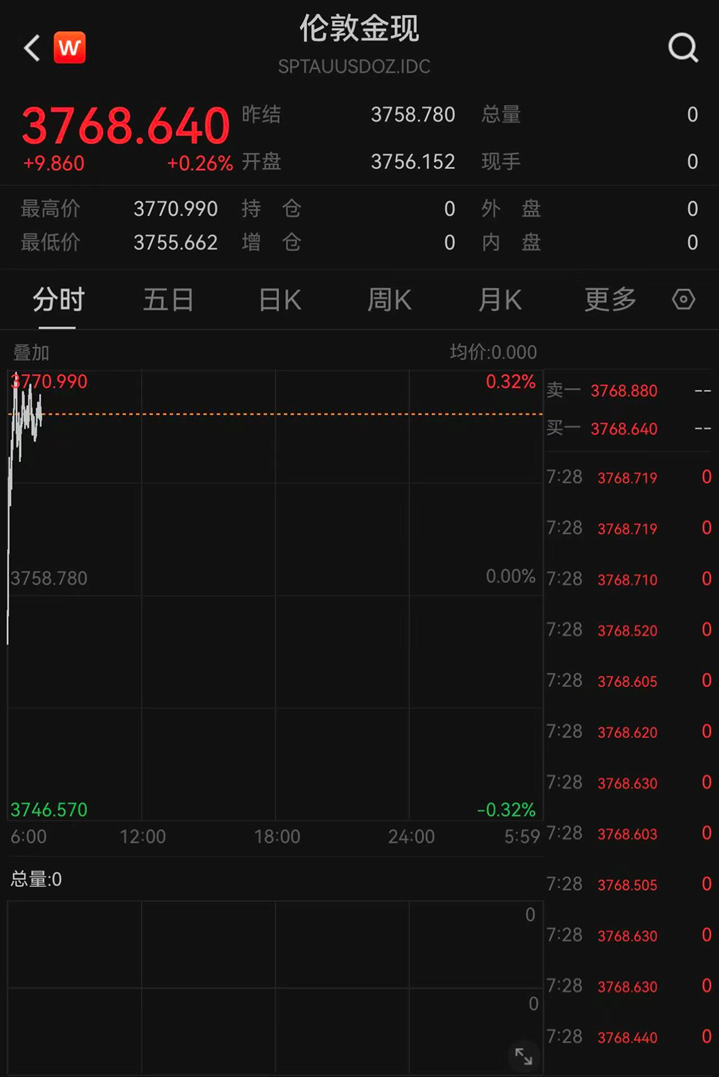
Group 1: Gold Market - London spot gold prices rose above $3770 per ounce, continuing a slight upward trend [1] - COMEX gold futures experienced a slight decline, dipping below $3800 per ounce but remaining in a high volatility range [1] Group 2: U.S. Stock Market - The three major U.S. stock indices all closed lower for the week, with the Dow Jones down 0.15%, Nasdaq down 0.65%, and S&P 500 down 0.31% [3] - Morgan Stanley's latest report suggests that while the S&P 500 may aim for the 7000-point mark by year-end, investors should be cautious of potential short-term market pullback risks [3] Group 3: Employment Data - The U.S. will release the September non-farm payroll report this Friday, with analysts expecting weak performance that could confirm the Federal Reserve's decision to cut rates in October [9] - Key employment data to watch includes August JOLTS job openings, September ADP private employment data, and weekly initial jobless claims [10]
联合国确认安理会涉伊朗制裁决议已重新生效
Yang Shi Xin Wen Ke Hu Duan· 2025-09-28 14:46
Core Points - The United Nations Secretary-General's spokesperson confirmed the reactivation of six sanctions resolutions against Iran as of September 27, 2023, based on Security Council Resolution 2231 [1][2] - The reactivated sanctions include Resolution 1737, which lists 43 individuals and 78 entities involved in Iran's nuclear program, military, and financial sectors [1] Group 1 - The six sanctions resolutions reactivated include Resolutions 1696, 1737, 1747, 1803, 1835, and 1929 [1] - The "snapback" mechanism was initiated by the UK, France, and Germany on August 28, citing Iran's violations of the nuclear agreement [2] - The Security Council's draft resolution aimed at extending the 2015 Iran nuclear deal was not passed, leading to the restoration of sanctions [2]
伊朗外交部:英法德美滥用争端解决机制非法且毫无根据
Yang Shi Xin Wen Ke Hu Duan· 2025-09-28 14:10
Core Viewpoint - Iran's Foreign Ministry issued a statement rejecting the claims made by the UK, Germany, France, and the US regarding the restoration of previously terminated UN sanctions against Iran, labeling these actions as illegal and baseless [1] Group 1: Iran's Position on Nuclear Agreement - The statement emphasizes that the restrictions on Iran's peaceful nuclear program outlined in UN Security Council Resolution 2231 should end as scheduled on October 18, 2025 [1] - Iran accuses the UK, France, and Germany of initiating a so-called "snapback" mechanism under US pressure, while failing to fulfill their commitments under the nuclear agreement [1] - The statement asserts that these countries have supported or tolerated attacks on Iran's nuclear facilities, which are under the supervision of the International Atomic Energy Agency, constituting a serious violation of international law and the essence of the nuclear agreement [1] Group 2: Allegations Against Western Countries - Iran's Foreign Ministry accuses the European countries and the US of malicious intent, claiming they have continuously violated the terms and spirit of the nuclear agreement [1] - The statement highlights that Iran has strictly adhered to its obligations under the nuclear agreement and has proposed multiple initiatives to encourage all parties to return to compliance or reach a new negotiated understanding to resolve nuclear issues [1] - However, these initiatives have failed due to the lack of sincerity and goodwill from the US and European countries [1]
对伊制裁自动恢复 伊朗谴责西方政治打压 一文了解后续影响
Yang Shi Xin Wen· 2025-09-27 23:51
由于联合国安理会未能通过关于延长伊朗制裁豁免的决议草案,美东时间27日,根据"快速恢复制裁"机制,针对伊朗的多项制裁将正式恢复生效。伊朗 方面谴责此举为"政治打压",并称已作出必要应对措施。 那么,什么是"快速恢复制裁"机制?对伊朗的制裁具体包含哪些内容?此次制裁恢复又将对地区局势产生怎样的影响?一文了解↓ 安理会两次决议草案未通过 联合国对伊制裁自动恢复 为施压伊朗与美国恢复核谈判,英国、法国和德国8月28日以伊朗未能履行伊核协议为由,通知安理会,依据第2231号决议启动"快速恢复制裁"机制。如果 安理会未能在30天内就延长对伊制裁豁免期限通过决议,相关制裁将恢复。 伊朗外交部长阿拉格齐指出,美欧动用所谓"快速恢复机制"毫无法律效力,是政治上鲁莽、程序上有缺陷的行为。他重申,所有基于安理会第2231号决议的 涉核限制措施将于今年10月18日永久终止,伊朗不会承认任何延长或恢复这些措施的企图。 据伊通社27日报道,鉴于英法德三国在滥用伊核协议争端解决机制、企图恢复已被联合国安理会撤销的决议方面的不负责任行为,伊朗驻德国、法国和英国 的大使已被召回德黑兰进行磋商。 9月19日,因美、英、法等9国投反对票,安理会 ...