房产投资

Search documents
悉尼三居室引激烈竞争!投资者$238.5万拿下,计划翻修后出租
Sou Hu Cai Jing· 2025-08-04 04:30
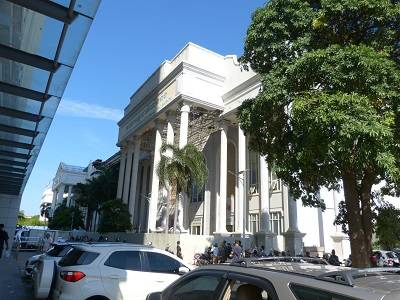
Group 1 - An investor purchased a terrace in Paddington for AUD 2.385 million, planning to renovate and rent it out [1] - The property, a three-bedroom house located at 101 Hargrave St, had a guide price of AUD 2.2 million and a reserve price of AUD 2.375 million [1] - The auction attracted 7 registered bidders, with 5 actively competing, starting from an opening bid of AUD 1.8 million [1] Group 2 - A total of 473 properties were auctioned in Sydney on the same day [3] - The buyer is expected to spend around AUD 100,000 on renovations and aims to rent the property for AUD 1,200 per week [5] - High demand for properties in Paddington is noted, with limited inventory available [7]

楼市风云变!马云预言再现,2025年楼市将迎来大转折?
Sou Hu Cai Jing· 2025-07-29 13:48
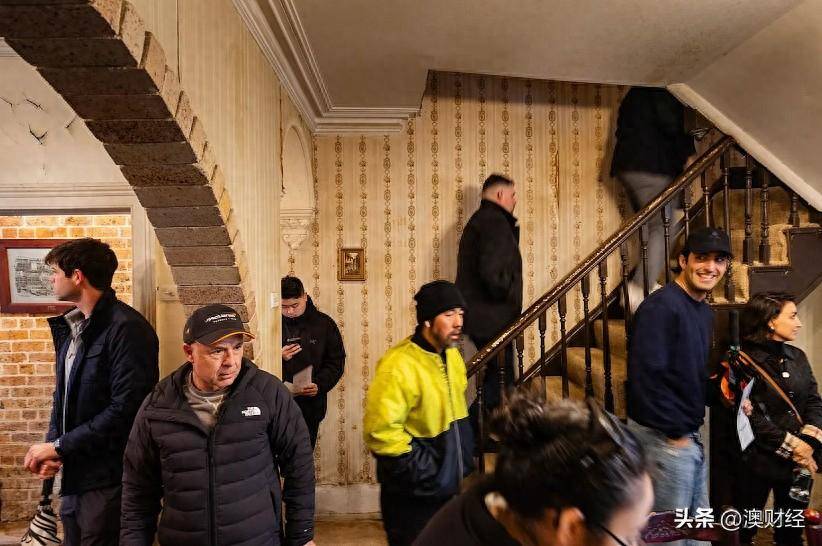
Group 1 - The real estate market is experiencing significant changes, with previously lucrative property investments losing their appeal, particularly in first-tier cities like Beijing and Shenzhen, where high-priced school district properties are underperforming [1][2] - Property prices have seen drastic declines, with examples such as the Huqing Jiayuan community in Beijing, where prices dropped from 14.8 million yuan for a 100 square meter unit in 2021 to below 10 million yuan now, representing a decrease of 30-40% [1][2] - In Shenzhen, the price per square meter fell from a peak of 145,000 yuan in 2020 to around 60,000-70,000 yuan, nearly halving [1][2] Group 2 - Developers are facing severe inventory challenges, with unsold properties in China sufficient to accommodate the entire residential housing stock of Germany, highlighting a significant oversupply [2][4] - In a specific county in Shandong, 1.2 million square meters of new housing were built over three years, but only 200,000 square meters were purchased annually, leading to a continuous decline in property prices [2] - Developers are burdened with heavy debts, needing to repay 230 billion yuan in the first half of the year, prompting them to resort to price cuts and additional incentives to stimulate sales [2][4] Group 3 - Policy adjustments, such as Shenzhen's second-hand housing price guidance and Beijing's school district reallocation, have contributed to a decrease in speculative buying, further dampening buyer sentiment [2][4] - The overall transaction volume in the real estate market is declining, with a significant increase in second-hand listings, such as over 200,000 in Guangzhou and 120,000 in Shenzhen, indicating a supply-demand imbalance [2][4] - Market sentiment has shifted, with former confident buyers now becoming cautious, and even aggressive discounting by developers failing to generate sufficient purchasing enthusiasm [4]

房价从5万下跌到1.5万,根本无人接盘!无房者:幸亏没买
Sou Hu Cai Jing· 2025-07-26 14:02
Core Viewpoint - The real estate market is experiencing a significant downturn, with property values plummeting and buyer confidence eroding, leading to a situation where many properties are listed at drastically reduced prices but still fail to attract buyers [1][3][7]. Group 1: Market Trends - Property prices in major cities, including once-popular areas, have seen dramatic declines, with some listings dropping from nearly 50,000 yuan per square meter to as low as 18,000 yuan, often with incentives like free parking and appliances, yet interest remains low [3][5]. - The market is characterized by an oversupply of properties and a lack of willing buyers, with many cities experiencing a situation where new inventory can last for two to three years without sales [11][13]. Group 2: Buyer Sentiment - Current buyers are exhibiting a cautious approach, driven by fears of purchasing at high prices only to see values decline further, leading to a shift from urgency to hesitation in the decision-making process [7][9]. - Those who have not purchased property are feeling relieved, as they avoid the financial burden faced by those who bought at inflated prices, indicating a shift in perceived value and risk [9][17]. Group 3: Developer Response - Developers are struggling to maintain sales, with some even neglecting sales offices and model homes as they face a market where buyers are increasingly reluctant to commit [5][13]. - In response to the market conditions, developers are resorting to discounts and promotional strategies in an attempt to stimulate sales, reflecting a desperate need to close transactions [13][15]. Group 4: Future Outlook - The prevailing sentiment suggests a return to the fundamental purpose of housing as a place to live rather than an investment vehicle, indicating a potential long-term shift in market dynamics [15][19]. - Buyers are advised to remain patient and make informed decisions based on personal needs and financial capability rather than succumbing to market pressures or fear of missing out [17][19].
今明两年,“咬牙买房”还是“趁早卖房”?内行人给出4大建议
Sou Hu Cai Jing· 2025-07-24 12:22
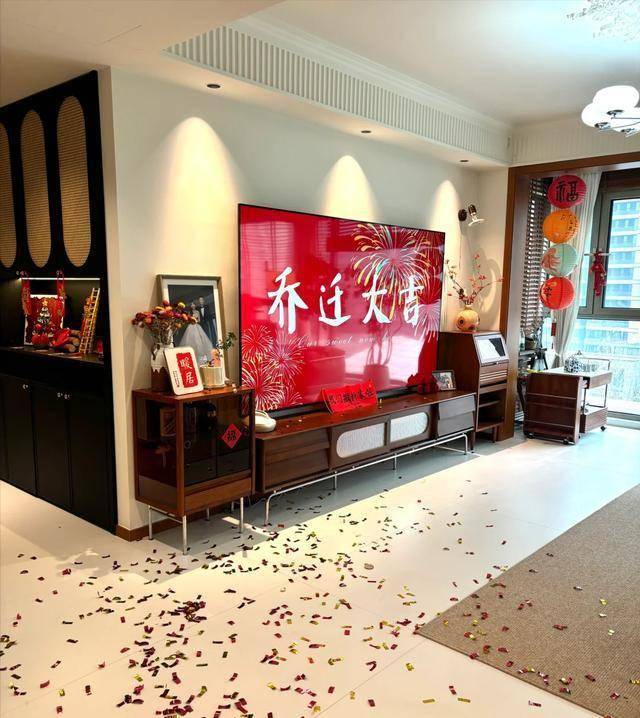
Group 1 - The real estate market is currently unpredictable, leading to varied decisions among potential buyers and sellers [1][3] - The traditional belief that real estate guarantees appreciation has been challenged, especially in lower-tier cities where inventory is high and sales are sluggish [3][5] - Current market conditions suggest that buying a home should focus on personal use rather than investment gains [5][19] Group 2 - Buyers with genuine housing needs should be selective, avoiding low-quality properties from lesser-known developers that may not retain value [7][9] - Properties in suburban areas with high vacancy rates may seem attractive but can lead to dissatisfaction due to lack of community and amenities [9][11] - Homeowners should assess their need for their current property before selling, as the market is not favorable for sellers [11][13] Group 3 - Investment in real estate is less favorable now due to low rental yields and long turnover periods, making it a less liquid asset [15][17] - Investors should diversify their holdings and focus on properties with strong market acceptance and manageable prices [17][19] - Ultimately, decisions to buy or sell should be based on individual needs and financial capacity rather than market trends [19]
为什么身边有钱人,家里有多套房,却捂住不抛售?真实原因太扎心
Sou Hu Cai Jing· 2025-07-18 02:43
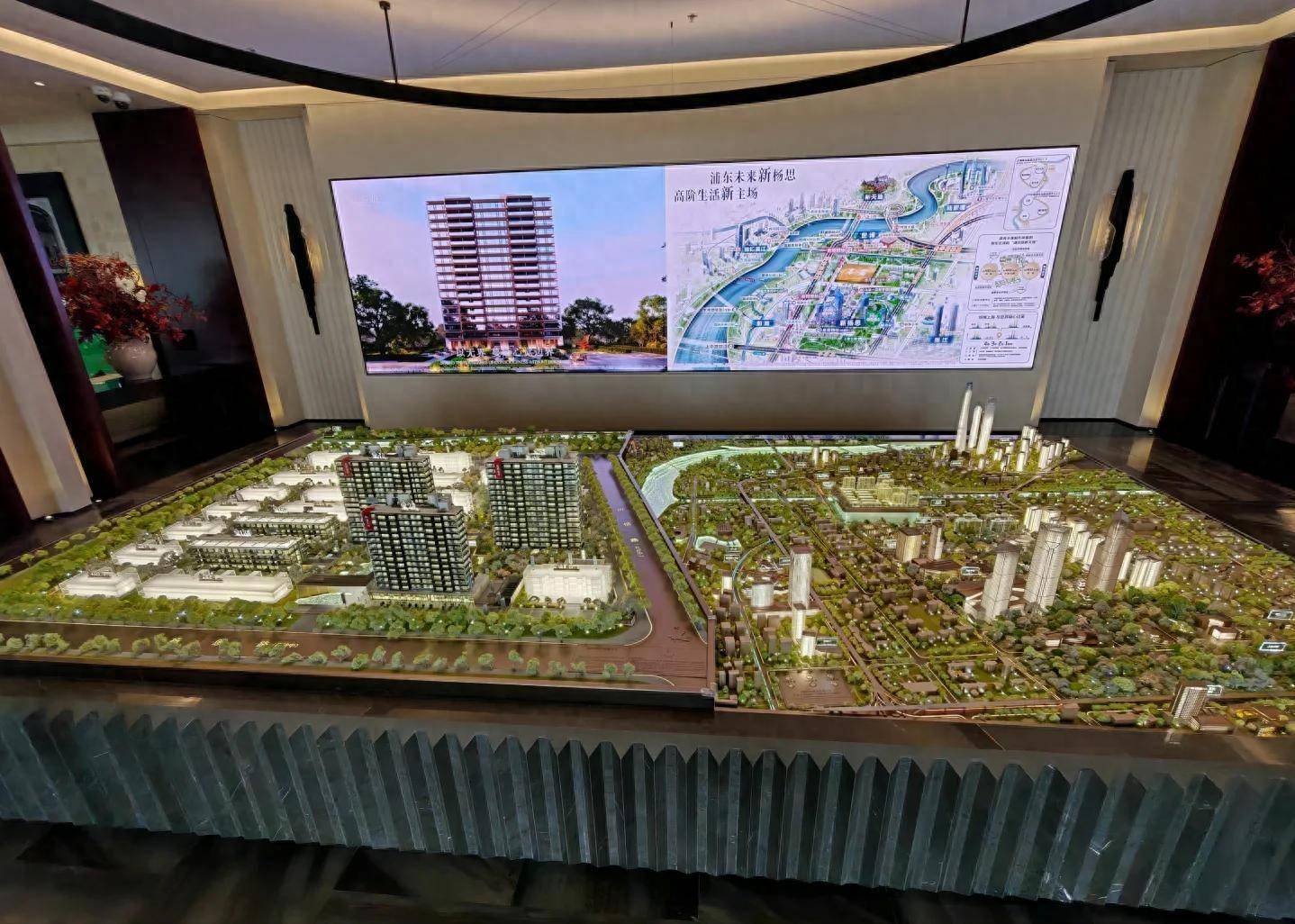
Core Insights - The article discusses the complex motivations behind wealthy individuals holding multiple properties, emphasizing that real estate serves as a crucial component of their asset allocation strategy [1][5][12] - It highlights the stability and reliability of rental income from real estate investments, which provides a consistent cash flow despite market fluctuations [1][6][12] Group 1: Investment Logic - Real estate is perceived as a "hard currency" due to its high preservation rate, with core urban residential properties maintaining a value retention rate of 98.7% in 2024 [2] - The rental yield in first-tier cities remains stable between 2.5% and 3.2%, which, while modest, is valued for its reliability [1][2] - Investors view real estate as a "ballast" in their diversified portfolios, providing stability during market volatility [2][10] Group 2: Economic and Policy Context - The ongoing urbanization process supports housing demand, with the urbanization rate reaching 67.5% by the end of 2024, indicating a steady influx of population into cities [5] - The government's "housing is for living, not speculation" policy framework suggests that property prices will not experience extreme fluctuations, benefiting long-term holders [5][12] Group 3: Tax and Wealth Preservation - Holding real estate offers tax advantages compared to frequent buying and selling, as selling may incur significant personal income tax liabilities [6] - Real estate serves as a means of wealth preservation, especially in uncertain economic times, as it provides a tangible asset that can safeguard capital [6][10] Group 4: Long-term Value and Legacy - Wealthy individuals often purchase properties not just for personal use but also for future generations, as real estate is easier to pass down and less likely to cause disputes [7] - The investment philosophy of these individuals focuses on long-term strategic value rather than short-term gains, reflecting a more patient and calculated approach to wealth accumulation [7][12] Group 5: Market Trends and Future Outlook - Despite a cooling market, structural opportunities remain in core urban areas and high-quality districts in strong second-tier cities, which are still considered scarce resources [8][12] - The article suggests that real estate will continue to be a significant pillar of the Chinese economy, with a clear intention from policymakers to stabilize the market [12][13]

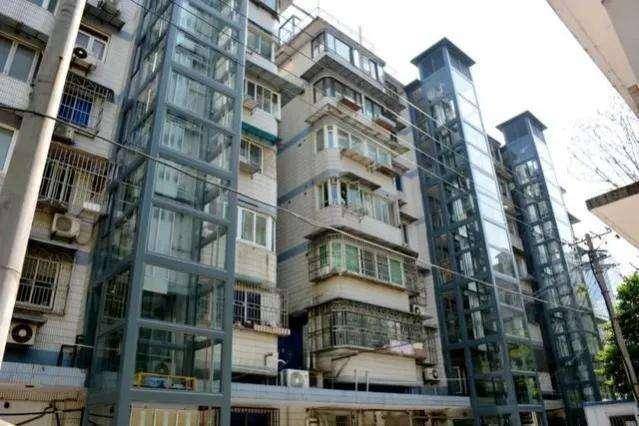
三五年后,“楼梯房”和“电梯房”究竟谁更值钱?现在有了答案
Sou Hu Cai Jing· 2025-06-29 05:06
Core Viewpoint - The article discusses the economic pressures faced by homebuyers due to high property prices and emphasizes the importance of housing in various life aspects, predicting that "staircase houses" may have greater appreciation potential compared to "elevator houses" in the long term [1]. Group 1: Advantages of Staircase Houses - Public area advantage: Staircase houses typically have a public area ratio of only 10-15%, significantly lower than elevator houses, which can reach up to 40%, leading to substantial savings on public area costs and monthly property fees [3]. - Safety and emergency response: While staircase houses may be less convenient for daily use, they offer better safety during emergencies like fires or earthquakes, allowing residents to escape directly without relying on potentially malfunctioning elevators [3]. - Old renovation potential and location advantage: Staircase houses over 20 years old are likely to undergo significant renovations, enhancing their appeal and value, especially given their advantageous central locations [5]. Group 2: Cost and Future Potential - Property fee cost advantage: The property fees for staircase houses are generally lower than those for elevator houses due to the maintenance costs associated with elevators, making staircase houses more financially attractive [5]. - Possibility of demolition: Staircase houses have a higher likelihood of undergoing renovations compared to elevator houses, which are less likely to be demolished due to high costs associated with their dense occupancy, thus presenting better future appreciation potential [7]. - Long-term investment value: Despite the current advantages of elevator houses in terms of convenience and community environment, staircase houses exhibit more significant long-term investment value due to their advantages in public area ratios, safety, renovation potential, property fees, and demolition likelihood [7].
投资权益类基金,不妨先从这个问题开始
Sou Hu Cai Jing· 2025-06-18 03:44
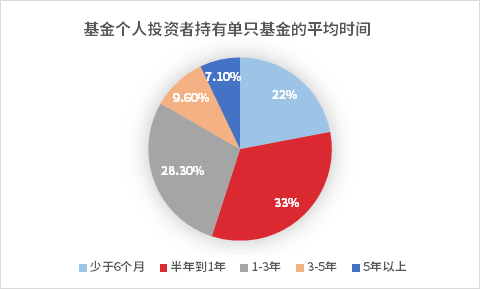
Core Viewpoint - The article emphasizes the importance of understanding personal financial situations before investing in stocks or equity funds, suggesting that potential investors should consider their housing situation, future financial needs, and personal qualities necessary for successful stock investment [1][6][7]. Group 1: Housing Investment Perspective - Peter Lynch suggests that before investing in stocks, individuals should consider buying a house, as real estate is generally a safer investment compared to stocks [2][3]. - The article highlights that while many investors may face financial difficulties when selling properties, it is rare for them to incur continuous losses in real estate transactions, unlike in the stock market [2][3]. - The average holding period for real estate is approximately 7 years, while 87% of stocks on the New York Stock Exchange are traded at least once a year, indicating a significant difference in investment behavior between real estate and stocks [3][5]. Group 2: Financial Planning and Investment Timing - Investors are advised to reassess their financial budgets before investing in equity assets, particularly if the funds are needed within the next two to three years for expenses like education or home renovations [6]. - Lynch proposes a simple formula for investment: only invest money that can be afforded to lose without impacting daily life [6]. Group 3: Personal Qualities for Successful Investing - The article outlines essential personal qualities for successful stock investment, including patience, independence, common sense, emotional resilience, and the ability to remain calm during market turmoil [7][8]. - It discusses the tendency of investors to panic sell during market downturns or to chase after stocks during uptrends, which undermines their long-term investment strategies [8][9]. - True contrarian investing involves waiting for market enthusiasm to cool before purchasing stocks that are overlooked, rather than simply opposing popular trends [8][9].
澳洲罕见房源拍卖,买家第一次看房便“一见钟情”!花$192万买下
Sou Hu Cai Jing· 2025-06-12 15:45
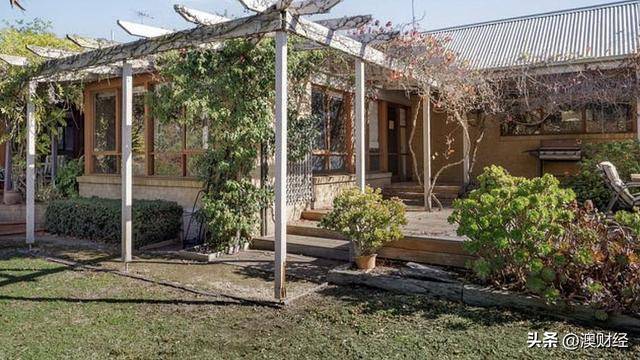
Core Insights - A family purchased a unique dual-residential property in Diggers Rest, Melbourne, for AUD 1.92 million without prior inspection, highlighting strong buyer demand in the area [1][5][6] Group 1: Property Details - The property spans over 6 hectares and includes two fully independent residences, a well-designed garden, and expansive views of the city [3][12] - The auction attracted multiple bidders, with the property initially passing in at AUD 1.85 million before being sold after quick negotiations [1][3] - The main residence features four bedrooms, a master suite, an open fireplace, and a separate upstairs apartment with its own kitchen and living space [12] Group 2: Market Dynamics - The property was listed with a guide price of AUD 1.75 million to AUD 1.95 million, appealing to buyers seeking living space, flexibility, and long-term appreciation potential [3][8] - The strong demand in Melbourne's western growth corridor is noted, where larger land parcels remain relatively affordable compared to eastern suburbs [8][9] - The property is seen as a typical buy-and-hold opportunity, with potential for future subdivision, as developers have been acquiring similar land nearby [12]
港星肥妈到梅州看房,大赞环境宜居!已在内地买5套房要留给子孙
Sou Hu Cai Jing· 2025-06-05 23:33
Core Insights - The article highlights the recent activities of a prominent Hong Kong artist, Fat Ma (Maria), who is exploring real estate opportunities in mainland China, particularly in Meizhou, indicating a trend of investment in the Greater Bay Area [1][9]. Group 1: Real Estate Investment - Fat Ma recently visited Meizhou to look at properties, expressing satisfaction with the local environment and amenities, which she finds conducive to relaxation [1]. - She has a significant real estate portfolio, having previously purchased nine industrial units and sold six for a considerable return [8]. - Currently, she owns five properties in mainland China, including a luxury apartment in Zhongshan and a small unit in Jiangmen valued at 520,000 [9]. Group 2: Investment Philosophy - Fat Ma's investment strategy is based on the belief that property prices in mainland China are significantly lower than in Hong Kong, presenting a vast potential for future development [10]. - Her motivation for investing in real estate is to provide housing for her descendants, reflecting a long-term vision for family stability and growth [10]. Group 3: Personal Background - Fat Ma has faced personal challenges, including domestic violence in her past marriages, and has raised six children on her own, which adds a layer of depth to her investment decisions [10]. - The article notes her recovery from heart surgery, emphasizing her determination to secure a better future for her family through real estate investments [12].

关于卓尔地产的那些事儿
Sou Hu Cai Jing· 2025-05-30 05:14
Core Insights - The article discusses the investment experience in a real estate project in Phnom Penh, Cambodia, highlighting the initial skepticism and eventual success of the investment. Group 1: Investment Experience - The investment in the "Yiyuan" project by Beijing Zhuoer Real Estate was initially perceived as risky and potentially a scam, especially after media exposure labeled it a "fraud" and "high risk" [2][4] - Despite initial doubts and media backlash, the investment turned out to be highly successful, with the property delivered on time and the promised insurance payout received in full [4][5] Group 2: Financial Performance - The rental income from the property has been substantial, amounting to nearly 25% of the original purchase price over the years, translating to an annualized return of approximately 9% [4][5] - The property value has appreciated by an estimated 15%-20% since the purchase in 2019, further enhancing the overall investment return [5] Group 3: Company Reputation - Beijing Zhuoer Real Estate maintained a low profile during the media scrutiny, focusing on fulfilling their commitments without engaging in public disputes, which contributed to their credibility [5][6] - The success of the investment is attributed not only to the company's reliability but also to the favorable economic conditions in Phnom Penh, which have supported property rental and price appreciation [5][6]