红色文化

Search documents
“贷”动红色热土 普惠革命老区
Jin Rong Shi Bao· 2025-12-12 03:42
Core Viewpoint - The news highlights the efforts of the People's Bank of China Dazhou Branch to revitalize red tourism sites in Dazhou, Sichuan, by providing financial support and innovative credit solutions to enhance the visitor experience and promote local economic development [1][2][3][4] Group 1: Financial Support and Development - The People's Bank of China Dazhou Branch has facilitated a total of 7.6 billion yuan in loans to support the development of red tourism sites, including 3.5 billion yuan for the Shenjian Garden and 4.1 billion yuan for the Wanyuan Red Army Park [2][3] - Innovative credit tools have been employed, such as using future income from tourism as collateral to expedite loan approvals and disbursements [2][4] Group 2: Tourism and Economic Impact - The Shenjian Garden has developed nine educational programs and has received over 30,000 visitors during the National Day holiday, generating approximately 33 million yuan in direct and indirect economic benefits [2] - The upgraded Wanyuan Red Army Park attracted over 50,000 visitors during the "July 1" celebrations, with more than 100 groups participating in oath-taking ceremonies [3] - The Chuanxian Red County Memorial Park has seen a significant increase in visitor engagement through modernized facilities, including VR experiences, contributing to local economic revitalization [4]
踏上红色土地|一座楼、一棵树背后的红色故事
Yang Shi Wang· 2025-12-07 00:10
央视网消息:在贵州省遵义市红花岗区子尹路96号,一座砖木结构的两层小楼静静矗立。这里因中共中 央政治局召开的一次极其重要的扩大会议——遵义会议,而闻名于世。 在这座小楼旁边还有一棵槐树,当年遵义会议召开时,它便生长在这里。因外形酷似一个大大 的"V"字,它被人们亲切地称为"胜利树"。 一座楼、一棵树见证了中国革命转危为安、转败为胜伟大抉择的诞生。今天让我们一起了解它们背后的 故事。 [ 责编:袁晴 ] ...
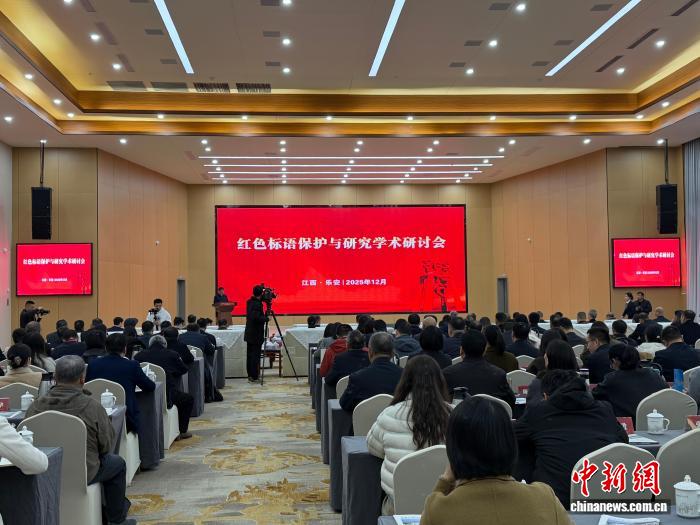
红色标语保护与研究学术研讨会召开 推动红色资源保护利用
Zhong Guo Xin Wen Wang· 2025-12-05 12:12
Core Viewpoint - The seminar on the protection and research of red slogans aims to promote the utilization of red resources, gathering experts and representatives to discuss strategies for preserving revolutionary heritage [1][2]. Group 1: Event Overview - The seminar took place in Le'an County, Jiangxi Province, known as the "first county of Red Army slogans," with over a hundred participants from various fields [1]. - Le'an County is a significant part of the former Central Soviet Area, having experienced five anti-"encirclement" campaigns, with notable revolutionary events occurring there [1]. Group 2: Red Slogan Preservation - There are currently 3,826 Red Army slogans preserved in Le'an County, distributed across 54 administrative villages and over 220 buildings, covering various topics such as politics, military, economy, culture, education, and livelihood [2]. - The county has prioritized the protection and utilization of red resources, establishing the first Red Army slogan museum in the province and publishing a series of red culture books [2]. Group 3: Cultural Significance - The seminar serves as a platform for exchanging ideas on the protection and research of red slogans, aiming to enhance the visibility of revolutionary heritage in the modern era [2]. - Descendants of revolutionary figures, such as the granddaughter of General Geng Biao, emphasize the importance of promoting red culture and passing down revolutionary spirit to future generations [2].

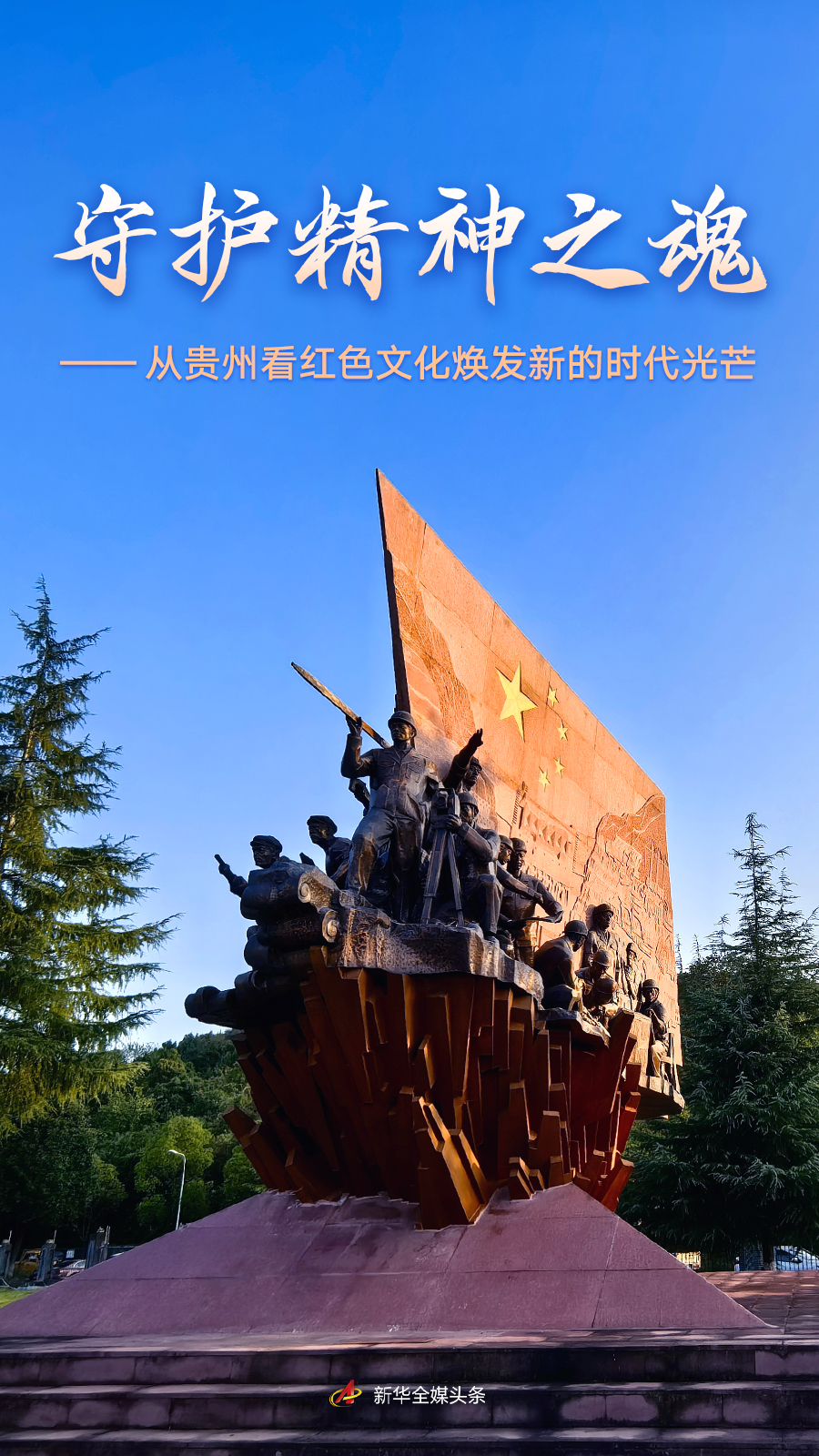
守护精神之魂——从贵州看红色文化焕发新的时代光芒
Xin Hua She· 2025-11-27 21:34
Core Viewpoint - Guizhou province is leveraging its rich red culture and historical heritage to enhance cultural confidence and promote economic and social development through systematic protection and promotion of red cultural resources [3][4]. Group 1: Systematic Protection of Red Cultural Sites - Guizhou is focusing on the scientific planning and comprehensive protection of revolutionary sites, ensuring the preservation of both the sites and their surrounding environments [8]. - Recent efforts include the restoration of the Huimin Palace, a historical site where the Red Army's strategic operations took place during the Long March, with nearly 200 training sessions held annually [6][5]. - The Guizhou judicial system has initiated special actions for the protection of red cultural resources, handling over 130 public interest litigation cases related to red heritage since 2023 [8]. Group 2: Development of Red Tourism - Guizhou is promoting red tourism as a new engine for economic development, utilizing over 2,000 revolutionary sites and 750 Long March artifacts to create attractive tourism routes [14]. - The province has hosted various cultural and sports events at significant historical sites, such as the 24 Turns, enhancing local tourism and economic activity [11][14]. - The Long March Cultural Digital Art Museum has become a key cultural landmark, attracting over 2 million visitors in two years and receiving numerous positive feedback [17]. Group 3: Cultural Engagement and Education - Cultural activities, such as public music concerts and film screenings, are being organized to engage the younger generation with revolutionary history, with over 450 concerts attracting more than 3.5 million attendees [24]. - The integration of red culture into educational programs and community events is fostering a sense of historical awareness and national pride among the youth [25][22].
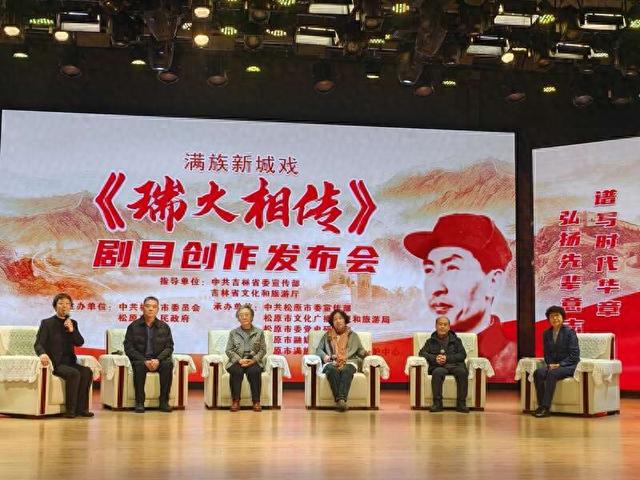
满族新城戏《瑞火相传》剧目创作发布会举行
Zhong Guo Qing Nian Bao· 2025-11-26 15:39
随后,主创团队分享了创作理念与艺术构思。编剧李昂、导演刘海波、作曲杨柏森等核心成员,从故事 架构、人物塑造、主题立意及音乐设计等多角度,阐述了如何运用满族新城戏这一独特艺术形式,展现 张瑞麟的英雄事迹与东北抗联的宏大历史。 中国青年报客户端长春11月26日电(中青报·中青网记者 王培莲)今天,满族新城戏《瑞火相传》剧目 创作发布会在长春举行。 《瑞火相传》是一部以松原大地走出的抗联英雄张瑞麟事迹为原型,通过满族新城戏的形式,展现英雄 人物丰富的内心世界和顽强抗争精神的剧目。 发布会现场,特别邀请了杨靖宇、赵尚志、李兆麟、曹国安、张瑞麟等抗联英雄的后人。他们讲述了先 辈事迹,分享了承载家族记忆的鲜活细节,为剧目的创作注入了真实动人的历史温度。 抗联英雄 后代讲述先辈事迹。中青报·中青网记者 王培莲/摄 主创团队 分享创作理念。中青报·中青网记者 王培莲/摄 主创团队表示,要努力实现历史真实与艺术表达的有机统一,重现抗联英雄的光辉事迹和伟大精神,通 过匠心独具的舞台呈现,让红色历史"活"起来。 本次发布会由松原市委、松原市人民政府主办。据介绍,《瑞火相传》剧目的创排是松原市深入挖掘本 土红色资源,讲好英雄故事、擦 ...
镜观·回响丨让红色文化焕发时代光芒
Xin Hua She· 2025-11-26 07:21
Core Viewpoint - The article emphasizes the significance of red culture in Guizhou, highlighting its historical importance during the Long March and the ongoing efforts to preserve and promote this heritage through various initiatives and tourism development. Group 1: Historical Significance - The Red Army spent the longest time and had the widest range of activities in Guizhou during the Long March, with key events such as the Zunyi Conference and the crossing of the Wujiang River marking its historical importance [1][19] - The Zunyi Conference held from January 15 to 17, 1935, is described as a critical turning point that saved the Party and the Red Army during a dire moment in history [7] - The Four Crossings of the Chishui River allowed the Central Red Army to escape encirclement by enemy forces, showcasing strategic military maneuvers [9] Group 2: Cultural Preservation and Education - The article discusses the restoration and preservation of red cultural relics at the Zunyi Conference Memorial, where staff work to present historical artifacts to the public [17] - The establishment of the first Red Army primary school in the region aims to integrate red culture into education, promoting the legacy of the Long March through various activities [18] - Community initiatives in rural areas are fostering red tourism, allowing locals to engage with their history while generating income through hospitality services [22] Group 3: Tourism Development - Guizhou is exploring diverse ways to activate red culture and boost red tourism, with educational programs in schools and community events aimed at instilling a sense of historical pride [19][24] - The completion of the world's highest bridge, the Huajiang Grand Canyon Bridge, symbolizes the region's development and its connection to historical events during the Long March [30] - The article highlights the importance of infrastructure upgrades and service optimization in promoting tourism, particularly in scenic areas like Luodian County [28] Group 4: Economic Growth and Digital Development - Guizhou's digital economy has been growing rapidly, with a notable increase in cloud-based enterprises and software services, indicating a shift towards modernization while preserving cultural heritage [32]
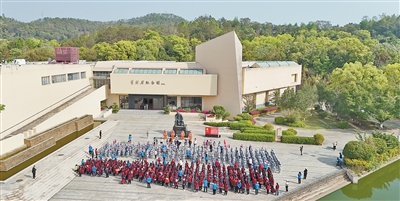
肇庆纪念叶挺独立团建团100周年 擦亮“铁军故里”红色文化名片
Nan Fang Ri Bao Wang Luo Ban· 2025-11-24 08:46
Core Viewpoint - The 100th anniversary of the Ye Ting Independent Regiment is commemorated with various events, highlighting its historical significance and contributions to the Chinese revolution and socialist construction [1][2]. Group 1: Events and Activities - The opening ceremony of the "Iron Army Star Fire Shining Mountains and Rivers - Ye Ting Independent Regiment Historical Exhibition" took place at the former headquarters of the Ye Ting Independent Regiment in Zhaoqing [1]. - A cooperation agreement was signed between Zhaoqing, a military unit, and the China Academy of Art's National Trend Art Research Institute to create a red cultural and creative base [1]. - The "Iron Army Theme Tour Route" was launched, designed to provide a cultural experience that traces the revolutionary history of the Ye Ting Independent Regiment [1]. Group 2: Historical Significance - The exhibition is structured into six thematic sections, presenting a clear historical narrative and emphasizing the spiritual essence of the Iron Army's history [2]. - Zhaoqing is recognized as the birthplace of the "Iron Army," which was established 100 years ago as the first regular revolutionary armed force directly led by the Communist Party of China [2]. - The Ye Ting Independent Regiment has played a crucial role in significant historical events, including the Northern Expedition, the Anti-Japanese War, and the Liberation War, contributing to the Chinese revolution and socialist development [2].
沈阳市社科联开展“从红色文化中汲取奋进力量”实践活动
Xin Hua Wang· 2025-11-21 06:47
Group 1 - The event organized by the Shenyang Social Science Association focused on drawing strength from red culture, with over 50 participants engaging in immersive red education activities [1][3] - Activities included visits to historical sites such as the Zhou Enlai Youth Reading Site Memorial and the Shenyang "September 18" Historical Museum, emphasizing the historical significance of these locations [1][3] - The initiative aims to transform the insights gained from historical education into practical abilities for serving the community and addressing real-world issues [3] Group 2 - Expert Wang Jianxue provided in-depth lectures on the historical importance of Shenyang as a starting point for the War of Resistance and the role of the Communist Party in the Northeast Anti-Japanese War [3] - The Shenyang Social Science Association plans to continue developing the "Walking Party Class" brand to strengthen the unity of party members [3] - The event was described as a meaningful activity that served as a profound ideological and spiritual refinement for participants [3]
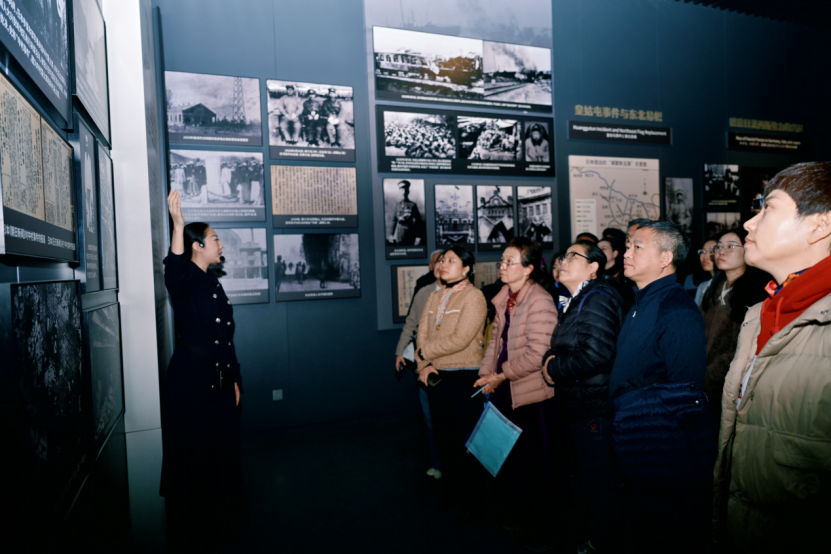
寻访红色文化 触摸城市记忆
Ren Min Ri Bao· 2025-11-11 22:40
Core Points - The fourth Guilin Art Festival recently concluded, achieving over 2.2 billion online views, highlighting Guilin's unique cultural identity and its integration of red culture into the city's heritage [1] - The popularity of the TV drama "The Battlefield" has led to a significant increase in visitors to historical sites in Guilin, particularly the Eighth Route Army Memorial Hall [1] - Educational activities focusing on red culture have attracted over 50,000 participants annually since 2019, emphasizing the importance of historical education in the region [1] Group 1 - The Guangxi Provincial Art Museum, established in 1940, has become a key site for historical reflection and cultural preservation, recently restored to maintain its original appearance [2] - The "Anti-Japanese War Cultural City" exhibition at Guangxi Normal University showcases the historical significance of Guilin, with extensive research conducted to recreate the city's wartime landscape [2] - A new project at Guangxi Normal University aims to explore red culture through collaborative efforts between the university and the local community, producing over 800 works [2] Group 2 - The performance of the anti-war play "Autumn Sound" by the Wangdao Drama Society reflects the ongoing cultural legacy of wartime art, with performances reaching over 100,000 audience members [3] - The modern adaptation of the classic play "Peach Blossom in the Face" integrates contemporary aesthetics, resonating with younger audiences and continuing the tradition of theatrical innovation [4] - The third Guilin Art Festival in 2024 will feature nearly 100 events across various artistic disciplines, reinforcing the connection between art and community engagement [4]
传承守护宝贵的红色资源
Ren Min Ri Bao· 2025-11-10 12:24
Core Viewpoint - The article highlights the efforts in Meizhou, Guangdong Province, to promote revolutionary culture and education through innovative methods, including the use of modern technology in memorials and immersive experiences for visitors [2][4]. Group 1: Revolutionary Education and Cultural Promotion - The Yejianying Memorial Park in Meizhou serves as a significant site for educating visitors about revolutionary history, with a focus on the contributions of revolutionary figures like Marshal Ye Jianying [2]. - The integration of modern exhibition techniques, such as holographic imaging and AI restoration, enhances the visitor experience by bringing historical narratives to life [2][4]. - The local government has organized "Walking Red Class" activities, which combine historical education with practical experiences, attracting thousands of participants [4]. Group 2: Tourism and Economic Impact - Meizhou has transformed from a lesser-known area into a red education and research destination, with Water Beautiful Village hosting 110 training sessions in 2024, attracting around 6,000 participants [4]. - The region boasts 509 registered revolutionary sites and memorials, which are systematically preserved and creatively promoted to enhance local tourism and economic development [6]. - The Yejianying Memorial Park alone received over 700,000 visitors from January to October this year, indicating a strong interest in revolutionary culture [6].