
Autonomous Vehicles

Search documents
The Zacks Analyst Blog Tesla, BYD and Alphabet's
ZACKS· 2026-01-06 10:46
Core Viewpoint - Tesla's electric vehicle (EV) deliveries have declined for the second consecutive year in 2025, raising concerns about the company's core business performance and future growth potential [2][4][12]. Group 1: Delivery Performance - In Q4 2025, Tesla sold 418,227 vehicles, a 16% decrease from Q4 2024, with total annual deliveries around 1.64 million, down from nearly 1.8 million in 2024 [4][5]. - The year-over-year decline in deliveries accelerated to over 8% in 2025, compared to a 1% decline in 2024, resulting in Tesla losing its position as the leading EV manufacturer to BYD, which achieved record sales of 2.26 million BEVs, a 28% increase year-over-year [5][12]. Group 2: Future Prospects - CEO Elon Musk is focusing on autonomous vehicles and artificial intelligence as future growth drivers, although significant revenue from these initiatives is not expected for several years [3][12]. - Tesla's robotaxi service, launched in June, is operational in select cities, and the company is testing driverless robotaxis, indicating progress in autonomous mobility [6][8]. Group 3: Energy Business - Tesla's Energy Generation and Storage segment is performing well, with a record deployment of 14.2 GWh of energy storage products in Q4 2025 and a 48.7% increase in total deployments for the year, reaching 46.7 GWh [9]. Group 4: Financial Performance and Valuation - Tesla shares have underperformed the industry, trading at over 13.75 times forward 12-month sales, significantly above the industry average [10]. - The Zacks Consensus Estimate predicts a 3% decline in Tesla's 2025 revenues and a 33% decline in EPS, but forecasts an improvement of 11.6% in revenues and 42.4% in EPS for 2026 [11]. Group 5: Investment Outlook - Despite the delivery slowdown, Tesla's advancements in full self-driving, robotaxis, and energy storage suggest potential for long-term growth, although investors are advised to temper expectations regarding the timeline for monetization [12][13].


Prediction: Here Are 3 Stocks Warren Buffett's Successor Greg Abel Is Likely to Buy in 2026
The Motley Fool· 2026-01-06 07:50
Core Viewpoint - Warren Buffett has stepped down from making final investment decisions for Berkshire Hathaway, with Greg Abel now in charge, although Abel is expected to maintain a similar investment strategy to Buffett's [1][2]. Group 1: Potential Investments - Greg Abel is predicted to increase Berkshire Hathaway's stake in Alphabet, as Buffett had previously regretted not investing sooner, and Abel may appreciate the company's strong cash flow and business moats [4][5][6]. - Dominion Energy is seen as a strong candidate for investment due to its regulated monopoly status and attractive dividend yield of over 4.5%, aligning with Buffett's preference for dividend-paying companies [8][11][12]. - Mitsui is likely to see an increase in Berkshire's ownership, as it currently holds a smaller stake compared to other Japanese companies, and both Buffett and Abel have expressed positive sentiments about their investments in Japan [13][15][16].




Nvidia Unveils Alpamayo AI For Autonomous Vehicles: 'Chat-GPT Moment' For Cars
Benzinga· 2026-01-05 23:00
Core Insights - NVIDIA Corp. has introduced the open-source Alpamayo family, marking a significant shift in autonomous vehicle development at CES 2026 [1] Group 1: Technological Advancements - Previous self-driving systems utilized separate modules for perception and planning, while Alpamayo employs vision language action (VLA) models that mimic human-like reasoning capabilities [2] - Alpamayo 1, a model with 10 billion parameters, addresses the challenge of rare and unpredictable road scenarios through chain-of-thought reasoning, which could be a pivotal moment for physical AI [3][9] - The model allows autonomous vehicles to navigate complex environments and explain their driving decisions, enhancing safety and scalability in autonomy [4] Group 2: Ecosystem Development - NVIDIA is establishing a full-stack open development environment consisting of three components: Alpamayo 1 as a teaching model, AlpaSim for high-fidelity simulation, and a dataset of over 1,700 hours of diverse driving data [6] - This approach aims to facilitate the development of smaller, faster models for real-world applications, leveraging NVIDIA's hardware capabilities, particularly the DRIVE Thor platform [6] Group 3: Industry Interest and Implications - Industry leaders like Lucid Group and Uber are showing interest in the Alpamayo framework to accelerate their Level 4 autonomy roadmaps, indicating a shift towards AI systems that can reason about real-world behavior [7] - The evolution of advanced simulation environments, rich datasets, and reasoning models is crucial for the future of autonomous driving [8]

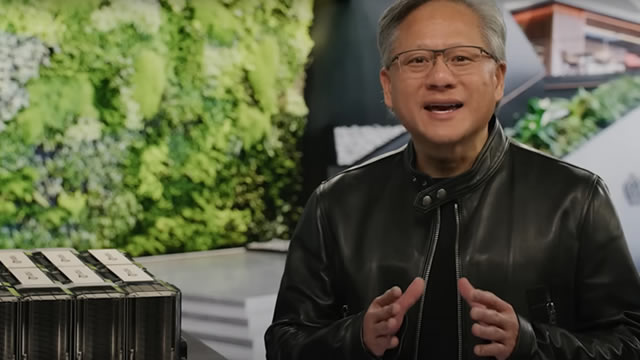
Melius Downgrades Uber to Sell, Warns of Rising Autonomous Vehicle Competition
Financial Modeling Prep· 2026-01-05 21:00
Core Viewpoint - Melius downgraded Uber Technologies from Hold to Sell with a price target of $73, leading to a more than 1% decline in shares on the day of the downgrade [1] Group 1: Company Position and Competition - Uber is recognized as the clear global leader in ride-sharing and delivery, but this leadership exposes the company to significant risks from increasing competition [2] - The analyst highlighted that competition from autonomous vehicles is expected to rise significantly starting in 2026, which could negatively impact returns for Uber, regardless of whether it partners with new entrants or competes against them directly [3] Group 2: Valuation and Growth Concerns - Although Uber's valuation appears inexpensive, it is suggested that this valuation assumes steady-state growth with minimal impact from competitive threats [3] - Melius warned that if growth slows or if competitors like Waymo or Tesla pursue further standalone expansion in the U.S. market, there could be downside risks not fully reflected in current valuations [4]

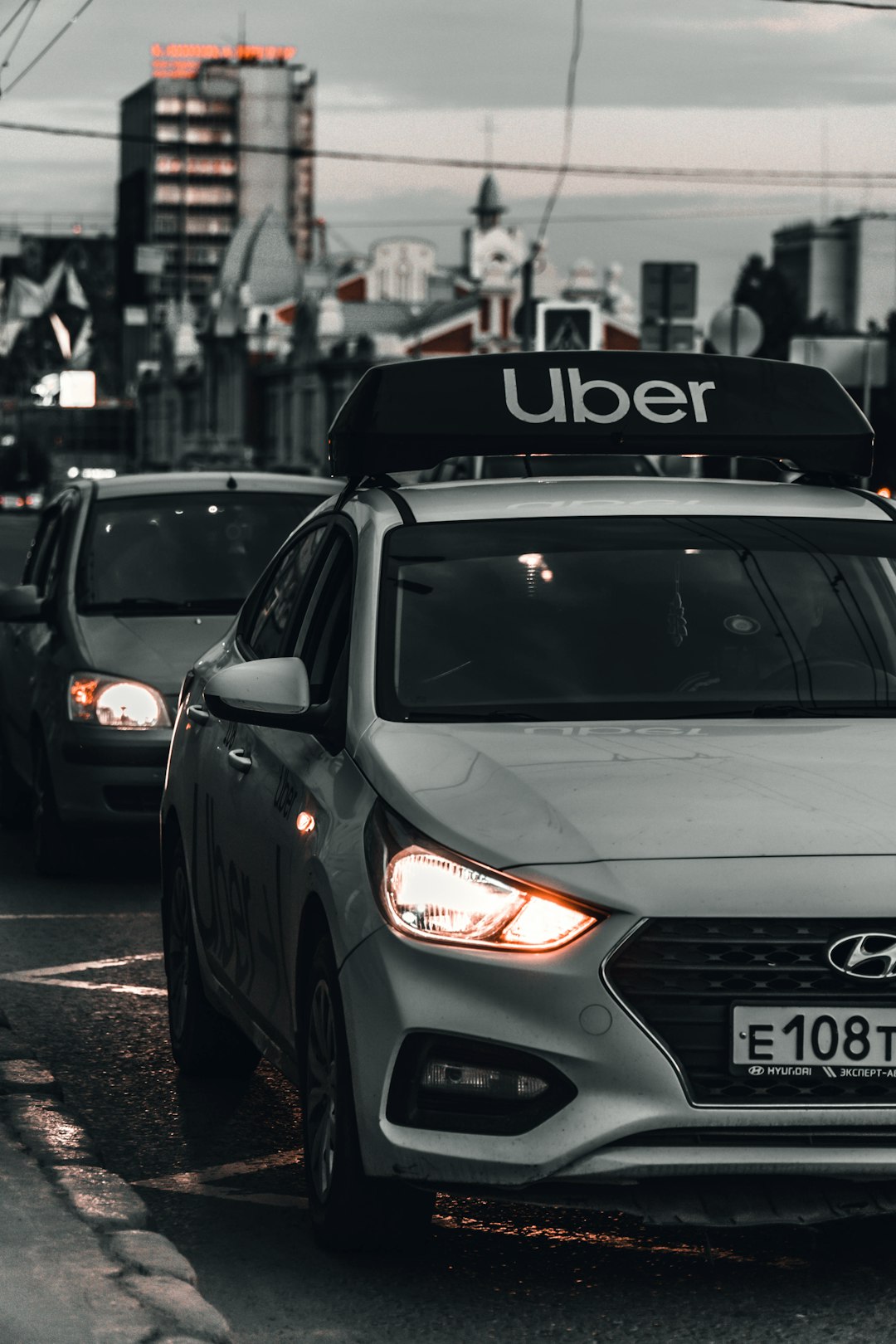
Nvidia launches Alpamayo, open AI models that allow autonomous vehicles to ‘think like a human'
TechCrunch· 2026-01-05 20:27
Core Insights - Nvidia has launched Alpamayo, a new family of open-source AI models, simulation tools, and datasets aimed at enhancing the reasoning capabilities of autonomous vehicles in complex driving situations [1][2]. Group 1: Product Features - Alpamayo 1 is a 10-billion-parameter vision language action model that enables autonomous vehicles to reason through complex scenarios, such as navigating traffic light outages without prior experience [2]. - The model breaks down problems into steps, reasoning through possibilities to select the safest path for driving [3]. - Alpamayo not only processes sensor inputs to control vehicle actions but also explains the reasoning behind its decisions and the trajectory it plans to take [4]. Group 2: Developer Tools and Resources - The underlying code for Alpamayo 1 is available on Hugging Face, allowing developers to fine-tune the model for specific vehicle applications or create tools like auto-labeling systems for video data [4]. - Nvidia's Cosmos can be used to generate synthetic data for training and testing Alpamayo-based applications, combining real and synthetic datasets [5]. Group 3: Datasets and Simulation Framework - As part of the Alpamayo rollout, Nvidia is releasing an open dataset containing over 1,700 hours of driving data that covers rare and complex real-world scenarios [7]. - AlpaSim, an open-source simulation framework, is also being launched to validate autonomous driving systems by recreating real-world driving conditions for safe testing [7].

Why NVIDIA’s AI Power-Play Could Drive the Next Major Rally in 2026
Yahoo Finance· 2025-12-31 00:35
Core Insights - NVIDIA is strategically positioning itself for long-term dominance in AI markets by building a global AI ecosystem that includes energy grids and software layers [2] - Recent investments, including a $5 billion investment in Intel and a licensing deal with Groq, are aimed at diversifying supply chains and enhancing AI capabilities [3][5] - NVIDIA's robotics strategy focuses on developing a comprehensive platform for robotics and physical AI, with significant market growth expected in the robotics industry [4] Investment and Strategic Moves - The $5 billion investment in Intel aims to improve domestic GPU production and enhance integration of CPU and GPU technologies for advanced AI applications [3] - The licensing agreement with Groq allows NVIDIA to incorporate specialized language-processing hardware for low-latency AI applications without the delays of a full acquisition [3] - These strategic moves indicate a shift towards a broader AI infrastructure stack beyond just GPUs, focusing on supply chain and talent acquisition [5] Robotics and Market Growth - NVIDIA is developing a full-stack offering for robotics that includes hardware, simulation capabilities, and base AI models, positioning itself as a key player in the industry [4] - The robotics industry's value is projected to reach nearly $74 billion by 2025, with a high double-digit compound annual growth rate expected over the next five years [4]
'Fast Money' traders talk the market for humanoid robots
Youtube· 2025-12-30 23:24
Core Insights - The emergence of humanoid robots, such as the Unite G1, is being tested by major companies like OpenAI, Nvidia, and Amazon, indicating a significant shift in technology and its integration into society [1] - Tesla's CEO Elon Musk has emphasized that humanoid robots represent 80% of the company's value, highlighting the importance of robotics in Tesla's future strategy [2] - The conversation around robotics suggests that the focus is shifting from traditional automotive sales to the potential of robo-taxis and humanoid robots, which are seen as critical to the company's growth [3][4] Company Insights - Tesla is positioning itself as a leader in the robotics space, with the development of its Optimus robot being a key part of its narrative for investors [3] - The company is expected to face challenges related to employment as robots become more integrated into various tasks, raising questions about efficiency and job displacement [4] - The current state of humanoid robots indicates that while they are operational, they still require human control, suggesting that full autonomy is a future goal rather than a present reality [5][6] Industry Insights - The robotics industry is rapidly evolving, with companies like Agility already deploying humanoid robots for various applications, indicating that the technology is not just theoretical but is being implemented [2] - The potential for robots to perform complex tasks, such as laundry folding, is being discussed as a benchmark for their usefulness in everyday life [4] - The narrative around robotics is becoming more mainstream, with cultural references like the movie "Ex Machina" highlighting societal concerns about the future of human-robot interactions [6]

Stock Market Today, Dec. 30: Tesla Falls After Offering Weak Delivery Outlook
The Motley Fool· 2025-12-30 22:14
On Dec. 30, 2025, investors weighed weaker delivery guidance, analyst pushback, and supply-chain risks against Tesla’s AI ambitions.NASDAQ : TSLATeslaToday's Change( -1.05 %) $ -4.82Current Price$ 454.82Key Data PointsMarket Cap$1.5TDay's Range$ 453.83 - $ 463.1052wk Range$ 214.25 - $ 498.83Volume1.9MAvg Vol84MGross Margin17.01 %Tesla (TSLA 1.05%), the electric vehicle manufacturer, closed down 1.2% at $454.24 on Tuesday, as investors reacted to cautious delivery commentary and supply chain concerns. Tesla ...
Jim Cramer Says ‘The Year of Magical Investing' Is Over—Here's What To Do Now
Investopedia· 2025-12-30 14:55
Core Insights - Jim Cramer warns that the "year of magical investing" is ending, indicating a potential pullback in stocks tied to AI and tech hype after significant gains in 2025 [1][2] Group 1: Investment Strategy - Cramer suggests that only two of the "Magnificent Seven" have outperformed the S&P 500 in 2025, signaling that easy gains from AI hype are diminishing [2] - He advises investors to focus on quality stocks and maintain patience, distinguishing between momentum and value [2][3] - Cramer emphasizes a shift from speculative AI stocks to established blue-chip companies that are effectively utilizing AI to enhance their operations [3][5] Group 2: Stock Recommendations - Cramer recommends trimming holdings in speculative stocks related to quantum computing, autonomous vehicles, and AI data centers, which have risen on hype rather than fundamentals [4][8] - Companies like Johnson & Johnson and Procter & Gamble are highlighted as examples of legacy firms successfully integrating AI into their business models [5][6] - Cramer encourages a long-term investment approach, advocating for a buy-and-hold strategy rather than short-term trading [7][10] Group 3: Portfolio Management - Cramer suggests a balanced portfolio that includes both index funds and a select few individual stocks, along with a non-stock asset for protection [9] - He emphasizes the importance of owning stocks rather than trading them frequently, aligning with Warren Buffett's investment philosophy [10][12] - Cramer believes that having one high-risk "moon shot" stock can significantly impact an investor's financial future [12]


Jim Cramer Says ‘The Year of Magical Investing’ Is Over—Here’s What To Do Now
Yahoo Finance· 2025-12-30 14:42
Core Insights - Jim Cramer warns that the "year of magical investing" is ending, urging caution as many tech stocks, particularly those related to AI, quantum computing, and autonomous vehicles, have risen too high on hype and are due for a pullback [2][3] Group 1: Investment Strategy - Cramer suggests that only two of the "Magnificent Seven" have outperformed the S&P 500 in 2025, indicating that easy gains from AI hype are diminishing [3] - Investors are advised to focus on quality stocks and remain patient, avoiding the confusion of momentum with value when selecting investments [3] Group 2: Stock Recommendations - Cramer recommends trimming holdings in speculative stocks linked to AI hype and data center buildouts, as these stocks have risen dramatically without strong fundamentals [5][7] - The focus should shift from companies developing AI technologies to established firms that are effectively utilizing AI to enhance their operations and profitability [6][7] Group 3: Specific Company Examples - Johnson & Johnson is highlighted for its innovative use of AI in cancer treatments, indicating strong potential for growth [8] - Procter & Gamble is noted for leveraging Nvidia's technology to optimize its supply chain, suggesting that advancements in technology will positively impact its performance in the coming year [8]