
Automation

Search documents
ATS (ATS) 2025 Conference Transcript
2025-09-04 15:12
ATS Corporation Conference Call Summary Company Overview - ATS Corporation is an automation company specializing in automation integration, products, and services, with a focus on providing turnkey solutions for customers launching new products [3][4][5] - The company operates across various industries, including life sciences (50% of business), food, energy (primarily nuclear), consumer applications, and transportation [5][6][7] Key Business Segments - **Life Sciences**: Major growth driver, particularly in auto injector assembly for GLP-1 drugs and other medical devices [18][19][21][22] - **Nuclear**: Involvement in life extension work for reactors, decommissioning, and new builds, including small modular reactors (SMRs) [25][27][30] - **Automation Services**: Comprises about 30% of the business, focusing on after-sales services, break-fix, spare parts, and digital consumables [6][58] Market Trends and Growth Drivers - **Supply Chain Resilience**: Customers are shifting towards onshoring and diversifying production locations to mitigate risks associated with geopolitical issues and supply chain disruptions [13][14][16] - **Automation Demand**: Increasing complexity and software-driven automation solutions are becoming essential across industries, particularly in life sciences and nuclear sectors [15][16] - **Recurring Revenue**: The company aims to increase its recurring revenue, currently around 30%, primarily from after-sales services [58][61] Financial Performance and Outlook - ATS has experienced a compound annual growth rate (CAGR) of approximately 17.5% in revenue outside of transportation over the past five years [12] - The company expects high single-digit growth for the current year, supported by a strong backlog and ongoing customer investments [36][37] - Targeting a 15% operating margin over the next four to five years, with ongoing initiatives to improve operational efficiency and expand higher-margin offerings [54][55] Mergers and Acquisitions Strategy - ATS focuses on acquiring companies in less cyclical markets like life sciences and food, emphasizing capabilities that enhance their technology and service offerings [46][49] - Financial criteria for acquisitions include a double-digit return on invested capital and EPS accretion [50] Competitive Landscape - ATS primarily competes with smaller, regional players in the automation space, rather than larger companies like Rockwell, which serves as a supplier [62][63] Additional Insights - The company is undergoing a CEO transition, with a focus on maintaining its continuous improvement culture and strategic direction during the search for a new leader [40][42][43] - The nuclear sector is viewed as a niche opportunity with significant potential for growth over the next five to ten years, particularly in automation for new reactor builds [30][56] Conclusion - ATS Corporation is well-positioned in the automation industry, with a diverse portfolio and strong growth prospects driven by market trends towards automation, supply chain resilience, and a focus on high-consequence industries. The company is committed to enhancing its operational efficiency and expanding its recurring revenue streams while navigating the competitive landscape and leadership transition.

The Toro pany(TTC) - 2025 Q3 - Earnings Call Presentation
2025-09-04 15:00
Financial Performance - The Toro Company's Q3 2025 net sales were $1,131.3 million, a decrease of 2.2% compared to $1,156.9 million in Q3 2024[25] - Adjusted diluted EPS for Q3 2025 was $1.24, a 5.1% increase from $1.18 in Q3 2024[25] - The company repurchased $90 million of its common stock during Q3 2025[6] - The company updated its full-year fiscal 2025 adjusted diluted EPS guidance to approximately $4.15[6] Segment Results - Professional segment net sales increased by 5.7%, from $880.9 million in Q3 2024 to $930.8 million in Q3 2025[27] - Professional segment earnings margin increased by 250 bps, from 18.8% in Q3 2024 to 21.3% in Q3 2025[27] - Residential segment net sales decreased by 27.9%, from $267.5 million in Q3 2024 to $192.8 million in Q3 2025[30] - Residential segment earnings margin decreased by 1030 bps, from 12.2% in Q3 2024 to 1.9% in Q3 2025[30] Cost Savings and Efficiency - The company's AMP initiative is expected to deliver at least $100 million in incremental annualized cost savings by fiscal 2027[22] - Approximately $4 million of run-rate savings were achieved in Q3 2025 through the AMP initiative[24] Tariff Mitigation - The company estimates fiscal 2025 tariff headwinds to be approximately $70 million, down from a prior estimate of approximately $90 million[7] - The company is on track to mitigate 100% of tariff headwinds for full-year 2025[9]

Lincoln Electric (LECO) 2025 Conference Transcript
2025-09-04 13:52
Summary of Lincoln Electric (LECO) 2025 Conference Call Company Overview - **Company**: Lincoln Electric (LECO) - **Industry**: Welding and Automation - **Event**: 2025 Conference Call held on September 4, 2025 Key Points Current Market Environment - Customers are still deferring capital spending, maintaining a wait-and-see approach due to uncertainty in the market [4][5] - Resilience observed in North American markets and consumables business, indicating stability despite deferrals in automation and standard equipment orders [6][7] - The impact of Section 232 tariffs is being quantified, with a focus on maintaining a price-cost neutral posture [8][10] Business Performance - Heavy industries are operating below mid-cycle levels, with a volume decline of mid-teens compared to 2019, with expectations for growth not anticipated until 2026 [11][12] - Energy sector shows strong domestic and international activity, particularly in oil and gas, with good momentum expected to continue [14][15] - Consumables, which represent 52% of the business, are a key indicator of production levels and customer demand [19] Automation and Growth Strategy - Automation sales have increased significantly, from $400 million in 2020 to nearly $1 billion, with a focus on both organic and inorganic growth strategies [29][30] - The company is exploring acquisitions to diversify its automation business geographically and by end market [31][32] - High quoting activity is noted, but translating quotes into orders remains a challenge [35][36] Margin Performance - Margin performance has exceeded expectations, with automation margins more than doubling since 2020 [38][40] - The company is focused on both temporary and structural cost management strategies to maintain margins [39][56] - Harris segment has outperformed expectations, with EBIT margins improving significantly [50][52] Capital Deployment and Financial Strategy - The company emphasizes growth through internal investments and acquisitions, with a disciplined approach to capital allocation [61][62] - Share repurchases are being executed at the largest dollar amount since 2015, with a focus on maintaining a balance between growth investments and shareholder returns [63][64] - The target leverage ratio is set at 1.75 times EBITDA, with flexibility to increase for strategic acquisitions [66] Future Outlook - The company is optimistic about long-term growth trajectories in capital and production, with a focus on innovation and technology [70] - Key metrics for 2026 and beyond include top-line growth, operating margins, cash generation, and return on invested capital (ROIC) [67][68] Additional Insights - The company is exploring the use of AI for operational efficiency, although it is still in early stages [44][45] - The management's posture is to navigate through cycles while positioning for growth, indicating a strong foundation for future expansion [70] This summary encapsulates the key insights and strategic directions discussed during the Lincoln Electric conference call, highlighting the company's resilience, growth strategies, and focus on maintaining strong margins in a dynamic market environment.

Paycom Software (PAYC) 2025 Conference Transcript
2025-09-03 19:52
Paycom Software (PAYC) 2025 Conference Summary Company Overview - **Company**: Paycom Software (PAYC) - **Event**: Citi Global TMT Conference - **Date**: September 3, 2025 Key Points Transformation and Automation Strategy - Paycom has transitioned to a fully automated system, reducing the need for manual navigation by clients and employees [2][8] - The company utilizes a single database system that manages all employee-related processes from hiring to retirement, enhancing user experience and operational efficiency [2][3] - Automation tools like "Gone" and "iOne" have been implemented to streamline processes, reduce decision fatigue, and improve consistency in operations [5][6][8] AI Product Strategy - The newly launched AI assistant "iOne" is designed to provide comprehensive support across the entire system, differentiating itself from competitors by offering a single source of truth [12][14] - Feedback from clients indicates that iOne is perceived as transformational, significantly reducing the effort required for HR tasks [20][19] - The rollout of iOne exceeded expectations, with rapid adoption across clients, indicating strong market demand [20][21] Financial Performance and Investment - Paycom's operating margins have expanded despite headwinds from interest rates, attributed to a robust business model and effective automation strategies [11][36] - The company is investing heavily in AI capabilities, with CapEx expected to rise to around 15% this year due to AI investments, but projected to decrease to below 10% in subsequent years [36][37] - Paycom manages its own data centers, allowing for cost-effective scaling of AI operations compared to third-party solutions [33][32] Market Opportunities and Competitive Landscape - Paycom sees significant growth potential in acquiring new clients, especially given that its two largest competitors have a combined client base of 1.7 million compared to Paycom's 37,000 [78][71] - The company is focused on mid-market opportunities while also being pulled upmarket due to its automation capabilities [72][70] - Recent M&A activity in the HR payroll space is viewed as an opportunity for Paycom to attract clients seeking alternatives [62][63] Leadership and Organizational Changes - Recent leadership changes, including the promotion of long-term employees to key positions, are part of a normal evolution within the company [67][68] - The focus remains on enhancing product development and automation under the new leadership structure [68][69] Future Outlook - Paycom anticipates continued strong sales growth, with a positive outlook for the second half of the year and beyond [76][77] - The company aims to leverage its AI capabilities to enhance client engagement and drive additional revenue through upselling opportunities [82][81] - The long-term vision includes creating a fully automated system that handles all HR functions without client involvement, positioning Paycom as a leader in the industry [42][41] Additional Insights - The company emphasizes the importance of maintaining a human touch in client interactions while automating repetitive tasks [84] - Paycom's approach to automation is expected to lead to improved margins and operational efficiencies in the future [83][84]

Sachdev: If AI gives us more long weekends, we’ll know it’s driving productivity
CNBC Television· 2025-09-03 11:36
AI Adoption & Strategy - Unifor observes deep AI adoption in specific industries and use cases, despite industry reports suggesting potential failures of AI agents [2] - Unifor focuses on "fit-for-purpose AI" and "business AI," aiming to deliver productivity and automation to businesses, contrasting with the "super intelligence" pursuit of companies like OpenAI and Grock [5] - Unifor's acquisitions of RBI and Autonomate are aimed at accelerating AI innovation, particularly in Agentic AI, to benefit its customers [3] Talent Acquisition & Competition - The AI talent pool is scarce and mission-driven, with researchers choosing between pursuing "super intelligence" or delivering real business applications [7][9] - Unifor attracts AI talent by offering the opportunity to deliver automation solutions to over 2,000 businesses, including Fortune 500 companies, emphasizing real-world impact [7][10] - Unifor competes with larger tech companies for talent by focusing on the mission-driven aspect of AI research, rather than solely on compensation [9][10] Future Outlook & IPO - Unifor aims to increase its customer base from 2,000 to 4,000 and then to 8,000, believing this growth will naturally lead to a potential IPO [14] - Unifor will consider going public when the timing and market conditions are favorable [14] - The company views the opening up of public markets for tech IPOs positively, noting anticipation for mega IPOs from companies like Data Bricks, Canva, and Stripe [13] Measuring AI Success - Unifor suggests that the success of AI in business can be measured by increased productivity, potentially leading to more long weekends for workers [11]


Tesla's New Master Plan Is Either Genius - Or Just Elon Being Elon
Benzinga· 2025-09-02 17:06
Core Insights - Tesla's Master Plan IV is characterized as an ambitious vision for the future, positioning the company not just as a car manufacturer but as a transformative force for humanity [1][2] - The plan emphasizes a future dominated by self-driving cars, humanoid robots, and clean energy solutions, resembling a science fiction narrative [2][3] Strategic Focus - Central to the plan is Tesla's shift towards AI and automation, highlighting the importance of the Dojo supercomputer, Full Self-Driving software, and the Optimus humanoid robot [3][4] - While hardware remains important, the long-term value of Tesla is increasingly tied to software innovations, robotics, and a renewable energy ecosystem that could rival its electric vehicle business [4] Market Considerations - The ambitious nature of the plan raises questions about Tesla's ability to scale its futuristic goals amidst production challenges, competition, and profitability pressures [5] - Investors are concerned about Tesla's slowing electric vehicle growth and decreasing margins, while Musk's new targets may elevate expectations for execution [5]


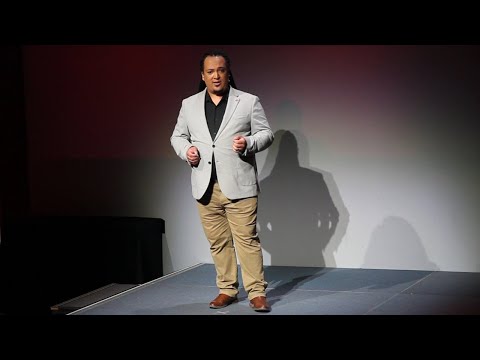
Engineering Equity with Automation | Poggy Murray Whitham | TEDxHeriot Watt University
TEDx Talks· 2025-09-02 15:56
Challenges in the Engineering Industry - The engineering industry faces a growing skills gap and a mental health emergency [11] - Suicide is the biggest killer of men under 50 in the UK, with those in construction, engineering, and manufacturing being over three times more likely to die by suicide than the national average [12] - Research indicates that 81% of engineers report some form of emotional or mental health concern, yet less than half are comfortable discussing it with their employer [13] - An estimated shortfall of over 173,000 engineers is costing the UK economy around 15 billion pounds annually [14] - In a 12-month period, over 38,000 women left engineering roles in the UK, decreasing the proportion of women in engineering and technical roles [15] - Nearly 72% of queer individuals in engineering and automation have experienced or witnessed discrimination in the workplace [16] The Need for Engineered Inclusion - Inclusion should be engineered, not just emphasized, drawing from automation principles to build better systems [9][31] - The industry should apply the same engineering logic used for machines to the workplace, monitoring the people behind them [10][11] - Traditional employee engagement surveys are like scheduled maintenance, disruptive and inefficient; the industry needs condition monitoring for inclusion [21][22] - Condition monitoring for inclusion involves tracking psychological safety, workload, career progression, and cultural kindness as a continuous feedback loop [23] - Predictive systems for inclusion should build in early warning, redundancy, and resilience, tracking who gets promoted and who gets stuck mid-career [25][26] - Inclusion should be designed from the ground up, based on data, and treated with the same rigor as quality control [27][28]
X @Investopedia
Investopedia· 2025-09-02 11:30
Straight-Through Processing (STP) Benefits - STP transforms payment and securities trading through automation [1] - STP enhances speed, accuracy, and efficiency for financial entities [1]
NRW Holdings (NWH) M&A Announcement Transcript
2025-09-02 05:00
Summary of NRW Holdings Conference Call on Acquisition of Freedom Company and Industry - **Company**: NRW Holdings (NWH) - **Acquisition Target**: Freedom, an Australian multi-service electrical, mechanical, HVAC infrastructure technology, and maintenance service provider Core Points and Arguments 1. **Acquisition Announcement**: NRW Holdings announced the acquisition of Freedom, which will serve as a strategic fourth pillar called EMIT, enhancing NRW's service offerings and capabilities [2][4] 2. **Freedom's Business Overview**: Freedom operates across four divisions: electrical, mechanical, infrastructure, and technology, employing 2,500 staff and generating $840 million in revenue with normalized EBIT of $38.6 million in FY 2025 [3][4] 3. **Transaction Structure**: NRW will acquire 100% of Freedom for a maximum consideration of up to $200 million, with $122 million payable on completion and an earn-out component based on Freedom's EBIT performance [5][7][9] 4. **Financial Projections**: Freedom is expected to deliver EBIT of approximately $40 million in FY 2026, with 75% of this revenue already secured [17][18] 5. **Strategic Rationale**: The acquisition is seen as transformational, providing NRW with expanded service offerings and access to new markets, particularly in energy transition and digital innovation [11][12] 6. **Workforce Integration**: The acquisition will increase NRW's workforce to approximately 11,500, enhancing its operational capacity [20] 7. **Market Position**: Freedom has a strong reputation, with 70% of its revenue generated from long-term client relationships, indicating reliability and client satisfaction [18] 8. **Pipeline and Growth Opportunities**: NRW has a robust pipeline of $3.5 billion in potential projects, with $1 billion of work already in hand, indicating strong future revenue potential [21][23] 9. **Funding and Financial Strategy**: The acquisition will be funded through available undrawn debt facilities and cash generated by the business, with an initial increase in gearing expected [9][10] 10. **Future Margin Expectations**: NRW targets a 6% EBIT margin for Freedom in the long term, aligning with industry peers [30] Additional Important Content 1. **Sector Diversification**: Freedom's operations span various sectors, including government, healthcare, and infrastructure, providing NRW with diversified revenue streams [14][76] 2. **Due Diligence Process**: A thorough due diligence process was conducted, ensuring confidence in Freedom's ability to meet financial projections [37] 3. **Synergies and Growth Strategy**: The acquisition is not focused on cost synergies but rather on leveraging existing relationships and capabilities to drive revenue growth [28][49] 4. **Client Base Composition**: The client base is predominantly government (66%) versus private (34%), indicating a stable revenue source [77] This summary encapsulates the key points discussed during the conference call regarding NRW Holdings' acquisition of Freedom, highlighting the strategic importance and expected financial impact of the transaction.
NRW Holdings (NWH) Earnings Call Presentation
2025-09-02 04:00
Acquisition Overview - NRW has agreed to acquire 100% of Fredon Industries [20] - The enterprise value is up to $200 million, with an economic effective date of July 1, 2025 [20] - The acquisition multiple is 52x EV/EBIT, assuming maximum Earn Out Consideration is paid [20] - Fredon is expected to generate revenue of approximately $840 million and EBIT of approximately $40 million in FY26 before synergies [20] - The acquisition is funded from existing corporate facilities, including $122 million in initial cash and an earn-out of $45 million to $60 million [20] Fredon's Financial Performance - Fredon generated $840 million in revenue and a normalized EBIT of $386 million in FY25 [16, 20] - Approximately $840 million of revenue is scheduled for delivery in FY26 [17] - Fredon has a pipeline of $36 billion, with submitted tenders of approximately $2 billion [42] Strategic Alignment - The acquisition delivers a 4th pillar "EMIT" aligning with NRW's strategy to grow through expanding the service offering [18] - Fredon has generated approximately 70% of revenue from customers with relationships of over 20 years [34] - NRW expects FY26 full-year revenue to be in excess of $34 billion and EBITA to be between $218 million to $228 million, excluding the Fredon acquisition [51]