
欧洲战略自主

Search documents
欧洲要成 “桌上菜”?法国高官捅破实话:美国靠不住,中俄伊还在逼
Sou Hu Cai Jing· 2025-08-31 16:58
Group 1 - The warning from French Chief of Staff Burkhard highlights Europe's potential decline in the face of great power competition, indicating that Europe may become "table scraps" in geopolitical struggles [1] - The U.S. withdrawal from its protective role has left Europe in a state of confusion, as NATO's requirement for increased military spending to 2% of GDP puts financial pressure on European nations [3][6] - The military pressure from Russia, particularly its capabilities in Ukraine and energy leverage, poses a significant threat to European security [4][6] Group 2 - China's economic penetration through initiatives like the Belt and Road has raised concerns about Europe's industrial competitiveness and political decision-making [4] - The threats from North Korea and Iran further complicate Europe's security landscape, with North Korea gaining modern warfare experience and Iran's actions destabilizing energy routes [4] - Europe's internal fragmentation, characterized by defense system incompatibility and rising far-right political movements, exacerbates its vulnerability in the face of external challenges [5][6] Group 3 - The metaphor by Blinken, "not at the table, then on the menu," encapsulates Europe's diminishing role as a rule-maker and its current precarious position [8] - To regain agency, Europe must shift from reliance on U.S. military support to investing in its own defense industry and seek cooperation in areas like climate change and global governance [8] - The decline of Europe serves as a reminder that no power is permanent, and without a transition to strategic autonomy and internal unity, the warnings of Burkhard may materialize [8]

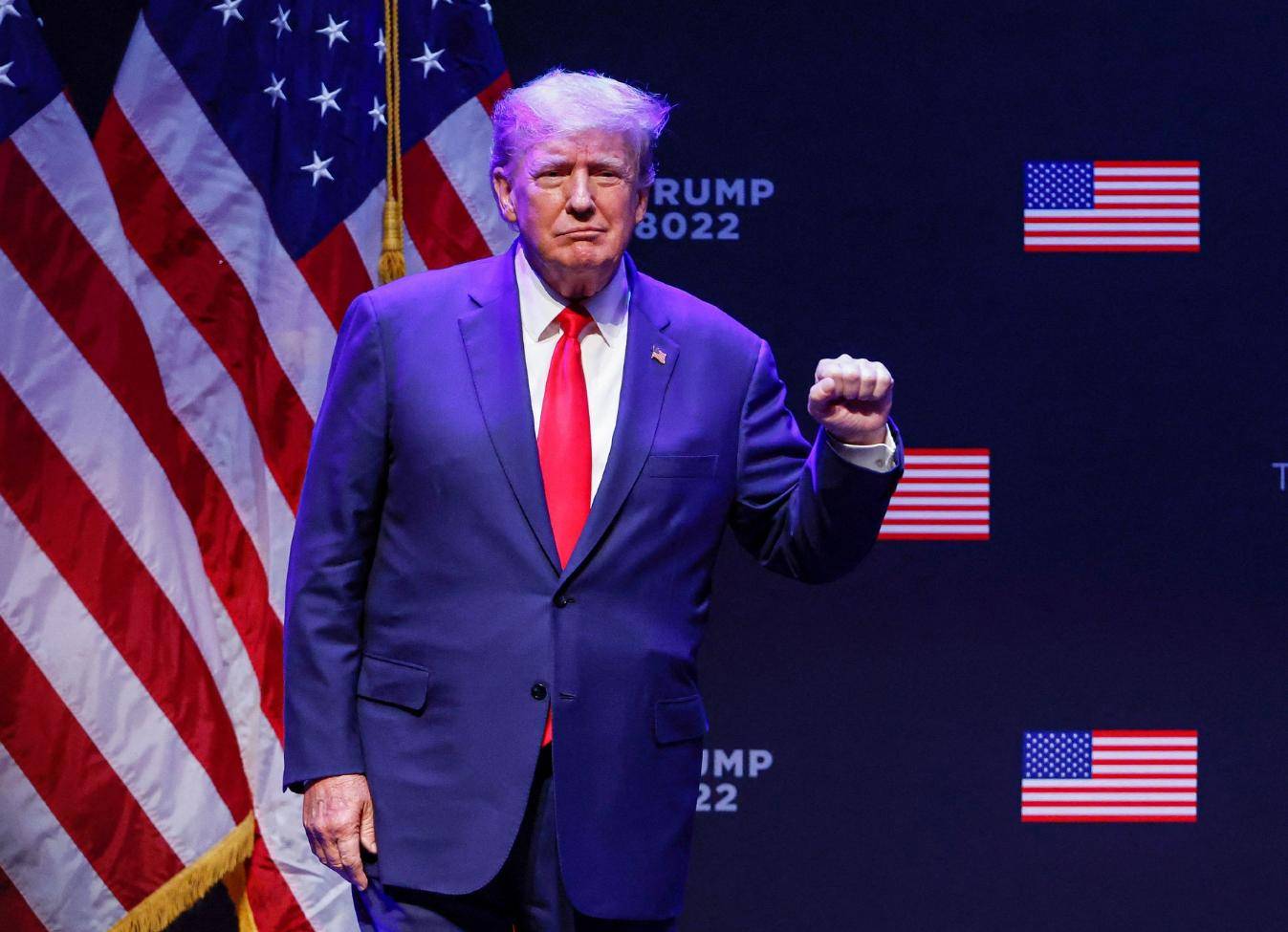
欧洲难入局深层原因:除女性执政外,这个因素更值得关注
Sou Hu Cai Jing· 2025-08-24 09:46
Group 1 - The article discusses Europe's diminished role in global diplomacy, particularly during the Helsinki summit where the U.S. and Russia engaged without European involvement [1][3][5] - The lack of unity among European nations is highlighted, with countries like Poland aligning closely with the U.S., undermining calls for European strategic autonomy [5][9] - The energy dependency of Europe on the U.S. is emphasized, particularly regarding the Nord Stream 2 project, which was halted due to U.S. sanctions, leading to increased energy costs for Germany [7][9] Group 2 - The rise of populist movements in Europe post-Helsinki summit reflects growing discontent, but these movements face suppression and labeling as pro-Russian, limiting their impact [7][9] - The economic repercussions of EU sanctions on Russia are discussed, particularly how they have adversely affected Southern European countries like Italy, which saw a nearly 20% drop in exports [9] - The article concludes with a note on Europe's declining global economic share, dropping from 25% to below 18% over the past two decades, indicating a weakening international influence [10]
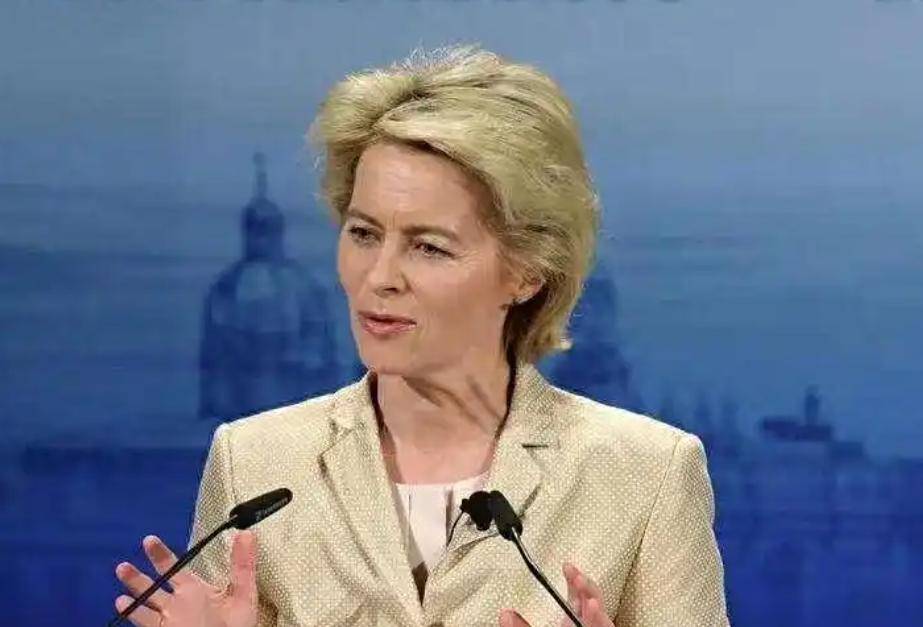
泽连斯基突访布鲁塞尔,与欧盟协调立场
第一财经· 2025-08-18 01:21
Core Viewpoint - The article discusses the recent visit of Ukrainian President Zelensky to Brussels, where he coordinated negotiation positions with EU leaders regarding the ongoing conflict with Russia and the upcoming talks with the US [3][4]. Group 1: EU's Position on Ukraine - EU Commission President Ursula von der Leyen emphasized several core positions of the EU regarding the Russia-Ukraine conflict, including welcoming Ukraine's EU membership as a form of security assurance and ensuring that Ukraine's international borders are not violated [3]. - Von der Leyen stated that issues of Ukrainian sovereignty and territory should be decided by Ukraine itself, and EU member states will continue to strengthen sanctions against Russia [3]. - The EU aims to provide ongoing support to Ukraine throughout the conflict resolution process [3]. Group 2: Zelensky's Stance - President Zelensky asserted that territorial issues must be resolved through direct negotiations between the leaders of Russia and Ukraine, and Ukraine will not relinquish any territory [3]. - He also indicated that a ceasefire remains a necessary prerequisite for initiating peace talks [3]. Group 3: European Leaders' Concerns - European leaders accompanying Zelensky to the US aim to prevent further marginalization of European countries and Ukraine in US-Russia negotiations [4]. - There is a concern in Brussels that if they are absent from key dialogues, Europe's influence on the war's outcome and the restructuring of security architecture will diminish [4]. - Von der Leyen's statements reflect the EU's efforts to stabilize Ukraine through institutional commitments and to prevent its isolation in the US-Russia power dynamics [4].
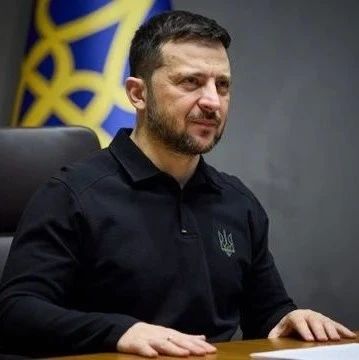
给乌克兰吃下“定心丸”,欧洲为何急于参与?
第一财经· 2025-08-18 01:21
Core Viewpoint - The meeting between Ukrainian President Zelensky and US President Trump is crucial for discussing Ukraine's security and territorial issues amid ongoing tensions with Russia [4][11]. Group 1: Meeting Context - Zelensky is visiting the US on August 18, 2025, to meet with Trump, with European leaders accompanying him to ensure their interests are represented [3][4]. - Prior to the meeting, Zelensky coordinated with EU leaders in Brussels, emphasizing the importance of discussing territorial issues at the leadership level [4][5]. Group 2: European Involvement - European leaders, including EU Commission President von der Leyen and heads of state from France, Germany, the UK, and Italy, are actively participating to avoid being sidelined in US-Russia negotiations [8]. - Von der Leyen stated that the EU will continue to support Ukraine and is preparing the 19th round of sanctions against Russia, indicating a strong commitment to Ukraine's security [5][7]. Group 3: US Position - Trump has indicated that significant progress has been made regarding Russia, urging the public to "stay tuned" for developments [9]. - The US is considering providing Ukraine with security guarantees similar to NATO's Article 5, as a workaround to Russia's opposition to Ukraine joining NATO [10]. Group 4: Discussion Topics - The core topics for discussion between Trump and Zelensky include Russia's territorial demands, Ukraine's security arrangements, and the role of the US in these negotiations [11]. - Zelensky has expressed the need for a comprehensive dialogue to clarify necessary steps for ending the conflict, while Trump advocates for a direct peace agreement rather than a mere ceasefire [11]. Group 5: Ongoing Conflict - Despite diplomatic efforts, the conflict between Russia and Ukraine continues, with reports of drone strikes and military engagements occurring shortly before the meeting [12][13].
与特朗普会谈前 泽连斯基突访布鲁塞尔与欧盟协调立场
Yang Shi Xin Wen· 2025-08-17 23:57
Core Points - The European Union (EU) and Ukraine are eager to coordinate their positions to ensure their interests are not sidelined in negotiations with the US [1][2] - Ukrainian President Zelensky's visit to Brussels aimed to align with EU leaders on negotiation strategies regarding the ongoing conflict with Russia [1] - EU Commission President Ursula von der Leyen emphasized key EU positions on the Russia-Ukraine conflict, including support for Ukraine's EU membership and the importance of Ukraine's sovereignty [1] Group 1 - The EU welcomes Ukraine's potential EU membership as a form of security assurance [1] - The EU will not allow violations of Ukraine's international borders and insists that issues of sovereignty and territory should be decided by Ukraine [1] - EU member states will continue to strengthen sanctions against Russia, with a commitment to support Ukraine throughout the conflict resolution process [1] Group 2 - European leaders accompanying Zelensky to the US aim to prevent further marginalization of European nations and Ukraine in US-Russia negotiations [2] - Concerns in Brussels highlight the risk of losing influence in discussions about the war's future and security architecture if Europe is absent from key dialogues [2] - The EU's statements reflect an effort to maintain unity while asserting strategic autonomy in the context of the ongoing geopolitical tensions [2]
缺席俄美峰会 欧洲恐被动接受谈判结果
Yang Shi Xin Wen Ke Hu Duan· 2025-08-15 18:11
Group 1 - The core viewpoint of the articles highlights the significant diplomatic efforts by European countries regarding the upcoming meeting between Presidents Putin and Trump, indicating Europe's concern over its interests being overlooked [1][2] - European leaders, including those from Germany, France, and the UK, held a video conference with Trump to emphasize the necessity of safeguarding European and Ukrainian security interests, insisting that any agreements should start with a ceasefire [2] - The absence of European leaders from the Trump-Putin meeting reflects Europe's awkward position on the Ukraine issue, where it is unable to directly participate in negotiations while facing internal divisions on sanctions against Russia [2][4] Group 2 - Experts suggest that Europe's absence from the negotiations is a result of its long-term reliance on NATO and the United States for security, which has diminished its geopolitical independence and bargaining power [4] - If the US and Russia reach an agreement without considering European interests, Europe may be forced to accept unfavorable outcomes, highlighting the deep-seated contradictions in Europe's strategic autonomy [4]
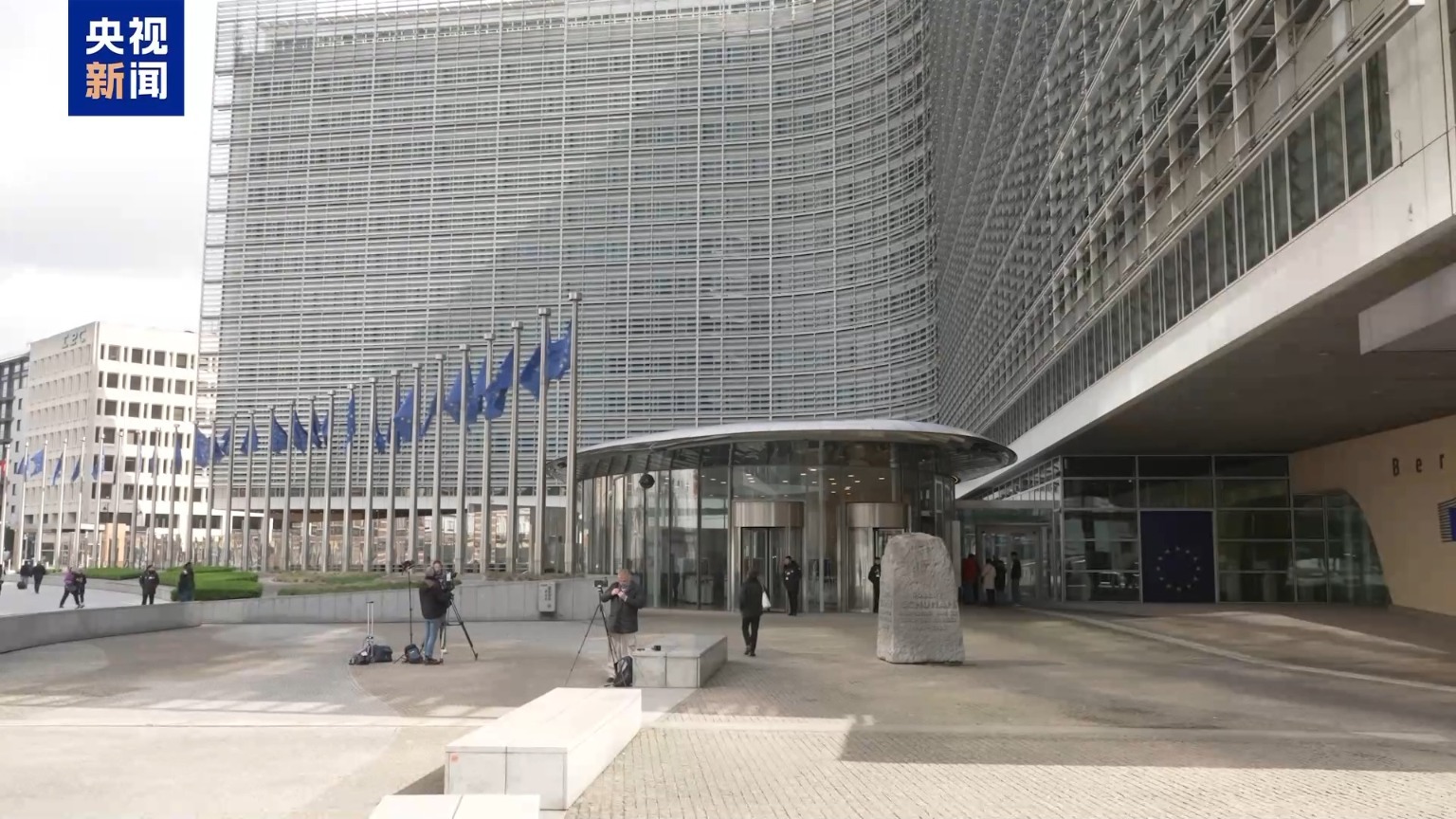
马克龙为何力推欧洲主导乌克兰危机解决?美俄博弈下的主权陷阱与战略困局
Sou Hu Cai Jing· 2025-08-10 17:21
Group 1 - The core argument is that European leaders, particularly President Macron, are advocating for Europe to take a leading role in resolving the Ukraine crisis, emphasizing that any solution must include European interests and perspectives [1][5][10] - Macron's call for European strategic autonomy reflects a response to the geopolitical tensions between the US and Russia, highlighting Europe's struggle for sovereignty and effective security governance [1][5][10] - The proposal for a European stabilization force in Ukraine aims to deter Russian aggression and ensure a stable ceasefire, although it faces logistical challenges and internal disagreements among EU member states [5][6][10] Group 2 - The geopolitical landscape is shifting, with a noticeable cooling in US-EU relations as Europe seeks to assert its own security interests independent of American influence [5][10] - The economic impact of the Ukraine conflict on Europe is significant, with losses exceeding 1 trillion euros due to disrupted energy trade and rising inflation, prompting calls for Europe to take responsibility for its own security [5][10] - The ongoing conflict has led to a humanitarian crisis, with the potential for further escalation if European military involvement is perceived as a direct threat by Russia [5][10] Group 3 - The narrative surrounding the Ukraine crisis is becoming increasingly polarized, with Western discourse framing it as a battle between democracy and authoritarianism, while ignoring the complexities of the situation [7][10] - The lack of a unified European defense strategy and the reliance on NATO highlight the challenges Europe faces in establishing an independent security framework [5][10] - The crisis has exposed the fragility of global governance structures, as Europe grapples with the consequences of its historical reliance on US military support [10]
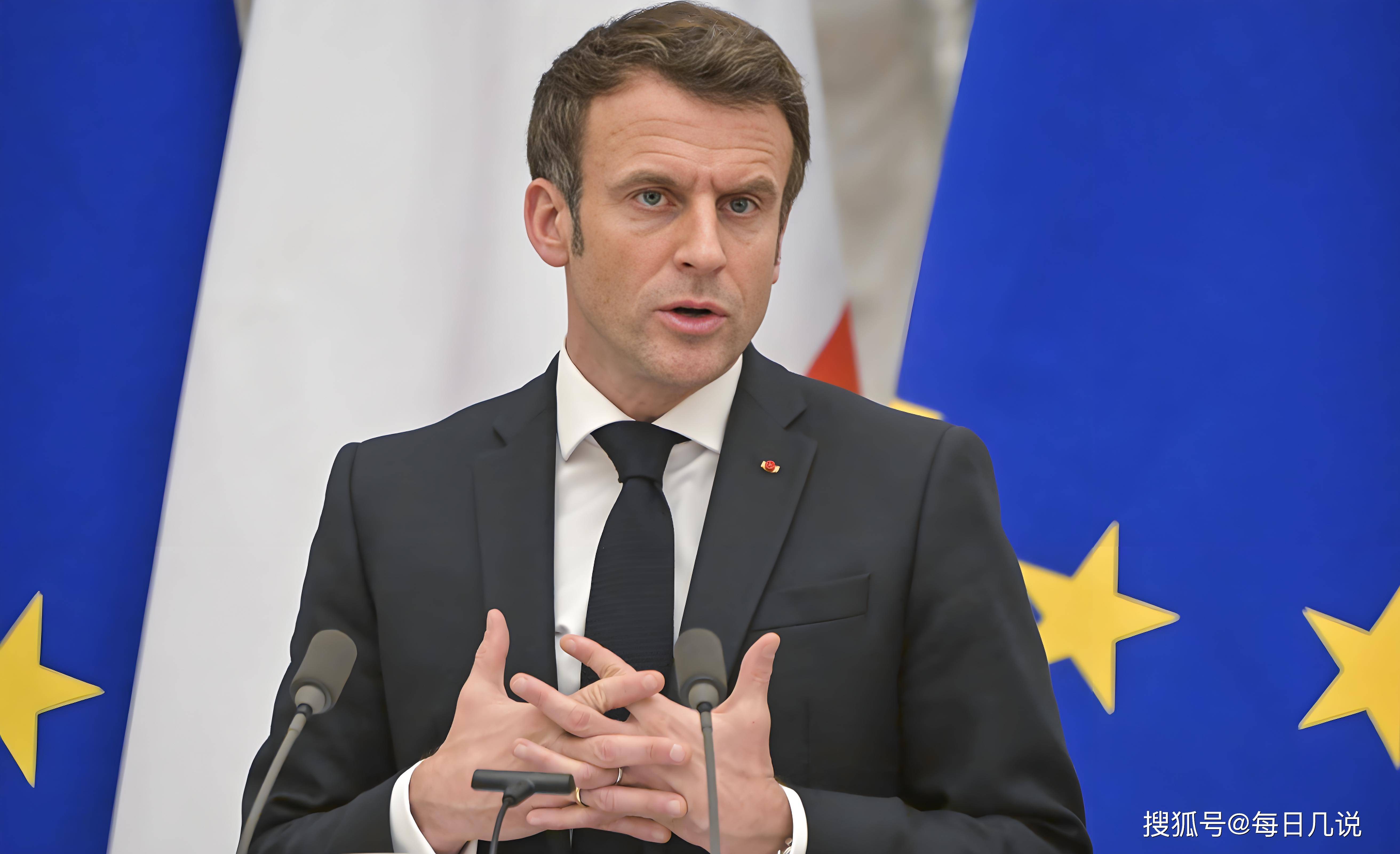
【环时深度】关税协议失衡,欧洲反思“战略自主”困境
Huan Qiu Shi Bao· 2025-08-04 22:44
Group 1: Impact of New Tariffs on European Businesses - European businesses are feeling the impact of the new U.S. tariffs, with some companies suspending shipments and others raising prices or facing profit declines [2][3] - The tariffs are described as the highest in history, leading to significant operational reevaluations among companies [2] - The wine industry, particularly in Germany, is experiencing damage due to tariffs, affecting both European producers and U.S. importers [2] Group 2: Reactions from European Leaders - German Chancellor Merz expressed dissatisfaction with the tariff agreement, indicating it would have a noticeable impact on the German economy [3] - French President Macron emphasized that the negotiations are not final and that Europe must adopt a stronger stance in future discussions [3] - Criticism of the agreement as "imbalanced" has emerged, with calls for Europe to better defend its interests in future negotiations [3][4] Group 3: Strategic Autonomy and Economic Dependence - The tariff agreement is viewed as a setback for Europe's strategic autonomy and a passive response to U.S. unilateral actions [4][5] - The EU's commitment to increase investments in the U.S. and purchase military equipment is seen as reinforcing dependence on the U.S. in critical sectors [4] - Economic fragmentation within Europe is highlighted as a significant weakness, hindering collective investment and competitiveness [6] Group 4: Future Opportunities and Challenges - Europe is positioned to potentially replace China as a key supplier to the U.S. in various sectors, including electronics and textiles [7] - The need for Europe to transition from a passive role to an active one in shaping its future amidst U.S.-China trade dynamics is emphasized [7] - The ongoing challenges of military, economic, and moral conflicts are placing Europe at a disadvantage in the global arena [10]
英法德首脑频频互动,“欧洲三巨头”抱团绝非巧合
Qi Lu Wan Bao Wang· 2025-07-25 11:13
Group 1 - The core viewpoint of the articles highlights the increasing alignment of diplomatic, economic, security, and immigration policies among France, Germany, and the UK, referred to as the "European trio" [1] - Macron's state visit to the UK marked the first visit by a French head of state in 17 years and the first by an EU leader post-Brexit, while Merkel's visit was his first as German Chancellor [1][3] - The UK and France signed the "Northwood Declaration," coordinating their independent nuclear deterrent capabilities, while the UK and Germany signed the "Kensington Treaty," covering security, defense, immigration, economy, and open society [1][3] Group 2 - The "Kensington Treaty" includes a commitment for mutual military assistance in the event of armed attacks, reflecting a lack of confidence in NATO's collective defense commitments [1][2] - The shift in the US stance on European security, as articulated by Defense Secretary Hagel and Vice President Pence, indicates a demand for European allies to take greater responsibility for their own defense [2] - Macron's emphasis on France's nuclear deterrent and the extension of the "nuclear umbrella" to Germany signifies a strategic shift towards European defense autonomy [3][4] Group 3 - The recent deployment of a US C-17 heavy transport aircraft to the UK, potentially carrying new B61-12 nuclear bombs, suggests a re-establishment of US nuclear capabilities in Europe [4][5] - Trump's administration's actions, including the push for increased military spending among NATO members and the controversial arms support for Ukraine, have created divisions within NATO [5] - The refusal of several NATO countries to support the US's plan to rearm Ukraine indicates a growing rift and the need for European nations to reassess their defense strategies in light of US policies [5]
美国卖、乌克兰收、北约付:这笔武器交易透着特朗普味儿
Xin Jing Bao· 2025-07-15 04:55
Group 1 - The core viewpoint of the articles revolves around the U.S. decision to provide Ukraine with Patriot missile systems through NATO, with NATO covering the costs, indicating a shift in U.S. policy regarding military aid to Ukraine [1][2][3] - The U.S. has provided significant military aid to Ukraine, totaling $106 billion in direct military assistance and over $60 billion in indirect aid as of last year, which has caused dissatisfaction among some factions within the U.S. [2][3] - The recent increase in Russian drone and missile attacks has heightened Ukraine's air defense pressure, leading to the decision to supply advanced military equipment [2][3] Group 2 - NATO's agreement to fund the Patriot missile systems was reached during the June 25 summit, where the U.S. sought to address internal dissatisfaction from the MAGA faction regarding military spending [3][4] - The NATO summit aimed to align with Trump's demands, including a commitment to increase military spending to 5% of GDP by 2035, despite some member countries expressing reluctance [3][4] - Germany is identified as the most likely contributor to the funding for the Patriot systems, with indications of interest from other European partners [4][5] Group 3 - The potential for NATO to regularly fund U.S. military sales is questioned due to existing defense budget shortfalls among European members, which complicates the sustainability of such arrangements [4][5] - The ongoing U.S. congressional plans to grant Trump authority to impose tariffs on countries perceived as aiding Russia could have more significant implications than NATO's funding of military equipment [5]