西电东送

Search documents
白鹤滩-江苏特高压完成年度检修
Zhong Guo Jing Ji Wang· 2025-11-28 06:41
Core Viewpoint - The annual maintenance of the Baihetan to Jiangsu power transmission line has been successfully completed, utilizing drone technology to enhance efficiency and safety during the process [1] Group 1: Maintenance and Technology - The State Grid Hubei UHV Company employed drones for the first time to assist in maintenance, lifting 48-kilogram fittings in two trips to replace damaged ultra-high voltage insulators, reducing maintenance time by 60% [1] - A large drone operated at a height of 100 meters while maintenance personnel worked 20 meters below, ensuring safety and efficiency during the replacement of the ±800 kV Jian Su Line's damaged insulators [1] Group 2: Environmental Impact - The Jian Su Line is a crucial channel for the "West-to-East Power Transmission" project, delivering 31.2 billion kilowatt-hours of clean hydropower to Jiangsu annually, which helps reduce coal consumption by 14 million tons and cuts carbon dioxide emissions by 25.42 million tons [1] - The efficient operation and precise inspection by maintenance personnel contribute to ensuring safe power supply during the winter peak demand [1]
【前瞻分析】2020-2025年中国水力发电行业中标项目数量及区域分布分析
Sou Hu Cai Jing· 2025-11-24 10:14
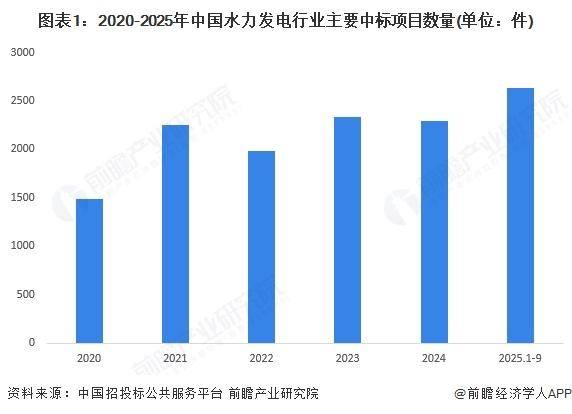
Group 1 - The core viewpoint of the article highlights the growth trend in the number of bidding projects in China's hydropower industry from 2020 to 2025, with a projected total of 2,291 projects in 2024 and 2,640 projects in the first nine months of 2025 [2][4] - The main entities involved in bidding projects in the hydropower sector are other general enterprises and state-owned enterprises, with 6,464 projects (49%) attributed to general enterprises and 5,576 projects (42%) to state-owned enterprises as of September 2025 [4] - Yunnan Province is identified as the second-largest hydropower resource province in China, with a total hydropower resource capacity of 104 million kW and a potential installed capacity of 97.95 million kW, accounting for approximately 25% of the national total [7] Group 2 - The total water resources in Yunnan Province have shown fluctuations from 2017 to 2024, with a total of 176.039 billion cubic meters reported in 2024, reflecting a year-on-year increase of 17.2% [8] - As of the end of 2024, Yunnan Province's total installed capacity reached 15.188 million kW, with hydropower accounting for 8.36 million kW, representing 55% of the total capacity [11] - The hydropower generation figures for major companies in Yunnan include 6.698 billion kWh from Guotou Power and 6.173 billion kWh from Datang Power [11]


“川电入苏”输送绿电突破5000亿千瓦时
Xin Hua Ri Bao· 2025-11-23 22:16
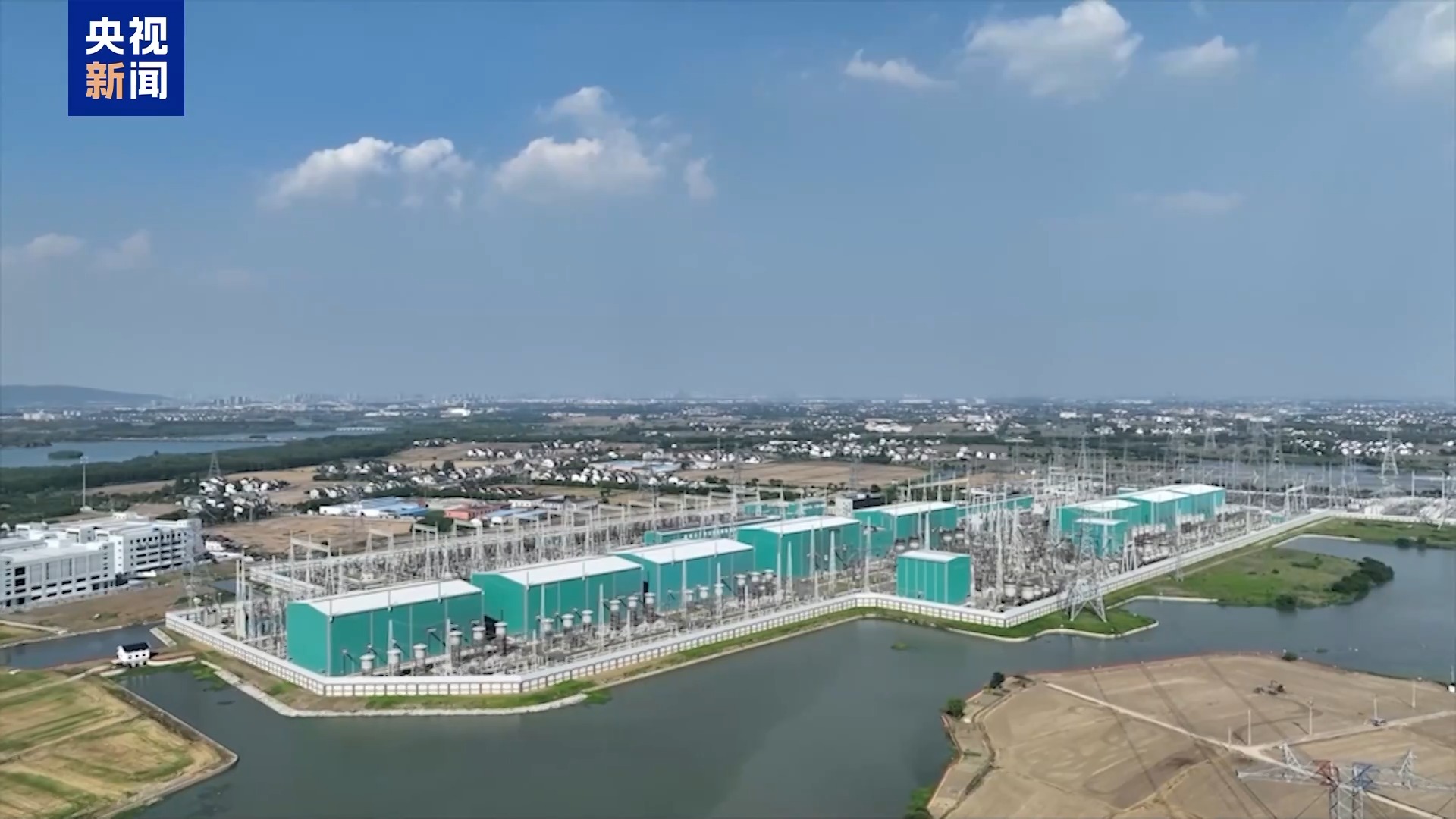
Core Insights - The "Chuan Dian Ru Su" ultra-high voltage transmission project has delivered over 505 billion kilowatt-hours of clean hydropower to Jiangsu, significantly contributing to energy structure optimization and green low-carbon development [1] Group 1: Project Overview - The two key ultra-high voltage projects, ±800 kV Jinping-Sunan and ±800 kV Baihetan-Jiangsu, serve as vital energy corridors connecting western clean energy bases with eastern electricity load centers [1] - These projects are part of China's "West-to-East Power Transmission" initiative, addressing the energy supply-demand imbalance between resource-rich areas and economically developed regions [1] Group 2: Environmental Impact - The energy delivered has resulted in the saving of over 150 million tons of standard coal and a reduction of more than 475 million tons of carbon dioxide emissions [1] Group 3: Regional Energy Dynamics - Jiangsu, as a major economic and energy-consuming province, relies heavily on these projects, which account for approximately 30% of Jiangsu's total electricity consumption from external sources [1] - The Jinping and Baihetan hydropower bases supply around 55 billion kilowatt-hours of electricity to Jiangsu annually, making them the most important source of cross-regional power for the province [1]
“川电入苏”特高压工程累计输送清洁水电超5000亿千瓦时
Yang Shi Xin Wen· 2025-11-21 23:29
Core Insights - The two "Chuan Electric into Su" UHV projects have cumulatively delivered over 500 billion kilowatt-hours of clean hydropower, significantly promoting regional energy structure optimization and green low-carbon transformation [1][3] Group 1: Project Overview - The two UHV projects, namely the ±800 kV Jinping to Suzhou and Baihetan to Jiangsu, are key components of China's "West-to-East Power Transmission" initiative, connecting clean energy bases in the west with electricity load centers in the east [1] - As of the 21st, these projects have delivered a total of 505 billion kilowatt-hours of clean hydropower to Jiangsu, equivalent to nearly six times the annual output of the Three Gorges Dam [3] Group 2: Environmental Impact - The projects have saved over 150 million tons of standard coal and reduced carbon dioxide emissions by 475 million tons [3] - The annual electricity delivery from the Jinping and Baihetan hydropower bases to Jiangsu is approximately 55 billion kilowatt-hours, accounting for about 30% of Jiangsu's total electricity consumption from outside the province [4] Group 3: Capacity and Support - The peak delivery capacity during high electricity demand periods reaches 14.4 million kilowatts, making these projects the most important cross-regional power support for Jiangsu province [4]
跨区跨省外送能力居首位 四川为全国配置清洁能源
Si Chuan Ri Bao· 2025-11-20 00:33
●1998年至今,四川全口径外送电量已超1.9万亿千瓦时,相当于江苏、浙江、安徽三省全年用电量 之和 ●四川电网跨区跨省外送能力达6260万千瓦,居全国首位 自国家实施"西电东送"以来,四川逐步建成全国重要的清洁能源基地,目前发电总装机约1.5亿千 瓦,其中水电装机约1亿千瓦,占比达三分之二,为持续稳定的清洁能源外送奠定了坚实的电源基础。 1998年至今,四川累计向华中、华东等地外送清洁电能,相当于替代燃煤约5.7亿吨,贡献减排约10.9亿 吨二氧化碳。 近年来,国家电网加大四川电力外送通道建设力度,推动四川成为全国拥有特高压线路最多的省 份。"十四五"以来,雅中—江西、白鹤滩—江苏、白鹤滩—浙江±800千伏特高压直流输变电工程,以及 川渝1000千伏特高压交流输电工程相继建成投运;金沙江上游—湖北特高压工程也将于今年12月投运。 到2025年底,四川电网将通过"八直十二交"网络,与华东、华中、西北、重庆、西藏等区域电网相连, 电力供应保障、电能交换互济、新能源消纳及能源资源配置能力全面提升。 "十四五"以来,四川电力交易中心统筹协调新能源与常规能源发电,实现水火风光同台交易。目 前,四川电力现货市场已进入结 ...
四川全口径外送电量突破1.9万亿千瓦时
Zhong Guo Xin Wen Wang· 2025-11-19 09:25
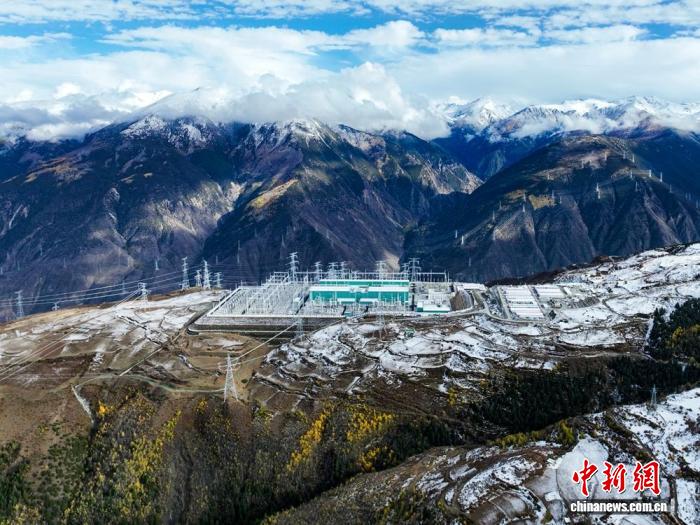
在硬件设施升级的同时,四川电力交易体系持续完善。"十四五"以来,四川电力交易中心响应全国统一 电力市场建设要求,统筹新能源与常规能源发电,实现水火风光"同台竞技",建立高效供需对接机制。 目前,四川电力现货市场已进入结算试运行阶段,具有水电特色的市场机制日趋成熟,为清洁能源稳定 外送提供坚实机制保障。(完) 来源:中国新闻网 编辑:王永乐 中新网成都11月19日电 (记者 刘忠俊)记者19日从国网四川省电力公司获悉,四川全口径外送电量已突 破1.9万亿千瓦时。目前,该省电网跨区跨省外送能力达6260万千瓦,稳居全国首位。 正在进行最后调试工作的金沙江上游—湖北±800千伏特高压直流输电工程卡麦换流站。刘钦虎 摄 据了解,作为中国西部大开发战略的重要组成部分,"西电东送"是加快新型能源体系建设、促进东西部 协同发展的重大举措。自1998年四川开启省外送电以来,27年间累计向华中、华东等地区外送清洁电 能,相当于替代燃煤约5.7亿吨,减排二氧化碳约10.9亿吨,为全国能源绿色低碳转型、生态环境保护提 供有力支撑,助力"双碳"目标实现。 四川能源资源禀赋优越,自"西电东送"战略实施以来,已逐步建成全国重要清洁能源基 ...
四川全口径外送电量超1.9万亿千瓦时
Zhong Guo Fa Zhan Wang· 2025-11-19 08:40
Core Viewpoint - Sichuan's total electricity export has exceeded 1.9 trillion kilowatt-hours, equivalent to the annual electricity consumption of Jiangsu, Zhejiang, and Anhui provinces combined, marking significant achievements in the "West-East Power Transmission" energy strategy and optimizing the allocation of clean energy nationwide [1][3]. Group 1: Electricity Export Achievements - Sichuan's electricity export capacity has reached 62.6 million kilowatts, ranking first in the country [1]. - Since the implementation of the "West-East Power Transmission" strategy, Sichuan has cumulatively exported clean electricity equivalent to replacing approximately 570 million tons of coal, contributing to a reduction of about 1.09 billion tons of carbon dioxide emissions [3]. Group 2: Clean Energy Base - Sichuan has established itself as a major clean energy base in the country, with a total installed power generation capacity of approximately 150 million kilowatts, of which hydropower accounts for about 100 million kilowatts, representing two-thirds of the total [5]. Group 3: Infrastructure Development - The continuous improvement of cross-regional and cross-provincial electricity export channels supports Sichuan's large-scale electricity exports, with significant investments in ultra-high voltage transmission lines [8]. - Key projects such as the Yacheng-Jiangxi and Baihetan-Jiangsu ±800 kV ultra-high voltage direct current transmission projects have been completed, enhancing the electricity supply and resource allocation capabilities [8]. Group 4: Market Mechanism - The Sichuan electricity trading system has entered a new phase, responding to the national unified electricity market system, coordinating renewable and conventional energy generation [8]. - The Sichuan electricity spot market has begun trial settlement operations, indicating a maturing market mechanism that supports stable clean energy exports [8].
“风光大省”甘肃,为何竞配出了全国最低的机制电价?
Sou Hu Cai Jing· 2025-11-13 02:31
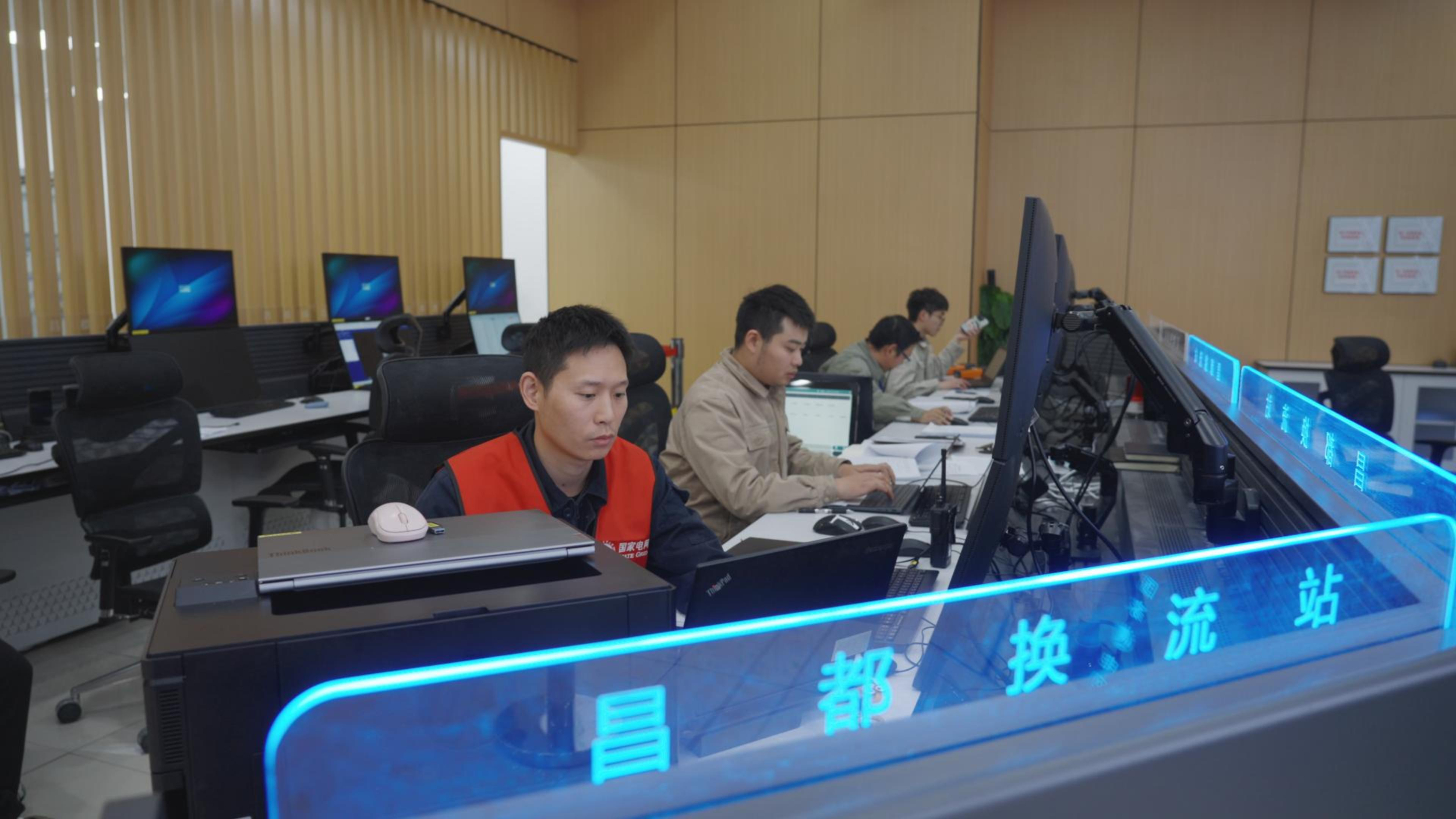
Core Viewpoint - The recent bidding results for incremental mechanism electricity prices in six provinces indicate the future landscape of renewable energy projects in China, with Gansu province surprisingly having the lowest mechanism price, raising concerns about its renewable energy development [1][2][3]. Group 1: Bidding Results - Six provinces have completed the first round of bidding for incremental mechanism electricity prices, including Shandong, Yunnan, Xinjiang, Gansu, Jiangxi, and Guangdong [1]. - The bidding results are as follows: Guangdong at 0.36 yuan/kWh, Jiangxi wind at 0.337 yuan/kWh and solar at 0.33 yuan/kWh, Yunnan solar at 0.33 yuan/kWh and wind at 0.332 yuan/kWh, Xinjiang wind at 0.252 yuan/kWh and solar at 0.235 yuan/kWh, Shandong wind at 0.319 yuan/kWh and solar at 0.225 yuan/kWh, and Gansu at 0.1954 yuan/kWh [1][2]. Group 2: Gansu's Mechanism Price - Gansu's mechanism electricity price is notably the lowest in the country, with the bidding price hitting the lower limit of the set range, indicating intense competition [3][6]. - The mechanism price range for Gansu was set between 0.1954 and 0.2447 yuan/kWh, which is unique compared to other provinces [1][2]. Group 3: Renewable Energy Capacity and Generation - As of the end of 2024, Gansu has a wind power installed capacity of 32.1476 million kW and solar power capacity of approximately 43.0847 million kW, totaling 75.2323 million kW [5]. - In 2024, Gansu's wind power generation was 45.79 billion kWh, and solar power generation was about 80 billion kWh, totaling 125.79 billion kWh [5]. Group 4: Challenges Faced by Gansu - Gansu faces significant challenges in utilizing its renewable energy, with a high rate of curtailment due to insufficient local demand and limited transmission capacity [6][7]. - The province's renewable energy development has outpaced its ability to consume the generated power, leading to a situation where the mechanism price is under pressure [6][8]. Group 5: Broader Implications for Other Provinces - Other provinces, such as Shandong and Xinjiang, also face challenges with low mechanism prices and curtailment issues, although not as severe as Gansu's situation [8][9]. - The experiences from Gansu's renewable energy development can provide valuable lessons for other provinces to avoid similar pitfalls and ensure sustainable growth in the renewable energy sector [9].
微观高质量发展丨一条“动脉”里的“能源安全”
Xin Hua Wang· 2025-11-12 07:58
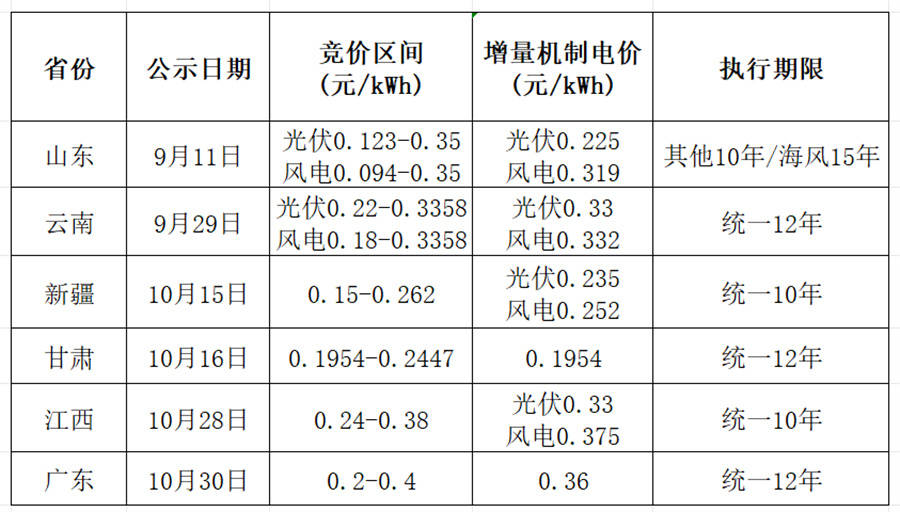
Core Points - The article highlights the successful construction of the world's highest ±800 kV converter station at Bangguo, Sichuan, which is part of the Jinshang-Hubei UHV project aimed at transmitting clean energy from the Tibetan Plateau to central China [1][3] - The project is a key component of China's "West-to-East Power Transmission" strategy, enhancing the green electricity supply to the central region [1][8] - The construction of the Aba 1000 kV converter station is also underway, expected to be operational by the end of 2026, further supporting the Chengdu-Chongqing economic circle [2][3] Group 1 - The Bangguo converter station faces significant challenges, including remote construction areas and the need for technological innovation [1] - The clean energy transmission capacity has increased from 30.6 million kW at the end of the 13th Five-Year Plan to 62.6 million kW during the 14th Five-Year Plan [3][8] - The construction of over 100 key projects in the Sichuan power grid during the 14th Five-Year Plan has established a main channel for "West-to-East Power Transmission" [3] Group 2 - UHV technology is described as a "highway" for the cross-regional flow of clean energy, addressing the mismatch between energy distribution and demand [5][8] - The National Energy Administration reports that the State Grid has completed 41 UHV projects, enhancing cross-province transmission capacity by 30% compared to the end of the 13th Five-Year Plan [8] - Future plans include the establishment of a new energy system as outlined in the 15th Five-Year Plan, focusing on increasing the share of renewable energy and ensuring energy security [10]
中国特高压有多牛?美国搞不出,印度用不起,2000K传电仅0.007秒
Sou Hu Cai Jing· 2025-11-09 06:18
Core Insights - The article contrasts India's frequent power outages with China's successful implementation of ultra-high voltage (UHV) power transmission technology, highlighting the importance of timely energy delivery rather than just resource availability [1][28]. Group 1: India's Energy Challenges - India faced a severe power outage in 2012, affecting 600 million people and exposing the inadequacies of its outdated power system [1]. - The Indian power grid is limited to 400 kV, lacking segmentation and protection, which leads to nationwide impacts from localized issues [6]. - India's energy distribution is inefficient, with abundant resources in the north and west but significant losses during long-distance transmission [7][9]. Group 2: China's UHV Solution - China has effectively utilized UHV technology to transport electricity from resource-rich western regions to the energy-demanding eastern areas, overcoming the challenges of energy distribution [3][14]. - The UHV technology allows for long-distance power transmission with minimal losses, making it a more efficient solution compared to traditional methods [9][20]. - The construction of UHV lines has been a monumental effort, involving thousands of scientists and workers over a decade, culminating in the first UHV line operational in 2010 [23]. Group 3: Environmental and Social Impact - UHV technology supports China's dual carbon goals by enabling the transmission of renewable energy sources, significantly reducing deforestation and carbon emissions [20][25]. - The UHV network ensures equitable energy access across China, reaching remote areas and providing reliable power even during emergencies [24][26]. Group 4: Comparative Analysis - The article illustrates a stark contrast between India's reactive approach to energy crises and China's proactive development of infrastructure, reflecting differing national development strategies [28].