长江大保护

Search documents
市委召开专题会议研究“十五五”专项规划编制:协同推进生态环境保护和绿色低碳发展,加快建设人与自然和谐共生的美丽武汉
Chang Jiang Ri Bao· 2025-11-10 00:33
Group 1 - The meeting emphasized the importance of compiling the "15th Five-Year" special plan, focusing on long-term vision and scientific methods to achieve high-quality development in Wuhan [1][2] - Key tasks include accelerating the construction of a national central city and modernizing Wuhan, with a focus on strategic issues affecting long-term development [2][3] - The plan aims to integrate various resources and establish cross-departmental collaboration mechanisms to ensure effective implementation [2][3] Group 2 - Green development is highlighted as the foundation for high-quality development, with a focus on ecological protection and low-carbon initiatives [3] - Continuous efforts will be made to protect the Yangtze River, enhance pollution prevention, and improve urban ecological quality [3] - The plan includes promoting a comprehensive green transformation of the economy and society, fostering green industries, and enhancing urban management [3]
湖北宜昌:绿色转型打造清洁能源之城
Xin Hua Wang· 2025-10-27 09:34
Core Viewpoint - Yichang, Hubei is undergoing a green transformation to become a clean energy city, significantly reducing pollution and enhancing its clean energy industry [1][3]. Group 1: Clean Energy Initiatives - Yichang has established 179 shore power facilities along 71 operational docks, providing over 60 million kilowatt-hours of clean shore power to more than 58,000 vessels, resulting in a carbon reduction of over 44,000 tons [1]. - The city has shifted from being solely an energy production hub to a source of clean energy technology, high-end equipment, and industry standards innovation [1][3]. - In the past three years, Yichang has completed or is constructing 81 new energy and new material projects with a total investment exceeding 340 billion yuan, with lithium iron phosphate battery production capacity reaching 70 GWh [3]. Group 2: Industrial Transformation - Yichang has transformed its chemical industry by closing, merging, or relocating 134 chemical enterprises to alleviate ecological pressure, leading to a significant increase in the proportion of fine chemicals in the phosphate chemical circular industry cluster from 18.6% in 2018 to 47.76% in 2024 [3]. - The city is focusing on high-end equipment manufacturing, particularly in green smart shipbuilding, with a diverse technological approach including electric, hydrogen fuel, LNG, and hybrid power [4]. Group 3: Infrastructure and Economic Development - Yichang has launched the first "zero-carbon freight corridor" in Hubei, which processes 3,000 tons of phosphogypsum waste, promoting a new model of "green mining—clean transportation—ecological restoration" [6]. - The digital economy is also thriving, with the total computing power reaching 3,500 P and an additional 11,600 P under construction, aiming for the digital economy industry scale to exceed 100 billion yuan this year [9].

长江水道向“绿”而行——江西瑞昌推进船舶治污见闻
Xin Hua Wang· 2025-10-23 09:21
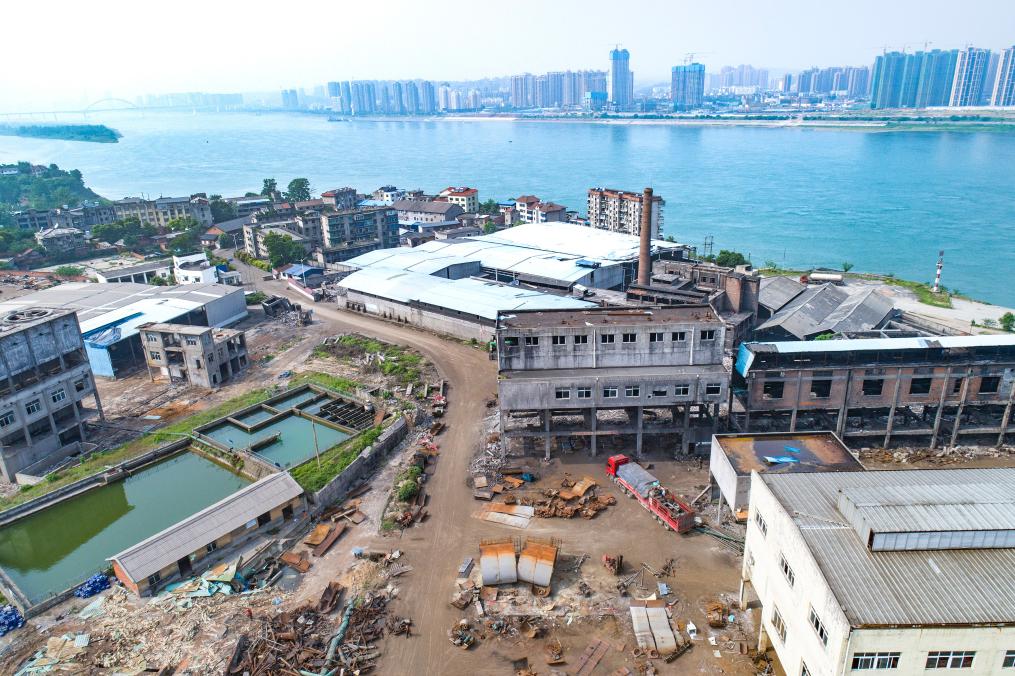
Core Insights - The article highlights the efforts of Ruichang City in Jiangxi Province to combat ship pollution and promote green development along the Yangtze River, emphasizing the implementation of waste collection and treatment systems for ships [1][2]. Group 1: Pollution Management - Ruichang has established a ship pollution reception and transfer station, which actively collects waste from ships, receiving 26 tons of garbage and 4,040 tons of sewage in 2024 [2]. - The management of ship pollution has become stricter, with a focus on preventing direct discharge of waste into the river, supported by free waste collection services [2][3]. Group 2: Environmental Awareness - There is a noticeable improvement in the environmental awareness of crew members, who no longer dispose of waste in the river as they did in the past [2]. - The concept of ecological protection along the Yangtze River has gained traction, with increased compliance among ship crews regarding waste disposal [2]. Group 3: Green Energy Initiatives - Ruichang is promoting the use of shore power, allowing ships to connect to the electrical grid while docked, thus reducing reliance on diesel engines [3]. - All riverfront terminals in Ruichang have been equipped with shore power systems, facilitating easy access to electricity for moored vessels [3].
守护一江碧水 传承城市文脉
Ren Min Ri Bao· 2025-10-15 22:22
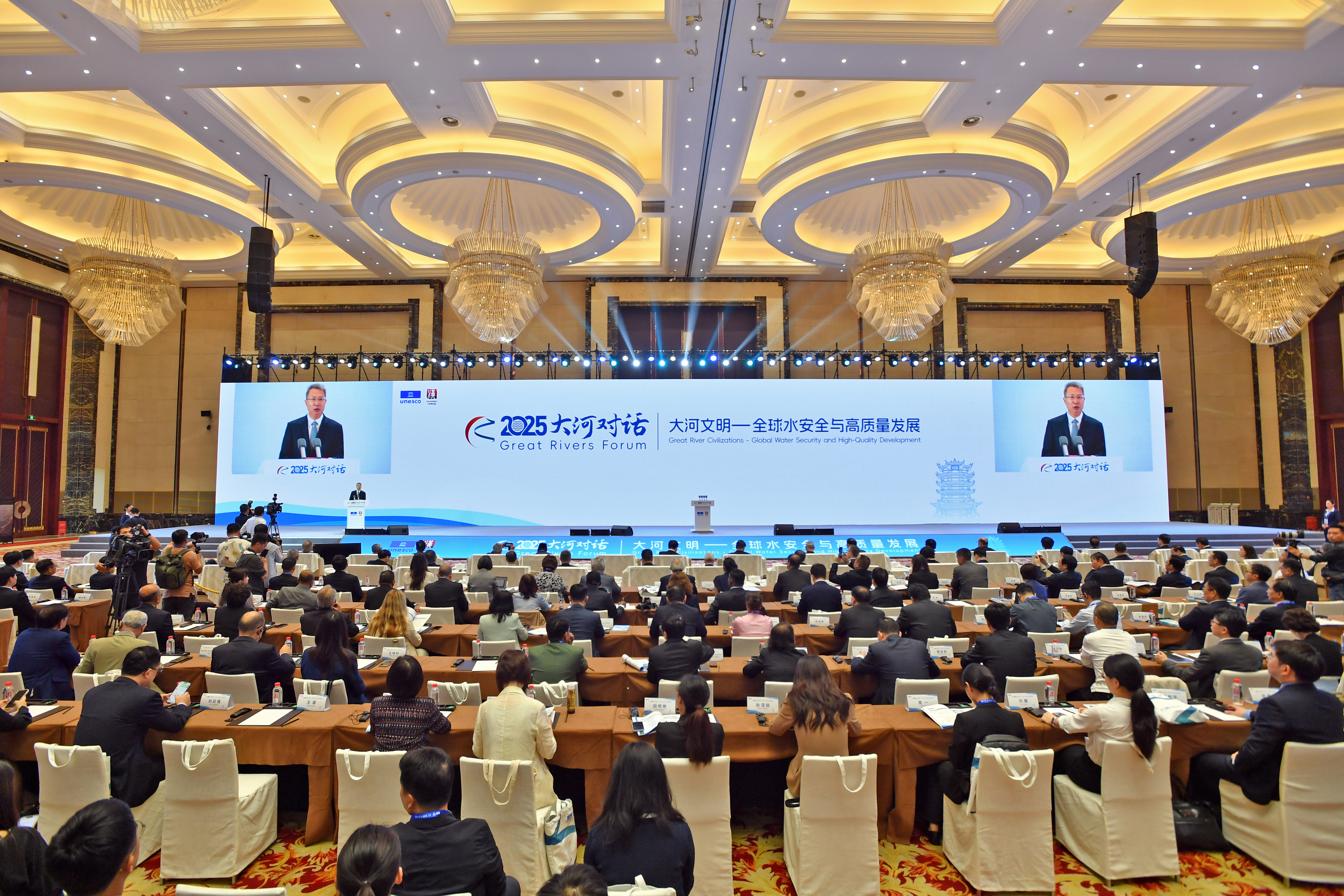
Core Insights - The "Great River Dialogue" event held in Wuhan gathered experts from over 20 countries to discuss river governance and sustainable development, highlighting Wuhan's innovative practices in ecological conservation and urban development [5][6][12] Environmental and Ecological Developments - The presence of the "smiling angel" Yangtze River dolphin indicates the improving health of the Yangtze River ecosystem, with the dolphin population in the Newzhou Shuangliu section increasing from a few to nearly 20 [7][8] - Wuhan has implemented the "Yangtze Dolphin Return to the City" plan, focusing on habitat construction and ecological monitoring, contributing to the stable water quality in the Yangtze River, which has reached Class II standards [7][8] - The city aims for a 100% good water quality rate in the Yangtze River section by 2024, with the number of lakes meeting good water quality standards increasing from 24 to 51 [8][10] Urban Development and Cultural Heritage - The transformation of industrial sites into recreational spaces, such as the Wuchang Bay 1956 Park, showcases the integration of historical industrial culture into modern urban life [9][10] - Wuhan's ecological corridor construction has resulted in 82.89 kilometers of continuous ecological shoreline and 8.4186 million square meters of waterfront space, enhancing urban livability [10] - The city is actively promoting cultural heritage through exhibitions and events, such as the "Treasures of Ancient Civilizations along the Yangtze River" exhibition, which features artifacts from various historical periods [12][13] Tourism Growth - Wuhan has become a popular tourist destination, receiving 34.63 million visitors during the recent holidays, a 12.06% increase year-on-year, with total tourism revenue reaching 21.704 billion yuan, up 16.35% [13]
郭元强盛阅春会见水利部长江水利委员会主任廖志伟一行
Chang Jiang Ri Bao· 2025-10-15 11:07
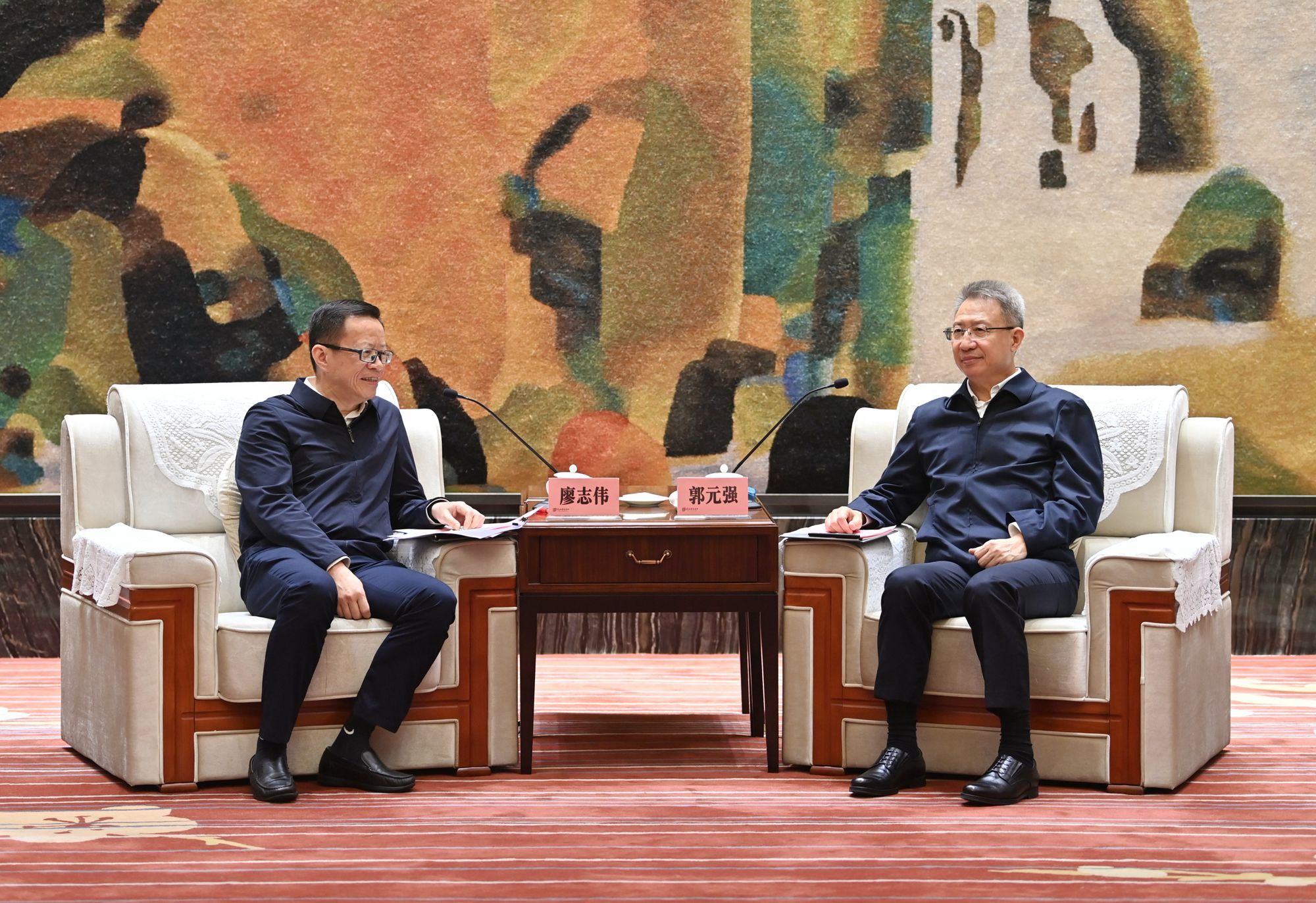
Core Insights - The article highlights the collaboration between Wuhan and the Yangtze River Commission (YRC) in promoting high-quality development along the Yangtze River Economic Belt, emphasizing ecological protection and sustainable development [2][4] Group 1: Government Support and Collaboration - The YRC has consistently supported Wuhan in disaster management, ecological governance, and major project development, contributing significantly to the city's socio-economic growth [2] - Wuhan expresses gratitude towards the YRC for its ongoing support and guidance in water safety and ecological protection efforts [4] Group 2: Strategic Development Goals - Wuhan aims to implement President Xi Jinping's directives on high-quality development, focusing on ecological priority and green development while enhancing the transformation of its advantages [2] - The YRC commits to fulfilling its responsibilities in river basin management and leveraging its technical expertise to support Wuhan's high-quality development [4] Group 3: Future Cooperation - Both parties aim to deepen practical cooperation to ensure water safety and promote technological innovation in the water sector, contributing to the high-quality development of the Yangtze River Economic Belt [2][4]
帮鱼儿过坝 护大江生态(自然之子)
Ren Min Ri Bao· 2025-10-14 22:12
Core Viewpoint - The article highlights the interdisciplinary research of Shi Xiaotao, who focuses on the construction of fishways in water conservancy projects to ensure the ecological balance and the migration of fish species in the Yangtze River [3][4]. Group 1: Background and Research Focus - Shi Xiaotao, the director of the Water Ecology Research Institute at Three Gorges University, has dedicated 16 years to helping fish navigate dams in the Yangtze River [2]. - His research transitioned from aquatic biology to ecological water engineering, emphasizing the need for harmony between water conservancy projects and ecological environments [3]. Group 2: Practical Applications and Innovations - The construction of fishways has gained importance, especially after the revision of the Water Law in China, which mandates the inclusion of fish passage facilities in dam projects [4]. - Shi's team conducts field experiments across various regions, including Tibet and Xinjiang, to optimize fishway designs that accommodate different fish species and environmental conditions [5]. Group 3: Educational Initiatives and Public Awareness - Shi has developed a course titled "Yangtze River Conservation Innovation Practice," attracting over 100 students from various disciplines to engage in hands-on learning about aquatic ecosystems [6]. - The team also runs a volunteer service and a public science account to raise awareness about the protection of the Yangtze River, successfully reducing harmful practices like feeding wild dolphins [6][7].
中持股份第一大股东或将变更,长江环保集团将不再持有公司股份
Zheng Quan Shi Bao Wang· 2025-10-12 10:16
Core Viewpoint - Changjiang Environmental Protection Group intends to transfer its entire stake in Zhongzhi Holdings, which amounts to 63.13 million shares, representing 24.73% of the company's total share capital, through a public solicitation transfer method at a price not lower than 8.72 yuan per share [1][2]. Group 1: Shareholder Changes - Changjiang Environmental Protection Group, the largest shareholder of Zhongzhi Holdings, will no longer hold any shares after the transfer, leading to a change in the company's largest shareholder [1]. - As of the announcement date, Zhongzhi Holdings has no actual controller, and the transfer will result in a significant shift in ownership structure [1]. Group 2: Business Operations - Zhongzhi Holdings has developed capabilities in environmental pollution prevention technology, covering urban sewage treatment, industrial park and industrial wastewater treatment, and comprehensive environmental governance [2]. - The company has accumulated specialized technical talent and rich industry experience, particularly in providing comprehensive environmental solutions in various sectors [2]. Group 3: Historical Context - In December 2020, Zhongzhi Holdings announced a non-public stock issuance to introduce Changjiang Environmental Protection Group as a strategic investor, raising up to 481 million yuan to optimize capital structure and reduce financial risks [2]. - Following the completion of the non-public issuance, Changjiang Environmental Protection Group's shareholding would have been 24.61%, making it the largest shareholder, with no controlling shareholder or actual controller [2]. Group 4: Regulatory Considerations - The success of the public solicitation transfer depends on whether Changjiang Environmental Protection Group can find qualified potential buyers within the specified period, and the final transfer price and agreement must be approved by relevant authorities [3].

看大江之变!新时代治江有3个关键词
Xin Hua She· 2025-09-27 03:05
Core Insights - The Yangtze River Economic Belt has seen transformative changes in ecological protection and historical achievements in socio-economic development since the 18th National Congress of the Communist Party of China [1] Group 1: Ecological Protection and Water Management - The Yangtze River is a crucial water resource, supporting 470 million people in the basin and benefiting over 250 million in northern water-scarce regions through various water diversion projects [2] - The Yangtze River Commission has prioritized ecological restoration, ensuring ecological flow, and has eliminated over 90,000 kilometers of dehydrated river sections [2] - Water quality in key drinking water sources has improved, with compliance rates rising from 97.56% in 2020 to 99.5% in 2024 [3] Group 2: Systematic Governance and Collaboration - The governance of the Yangtze River has shifted from fragmented management to a systematic approach, emphasizing collaboration among provinces and departments [4] - A dedicated protection agency for the Han River basin was established to enhance cross-province cooperation and ensure water supply safety [5] - The Yangtze River Commission has implemented a unified management system for water projects, which has effectively addressed major flooding and drought events [5] Group 3: Community Engagement and Economic Development - The governance model emphasizes the principle of "people first," ensuring that the benefits of ecological protection are shared with the public [6] - The Yangtze River's ecological resources support local industries, such as the cultivation of high-quality crops, contributing to the income of over 1 million households [6] - The practices and strategies for Yangtze River protection are being recognized globally as a model for river governance [6]
《碧水奔腾万里情——新时代长江治理的成就启示与世界意义》智库报告引发热议
Xin Hua She· 2025-09-26 16:13
Core Insights - The report titled "The Flowing Waters of the Yangtze: Achievements and Insights of Yangtze River Governance in the New Era" highlights China's significant progress in ecological protection and economic development along the Yangtze River over the past decade, guided by President Xi Jinping's important discourses on river protection and economic development [1][2]. Group 1: Governance Strategies - The report outlines a comprehensive governance strategy for the Yangtze River, emphasizing high-level ecological protection and high-quality economic development, which serves as a model for global river governance [1][2]. - The "Five Persistences" principle, which includes ecological priority, dialectical unity, regional collaboration, co-construction and sharing, and cultural inheritance, encapsulates the practical experiences of Yangtze governance [2][3]. Group 2: Cultural and Economic Impact - The report emphasizes the importance of cultural heritage in the Yangtze River region, noting that the ongoing construction of the Yangtze National Cultural Park promotes the integration of historical and natural cultures with urban development [3]. - The governance practices in the Yangtze River basin are seen as a significant contribution to global river management, providing valuable insights for addressing challenges such as climate change and water resource management [3].
长江全面保护格局形成,为全球河流治理提供新样板
Di Yi Cai Jing· 2025-09-26 09:13
Core Viewpoint - The governance approach for the Yangtze River has shifted from isolated and fragmented management to a comprehensive and holistic safety perspective, emphasizing ecological restoration and sustainable development [1][10]. Summary by Sections Ecological Restoration and Achievements - The Yangtze River has undergone significant ecological restoration, with the proportion of water quality monitoring points rated as good increasing from 82.3% in 2016 to over 98% currently, and the main river sections maintaining Class II water quality for five consecutive years [4][6]. - The number of Yangtze River dolphins has risen to 1,249, a 23.4% increase since 2017, indicating a successful recovery of key species [5]. Collaborative Governance - Collaborative efforts among provinces along the Yangtze River have led to systematic governance, with initiatives like the "One River, Two Lakes" project and ecological compensation agreements enhancing cross-regional cooperation [6][10]. Economic Contributions - The Yangtze River Economic Belt has shown increasing economic contributions, with a total foreign trade value of 19.85 trillion yuan in 2024, marking a historical high [7][8]. - The region has developed world-class industrial clusters, including electronics and high-end equipment manufacturing, significantly boosting local economies [7]. Water Resource Management - The Yangtze River basin has established the world's largest reservoir system, with over 52,000 reservoirs and significant flood control capacity, enhancing water resource management [8]. Global River Governance Insights - The governance model of the Yangtze River serves as a reference for global river management, advocating for a balanced approach between natural forces and human control, and emphasizing the importance of protecting river ecosystems and cultural heritage [9][10].