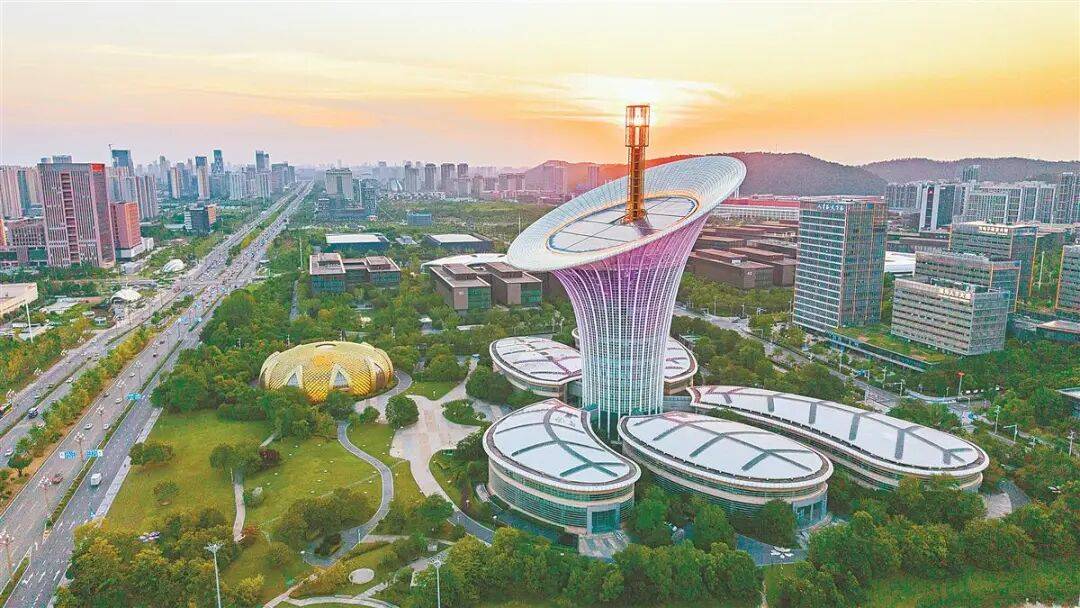
光电子信息

Search documents
代表委员建言长江中游城市群建设:构建统一的资本市场平台和标准
第一财经· 2026-03-10 11:42
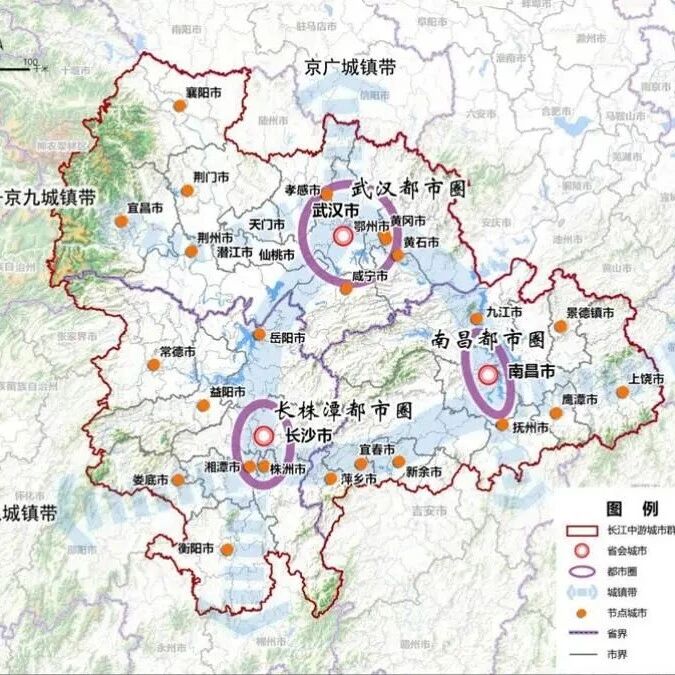
Core Viewpoint - The article discusses the collaborative efforts of Hubei, Hunan, and Jiangxi provinces to develop the Yangtze River Middle Reaches Urban Agglomeration as a significant growth engine for the Yangtze Economic Belt and the central region of China, emphasizing the need for improved coordination and innovation collaboration among the three provinces [2][3]. Group 1: Development Strategies - The Yangtze River Middle Reaches Urban Agglomeration, spanning Hubei, Hunan, and Jiangxi, had a total GDP of approximately 15.4 trillion yuan last year, accounting for about 11% of the national GDP [2]. - Hubei's representative, Ning Yong, highlighted the lack of overall coordination and collaboration in innovation and industry among the three provinces, suggesting the establishment of a dedicated agency to guide collaborative development [2]. - The article emphasizes the need for a comprehensive planning system to enhance collaborative development efforts among the three provinces [2]. Group 2: Innovation and Technology - The concept of building an innovation community was frequently mentioned, with suggestions to create major platforms for joint applications for national laboratories and to upgrade regional innovation platforms [3]. - The establishment of a high-level management structure to coordinate projects and infrastructure across the three provinces was proposed, along with the need for a special development plan led by the Ministry of Science and Technology [3]. - The article also discusses the importance of promoting talent exchange and establishing a fund to support major cross-province technology projects [4]. Group 3: Transportation and Logistics - The article points out the need for improved transportation and logistics collaboration, with suggestions to create a unified capital market platform to facilitate financing across the provinces [5]. - The construction of a high-speed rail network and the enhancement of the Yangtze River's navigation capabilities were highlighted as critical infrastructure projects to support regional connectivity [5]. - The proposal to develop a port similar to Shanghai's Yangshan Port in the central region was mentioned as a model for cross-administrative cooperation in logistics [6].

多位在鄂全国人大代表:在武汉创建世界级光电子信息产业群
第一财经· 2026-03-05 13:07
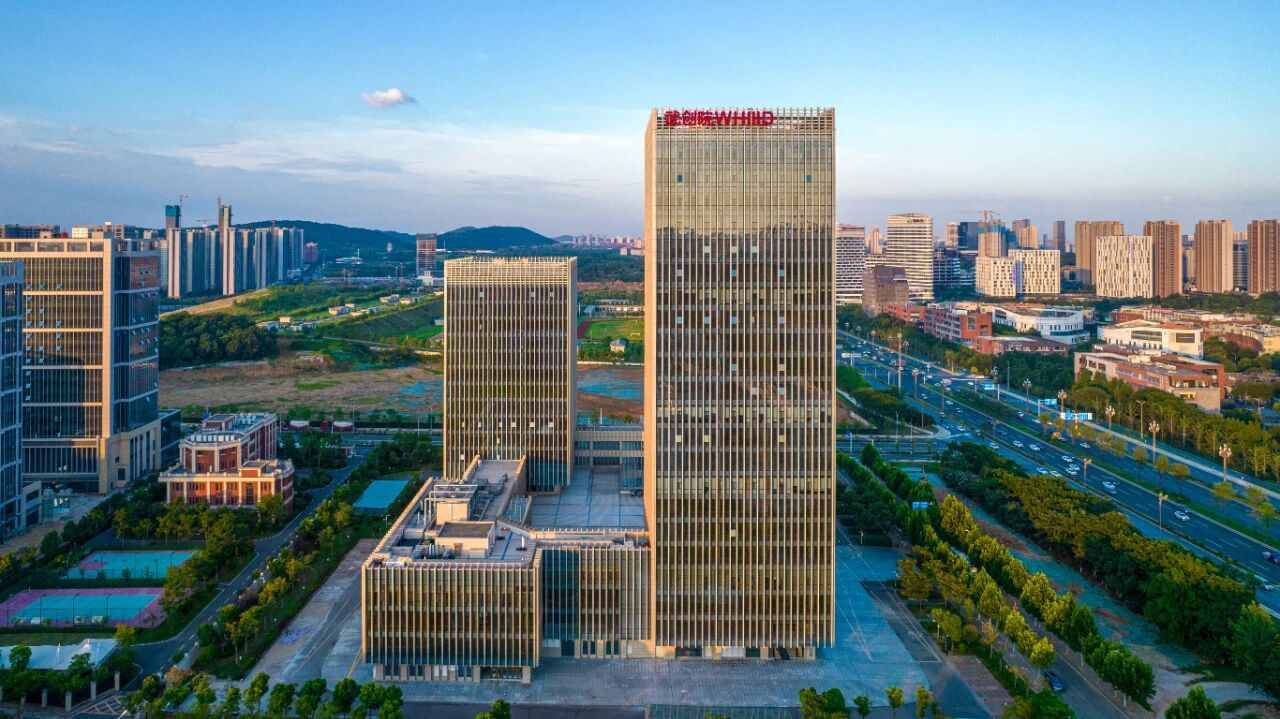
Core Viewpoint - Hubei is striving to establish a globally influential "World Optics Valley," with calls from national representatives to create a world-class optoelectronic information industry cluster in Wuhan [3][4]. Industry Overview - The global optoelectronic information industry is entering a critical phase of accelerated technological iteration and deep restructuring, driven by explosive growth in artificial intelligence computing power demand [3]. - By 2025, the scale of Hubei's optoelectronic information industry is projected to reach 1.13 trillion yuan, representing a year-on-year growth of 12.76% [3]. Current Achievements - Hubei has established the world's largest research and manufacturing base for optical fibers and cables, as well as the largest domestic base for small and medium-sized display panels, advanced storage, and optical device R&D and production [3]. Challenges - Hubei faces significant gaps in achieving the goal of a world-class optoelectronic information industry cluster, including insufficient breakthroughs in core technologies, lack of tight coordination along the industrial chain, low efficiency in the industrialization of innovative results, and a mismatch between talent supply and high-quality development needs [3][6]. Recommendations from Industry Leaders - National representatives suggest prioritizing Hubei's optoelectronic information industry cluster as a key focus for national-level advanced manufacturing cluster cultivation, with special policies and resource support [4][5]. - Recommendations include establishing more national key laboratories, large scientific facilities, and national manufacturing innovation centers in Hubei to overcome key core technologies [6]. - The establishment of a national optoelectronic industry innovation consortium led by Hubei is proposed to enhance the self-controllability and international competitiveness of the industrial chain [6].

满弓发力抓项目促生产优服务 奋力实现一季度“开门红”
Chang Jiang Ri Bao· 2026-02-27 09:17
Group 1 - The city government emphasizes the importance of supporting key enterprises and frontline employees to address challenges and promote economic stability [1][3] - The focus is on implementing the spirit of Xi Jinping's important speech and the Central Economic Work Conference, aiming for a strong start in the first quarter to ensure overall economic stability [1] - Specific attention is given to energy supply and safety management in enterprises like Sinopec and China Aerospace, highlighting the need for precise market demand management and safety measures [1] Group 2 - The government encourages Dongfeng Honda to accelerate the development of new energy and intelligent connected vehicles, enhancing brand cultivation and market promotion [2] - Longi Green Energy is urged to strengthen its role as an industry leader by enhancing technological research and development, thereby boosting its international competitiveness [2] - Black Sesame Intelligence is recognized as a leading AI chip company, with a call for continued focus on core technology development and industry chain support to expand its competitive edge [2] Group 3 - The government stresses the need for project investment and policy support to facilitate early project commencement and construction, aiming to generate tangible work output [3] - There is a commitment to optimizing the business environment through targeted visits to address urgent issues faced by enterprises, promoting their recovery and production resumption [3]
湖北“新春第一会”定调,锚定支点建设启新程
2 1 Shi Ji Jing Ji Bao Dao· 2026-02-26 06:54
Core Insights - The "New Spring First Meeting" serves as a significant platform for local economic development discussions, emphasizing "high-quality development" as a common theme across various provinces and cities in China [1][2] Group 1: Economic Development Strategies - Hubei's focus for the "New Spring First Meeting" is to establish itself as a crucial strategic pivot for the rise of the central region, aiming for a total economic output of 6 trillion yuan by 2025, with Wuhan's economy expected to exceed 2 trillion yuan [2] - The meeting highlighted Hubei's commitment to leveraging technological innovation and industrial upgrades as key drivers for economic growth, particularly in the context of artificial intelligence and low-altitude economy [4][5] Group 2: Technological Advancements - Hubei showcased significant advancements in humanoid robotics, with 31 units displayed, indicating a rapid industrialization process. Key innovations include increased joint flexibility and local supply chain integration [3] - The province aims to achieve an artificial intelligence output of 1,107 billion yuan by 2024, with a target of surpassing 1,500 billion yuan by 2025, supported by local research institutions [4] Group 3: Industrial Growth and Infrastructure - Hubei is focusing on building modern industrial clusters, with five major industries reaching trillion-level scales, and plans to establish new enterprises in various categories [7] - The province is also prioritizing the development of county-level consumption and enhancing trade, aiming to become the leading province in foreign trade in the central region [7] Group 4: Governance and Implementation - To ensure the successful execution of its strategic plans, Hubei has introduced initiatives to enhance the capabilities of its workforce, focusing on high-quality development and proactive engagement [8]
读懂经济大省新春第一会里的“政绩观”
Jing Ji Guan Cha Wang· 2026-02-26 00:59
Core Viewpoint - The New Year meetings of major economic provinces emphasize the establishment and practice of a correct performance outlook, focusing on manufacturing and private enterprises as key themes for economic growth in 2026 [1][2][4]. Group 1: Performance Outlook - Economic provinces are shifting from a singular focus on GDP growth to a balanced approach that includes growth quality, livelihood, innovation, and ecological sustainability [2][6]. - The Central Economic Work Conference in December 2025 highlighted the need for a pragmatic goal orientation to address existing challenges and enhance the quality of economic growth [1][2]. - The emphasis on a correct performance outlook aims to overcome current demand deficiencies and promote comprehensive economic recovery [1][2][4]. Group 2: GDP Growth Targets - Six major economic provinces have lowered their GDP growth targets for 2026 compared to 2025, indicating a more flexible approach to growth expectations [6]. - The adjustments in growth targets reflect a shift towards prioritizing structural adjustments, innovation, and debt resolution over mere numerical targets [6][7]. - The new performance evaluation mechanisms will focus on multiple dimensions, including green development and social welfare, rather than solely on GDP growth [7]. Group 3: Manufacturing Sector - The meetings highlighted the importance of maintaining a reasonable proportion of the manufacturing sector, with a focus on upgrading traditional industries and fostering new emerging industries [9][10]. - Hubei province aims to enhance its advanced manufacturing industry clusters and promote the integration of modern services with manufacturing [8][9]. - The manufacturing sector is seen as a critical component of China's growth model, with ongoing efforts to improve its competitiveness and contribution to the global supply chain [8][10]. Group 4: Private Enterprises - Private enterprises are increasingly recognized as vital to economic development, with several provinces emphasizing their role in driving growth and innovation [11]. - In Fujian, the government has engaged with private entrepreneurs to discuss their contributions and future prospects, highlighting the importance of a supportive policy environment [11]. - Hunan province has shifted its focus from attracting investment to promoting the growth of the private economy, indicating a long-term strategic commitment to this sector [11].
武汉新春第一会,一句话戳中在场所有人!
Chang Jiang Ri Bao· 2026-02-25 07:58
Group 1 - The core theme of the meeting is to promote high-quality development through technological innovation in Wuhan, emphasizing the importance of tackling difficult and meaningful tasks [1][3] - The Wuhan Industrial Innovation Development Research Institute has established 116 innovation units and collaborated with over 60 domestic and international universities and nearly 1,000 enterprises, attracting more than 80 leading scientific teams and over 1,000 innovative talents [3][5] - The goal for 2026 is to enhance the resource allocation of innovation elements, build industrial incubation platforms, and expand collaborative innovation networks, aiming to become a "domestically first-class, internationally renowned" new research and development institution [5][6] Group 2 - Wuhan is integrating urban renewal with technological and industrial innovation, representing a dual transformation in development methods [7][18] - The National Information Optoelectronics Innovation Center is focusing on breakthroughs in 6G, quantum, AI, and testing technologies, promoting self-controlled optical chip materials and key processes [11][18] - Companies like Huagong Technology are increasing production capacity for high-speed optical modules significantly, with domestic production expected to grow by 111% and overseas by 500% by 2025 [6][5] Group 3 - The AI sector in Wuhan is thriving, with local companies leveraging rich educational resources and industry diversity to create innovative applications in various fields [16][17] - The establishment of high-energy innovation platforms is crucial for gathering innovative resources and driving the formation of a trillion-level industrial cluster [17][18] - The continuous focus on technological innovation in meetings like the "New Spring First Meeting" has strengthened companies' confidence in deepening their commitment to innovation in Wuhan [11][18]

武汉发布“365”重大科技创新成果
Chang Jiang Ri Bao· 2026-02-25 00:32
Core Insights - The article highlights the release of 65 major technological innovation achievements in Wuhan, categorized into basic research, core technologies, and innovative products, covering key fields such as biomedicine, optoelectronic information, new energy, and intelligent connected vehicles [1][2] Group 1: Technological Achievements - 15 basic research achievements include original innovations, with technologies like the wireless monitoring ultrasound sensor for intracranial physiological signals from Huazhong University of Science and Technology and high-precision chromosome-level DNA replication tools from Wuhan University reaching international leadership [1] - 20 core technology achievements break foreign monopolies, such as the multi-wafer integration technology for large model inference chips from Hubei Jiangcheng Laboratory, which meets international standards [1] - 30 innovative product achievements include the world's first mobile phone satellite-connected phased array antenna and the first plant-derived recombinant human albumin injection, showcasing strong industrial capabilities [1] Group 2: Strategic Development - Wuhan is focusing on the "965" modern industrial system and deepening the integration of innovation chains and industrial chains, leveraging its educational advantages to accelerate development [2] - The release of these 65 major technological achievements injects strong momentum into Wuhan's goal of becoming a national technology innovation center and lays a solid foundation for development during the 14th Five-Year Plan period [2]
14省份“新春第一会” 传递出哪些信号?
Mei Ri Jing Ji Xin Wen· 2026-02-24 14:32
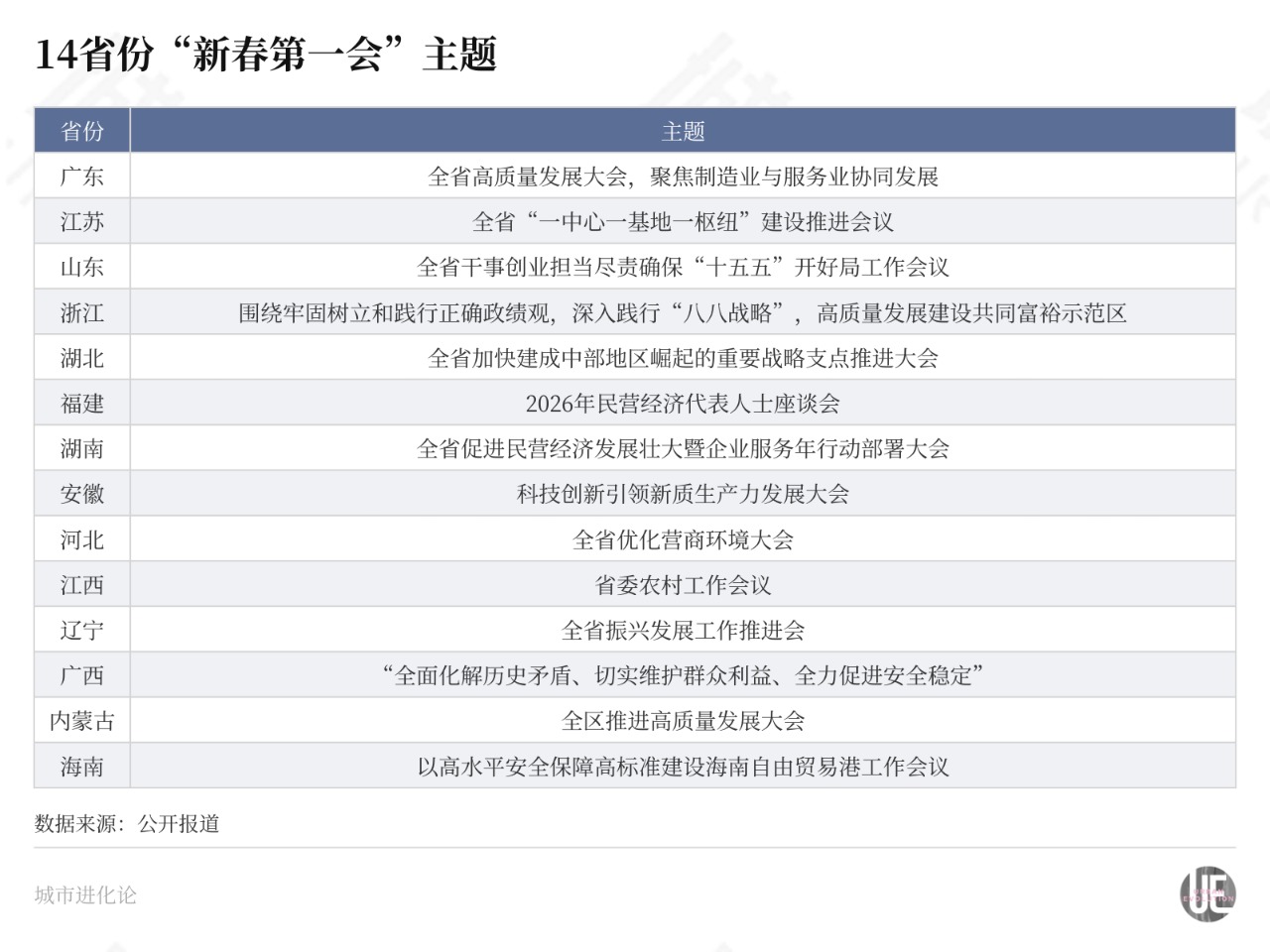
Core Insights - The "New Spring First Meeting" held across various provinces serves as a significant indicator for observing development trends and setting strategic directions for the year, particularly at the start of the "14th Five-Year Plan" [1] Group 1: Industry Upgrades - Guangdong's focus on the synergy between manufacturing and service industries highlights the importance of a modern industrial system as a foundation for China's modernization, with a GDP of 14.58 trillion yuan, maintaining the top economic position for 37 consecutive years [3][4] - The need for Guangdong to ascend the "smile curve" of industry, emphasizing advanced R&D and precise brand marketing, is crucial for overcoming current challenges in high-quality development [4][5] - Other provinces like Anhui and Hubei are also prioritizing technological innovation and new industries, with Anhui targeting quantum technology and biomanufacturing as future growth points [6][7] Group 2: Strategic Implementation - Hubei's strategic focus on becoming a key support point for central region development emphasizes specific goals such as increasing the number of large enterprises and enhancing infrastructure [7][8] - Liaoning's emphasis on project-driven growth aims to address investment declines and stimulate economic activity through effective project management and collaboration across industries [9] Group 3: Private Economy - The importance of a favorable business environment is underscored as a core competitive advantage for regional high-quality development, particularly in older industrial bases [10] - Provinces like Hebei and Hunan are actively working to improve their business environments, with Hebei aiming for a significant increase in private sector contributions to GDP by 2025 [12][13] - Fujian's initiatives to enhance the business environment have led to substantial growth in private enterprises, contributing significantly to innovation and economic activity [14]
湖北新春第一会,释放七大重磅信号
Chang Jiang Ri Bao· 2026-02-24 09:49
Group 1 - The core message of the conference is to accelerate the construction of Hubei as a strategic support point for the rise of the central region, focusing on innovation, industrial upgrades, and enhancing the quality of life for residents [1][30] - The conference emphasized the importance of innovation in building a modern industrial system, granting scientists greater authority over technology direction, funding allocation, and resource management [3][5] - Hubei aims to upgrade its advanced manufacturing sector and establish a clear path for high-quality industrial development, targeting the creation of new enterprises valued at hundreds of billions [7][9] Group 2 - The conference highlighted the need to strengthen domestic demand, particularly in county-level consumption, to enhance the local economy and improve consumer experiences [11][13] - A focus on regional collaboration was established, particularly in the "Golden Triangle" of Hubei, to enhance integration in industries, transportation, healthcare, and education [13][16] - Infrastructure improvements in the Jianghan Plain were outlined to address water and transportation shortages, which are critical for agricultural and industrial development [16][19] Group 3 - The conference outlined significant investments in transportation infrastructure, including high-speed rail, highways, and water transport, to enhance connectivity and support economic growth [18][22] - Reform initiatives were introduced to stimulate development and activate market vitality, emphasizing the role of innovation and reform in driving economic progress [24][26] - Hubei's foreign trade is set to expand, with a goal to reach a trillion yuan in exports, positioning the province as a leader in central China's open economy [26][28] Group 4 - The conference prioritized improving residents' livelihoods by focusing on income growth and employment opportunities, particularly for key demographics such as graduates and migrant workers [28][29] - The seven signals released during the conference encompass various sectors including technology, industry, and public welfare, serving as a roadmap for Hubei's strategic development [30]
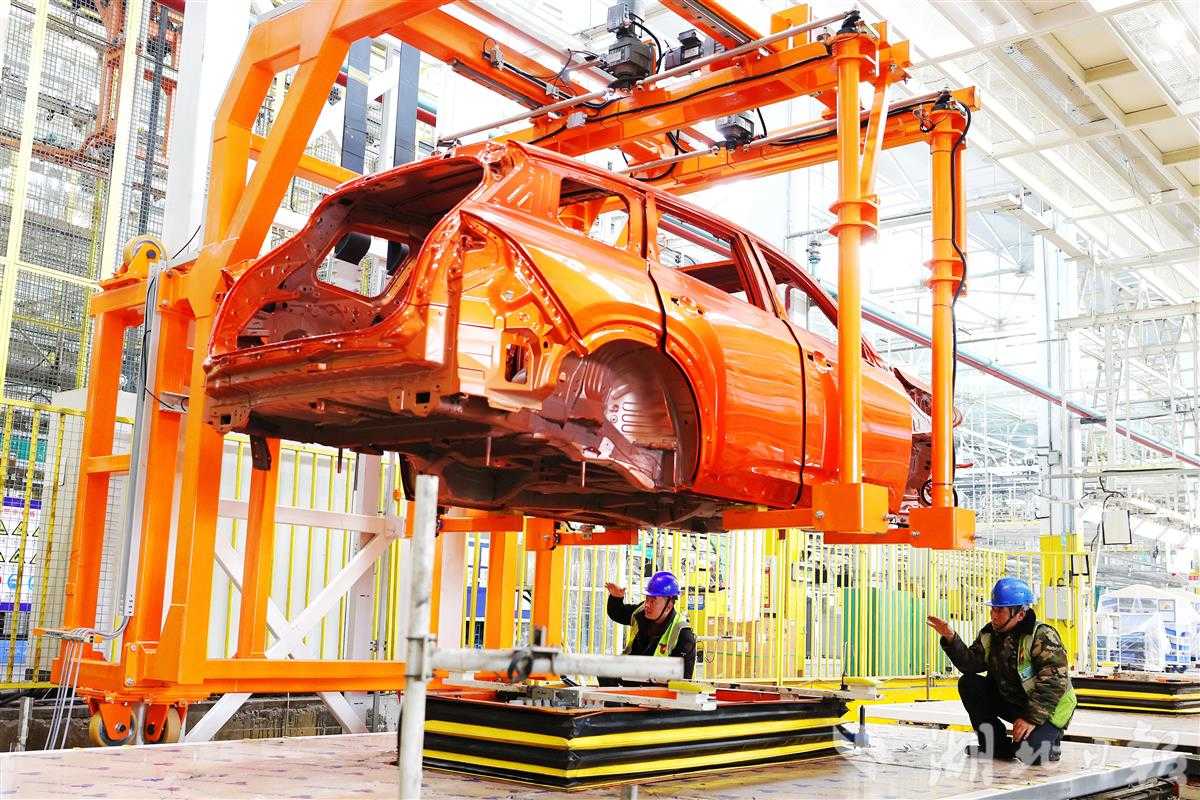
湖北今天这个大会,为何如此重要
Sou Hu Cai Jing· 2026-02-24 01:28
Core Viewpoint - Hubei is accelerating the construction of an important strategic support point for the rise of the central region, with a clear roadmap and policy measures aimed at achieving significant economic growth by 2030 and 2035 [3][24]. Economic Growth and Targets - By 2025, Hubei's economic output is projected to stabilize at 6 trillion yuan, with a year-on-year growth rate of 5.5%, ranking among the top in major economic provinces and the central region [5][6]. - The goal is to reach an economic total of approximately 9 trillion yuan by 2030 and to achieve basic socialist modernization by 2035 [3]. Strategic Initiatives - Hubei has outlined a three-step strategy: "one year to open a new situation, five years for major changes, and ten years to achieve fruitful results," focusing on seven strategic areas and enhancing seven capabilities [3][24]. - The province has introduced 64 policy measures across seven areas to strengthen strategic support, innovation, industrial competitiveness, and regional collaboration [3]. Industrial Development - Hubei's major industries, including optoelectronic information and automotive manufacturing, have all entered the "trillion-yuan club," with significant growth in sectors like energy conservation and high-end equipment [14]. - The number of enterprises in Hubei has reached 10.126 million, making it the sixth province in China to surpass ten million, with 15 companies listed among China's top 500 [14]. Innovation and Technology - Hubei has made significant strides in technological innovation, with 42 key technologies achieving breakthroughs and the establishment of a robust innovation ecosystem, including 1 national laboratory and 547 new R&D institutions [17]. - The province has seen a 20% growth in the artificial intelligence and humanoid robot industries, with the digital economy exceeding 3.2 trillion yuan [18]. Trade and Logistics - Hubei's foreign trade has surpassed 834 billion yuan, with an 18.2% year-on-year increase, ranking first in both economic provinces and the central region [24]. - The province's inland port cargo throughput has reached 800 million tons, surpassing coastal provinces and positioning Hubei among the top seven in the country [19][20]. Transportation Infrastructure - Hubei has enhanced its transportation capabilities, with high-speed rail mileage ranking fifth nationally and the establishment of stable cross-border routes through the China-Europe Railway Express [22]. - The province's logistics and high-end manufacturing industries are rapidly developing, supported by the advantages of the Huahu Airport [24].