
龙马精神

Search documents
北京是座爱马之城,一起开启穿越时空的“寻马”之旅
Xin Lang Cai Jing· 2026-02-02 23:10
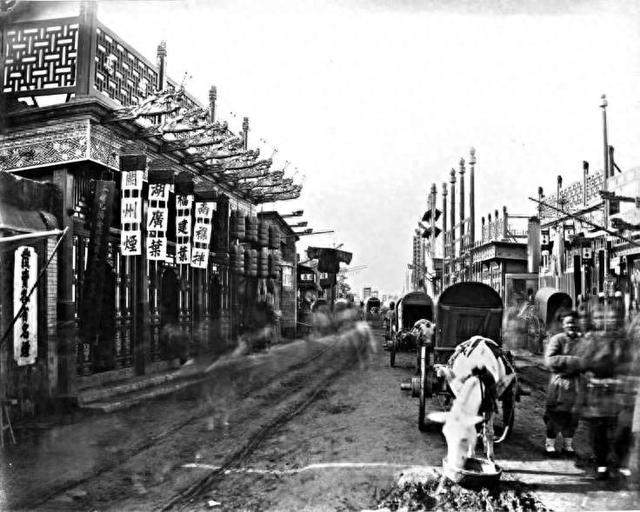
车来车往的骡马市大街。 除了大规模的骡马交易市场,北京城中还遍布着与马相关的"微地标"。西城区的兵马司胡同,明代曾是 负责西城治安的西城兵马司驻地,马是其重要的装备;西城区的马相胡同,相传有相马的官吏居住于 此;而马圈胡同、养马场等地名,则直接点明了其作为饲养、圈禁马匹场所的功能。 四合院前的"上马石"无声地证明着,马曾是老北京日常生活的一部分,甚至作为城市"引擎",驱动着北 京的军事、交通、经济与生活。转眼间,蹄声已远。2026年,农历丙午马年,让我们循着城市肌理中的 蛛丝马迹,开启一场穿越时空的"寻马"之旅。 地名里的蛛丝马迹 城北,德胜门外的马甸原名"马店",从元朝起,便是贩马的集散地,也是朝廷圈养贡马之所。相较于城 南骡马市的日常喧嚣,马甸的交易更具规模,与北方草原有着更直接的联系。 要寻找老北京的马,最直观的线索莫过于那些流传至今的地名。 第一站,是近期蹿红的商圈大吉巷。如今,这里潮牌首店林立,让人很难想到,那个土气的街名——骡 马市大街。顾名思义,这里曾是京城最主要的骡马交易市场。明清时期,来自各地的马贩子、车把式、 农户在此聚集,据《京师坊巷志稿》记载,这里不仅有一座供奉马神的庙宇,还设有管理机 ...

雪圈、冰雕、冰滑梯……海淀四环边就有一个冰雪乐园
Xin Lang Cai Jing· 2026-01-30 04:13
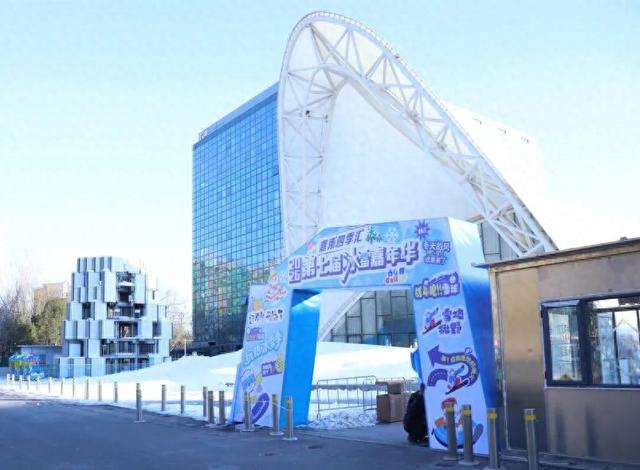
Core Viewpoint - The 2026 Seventh Ice and Snow Carnival at Jiahe Four Seasons is designed to provide a winter entertainment experience that combines culture, family interaction, and fun activities, featuring six hundred-meter snow tracks and various themed attractions [1][3][5]. Group 1: Event Features - The carnival includes six hundred-meter snow tracks, snow slides, snow tanks, and a new snow maze aimed at enhancing children's exploration and enjoyment [5][12]. - The event incorporates traditional cultural elements with ice sculptures themed around the Year of the Horse, including designs like "Horse Sealing the Title" and "Horse Brings Wealth," symbolizing good fortune [5][6]. - The central square features a Mongolian yurt grain storage design, representing traditional cultural significance and prosperity [6]. Group 2: Visitor Experience - Visitors have expressed satisfaction with the snow tracks, noting their safety and enjoyment for all ages, with one visitor highlighting the thrill and comfort of the experience [9][10]. - The ice slide has become a popular attraction, with long queues and positive feedback regarding its speed and safety, making it a favorite among families [9][10]. - The carnival's convenient location and thoughtful design have attracted many local families, enhancing the overall visitor experience [10][12]. Group 3: Safety and Service - The event prioritizes safety with soft snow quality to reduce risks and staff monitoring to ensure visitor security [12]. - The combination of classic attractions and innovative features, along with cultural integration and attentive service, positions the carnival as a new winter entertainment option for the community [12].
来内蒙古过一个奔腾而豪迈的春节!
Xin Lang Cai Jing· 2026-01-26 20:02
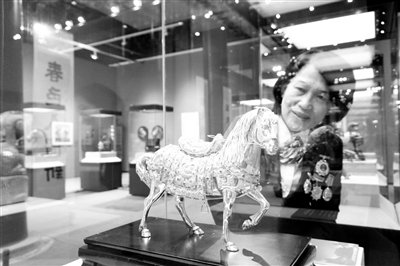
Core Viewpoint - The article highlights the cultural significance and tourism potential of Inner Mongolia during the Spring Festival, emphasizing the unique experiences and activities available for visitors [1][3][6]. Group 1: Cultural Significance - The Spring Festival is deeply rooted in Chinese culture, symbolizing reunion, family values, and aspirations for a better life [1]. - Inner Mongolia offers a unique cultural experience during the Spring Festival, showcasing its rich heritage through various activities and exhibitions [2][3]. Group 2: Tourism and Activities - The "2026 Come to Inner Mongolia for the New Year" initiative integrates high-quality cultural and tourism resources, featuring six major activities that connect the region's natural beauty, history, and culture [3]. - The "Spring Wind and Horse Hoof" exhibition at the Hohhot Museum has attracted numerous visitors, displaying 145 artifacts related to horse culture, highlighting its historical significance in military, transportation, and economy [2]. Group 3: Visitor Engagement and Promotions - Inner Mongolia is enhancing its appeal to tourists with various promotional offers, including a 299 yuan cultural tourism card for unlimited access to A-level scenic spots and free admission for visitors with names related to horses at select attractions [7]. - The region is implementing a "customer-friendly" approach, including improved transportation options and warm hospitality services to ensure a pleasant experience for visitors [7][8].
“龙骧骏驰——太庙马年主题创作展”开展
Xin Lang Cai Jing· 2026-01-26 16:55
Group 1 - The exhibition "Long Xiang Jun Chi - Tai Miao Horse Year Theme Creation Exhibition" opened at Tai Miao, aiming to interpret the "Dragon Horse Spirit" through diverse artistic forms, coinciding with the Lunar Year of the Horse [3] - The exhibition will last until the end of March and features a performance of court music "Tai Ping Ling" to mark the event's commencement, along with an original song "Long Xiang Jun Chi" performed by the staff of Beijing Labor People's Cultural Palace [3] - The exhibition showcases invited and collected works from artists across the country, including calligraphy, painting, sculpture, and crafts, while also incorporating a digital "holographic chamber" for a unique audiovisual experience [3] Group 2 - The exhibition is co-hosted by Beijing Labor People's Cultural Palace, Central Academy of Fine Arts, and China Academy of Art, with support from various organizations including Beijing Enterprise Central Axis Protection Public Welfare Foundation and Beijing Workers' Culture Association [4] - Cultural creative product exchange activities are organized during the exhibition to enhance its value and activate cultural heritage, providing a derivative product exchange area to enrich the public's viewing experience [3]
“跃马迎春”油画作品展 在沈开展
Xin Lang Cai Jing· 2026-01-19 22:18
Core Viewpoint - The article highlights the "Leap Horse Welcoming Spring - Huang Guangliang Oil Painting Exhibition" held at Shenyang Museum, showcasing over 40 artworks that express various emotions and artistic explorations related to horses [1] Group 1: Exhibition Details - The exhibition features three thematic units: "Transmitting Horse Body - A Tribute to Strength and Dynamism," "Poetic Horse Language - The Fusion of Nature and Emotion," and "Vibrant Horse Shadows - Exploration of Abstraction and Innovation" [1] - Each unit presents Huang Guangliang's different interpretations of horses, emphasizing their power and elegance while provoking thoughts on the relationship between humans and nature [1] Group 2: Artist Background - Huang Guangliang, a local artist from Shenyang, has dedicated over 40 years to oil painting, gaining recognition in the art community for his horse paintings [1] - The artist aims to showcase the spirit of the Chinese nation through his works, encouraging people to strive forward and embody the dragon-horse spirit [1]
马年贺岁纪念币钞尚无二次预约消息,“永恒号”“爱情号”等被热炒
Sou Hu Cai Jing· 2026-01-14 08:05
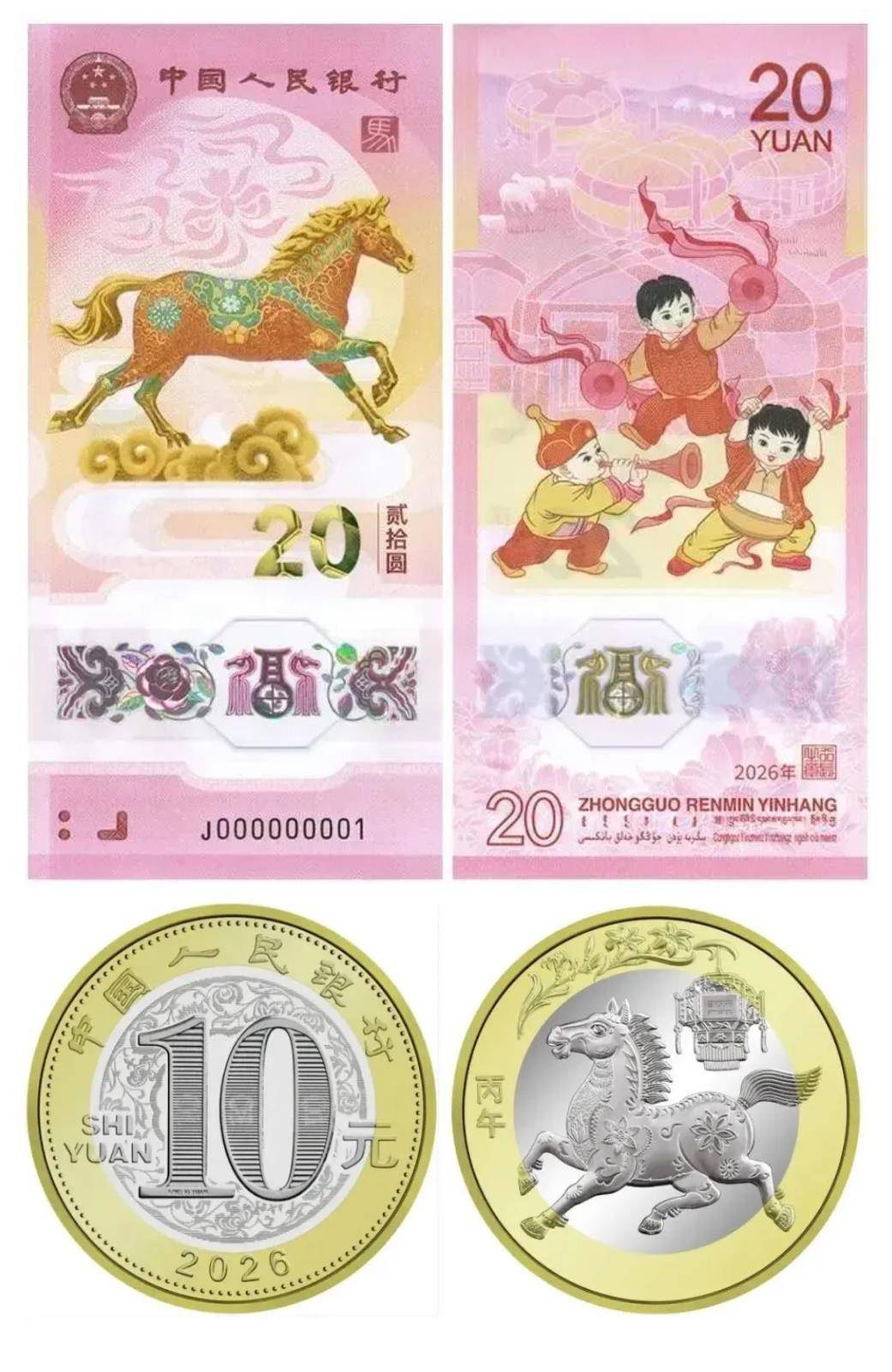
Core Viewpoint - The 2026 Year of the Horse commemorative coins and banknotes have seen overwhelming demand, leading to rapid sellouts during the reservation period, sparking discussions about potential second reservation opportunities [1][3]. Group 1: Reservation Process - The reservation for the commemorative coins and banknotes began on January 13, with many users reporting difficulties in securing their reservations due to system overloads [2][3]. - The People's Bank of China has set the offline exchange period for the Year of the Horse commemorative coins and banknotes from January 20 to January 26, requiring successful applicants to present their ID for exchange [3]. Group 2: Market Dynamics - The current market price for a complete set of commemorative coins is around 60 yuan, with the coins having a face value of 10 yuan each and the banknotes at 20 yuan each [4]. - The market is particularly interested in "lucky numbers" for banknotes, which can significantly affect their value, with some numbers being highly sought after and commanding much higher prices [5][6]. Group 3: Investment Risks - Experts caution that while the current interest in the Year of the Horse commemorative items is high, historical trends indicate that prices can fluctuate significantly, as seen with previous commemorative coins [7]. - The market for commemorative coins is currently facing competition from rising gold and silver prices, which may affect the demand for these items [7].
一杯古20敬龙马精神 古井贡酒马年生肖酒礼献新春
Mei Ri Jing Ji Xin Wen· 2025-12-16 08:01
Core Viewpoint - The company Gujing Gongjiu has launched its limited edition Year of the Horse liquor, integrating traditional cultural elements and craftsmanship into its product, marking the sixth consecutive year of such releases [1][3]. Group 1: Product Details - The 2026 Year of the Horse liquor is a limited release of 12,000 bottles, designed for both gifting and celebratory purposes during the New Year [1][8]. - The liquor features a unique design inspired by the cultural significance of the horse in Chinese tradition, symbolizing progress and honor [3][4]. - The bottle design incorporates elements of traditional Chinese aesthetics, with a color scheme inspired by the legendary "blood-sweating horse," aiming to convey aspirations of success and brilliance [4][5]. Group 2: Craftsmanship and Heritage - Gujing Gongjiu's production methods are rooted in over 1,800 years of history, recognized as a national intangible cultural heritage, emphasizing the importance of traditional techniques and quality ingredients [6]. - The liquor is crafted by master brewers with over 30 years of experience, adhering to principles of natural harmony and meticulous fermentation processes [6]. - The selection of ingredients involves careful sourcing from specific depths of fermentation pits, ensuring the highest quality of the final product [6]. Group 3: Cultural Significance - The Year of the Horse liquor embodies the spirit of "Longma," a cultural symbol representing resilience and progress, making it a meaningful gift for friends and partners [3][8]. - The product serves as a medium for cultural transmission, allowing consumers to connect with traditional values and celebrate significant moments [8].


汉代神兽︱“天马”为何在汉代封神
Xin Lang Cai Jing· 2025-12-03 00:39
Group 1 - The article discusses the historical significance of horses in human culture, emphasizing their loyalty, diligence, and spiritual qualities as companions throughout history [1] - The domestication of horses dates back approximately 5,500 years, with evidence found in Kazakhstan and China, indicating the spread of horse breeding techniques [1][2] - The early horses in China were smaller and shorter compared to later breeds, as evidenced by artifacts from the Zhou Dynasty [2][4] Group 2 - The introduction of the "Heavenly Horse" from the Western Regions during the Han Dynasty significantly improved the local horse breeds, enhancing the military capabilities of the Han army [4][5] - The "Heavenly Horse" was not only a military asset but also held spiritual significance, reflecting the cultural beliefs of the Han Dynasty [6][7] - Artistic representations of horses during the Han Dynasty showcased their importance in various aspects of life, including warfare, hunting, and daily activities [9][10][12] Group 3 - Horses served multiple functions in daily life, including transportation and as hunting mounts, reflecting their integral role in agricultural society [12][18] - The Han Dynasty's emphasis on horses was linked to political power and ceremonial significance, showcasing the grandeur of the empire [12][39] - The mythical representations of horses, such as the "Heavenly Horse," illustrate the blending of cultural beliefs and artistic expression in ancient China [22][36]

