
物联网

Search documents
黑龙江:培育拓展消费新场景,推动电子商务与各领域广泛深度融合
Zheng Quan Shi Bao Wang· 2025-12-12 07:02
Core Viewpoint - The Heilongjiang Provincial Government has issued policies to promote high-quality development of e-commerce, aiming to integrate e-commerce with various sectors, innovate with new technologies like artificial intelligence, and enhance digital consumption levels to drive economic growth in Heilongjiang [1] Group 1: Support for E-commerce Entities - The policies encourage the cultivation of quality e-commerce entities, supporting new leading projects with total investments of 5 million yuan or more, providing interest subsidies on bank loans for infrastructure and equipment purchases, with a maximum subsidy of 2 million yuan per entity [1] - E-commerce platforms are supported for self-built or upgraded platforms, with interest subsidies for projects over 3 million yuan, capped at 200,000 yuan per entity [2] Group 2: Expansion of E-commerce Scale - E-commerce enterprises are encouraged to extend into production, improve supply chain collaboration, and broaden online sales channels, with a reward of 2% of the annual increase in physical online retail sales exceeding 10 million yuan, capped at 3 million yuan [2] Group 3: Cross-border E-commerce Support - Cross-border e-commerce enterprises are encouraged to expand import and export channels, receiving a 50% one-time subsidy for website construction and cloud service rental costs, with a maximum of 500,000 yuan per entity [3] - Support is also provided for e-commerce bases to upgrade using innovative technologies, with interest subsidies for projects over 1 million yuan, capped at 1 million yuan per entity [3] Group 4: Demonstration and Specialization - The policies promote the creation of smart e-commerce industrial bases, offering a one-time reward of 1 million yuan for national demonstration bases and 500,000 yuan for provincial innovation benchmark bases [4] - Support is given to establish specialty selection centers to integrate local quality products, with a one-time funding subsidy of 50% of actual investment for centers driving over 50 million yuan in annual online sales, capped at 1 million yuan [4] Group 5: Smart Logistics and Infrastructure - The policies support the intelligent transformation of e-commerce warehousing and logistics, with interest subsidies for projects over 5 million yuan, capped at 3 million yuan for warehousing construction or upgrades [5] - Cross-border warehousing network upgrades are encouraged, with interest subsidies for projects involving smart warehousing facilities, capped at 5 million yuan per entity [5] Group 6: Broader E-commerce Development - Additional measures are outlined to enhance e-commerce's role in empowering the real economy, accelerate public brand creation, strengthen the professional talent pool, and improve service support systems [6]
“景秀扬州,四个率先”!扬州在全国地级市中率先走出场景创新驱动高质量发展特色路径
Yang Zi Wan Bao Wang· 2025-12-12 06:58
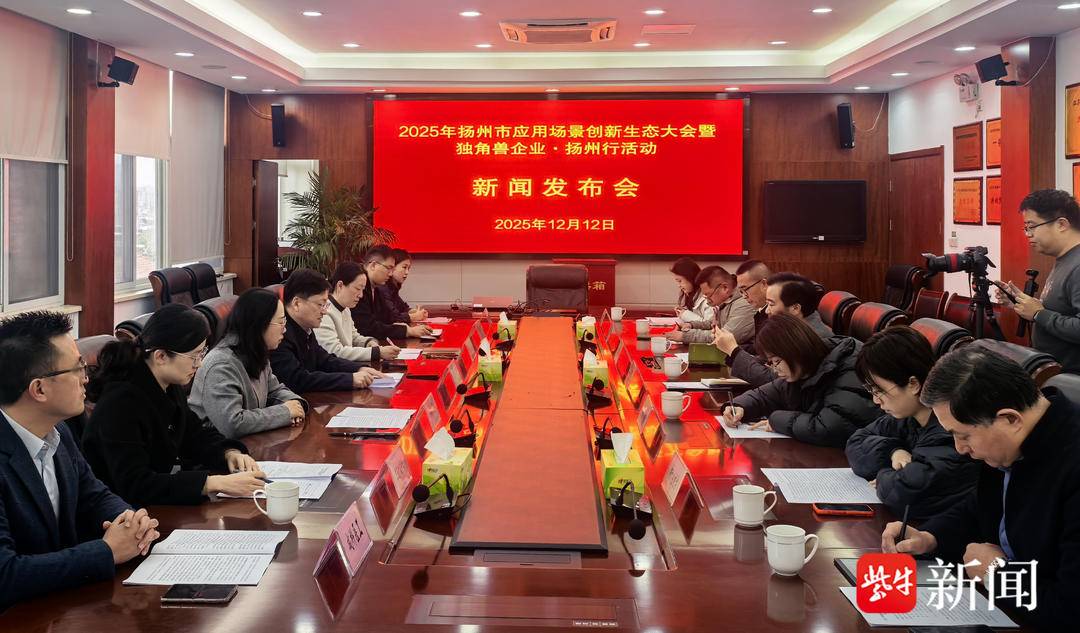
扬州场景创新"四个率先"一一看过来 12月12日,扬州市科技局召开应用场景创新生态大会暨独角兽企业.扬州行活动新闻发布会。扬子晚报/紫牛新闻记者从发布会上获悉,该市将于12月17日 举办2025年扬州市应用场景创新生态大会暨独角兽企业.扬州行活动。体现在"四个率先"上,扬州搭建"政策引导-清单发布-资金支持-协同推进"的场景培 育框架,精准踩准"创新转化"的关键点,通过体系化保障、精准化对接、品牌化推广,将场景资源转化为发展优势,在全国地级市中率先走出了一条场景 创新驱动高质量发展的特色路径。 新闻发布会场 今年应用场景创新生态大会"三大环节"看过来 记者从发布会上获悉,2025年扬州市应用场景创新生态大会暨独角兽企业扬州行活动,作为"景秀扬州"品牌年度重磅活动,由扬州市委、市政府主办,市 科技局、北京市长城企业战略研究所、生态科技新城管委会、市科技创新协会承办。活动总体分为三个环节:一是"品牌展示与成果发布"开幕式,现场还 将举行扬州市场景创新促进中心、生态科技新城场景创新服务中心启动仪式,公布应用场景建设项目立项名单、发布《2025年扬州市应用场景案例》,通 过数字虚拟人"扬小景"发布2025年第二批应用 ...

战寒潮、保民生、保畅通 各地迎“寒”而上全力应对降温降雪天气
Yang Shi Wang· 2025-12-12 04:01
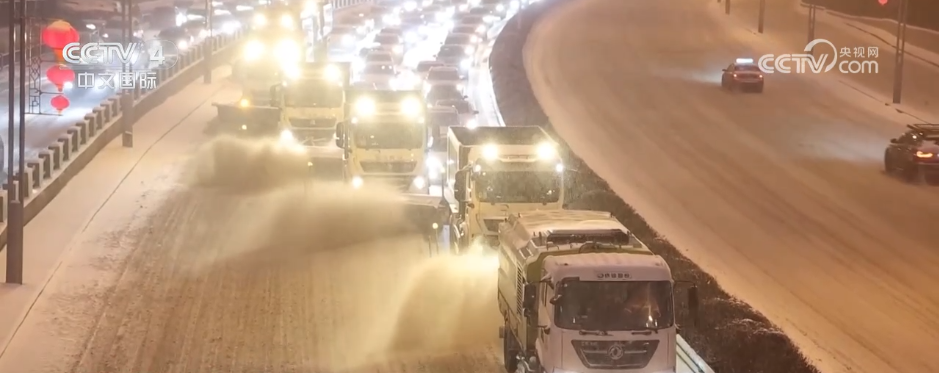
央视网消息:受新一轮寒潮影响,这两天,新疆、吉林、辽宁等地出现大范围降雪降温。中央气象台12月12日早6时继续发布寒潮蓝色预 警,12日至14日,中国中东部地区将自西向东出现大风降温,日平均或最低气温普遍下降6至10℃;山西、北京、河北、山东等地最高气温刷 新今年下半年来新低。 新疆多地迎今冬最大规模雨雪天气 从10日白天开始到11日,新疆乌鲁木齐出现降雪,累计降水量达到暴雪级别。乌鲁木齐各级城管部门陆续出动1.6万名环卫工人、1900多 台各类清雪设备,开展清雪作业。在新疆哈密市,强降雪导致白山泉边境检查站超930台各型车辆滞留,当地交通管理部门启动应急预案,清 除检查区停车场积雪,抛洒融雪剂和沙土,待降雪减弱,路面积雪清除完毕后有序放行滞留车辆。 从10日8时开始到11日,吉林通化白山迎来降雪降温天气,当地气象部门发布寒潮蓝色预警信号,预计12日早上将出现今年入冬以来的最 低气温,白山市区将达到零下27℃,山区最低气温将突破零下30℃。供暖部门及时调控热力参数,保证供暖系统稳定高效运行。 辽宁:多地降雪 预计13日气温降至零下15℃至零下19℃ 从10日夜间开始,辽宁沈阳、朝阳等地出现降雪天气,当地交管部 ...
大国五年|消费“主引擎”,持续释放增长新动能
Xin Hua Wang· 2025-12-12 01:25
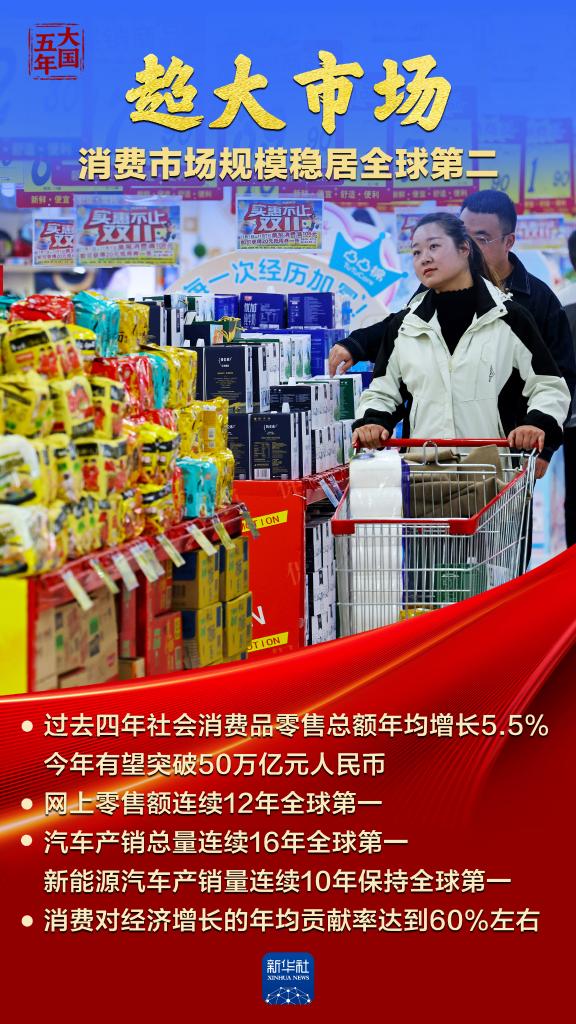
网上零售额连续12年全球第一,服务消费占比持续提升,新能源车渗透率突破五成……"十四五"期 间,我国消费市场稳步扩大,结构持续优化,潜能加速释放,发展"主引擎"作用更加凸显,人民美好生 活更加具象鲜活。 超大市场规模,是我国经济长期向好的支撑条件,也是民生幸福的底气优势。跟随这组海报,感受 我国消费市场释放的蓬勃活力、巨大潜力和强大吸引力。 消息市场规模制 部指出 877 ● 过去四年社会消费品零售总额年均增长5.5% 今年有望突破50万亿元人民币 ● 网上零售额连续12年全球第一 ● 汽车产销总量连续16年全球第 新能源汽车产销量连续10年保持全球第一 · 消费对经济增长的年均贡献率达到60%左右 TE 345 57 新华社 879 ● 2025年3月,中共中央办公厅、国务院办公厅 印发《提振消费专项行动方案》 ● 2025年9月,商务部等9部门印发《关于扩大服 务消费的若干政策措施》 ● 商务部连续两年举办"服务消费季"活动,推出 了280余项服务消费领域重点活动 ● 2024年居民人均服务性消费支出占人均消费支 出的比重达46.1%,服务消费对消费增长的贡 献率达63% are and ST NIZE ...
研判2025!中国接地电阻测试仪行业分类、市场规模及发展趋势分析:行业迈入成熟阶段,技术应用与市场规模双轮扩张[图]
Chan Ye Xin Xi Wang· 2025-12-12 01:21
Core Insights - The grounding resistance tester industry in China has entered a mature development stage, characterized by steady market expansion and deepening technology applications. The market size is projected to reach approximately 1.236 billion yuan in 2024, with a year-on-year growth of 13.92% [1][5]. Industry Overview - Grounding resistance testers are specialized instruments used to measure the grounding resistance of grounding devices, widely applied in sectors such as electricity, communication, railways, petrochemicals, and construction. Their core function is to assess the safety of electrical equipment grounding systems by measuring the resistance between the grounding body and the earth [2]. Market Size - The grounding resistance tester industry is experiencing steady growth, with the market size expected to reach about 1.236 billion yuan in 2024, reflecting a 13.92% increase year-on-year. Competition has shifted from price-based to a comprehensive contest of technical performance, brand service, and solutions, with leading companies consolidating their market positions through product upgrades and application expansion [5]. Key Companies - The industry exhibits a competitive landscape characterized by concentration among leading firms and differentiation among smaller players. Companies like Uride and Wuhan State Grid have achieved differentiation through technological breakthroughs, such as Uride's UT278 series, which supports dual-mode measurement and has a range of up to 30 kΩ with a resolution of 0.001Ω [5][8]. Industry Development Trends 1. **Integration of Intelligence and IoT**: The industry is accelerating its transformation into "smart safety stewards" with the maturity of AI algorithms, 5G communication, and cloud platform technologies. Smart testers can automatically collect data and upload it to cloud platforms for AI diagnosis of grounding faults [11]. 2. **High Precision and Multi-Function Integration**: Technological iterations have improved measurement precision to a resolution of 0.001Ω, meeting the "zero error" acceptance standards for smart grids. The functionality of devices is extending to include soil resistivity measurement and continuity testing, adapting to new energy power plants and data centers [11]. 3. **Policy and Green Standards Driving Sustainable Development**: The dual push from "dual carbon" goals and new power system construction policies is promoting industry expansion and standard upgrades. The National Energy Administration has reinforced mandatory standards for grounding safety, while local governments provide subsidies for high-precision equipment [12].


南京鑫嵘科技有限公司成立 注册资本200万人民币
Sou Hu Cai Jing· 2025-12-12 00:28
Core Viewpoint - Nanjing Xinrong Technology Co., Ltd. has been established with a registered capital of 2 million RMB, focusing on various technology and software development services, particularly in artificial intelligence and information security [1] Company Overview - The company is represented by Guo Yan as the legal representative [1] - The registered capital of the company is 2 million RMB [1] Business Scope - The business scope includes general projects such as technology promotion and application services, artificial intelligence basic software development, and network and information security software development [1] - Other areas of focus include IoT technology research and development, information consulting services, and various product sales including electronic products, household appliances, and metal products [1] - The company is also involved in the development and sales of artificial intelligence application software, hardware, and various office and computing equipment [1]
中经评论:新型城镇化发展空间仍很大
Jing Ji Ri Bao· 2025-12-12 00:17
城镇化率增速放缓,既是客观规律的体现,更是发展逻辑的深刻转变。与之相伴随的,是我国区域 协调发展正向纵深推进,乡村振兴与新型城镇化相辅相成,人口、经济与资源环境实现更优平衡。未来 一段时期,我国城镇化仍将稳步推进。与发达国家80%左右的水平相比,我国城镇化仍有明显提升空 间。国际经验表明,城镇化率突破65%之后的10多年,往往仍能保持较快发展。有关研究显示,"十五 五"期间,我国城镇化率将继续以年均0.7个百分点左右的速度提高。 我国新型城镇化发展空间依然广阔。这种"空间",不再是简单的人口空间转移和城市面积扩张,而 是体现在多个维度: 一是质量提升的空间。许多城市特别是中小城市的基础设施、公共服务、人居环境,还有不少短板 需要补齐。如何让老城区焕发新生机、让新城区更加宜居,如何建设让人民群众满意的好房子,如何让 城市更加安全有韧性,都是需要认真回答的问题。虽然户籍制度改革已取得重要进展,但怎样让进城务 工人员及其家属更好融入城市,稳步推进基本公共服务均等化,仍然需要持续努力。 二是结构优化的空间。城市群和都市圈内部协调发展、大中小城市合理布局仍有巨大潜力。新型城 镇化不是要削弱乡村,而是要通过城乡要素的双向 ...
【数说经济】新型城镇化发展空间仍很大
Jing Ji Ri Bao· 2025-12-12 00:17
住建部发布的数据显示,今年前10个月,全国新开工改造城镇老旧小区2.51万个,提前完成年度计 划目标。作为新型城镇化的一项重要任务,老旧小区改造在提升居民生活品质、释放内需潜力等方面具 有重要意义。当前,我国城镇化正从快速增长期转向稳定发展期,但增速放缓绝不意味着动力减弱,新 型城镇化依然蕴含着巨大发展空间。 过去几十年,我国经历了世界历史上规模最大、速度最快的城镇化进程,数亿人口进入城市工作和 生活,有力拉动了经济增长和社会进步。2022年我国常住人口城镇化率突破65%,提前实现"十四五"规 划目标;2024年城镇化率进一步提升至67%。如今,城镇化已从高速扩张的"上半场"转入提质增效 的"下半场"。一方面,经济增长从高速转向中高速,产业结构持续优化升级,为城镇化提供了新的产业 基础;另一方面,人民群众对美好生活的需求日益增长,对城市功能、公共服务、人居环境提出了更高 要求。与此同时,人口结构变化、技术进步加速、绿色发展理念深化等因素,都在重塑城镇化的发展路 径。 一是质量提升的空间。许多城市特别是中小城市的基础设施、公共服务、人居环境,还有不少短板 需要补齐。如何让老城区焕发新生机、让新城区更加宜居,如何 ...

新型城镇化发展空间仍很大
Jing Ji Ri Bao· 2025-12-11 21:37
城镇化率增速放缓,既是客观规律的体现,更是发展逻辑的深刻转变。与之相伴随的,是我国区域协调 发展正向纵深推进,乡村振兴与新型城镇化相辅相成,人口、经济与资源环境实现更优平衡。 城市要有高楼大厦,更要有温暖烟火;要追求经济效率,更要创造宜居环境。增加公园绿地、营造公共 空间、建设适老化与无障碍设施……城市的温度、发展的潜力,恰恰蕴藏在这些细节之中。 (文章来源:经济日报) 一是质量提升的空间。许多城市特别是中小城市的基础设施、公共服务、人居环境,还有不少短板需要 补齐。如何让老城区焕发新生机、让新城区更加宜居,如何建设让人民群众满意的好房子,如何让城市 更加安全有韧性,都是需要认真回答的问题。虽然户籍制度改革已取得重要进展,但怎样让进城务工人 员及其家属更好融入城市,稳步推进基本公共服务均等化,仍然需要持续努力。 二是结构优化的空间。城市群和都市圈内部协调发展、大中小城市合理布局仍有巨大潜力。新型城镇化 不是要削弱乡村,而是要通过城乡要素的双向流动,实现城乡共同繁荣。这需要加强城乡基础设施互联 互通,促进产业有效对接,加快推进县城这一重要载体的建设。 三是创新引领的空间。人工智能、大数据、物联网等技术的发展,为 ...
上海英和芯成科技有限公司成立 注册资本10万人民币
Sou Hu Cai Jing· 2025-12-11 20:46
Core Viewpoint - Shanghai Yinghe Xincheng Technology Co., Ltd. has been established with a registered capital of 100,000 RMB, focusing on integrated circuit design and software development [1] Company Summary - The legal representative of the company is Jiang Luzhu [1] - The company operates in various fields including integrated circuit sales, chip design and services, artificial intelligence software development, and IoT technology services [1] - The company is authorized to conduct business activities independently based on its business license, except for projects that require approval [1]