
财务造假

Search documents
股市出事了?上市公司造假被罚上亿,退市公司也未能幸免,太牛了
Sou Hu Cai Jing· 2025-09-18 15:18
Core Viewpoint - The China Securities Regulatory Commission (CSRC) has intensified its crackdown on financial fraud, issuing six penalties on September 12, 2023, targeting multiple listed companies for financial misconduct, signaling a potential shift in the regulatory environment of the A-share market [1][3][5]. Group 1: Regulatory Actions - On September 12, the CSRC issued six penalties, with companies like *ST Dongtong, Yili Clean Energy, and *ST Guangdao among those penalized for financial fraud [5][7]. - A total of 29 individuals were fined 165 million yuan, indicating a strong commitment to penalizing fraudsters [3][21]. - The penalties included significant fines, with *ST Dongtong and Yili Clean Energy receiving fines exceeding 100 million yuan each [7][17]. Group 2: Specific Cases - *ST Dongtong was found to have inflated revenue by over 2 billion yuan and profits by nearly 1 billion yuan from 2018 to 2021, resulting in a record fine of 229 million yuan [9][11]. - Yili Clean Energy was penalized for fraudulent financial reporting over eight years, inflating revenue by over 10 billion yuan and profits by over 3 billion yuan, receiving a fine of 210 million yuan [15][17]. - Other companies, such as Dongxu Group and *ST Gaohong, also faced substantial penalties for financial misconduct, with Dongxu Group's fines reaching 1.7 billion yuan [19][21]. Group 3: Enforcement of Accountability - The CSRC emphasized the principle of holding all responsible parties accountable, with over 70 individuals involved in the recent cases facing penalties [21][23]. - Notably, some individuals received fines exceeding those imposed on their companies, highlighting the focus on personal accountability [25][23]. - The CSRC has implemented lifetime bans for certain individuals involved in financial fraud, reinforcing the seriousness of the penalties [23][14]. Group 4: Market Impact and Future Outlook - The regulatory environment is evolving, with a record number of companies being forcibly delisted due to significant violations, indicating a stricter enforcement of rules [28][30]. - The CSRC's actions are aimed at protecting investor interests and maintaining market order, with a clear message that financial misconduct will not be tolerated [38][40]. - The long-term goal is to create a more transparent and fair capital market, benefiting all market participants [50][51].

8年造假涉案超130亿元!亿利洁能领3.75亿元罚单
2 1 Shi Ji Jing Ji Bao Dao· 2025-09-18 11:49
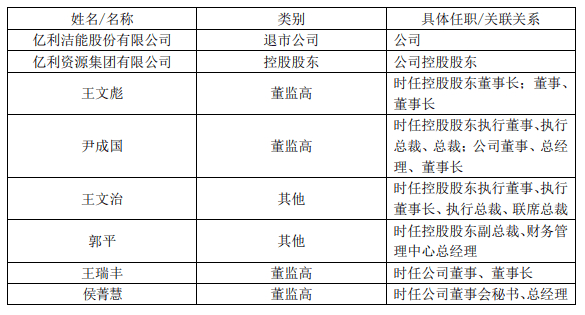
Core Points - Yili Clean Energy Co., Ltd. and its controlling shareholder Yili Resource Group, along with 29 related responsible persons, received a notice of administrative penalty from the Inner Mongolia Securities Regulatory Bureau for suspected violations of information disclosure and fraudulent bond issuance, facing a total penalty of 240 million yuan [1][2] - The company was found to have engaged in financial fraud from 2016 to 2022, including fictitious futures trading, inflated investment income, and fabricated trade activities, leading to significant misstatements in its financial reports [2][3] - The company provided over 9.4 billion yuan in illegal guarantees to its controlling shareholder and related parties from 2017 to 2022, failing to disclose these guarantees in its annual reports, resulting in major omissions [3] Financial Misconduct Details - From 2016 to 2022, Yili Clean Energy inflated or deflated profits, with the maximum annual profit reduction reaching 128 million yuan, which accounted for -12.77% of the reported profit for that year [2] - The company inflated its assets by up to 3.115 billion yuan in one instance, representing 8.49% of the total assets reported for that period [2] - The fictitious trade activities resulted in a total inflated revenue exceeding 13 billion yuan from 2017 to 2021, with two years showing over 3.5 billion yuan in inflated revenue, accounting for over 20% of the reported revenue for those years [2] Penalties and Consequences - The proposed penalties include 210 million yuan for Yili Clean Energy, 30 million yuan for Yili Group, and 30 million yuan for the former chairman Wang Wenbiao, who faces a lifetime market ban [3] - Other executives, including four individuals, face bans ranging from 5 to 10 years, with over 20 responsible persons facing fines between 500,000 to 5.4 million yuan [3][4] - Despite the penalties, the company claims that its production and operations remain normal and that there is no risk of being delisted due to this punishment, although it acknowledges potential impacts on cash flow [5][6]

一日双响!两公司同天宣告退市,均遭监管重罚
2 1 Shi Ji Jing Ji Bao Dao· 2025-09-18 10:05
Core Viewpoint - Two listed companies, *ST Suwu and *ST Zitian, are facing delisting procedures due to serious financial fraud, highlighting the increasing regulatory scrutiny in the capital market [1][2]. Group 1: Delisting Procedures - *ST Suwu's stock price closed at 0.95 yuan per share, below the 1 yuan face value, risking delisting due to price [1][2]. - *ST Zitian has entered a delisting preparation period, with its stock expected to be delisted by October 13, 2025 [2]. Group 2: Financial Fraud Details - *ST Suwu inflated its revenue by a total of 4.95 billion, 4.69 billion, 4.31 billion, and 3.77 billion yuan from 2020 to 2023 [3]. - The company also had non-operational fund occupation by related parties totaling 47.56 billion yuan from the end of 2020 to the end of 2023 [3]. - *ST Zitian inflated its revenue by a total of 24.99 billion yuan over two years, with 7.78 billion yuan in 2022 alone, accounting for 44.59% of its revenue [4]. Group 3: Investor Compensation - Legal channels for investor compensation have opened, with specific periods defined for *ST Suwu and *ST Zitian for eligible claims [5]. - The increasing awareness of investor rights and the rising costs of violations for listed companies are evident in these cases [5]. - Audit firms involved in these companies may also face legal consequences for their roles in the financial fraud [5].


监管部门对财务造假全面"亮剑"
Zheng Quan Ri Bao· 2025-09-18 09:35
Core Viewpoint - The Chinese regulatory authorities have adopted a "zero tolerance" approach towards financial fraud, significantly increasing penalties for companies involved in such activities, aiming to create a market environment where fraud is discouraged [1][2][4]. Group 1: Regulatory Actions - ST Emergency announced a fine of 5.9 million yuan due to financial fraud in its 2022 annual report, marking the eighth penalty issued by regulators for financial fraud in September alone [1]. - Over 30 companies have received penalties for financial fraud this year, including both listed and delisted companies, indicating a strict stance against the notion of "retirement from the market" as an escape from accountability [2][4]. - The regulatory authorities have issued substantial fines, with several companies facing penalties exceeding 100 million yuan, enhancing the deterrent effect on the market [4][5]. Group 2: Legal Framework and Enforcement - The new securities law has significantly increased penalties for financial fraud and fraudulent issuance, with fines ranging from 10% to 100% of the illegally raised funds [5]. - The enforcement focus has shifted to include third parties involved in financial fraud, such as suppliers and intermediaries, broadening the scope of accountability [6][7]. - There has been an increase in civil and criminal liabilities for those responsible for financial fraud, enhancing the overall deterrent effect of regulatory actions [7]. Group 3: Market Impact and Ecosystem - The regulatory crackdown aims to foster a market ecosystem where entities are deterred from committing fraud, thereby protecting investors and maintaining market integrity [3][6]. - The emphasis on holding key individuals, such as controlling shareholders and actual controllers, accountable reflects a commitment to ensuring that all parties involved in financial misconduct face consequences [7]. - The approach to penalizing intermediaries, such as accounting firms and law firms, for their roles in facilitating fraud is intended to restore trust in the market and reinforce the responsibilities of these entities [6][7].


经济日报:对财务造假就该立体追责
Sou Hu Cai Jing· 2025-09-18 01:40
Core Viewpoint - The regulatory actions against *ST Dongtong highlight a zero-tolerance approach towards financial fraud, emphasizing the need for systemic reform to eliminate the ecosystem that enables such practices [1][2][3] Regulatory Actions - The China Securities Regulatory Commission (CSRC) has proposed a fine of 229 million yuan against *ST Dongtong for four consecutive years of inflated revenue and profits, alongside fines totaling 44 million yuan for seven responsible individuals [1] - The actual controller of *ST Dongtong faces a 10-year market ban, and the Shenzhen Stock Exchange will initiate delisting procedures due to serious violations [1][3] Implications of Financial Fraud - Financial fraud can lead to short-term stock price increases and easy financing, but ultimately damages the company's credibility and results in significant penalties for those involved [2] - The consequences of financial misconduct are severe, with the potential for individuals to lose their positions and face criminal charges, reinforcing the importance of accountability among key stakeholders [2][3] Systemic Reform - The regulatory approach has shifted from isolated penalties to comprehensive accountability, targeting not only the companies but also the individuals behind the fraud [1][3] - To create an environment where fraud is deterred, a combination of strict post-incident penalties and proactive preventive measures, such as improved information disclosure and audit supervision, is essential [3]

对财务造假就该立体追责
Jing Ji Ri Bao· 2025-09-17 22:07
Core Viewpoint - The regulatory actions against *ST Dongtong highlight a zero-tolerance approach towards financial fraud, emphasizing the need for systemic reform to eliminate the ecosystem that enables such practices [2][3][4]. Group 1: Regulatory Actions - The China Securities Regulatory Commission (CSRC) has proposed a fine of 229 million yuan against *ST Dongtong for falsifying financial data over four consecutive years, along with fines totaling 44 million yuan for seven responsible individuals [2]. - The actual controller of *ST Dongtong faces a 10-year market ban, and the Shenzhen Stock Exchange will initiate delisting procedures due to serious violations [2][4]. Group 2: Implications of Financial Fraud - Financial fraud can lead to short-term stock price increases and easy financing, but ultimately damages the company's credibility and results in significant financial penalties for those involved [3]. - The regulatory focus on key individuals, such as controlling shareholders, aims to hold them accountable and prevent future violations, ensuring they cannot easily return to the market under a different guise [3][4]. Group 3: Systemic Reform and Prevention - A comprehensive approach is necessary to create an environment where financial fraud is deterred, which includes strict auditing, improved information disclosure, and effective whistleblower mechanisms [4]. - The CSRC's commitment to transferring criminal cases to law enforcement signals a rigorous pursuit of accountability for those who harm shareholder interests [4]. Group 4: Market Integrity - The integrity of the market relies on honest operations by listed companies, responsible behavior from key individuals, and diligent practices by intermediary institutions to restore investor confidence [5].
监管部门对财务造假全面“亮剑”
Zheng Quan Ri Bao· 2025-09-17 16:19
Core Viewpoint - Regulatory authorities in China are adopting a "zero tolerance" approach towards financial fraud, significantly increasing penalties for companies involved in such activities, aiming to create a market environment where fraud is discouraged [1][2][4]. Group 1: Regulatory Actions - ST Emergency (300527) faces a total fine of 5.9 million yuan due to financial fraud in its 2022 annual report, marking the eighth penalty issued by regulators for financial fraud in September alone [1]. - Over 30 companies have received penalties for financial fraud this year, including both listed and delisted companies, indicating a strict stance against the notion of "retirement from the market" as an escape from accountability [2][3]. - The China Securities Regulatory Commission (CSRC) emphasizes that delisting does not exempt companies from penalties, reinforcing the message that all parties involved in financial misconduct will be held accountable [2][3]. Group 2: Penalty Amounts and Trends - The amount of penalties for financial fraud has significantly increased this year, with several companies facing fines exceeding 100 million yuan, enhancing the deterrent effect on the market [4][5]. - Notable cases include Dongxu Optoelectronic Technology Co., which faced fines totaling 4.2 billion yuan, and its parent company Dongxu Group, which was fined 12.42 billion yuan for financial fraud and fraudulent issuance [4][5]. Group 3: Comprehensive Accountability - Regulatory authorities are expanding the scope of accountability to include third parties involved in financial fraud, such as suppliers and intermediaries, to dismantle the "ecosystem" of fraud [6][7]. - The CSRC has initiated investigations into companies that collaborated in financial fraud, aiming to break the profit chain associated with such activities [6][7]. - There is a growing trend of civil and criminal accountability for individuals responsible for financial fraud, enhancing the overall deterrent effect of regulatory actions [7].
鼎信通讯股民索赔获得终审胜诉,思创医惠索赔案持续推进
Xin Lang Cai Jing· 2025-09-17 09:13
Core Viewpoint - The article discusses significant legal developments regarding investor compensation lawsuits against Dingxin Communications (603421) and Sichuang Medical (300078) due to false statements and financial misconduct [1][2]. Group 1: Dingxin Communications (603421) - Dingxin Communications has been ordered by the Shandong High Court to pay a total of 32,800.75 yuan in a lawsuit related to false statements, following a previous ruling by the Qingdao Intermediate People's Court [1]. - The company failed to timely disclose significant changes in external conditions affecting its operations, specifically regarding the State Grid's procurement freeze, which had a major impact on its revenue [1]. - The company also did not disclose the disposal of shares by its controlling shareholder and actual controller, which is another basis for potential investor claims [2]. Group 2: Sichuang Medical (300078) - The investor compensation case against Sichuang Medical is ongoing, with a lawsuit filed in Wenzhou Intermediate Court, following previous successful claims by investors [2]. - The company has been found to have fabricated significant false information in its public offering documents and had false records in its annual reports for 2019 and 2020 [3][4]. - Investors who purchased Sichuang Medical shares between April 30, 2020, and October 29, 2022, may still initiate claims, as the case is approaching the statute of limitations [5].


全面“亮剑”!证监会月内已开8张财务造假罚单
Zheng Quan Ri Bao Zhi Sheng· 2025-09-17 04:35
Core Viewpoint - The Chinese regulatory authorities have adopted a "zero tolerance" approach towards financial fraud, significantly increasing penalties and enforcing accountability across the entire chain of responsibility, aiming to create a market environment where fraud is neither tolerated nor profitable [1][4][6]. Regulatory Actions - In September, ST Emergency was fined a total of 5.9 million yuan for financial fraud in its 2022 annual report, marking the eighth penalty issued for financial misconduct this month [1]. - Two companies that have been delisted, Yili Clean Energy and Shanghai Longyu Data, received fines of 38.1 million yuan and were penalized for financial fraud and fraudulent issuance of shares [2]. - Over 30 companies have been penalized for financial fraud this year, indicating a comprehensive regulatory crackdown that extends to both listed and delisted companies [2]. Penalty Amounts - The penalties for financial fraud have significantly increased, with several companies facing fines exceeding 1 billion yuan. For instance, Dongxu Optoelectronics was fined 4.2 billion yuan, and its controlling shareholder was fined 12.42 billion yuan for fraudulent activities [4][5]. - In August, Datang Gaohong was proposed to be fined 162 million yuan for continuous financial fraud over nine years [4]. Comprehensive Accountability - Regulatory authorities are expanding the scope of penalties to include third parties involved in financial fraud, such as suppliers and intermediaries, to dismantle the "ecosystem" of fraud [6][7]. - The accountability of intermediary institutions, including accounting firms and law firms, is being emphasized, with several cases of penalties for false documentation reported [6][7]. Legal Proceedings - Ongoing legal cases involve companies like Meishang Ecological Landscape and Jintongling Technology, with recent court rulings favoring investors in cases of securities fraud [8]. - There has been an increase in civil and criminal accountability for both the main perpetrators and accomplices of financial fraud, enhancing the overall deterrent effect of regulatory actions [7][8].
东方通严重财务造假被严肃查处 涉嫌触及重大违法强制退市情形
Jin Rong Shi Bao· 2025-09-17 02:05
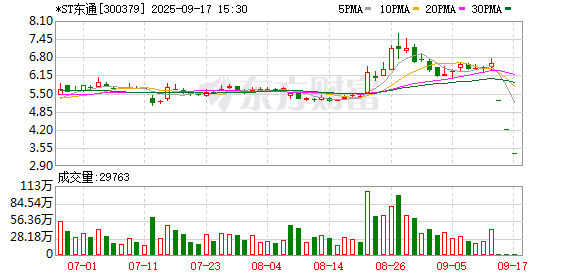
又一家上市公司因严重财务造假被中国证监会查处,将被退市。 近日,中国证监会对深交所创业板上市公司北京东方通科技股份有限公司(以下简称"*ST东通 (300379)")涉嫌定期报告等财务数据存在虚假记载作出行政处罚事先告知。经查,*ST东通连续4年 虚增收入和利润,违反证券法律法规。 在市场人士看来,今年以来,重大违法强制退市数量创新高,形成了强大的执法震慑,促使上市公司 及"关键少数"更加敬畏法律、敬畏市场,依法依规经营。 连续4年虚增收入和利润 9月12日晚,*ST东通发布公告称,收到中国证监会《行政处罚事先告知书》(以下简称《告知 书》)。根据《告知书》,*ST东通2019年、2020年、2021年、2022年年度报告信息披露存在虚假记 载、公告的证券发行文件编造重大虚假内容。 《告知书》显示,2018年12月,*ST东通收购北京泰策科技有限公司(以下简称"泰策科技")100%股 权,泰策科技成为东方通全资子公司。2019年至2022年期间,*ST东通通过泰策科技虚构业务、提前确 认收入等方式虚增收入、利润,导致*ST东通披露的2019年至2022年年度报告存在虚假记载,4年间合 计虚增收入4.32亿元, ...