文化遗产保护

Search documents
AI牵线搭桥解锁大众与古老文明“对话”新方式 中华文化创新发展活力无限
Yang Shi Wang· 2025-12-21 02:36
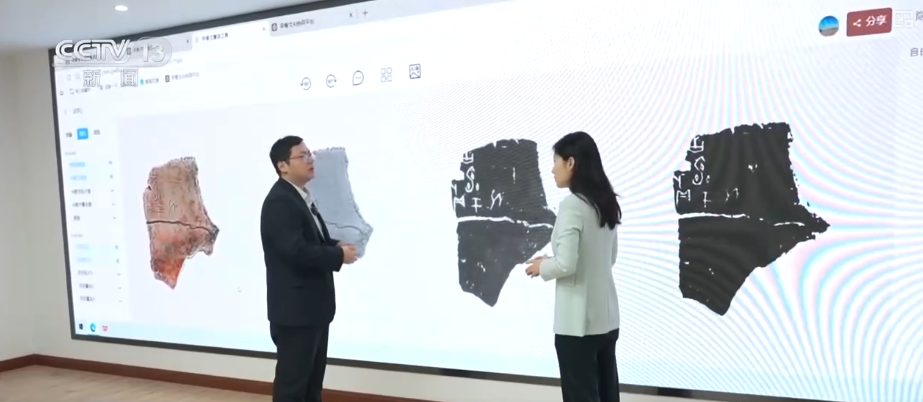
Group 1 - The core idea of the article emphasizes the integration of culture and technology, particularly through the use of artificial intelligence (AI) to enhance the study and accessibility of oracle bone script, a significant aspect of Chinese cultural heritage [1][14][19] - The launch of the world's first oracle bone AI, "Yin Qi Xing Zhi," in Anyang, provides researchers with efficient tools for intelligent recognition, comparison, and retrieval of oracle bone characters, making ancient knowledge more accessible to the public [1][14] - The AI system is connected to the largest multimodal oracle bone dataset, which includes 1.43 million oracle bone character data, 15,000 pieces of multimodal data, and 3,000 research papers, facilitating significant advancements in oracle bone research [7][9] Group 2 - The AI technology significantly improves the speed of character recognition and comparison, achieving a speed of 1:10,000 in just a few hours, compared to days required by human experts [5] - The challenges of oracle bone research, such as recognition, comparison, and sharing, are being addressed through advanced algorithms integrated into the AI system, allowing users to upload images for quick recognition and literature tracing [9][11] - The digitalization of oracle bones is part of a broader initiative that has successfully digitized 1,525 pieces of oracle bones, including 950 from overseas, enhancing the preservation and public engagement with ancient Chinese culture [18] Group 3 - The article highlights the potential of AI in protecting intangible cultural heritage, suggesting that AI's multimodal capabilities can aid in the preservation and innovation of rare cultural forms [19][20] - The "14th Five-Year Plan" emphasizes the role of technology in cultural heritage work, advocating for the integration of AI and other advanced technologies in cultural preservation and dissemination [20][21] - Open-source culture in AI development is seen as beneficial for the global dissemination of Chinese culture, allowing researchers and students to utilize cutting-edge technology at low costs [21]

河南:龙门石窟保护管理规划公布实施 守护“卢舍那”微笑再续千年
He Nan Ri Bao· 2025-12-19 12:31
伊水之畔,千年卢舍那大佛的永恒笑颜,未来将得到更好守护。日前,河南省人民政府公布实施《龙门 石窟保护管理规划》(以下简称《规划》),以规范性文件为龙门石窟保护利用筑牢坚实法治支撑。 2025年5月19日,习近平总书记考察调研龙门石窟时强调,要把这些中华文化瑰宝保护好、传承好、传 播好。此次《规划》由中国文化遗产研究院编制,报经国家文物局批复,由河南省人民政府公布实施。 《规划》由文本、说明与配套图纸组成,界定了龙门石窟的保护范围、控制建设地带等事项,详细描绘 了遗产系统性保护、深化价值研究阐释、提升传播价值效能等近期、中期、远期工作路线图。 今年是龙门石窟成功申报世界文化遗产25周年。"在这一时间节点再度更新《规划》,是我们深入贯彻 落实习近平总书记重要讲话精神的生动实践,让未来龙门石窟的保护、传承、传播有了遵循。"龙门石 窟研究院党委书记余杰说。 作为规范性文件,《规划》具有法规效力,划定了保护与利用的红线和底线,是对《中华人民共和国文 物保护法》的具象落地。余杰表示,《规划》为龙门石窟保护事业发展绘就了蓝图,对龙门石窟的保 护、研究、传承、传播具有重要指导意义,在探索我国特色石窟寺保护利用之路过程中将起到 ...
重磅纪录片|此心系文脉
Xin Hua She· 2025-12-17 11:16
0:00 "自古以来,中华文明在继承创新中不断发展,在应时处变中不断升华,积淀着中华民族最深沉的精神追 求。"悉心呵护,敬畏历史,跨越40余年的牵挂,映照出习近平始终如一的文化情怀。 河北正定,隆兴寺内的"龙藏寺碑"刻立于隋开皇六年,有1400多年的历史。上个世纪,因地处低洼,风吹日 晒、雨淋水泡,石碑严重风化。对此,习近平要求加以妥善保护。最终,这块价值连城的隋碑垫高了地基, 装上了保护罩,得到了根本性的保护。 二十多年后,2021年3月,习近平总书记到福建考察的首日,就来到了武夷山的朱熹园。"如果没有五千年文 明,哪里有什么中国特色?如果不是中国特色,哪有我们现在这么成功的中国特色社会主义道路?"故地重 游,鉴古知今,习近平一路感慨于所见所闻。 问渠那得清如许?为有源头活水来。灿若星河的文化遗产,恰如"有源之水",滋养中华民族绵延不绝。泱泱 中华,历史何其悠久,文明何其博大,这是我们的自信之基、力量之源。 2011 2011 2011 THE PERFECT PARTY IID 1180011 THE BE 国 UNITI all T SUHIND 新 部 制 ttp:/ 社 · 音 视 频 · 假 统筹 ...

辽宁省第四次全国文物普查领导小组第三次会议召开
Liao Ning Ri Bao· 2025-12-13 01:34
Core Viewpoint - The meeting emphasized the importance of cultural heritage protection and the need to implement the "Four National Cultural Relics Surveys" effectively, aligning actions with the central government's directives [1] Group 1: Meeting Objectives - The meeting aimed to enhance responsibility and mission awareness among local governments regarding cultural heritage protection [1] - It called for high-quality completion of the "Four National Cultural Relics Surveys" to ensure historical artifacts are better preserved and utilized [1] Group 2: Key Tasks - Focus on solid progress in the third phase of the survey, ensuring all cultural relics are accounted for and new discoveries are prioritized [1] - Emphasize quality control in data verification and compilation of survey reports [1] - Promote the application of survey results to enhance systematic protection of cultural heritage [1] Group 3: Organizational Leadership - Local party committees and government leaders are urged to treat the cultural relics survey as a significant political task [1] - Increased funding for cultural heritage protection and encouragement of social participation in preservation efforts are necessary [1] - The goal is to create a collaborative effort in cultural heritage protection to elevate the province's cultural heritage protection initiatives [1]
全国首部县域城墙保护地方性法规将于明年1月1日实施
Zhong Guo Xin Wen Wang· 2025-12-12 10:57
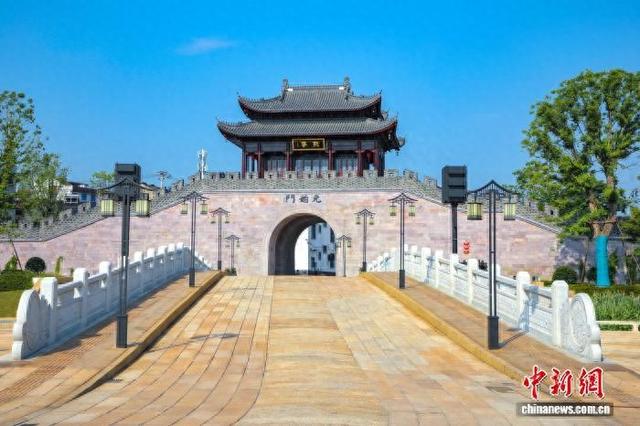
中新网杭州12月12日电(鲍梦妮)12月12日,杭州市富阳区举行《杭州市富阳新登古城墙保护条例》(下称 《条例》)颁布实施新闻发布会。据悉,作为全国首部专门针对县域城墙保护的地方性法规,《条例》 将于2026年1月1日起正式施行。 新登古城墙始建于唐大顺二年(891年),明嘉靖三十五年(1556年)为抵御倭寇重建,整体保留明代风格。 其"围山筑城、单面城墙、条石砌筑"的形制独具特色。城墙原周长约2100米,现存2054米,其中超过 1700米墙体保存完好,高度在5至7米之间,古老性与完整度在国内少见。2024年底,国家文物局正式批 复同意将其纳入中国世界文化遗产预备名单,成为"中国明清城墙"联合申遗项目中的县城级代表,完善 了该系列"都城—府州城—县城"的等级序列。 《条例》立法过程严谨,经富阳区政府起草、杭州市政府常务会议审议、杭州市人大常委会两次审议, 并广泛吸纳社会意见。全文共二十九条,内容涵盖立法背景、管理体制、运行机制、保护规划、合理利 用及责任要求等,构建了全链条保护体系。其中明确,由富阳区政府确定的保护管理机构对古城墙实施 统一管理,履行规划、监测、修缮等职责;设立专项财政预算,建立专家咨询与激 ...
《云居寺藏经》项目保护利用优质资源对接闭门会召开
Bei Jing Qing Nian Bao· 2025-12-12 02:22
Core Viewpoint - The meeting held on December 5, 2025, marks a new phase in the protection and international dissemination of the "Yunju Temple Sutra" project, which has been recognized as a world-class cultural heritage and a significant asset for humanity [1][2]. Group 1: Project Overview - The "Yunju Temple Sutra" project includes stone, paper, and wooden sutras, representing a vital part of Chinese traditional culture and is referred to as "the Dunhuang of Beijing" [2]. - The project was officially included in the sixth batch of the "World Memory China List" on June 9, 2025, and has garnered significant attention and support from various sectors, achieving over 150 million online clicks within three months [1][2]. Group 2: Meeting Highlights - The meeting brought together representatives from various government departments, academic institutions, cultural organizations, and leading technology companies, fostering collaboration and resource sharing [3]. - A list of items requiring social support for the project's protection and utilization was discussed, and a series of agreements on resource support and cooperation were reached [2][3]. Group 3: Future Plans - The Beijing Municipal Committee's recent proposal emphasizes the importance of historical and cultural preservation, including the "Yunju Temple Sutra" project as a key initiative for world heritage application [2]. - The meeting aims to create an efficient collaborative ecosystem for the protection, research, utilization, and international dissemination of this cultural treasure [2].
重新发现民间文学
Ren Min Ri Bao· 2025-12-11 22:05
Core Viewpoint - The article emphasizes the significance of folk literature as a vital cultural heritage that reflects the collective imagination and values of a nation, highlighting its evolution from oral traditions to documented forms and the ongoing efforts to preserve and innovate within this literary domain [1][2][4]. Group 1: Definition and Importance of Folk Literature - Folk literature is characterized as a collective oral creation that serves as the root of written literature, embodying the cultural identity and moral values of a nation [1]. - It has been a source of immense literary creativity, with historical texts like "Shijing" preserving rich examples of early folk literature [1]. - The article describes folk literature as an essential part of daily life, often expressed in conversations and cultural practices, making it an integral aspect of national identity [2]. Group 2: Preservation Efforts - Significant efforts have been made in China to protect and document folk literature, transitioning from rescue-based approaches to scientific preservation, supported by government initiatives and cultural awareness [2][3]. - Major projects, such as the "Chinese Folk Literature Series Publishing Project," have resulted in a comprehensive collection of folk literature, filling gaps in literary and cultural history [2]. Group 3: Innovation and Modern Relevance - The article discusses the need for innovation in folk literature, suggesting that modern technology and media can revitalize traditional stories, as seen in contemporary games and films inspired by folk narratives [3]. - There is a growing interest among younger generations in traditional culture, indicating a potential for revitalizing folk literature through new platforms and experiences [3]. Group 4: Cultural Responsibility - The article stresses the importance of recognizing and respecting cultural heritage, advocating for a balance between innovation and the preservation of original characteristics [4]. - It calls for a collective responsibility to pass down cultural treasures to future generations, emphasizing the significance of the "Chinese Folk Literature Series Publishing Project" as a monumental cultural achievement [4].
“十四五”时期,中国世界遗产总数增至60项
Ren Min Ri Bao Hai Wai Ban· 2025-12-11 04:21
从"泉州:宋元中国的世界海洋商贸中心"到"普洱景迈山古茶林文化景观",从"北京中轴线——中国理 想都城秩序的杰作"到"西夏陵",亮眼成绩单背后,是文化瑰宝"家底"更厚、保护更实、活力更足的生 动实践。 织就更密安全网。新修订的文物保护法公布实施,文物保护管理纳入国土空间规划编制和实施,文物保 护由抢救性保护进一步向抢救性与预防性保护并重转变……系统性保护让文化遗产连成了线、汇成了 面,以多方之力,守护文明印记历久弥新、安然长存。 注入科技添活力。卫星遥感"天眼"巡护、无人机空中勘测、人工智能数据分析,实时监测遗产"健康状 况";用"全景故宫"赏红墙黄瓦随四季流转,看龙门石窟文物借三维技术实现"数字化回归",文化遗产 在数字世界永葆芳华。五年来,技术融合与创新构建起多维度"防护屏障"。 "十五五"规划建议提出,推动文化遗产系统性保护和统一监管督察。"十四五"时期,4项文化遗产成功 列入《世界遗产名录》,我国世界遗产总数达到60项,位居世界前列,彰显五千年文明古国倾力保护文 化遗产新图景。 秉持敬畏历史、热爱文化之心,共赴守护遗产、赋彩生活之约。 展望"十五五",我国将以强化文化遗产系统性保护和传承利用为主线,构 ...

文明古国倾力保护文化遗产
Ren Min Ri Bao Hai Wai Ban· 2025-12-11 01:12
新华社北京12月10日电(记者杨湛菲)"十五五"规划建议提出,推动文化遗产系统性保护和统一监管督 察。"十四五"时期,4项文化遗产成功列入《世界遗产名录》,我国世界遗产总数达到60项,位居世界 前列,彰显五千年文明古国倾力保护文化遗产新图景。 此外,在国际舞台上,中国文化遗产"金色名片"愈发闪亮。"十四五"时期,我国在4个国家开展6处文物 古迹保护修复,49项中外联合考古项目涉及28个国家和地区,文物进出境精品展览目不暇接,以实际行 动践行全球文明倡议,贡献国际治理的中国智慧。 世界遗产普洱景迈山古茶林文化景观中的翁基古寨,民居 与山林、茶园交融,在云雾中愈显壮美。 新华社记者 胡 超摄 背靠贺兰山,霞光中的世界遗产西夏陵雄伟壮丽。 袁宏彦摄(人民视觉) 织就更密安全网。新修订的文物保护法公布实施,文物保护管理纳入国土空间规划编制和实施,文物保 护由抢救性保护进一步向抢救性与预防性保护并重转变……系统性保护让文化遗产连成了线、汇成了 面,以多方之力,守护文明印记历久弥新、安然长存。 注入科技添活力。卫星遥感"天眼"巡护、无人机空中勘测、人工智能数据分析,实时监测遗产"健康状 况";用"全景故宫"赏红墙黄瓦随四 ...

向国际同行讲述“长城故事”
Ren Min Ri Bao Hai Wai Ban· 2025-12-11 00:40
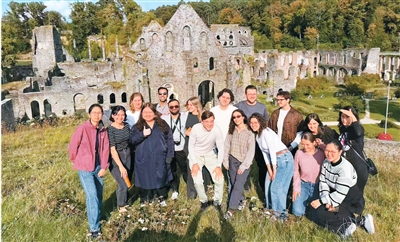
在国内:为长城做"全身体检" 在天津大学攻读博士期间,我所在的天津大学长城研究团队,是一支专业的"长城体检队"。我们利用数 字化技术为这位古老的"巨人"定期巡检,把脉健康。 在我的导师李哲教授带领下,我们一次次奔赴长城沿线,展开野外调查,利用无人机低空摄影测量技 术,为长城建立厘米级精度的"长城全线实景三维图像库"。这不仅是数字化的记录,更是全方位的"健 康档案":每一道墙体裂隙的走向、宽度、深度,每一块砖石的风化程度,甚至周围地质环境的微小变 化,都被实时记录和分析。 王天莲(左一)和同学外出调研时合影。 王天莲留学近照。 本文图片均由作者提供 不久前,王天莲获国家留学基金委员会资助,到比利时鲁汶大学留学。她的研究课题是用现代科技为长 城全线进行"全身体检",推动文化遗产保护从被动修复到主动预防的跨越。 在这段跨越东西方的学术之旅中,她用研究践行文化交流,也深刻体会到,文化遗产保护是全人类的共 同使命。 在深入比较中西方遗产保护实践的基础上,我的研究随后进入了融会贯通新阶段。我开始在国际学术界 积极分享长城保护的"中国经验",同时也将欧洲在预防性保护领域形成的方法论,与我国已有的保护理 念与实践相结合。 我 ...