癌症免疫疗法

Search documents
天演药业上涨2.01%,报2.03美元/股,总市值9563.24万美元
Jin Rong Jie· 2025-07-30 13:53
Core Insights - Tianyan Pharmaceutical (ADAG) experienced a 2.01% increase in stock price, reaching $2.03 per share, with a total market capitalization of $95.63 million as of July 30 [1] - The company's total revenue for the year ending December 31, 2024, is projected to be $103,200, reflecting a significant year-over-year decrease of 99.43% [1] - The net profit attributable to the parent company is expected to be -$33.42 million, a decline of 76.41% compared to the previous year [1] Company Overview - Tianyan Pharmaceutical is a biopharmaceutical company focused on the development of clinical products driven by its proprietary platform, specializing in novel cancer immunotherapies based on original antibodies [1] - The company utilizes a powerful platform that combines computational biology and artificial intelligence to develop new antibodies with high safety and efficacy, aiming to benefit more cancer patients [1] - The company's antibody discovery engine, known as the "Dynamic Precision Library," is advancing the development of its product pipeline, with the goal of creating potentially innovative or best-in-class products globally [1]

天演药业上涨4.03%,报2.07美元/股,总市值9751.68万美元
Jin Rong Jie· 2025-07-29 14:02
7月29日,天演药业(ADAG)开盘上涨4.03%,截至21:30,报2.07美元/股,成交1.73万美元,总市值 9751.68万美元。 资料显示,天演药业公司(纳斯达克股票代码:ADAG)是平台驱动并拥有自主平台产出的临床产品开发阶 段的生物制药公司,公司致力于发现并开发以原创抗体为基石的新型癌症免疫疗法。借助计算生物学和 人工智能相结合的强大平台,公司研制出高安全性和有效性的新型抗体,为更多癌症患者带来了福音。公 司的抗体发现引擎——"动态精准抗体库"(Dynamic Precision Library),正在推动天演药业的产品管线开发, 致力于打造潜在的全球创新或同类最佳型产品。 本文源自:金融界 作者:行情君 财务数据显示,截至2024年12月31日,天演药业收入总额10.32万美元,同比减少99.43%;归母净利 润-3342.41万美元,同比减少76.41%。 ...
特定基因突变或让人类比黑猩猩更易患癌
Ke Ji Ri Bao· 2025-07-08 23:49
Core Insights - A key gene mutation in the human immune protein Fas ligand (FasL) may increase cancer susceptibility in humans compared to close relatives like chimpanzees, providing important clues for developing new cancer therapies [1][2] Group 1: Research Findings - The study published in Nature Communications highlights that elevated levels of plasmin, a protease, in the tumor microenvironment act like "molecular scissors" that cut mutated FasL, leading to a loss of its anti-cancer function [1] - This unique vulnerability in humans explains why immunotherapies like CAR-T are effective against blood cancers but struggle with solid tumors such as triple-negative breast cancer, as blood cancer cells do not rely on plasmin for dissemination [1] Group 2: Implications for Treatment - The mutation in FasL may have contributed to increased brain capacity in humans but also poses a risk for higher cancer susceptibility, suggesting a potential "key" to unlocking immunotherapy [2] - Blocking plasmin or protecting FasL could reactivate the immune system's anti-cancer capabilities, offering new strategies for treating challenging cancers like triple-negative breast cancer through the combined use of plasmin inhibitors and existing therapies [2]
Innovent Biologics (01801) Earnings Call Presentation
2025-07-04 11:26
Innovent Biologics Overview - Innovent Biologics has grown into a China-leading biopharmaceutical company with 16 commercial products and 21 clinical pipeline products[9,10] - Innovent's total revenue exceeded RMB9.4 billion in 2024, marking a 55% increase from the previous year[26,27] - Product revenue is projected to achieve RMB20 billion in 2027[38] Oncology Drug Development in China - China accounted for 35% of the global oncology trials in 2023, exceeding the US[172] - The share of first-approved innovative drugs developed by China rose significantly from 4% in 2015 to 38% in 2024[175] - In the first half of 2025, Chinese pharmaceutical companies executed 20 oncology out-licensing deals totaling nearly $30 billion, with ADCs remaining a key focus[185,187] IBI363 (PD-1/IL-2 α-bias) Clinical Progress - IBI363 is a global first-in-class next-generation IO therapy designed to selectively activate and expand tumor-specific T cells[158,159] - In IO-resistant squamous cell lung cancer, IBI363 at 3 mg/kg showed a confirmed ORR of 36.7% and a median PFS of 9.3 months[160] - In IO-resistant melanoma, IBI363 showed an ORR of 26.7% and a median DoR of 14 months[531,533] - In 3L+ CRC, IBI363 monotherapy achieved a median OS of 16.1 months, and IBI363 + Bevacizumab combination therapy showed a cORR of 15.1%[647,650] ADC Developments in Gastrointestinal Cancers - HER2 ADCs demonstrated remarkable efficacy in HER2 3+ CRC, with T-DXd showing a 57.5% ORR and IBI354 showing a 54% confirmed ORR in earlier-phase trials[203,204] - IBI343, a CLDN18.2 ADC, showed promising efficacy in 3L gastric cancer, with the 6 mg/kg group achieving an ORR of 36.7% and a median PFS of 6.8 months[214,217] - In advanced pancreatic cancer, IBI343 showed an ORR of 22.7% in CLDN18.2-high (IHC ≥60%) population, with mPFS of 5.4 months and mOS of 9.1 months[220,224]
Cancer Cell:钱缙/马辰凯等开发CXCR4部分激活剂,增强癌症免疫治疗效果
生物世界· 2025-06-29 03:30
Core Viewpoint - The study presents a novel CXCR4 partial agonist, TFF2-MSA, which enhances the efficacy of cancer immunotherapy by targeting immunosuppressive neutrophils and cancer-driven granulopoiesis, particularly in gastric cancer [2][3][8]. Group 1: Research Findings - TFF2-MSA is identified as a CXCR4 partial agonist that sensitizes gastric cancer mouse models to anti-PD-1 therapy [6]. - TFF2-MSA reduces immunosuppressive neutrophils and cancer-driven granulocyte production [6]. - The combination of TFF2-MSA with anti-PD-1 therapy induces a robust anti-tumor CD8+ T cell response [6]. - In gastric cancer patients, decreased levels of TFF2 are associated with an increase in polymorphonuclear myeloid-derived suppressor cells (PMN-MDSC) [6][5]. Group 2: Mechanism of Action - The study demonstrates that TFF2-MSA, when fused with mouse serum albumin (MSA), shows improved stability and effectively inhibits primary tumor growth and distal metastasis in gastric cancer mouse models [4]. - TFF2-MSA selectively reduces Hdc-GFP+ CXCR4high immunosuppressive neutrophils, enhancing the tumor-killing ability of CD8+ T cells mediated by anti-PD-1 [4]. - Unlike CXCR4 antagonists, TFF2-MSA also inhibits bone marrow granulocyte production, contributing to its therapeutic benefits [4]. Group 3: Implications for Cancer Therapy - The research proposes a new strategy that utilizes CXCR4 partial agonism to restore tumor sensitivity to immune checkpoint inhibitors [8].


登上Cell子刊封面,中国药科大学揭示酪氨酸激酶抑制剂通过肠道菌群增强癌症免疫疗法
生物世界· 2025-06-22 03:38
Core Viewpoint - The study highlights the role of gut microbiota, specifically the metabolite urocanic acid (UCA), in enhancing the efficacy of cancer immunotherapy when combined with tyrosine kinase inhibitors (TKIs) [3][8][11]. Group 1: Research Findings - The research demonstrates that TKIs increase the abundance of the gut bacterium Muribaculum gordoncarteri and its metabolite UCA, which enhances the response to immune checkpoint blockade (ICB) therapy [8][9]. - UCA interacts with IκBα to inhibit NF-κB activation in endothelial cells, thereby reducing the recruitment of myeloid-derived suppressor cells (MDSCs) mediated by CXCL1 [9][11]. - Higher levels of UCA and Muribaculum gordoncarteri are found in the feces of patients who respond to ICB therapy compared to non-responders, suggesting their potential as predictive biomarkers for treatment response [8][9][11]. Group 2: Implications for Cancer Treatment - The findings indicate that the interaction between TKIs and gut microbiota could be a crucial factor in improving cancer treatment outcomes, particularly for patients who currently do not respond well to existing therapies [7][9]. - Understanding the mechanisms by which UCA enhances ICB therapy could lead to new strategies for increasing the effectiveness of cancer immunotherapy [3][11].

日本新疗法:精准打击妨碍癌症免疫的细胞
日经中文网· 2025-06-18 02:36
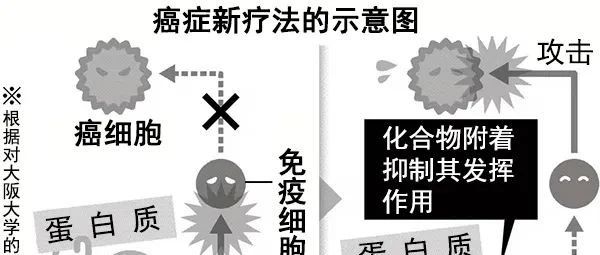
Core Viewpoint - The article discusses a new Japanese therapy that precisely targets cells that hinder cancer immunity, potentially revolutionizing cancer treatment [1] Group 1: Therapy Overview - The new therapy focuses on identifying and eliminating specific cells that suppress the immune response against cancer [1] - This approach aims to enhance the effectiveness of existing cancer treatments by improving the body's natural immune response [1] Group 2: Implications for Cancer Treatment - The therapy could lead to significant advancements in personalized medicine, allowing for tailored treatments based on individual patient profiles [1] - By targeting the immune-suppressing cells, the therapy may reduce side effects associated with traditional cancer treatments [1] Group 3: Market Potential - The introduction of this therapy could open new market opportunities within the oncology sector, attracting investments and research funding [1] - As the demand for innovative cancer treatments grows, this therapy positions itself as a competitive option in the pharmaceutical landscape [1]
Immatics Announces First Quarter 2025 Financial Results and Business Update
Globenewswire· 2025-05-13 11:00
Core Insights - Immatics N.V. is focused on advancing its clinical-stage PRAME cell therapy, IMA203, through ongoing trials and aims for commercialization in melanoma treatment [2][3][6] - The company reported a significant net loss of $43.2 million for Q1 2025, attributed to lower revenue and increased R&D expenses [19][16][17] Company Progress - The SUPRAME Phase 3 trial for IMA203 in advanced melanoma is ongoing, with enrollment expected to complete in 2026 [6][7] - Immatics is preparing its manufacturing facility to support the commercial supply of IMA203 and plans to expand its application to uveal melanoma [3][5] - The addressable patient population for PRAME therapies in the US and EU5 is approximately 8,600, including 7,300 for cutaneous melanoma and 1,300 for uveal melanoma [3] Clinical Trials - IMA203 is currently in a randomized-controlled Phase 3 trial, with primary endpoints focused on progression-free survival [7] - A Phase 1b trial for IMA203 in solid tumors, particularly uveal melanoma, is also ongoing [5][6] - The FDA has granted IND clearance for a Phase 1 trial combining IMA203 with Moderna's PRAME adaptive immune modulating therapy [10] Financial Results - As of March 31, 2025, the company reported cash and cash equivalents of $588.1 million, a decrease from $653.8 million at the end of 2024 [15] - Total revenue for Q1 2025 was $20.1 million, down from $32.8 million in Q1 2024, primarily due to the termination of a collaboration agreement [16] - R&D expenses increased to $45.3 million in Q1 2025 from $34.7 million in Q1 2024, reflecting the advancement of clinical programs [17] Upcoming Events - Immatics will present updates on its clinical trials at the 2025 ASCO Annual Meeting, including data on IMA203 and its combination therapies [2][12]


BioNTech SE(BNTX) - 2025 Q1 - Earnings Call Transcript
2025-05-05 12:00
Financial Data and Key Metrics Changes - In Q1 2025, the company reported total revenues of approximately €183 million, a slight decrease from €188 million in Q1 2024, reflecting expected seasonality in the COVID-19 vaccine market [26] - Research and development expenses increased to €526 million in Q1 2025 from €508 million in the prior year, driven by late-stage clinical studies [26] - The net loss for Q1 2025 was €416 million, compared to a net loss of €350 million in Q1 2024, with a basic and diluted loss per share of €1.73 versus €1.31 in the prior year [27][28] Business Line Data and Key Metrics Changes - The oncology segment is advancing with multiple clinical trials, including BNT327 and mRNA cancer immunotherapies, which are expected to establish new standards of care [10][13] - The COVID-19 vaccine franchise remains a significant revenue driver, although the company is preparing for a variant-adapted vaccine rollout [10][26] Market Data and Key Metrics Changes - The company estimates the second-line market for endometrial cancer to be around 10,000 patients in the US and Europe, indicating a sizable market opportunity [40] - The company is diversifying its manufacturing supply base, currently reliant on a China-based CDMO, to mitigate risks associated with tariffs [40] Company Strategy and Development Direction - The company aims to become a fully integrated biopharmaceutical company with a focus on oncology, particularly through combination therapies that exploit synergistic effects [12][13] - Significant investments are being made in clinical development and commercial capabilities to support the launch of BNT323 in oncology, expected as early as 2026 [35] Management's Comments on Operating Environment and Future Outlook - Management acknowledges 2025 as a transition year, focusing on long-term growth strategies while maintaining financial discipline [28] - The company is actively monitoring potential impacts from tariffs and evolving public sentiment regarding vaccines and mRNA technology [30][31] Other Important Information - The company announced the appointment of a new CFO, Ramon Sapater, effective July 1, 2025, as Jens Holstein prepares for retirement [11][32] - The company plans to present multiple updates from its oncology pipeline at the ASCO Annual Meeting, highlighting its commitment to advancing clinical programs [25][36] Q&A Session Summary Question: Addressable population for endometrial cancer launch - The estimated second-line market in endometrial cancer is about 10,000 patients in the US and Europe, indicating a sizable opportunity [40] Question: Impact of tariffs on manufacturing - Manufacturing for BNT323 is currently supplied by China, with plans to diversify supply bases in the coming years [40] Question: Long-term outlook for NSCLC - The company believes both bispecifics and ADCs will play a role in the evolving NSCLC market, with ongoing development in both areas [47][49] Question: COVID-19 vaccine recommendations - The company is tracking upcoming decisions regarding COVID-19 vaccine recommendations and anticipates that vaccination rates will remain stable [52][54] Question: Differences between bispecifics - The company is focusing on a bispecific with PD-L1, which is expected to be superior in the tumor microenvironment, and is exploring various combinations with ADCs [88][90]

Coherus BioSciences (CHRS) Update / Briefing Transcript
2025-04-28 21:30
Coherus BioSciences (CHRS) Update Summary Company Overview - **Company**: Coherus BioSciences - **Focus**: Development of CHS-114, a cytolytic CCR8 targeting antibody for cancer immunotherapy Key Points from the Call Industry and Product Development - **Phase I Study**: The call discussed the Phase I study results of CHS-114 as a CCRA antibody, evaluated both as monotherapy and in combination with Torpalumab in patients with advanced solid tumors, particularly head and neck cancer [2][4] - **Target**: CHS-114 targets CCR8, a G protein-coupled receptor, which is selectively expressed on tumor-resident T regulatory cells (Tregs) [7][6] - **Mechanism**: The goal is to deplete Tregs to enhance the immune response against tumors, turning "cold" tumors "hot" by allowing CD8 T cells to infiltrate [5][6] Clinical Results - **Preclinical Data**: Preclinical models showed that treatment with CHS-114 led to significant depletion of Tregs and enhanced antitumor activity when combined with PD-1 inhibitors [8][9] - **Patient Population**: The study included patients with advanced solid tumors, primarily head and neck cancer, with a median age of around 60 years and a majority being male [23] - **Safety Profile**: The Phase I study demonstrated an acceptable safety profile with no dose-limiting toxicities (DLTs) and a stable disease rate of approximately 50% in heavily pretreated patients [17][25] Efficacy and Biomarker Data - **Response Rates**: The combination therapy showed promising results, with a notable partial response in a patient who had previously failed multiple lines of therapy [26][29] - **Biomarker Analysis**: Significant reductions in CCR8 positive Tregs were observed, with a decrease of 52% to 97% after treatment, indicating a shift towards a more inflamed tumor microenvironment [43][44] - **Durability of Response**: The combination therapy demonstrated durable responses, with ongoing evaluations to assess long-term efficacy [28][26] Future Directions - **Expansion Studies**: Coherus is expanding its studies to include gastric cancer, with ongoing recruitment for trials assessing CHS-114 in combination with Torpalumab [20][19] - **Market Potential**: The second-line treatment space for metastatic head and neck cancer is identified as an unmet medical need, with current standard treatments showing low response rates [77][78] Additional Insights - **Combination Therapy**: The potential for combining CHS-114 with T cell engagers and bispecific antibodies was discussed, emphasizing the importance of a robust CD8 T cell infiltrate for effective treatment [64][65] - **Patient Characteristics**: The responder in the study had a low PD-L1 score, suggesting that targeting Tregs may provide benefits even in patients with traditionally low immunogenicity [81][82] Conclusion - Coherus BioSciences is advancing its clinical development of CHS-114, showing promising early results in targeting CCR8 positive Tregs to enhance immune responses in cancer therapy. The ongoing studies aim to address significant unmet needs in the treatment of advanced solid tumors, particularly in head and neck cancer.