
加征关税

Search documents
特朗普宣布对进口重型卡车加征25%关税
第一财经· 2025-09-25 23:29
Group 1 - The core viewpoint of the article is that starting from October 1, the U.S. will impose a 25% tariff on all imported heavy trucks, as announced by President Trump on his social media platform [3]. Group 2 - The article highlights the potential impact of this tariff on the automotive industry, particularly on manufacturers of heavy trucks who rely on imports [3]. - It also notes that this decision may lead to increased costs for consumers and could affect the supply chain dynamics within the industry [3].

美联储“褐皮书”:美国物价普遍上涨,与加征关税相关
第一财经· 2025-09-04 00:48
Core Viewpoint - The report indicates that price increases related to tariffs have been observed across all Federal Reserve districts in the U.S. from mid-July to the end of August, leading to a stagnation or decline in consumer spending due to rising costs outpacing wage growth [3][4][5]. Economic Impact - The Federal Reserve's "Beige Book" report, compiled from surveys of the 12 Federal Reserve Banks, highlights significant price increases in inputs, particularly in insurance, utilities, and technology services, with many companies passing these costs onto consumers [3][4]. - The average trade-weighted tariff rate for all products imported into the U.S. has risen sharply to 20.11% as of August 7, compared to just 2.44% at the beginning of the year, reflecting the government's aggressive tariff policies [5]. Labor Market Conditions - Employment levels across 11 Federal Reserve districts have remained largely unchanged, with one district reporting a slight decline in employment. Seven districts noted a reluctance among businesses to hire due to weakened demand or increased uncertainty, while two districts experienced an increase in layoffs [4].

美联储褐皮书:物价普遍上涨 与加征关税相关
Xin Hua Wang· 2025-09-04 00:22
Group 1 - The Federal Reserve's Beige Book report indicates that from mid-July to the end of August, all Federal Reserve districts experienced price increases related to tariffs [1] - Many Federal Reserve districts reported significant impacts of tariffs on input prices, with increases noted in insurance, utilities, and technology services [1] - Companies have largely passed on rising costs to customers, and businesses expect prices to continue rising in the coming months [1] Group 2 - Due to increased economic uncertainty and higher tariff rates, many households' wage growth has not kept pace with rising prices, leading to stagnant or declining consumer spending across all Federal Reserve districts [1] - The overall employment level remained unchanged in 11 Federal Reserve districts, with one district showing a slight decline in employment [1] - Seven Federal Reserve districts reported reluctance among businesses to hire due to weakened demand or increased uncertainty, while two districts noted an increase in layoffs [1] Group 3 - The U.S. government has been imposing higher tariffs on trade partners, with tariff rates ranging from 10% to 41% announced on July 31 [2] - The trade-weighted average tariff rate for all products imported into the U.S. rose significantly to 20.11% as of August 7, compared to just 2.44% at the beginning of the year [2]
特朗普对多国征收关税被裁定违法
Zhong Guo Ji Jin Bao· 2025-08-30 03:42
Group 1 - The U.S. Court of Appeals ruled that most of the global tariff policies implemented by President Trump are illegal, stating that the International Emergency Economic Powers Act does not grant the president the authority to impose these tariffs [1][2][3] - The court's decision was made with a 7-4 vote, affirming a previous lower court ruling that Trump's invocation of the emergency law exceeded his powers [2][3] - The ruling allows the tariffs to remain in effect until October 14, giving the Trump administration time to appeal to the Supreme Court [1][3] Group 2 - The court's decision is seen as a significant blow to Trump's aggressive trade policies, which were enacted without congressional approval through executive orders [3] - Trump criticized the ruling on social media, asserting that all tariffs remain effective and warning that their removal would lead to a "total disaster" for the U.S. [1][3]
美国:拟对印度商品征收50%关税
财联社· 2025-08-26 00:30
Core Viewpoint - The United States plans to impose a 50% tariff on all Indian goods starting from August 27, 2023, as a response to India's importation of Russian oil [1][3]. Group 1: Tariff Implementation - The U.S. Department of Homeland Security announced that the new tariffs will apply to "all imported goods for consumption or storage for consumption from India" [2]. - The overall tariff rate on Indian goods exported to the U.S. will increase to 50%, following an initial 25% tariff imposed on August 7, 2023, due to India's indirect importation of Russian oil [3]. Group 2: Indian Response - The Indian government has criticized the U.S. decision to impose tariffs as "unfair, unjust, and unreasonable," indicating that it will take all necessary actions to protect its national interests [4].
波兰学者:美国自身将成为加征关税最大输家
Yang Shi Xin Wen Ke Hu Duan· 2025-08-24 07:12
Group 1 - The core viewpoint is that the U.S. tariff policy is negatively impacting the global trade system, and the U.S. will ultimately be the biggest loser from the tariff increases [1] - The current trade system is expected to undergo a restructuring as countries adjust their trade relationships, leading to a disadvantageous position for the U.S. [1] - Historical evidence from Trump's first term indicates that tariff increases do not lead to job growth, suggesting that U.S. consumers will bear the cost of tariffs [1] Group 2 - There is a strong desire for cooperation between China and Europe to uphold global trade rules and the framework of the World Trade Organization (WTO) [2] - Despite existing shortcomings and operational challenges within the WTO, it remains the best available global trade framework that needs to be collectively maintained [2]
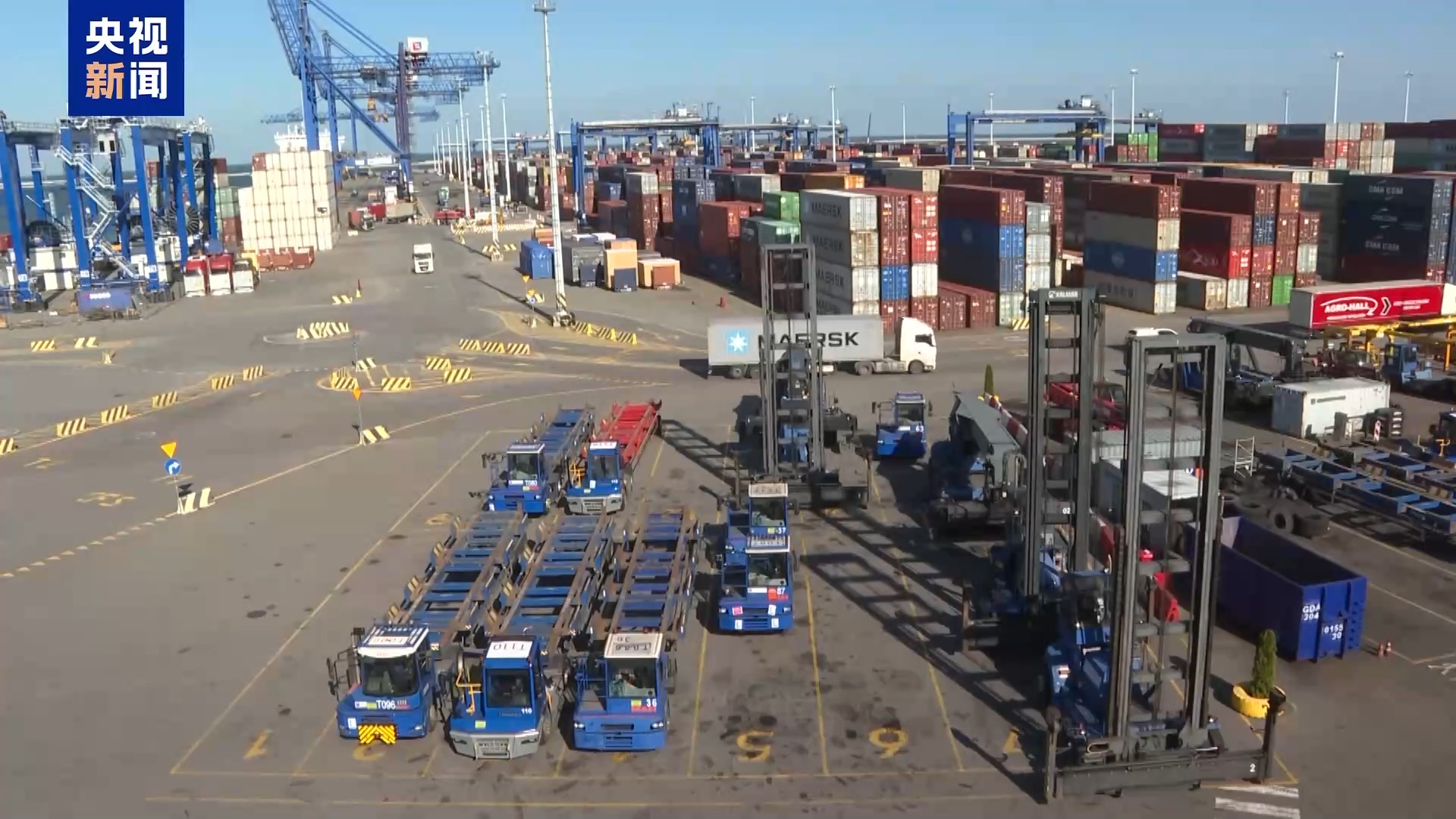
美国同意与巴西进行关税磋商
Yang Shi Xin Wen· 2025-08-20 00:27
Core Points - The U.S. has agreed to consult with Brazil regarding the imposition of a maximum 50% tariff on Brazilian goods, as indicated in a letter published by the WTO on the 18th of the month [1] - The letter, signed on August 15, states that some of Brazil's claims related to "national security" are not applicable under the WTO dispute resolution mechanism, and both parties will negotiate a date for consultations [1] - Brazil requested consultations with the WTO on August 5, and the request was made public on August 11 [1] - As of August 6, the U.S. has imposed a 40% tariff on Brazilian imports, raising the tariff rate to 50% for most Brazilian products, including meat, coffee, and fruits, based on an earlier executive order issued in April [1]
最新!特朗普宣布:暂不针对中国购买俄油加征关税
Sou Hu Cai Jing· 2025-08-17 03:05
Group 1 - The U.S. has announced additional tariffs on Indian goods as a punishment for India's purchase of Russian oil, with tariffs set to increase to 50% starting August 27 [1] - President Trump indicated that there are currently no plans to impose tariffs on Chinese goods related to their purchase of Russian oil, despite previous threats [1][2] - The extension of the trade truce between the U.S. and China for an additional 90 days aims to alleviate the high tariffs that had surged earlier in the spring [1] Group 2 - Trump described the meeting with President Putin as successful, despite not reaching a ceasefire agreement, and called for negotiations between Ukraine and Russia [2][3] - The Chinese government maintains a consistent stance on its energy cooperation with Russia, asserting that such activities are legitimate and based on national interests [3]
特朗普宣布:暂无计划因中国购买俄罗斯石油而对中国产品加征关税
Zhong Guo Ji Jin Bao· 2025-08-17 00:58
Core Points - President Trump indicated that he currently has no plans to impose tariffs on Chinese products due to China's purchase of Russian oil, citing progress in discussions with Putin regarding the Ukraine conflict [1] - Trump previously threatened tariffs on countries purchasing Russian energy to pressure Putin into peace negotiations with Ukraine [1] - The U.S. plans to increase tariffs on Indian products to 50% starting August 27 in response to India's oil purchases from Moscow [1] - Imposing tariffs on China could disrupt the recently extended trade truce between the U.S. and China, which has helped reduce previously high tariffs [1] - Despite not reaching a ceasefire agreement with Putin during the Alaska meeting, Trump noted that there was consensus on several issues and urged Ukraine's President Zelensky to negotiate with Putin [1] Industry Response - The Chinese government maintains a consistent stance on its energy cooperation with countries including Russia, asserting that such activities are legitimate and in line with national interests [2] - China's Ministry of Foreign Affairs emphasized that it will continue to take reasonable energy security measures based on its own national interests [2]
特朗普宣布:不加征关税!
Zhong Guo Ji Jin Bao· 2025-08-16 14:57
Group 1 - The core viewpoint is that President Trump is currently not planning to impose tariffs on Chinese products due to their purchase of Russian oil, as he believes progress has been made in discussions with Putin regarding the Ukraine conflict [1] - Trump had previously threatened tariffs on countries purchasing Russian energy to pressure Putin into peace negotiations with Ukraine, but he has now decided to extend the trade truce with China for another 90 days [1][2] - The trade truce has led to a reduction in tariffs that had surged to high levels in the spring, alleviating the impact on global markets [1] Group 2 - The Chinese government maintains a consistent stance on its energy cooperation with Russia and other countries, asserting that such activities are legitimate and in line with its national interests [3]