
无废城市

Search documents
生态环境部:“十五五”时期将推动约200个城市开展“无废城市”建设
Zhong Zheng Wang· 2026-01-06 09:25
生态环境部科技与财务司司长王志斌1月6日在国新办新闻发布会上表示,生态环境部会同财政部大力支 持规范拆解处理废旧家电,2025年中央财政累计投入50亿元,处理了约1亿台废旧电器,累计产出超300 万吨再生资源,有效促进了资源循环利用和行业绿色低碳发展。 "今后,生态环境部还将进一步高标准推进'无废城市'建设,畅通废弃物回收再利用循环,助力绿色消 费发展。'十五五'时期,将推动200个左右城市开展'无废城市'建设,让群众能够切身感受建设成果,厚 植中国式现代化的绿色底色。"王志斌说。 ...
生态环境部:将推动200个左右城市开展“无废城市”建设
Jing Ji Guan Cha Wang· 2026-01-06 08:36
据介绍,"无废城市"是一种将固体废物环境影响降至最低的城市发展模式,自2018年建设试点启动以 来,全国已经有113个地级及以上城市和8个地区开展建设。 经济观察网据央视新闻客户端消息,今天(6日)下午,国务院新闻办召开新闻发布会。生态环境部科技 与财务司司长王志斌在会上表示,今后,生态环境部还将进一步高标准推进"无废城市"建设,畅通废弃 物回收再利用循环,助力绿色消费发展。"十五五"时期,生态环境部将推动200个左右城市开展"无废城 市"建设,让群众能够切身感受建设成果,厚植中国式现代化的绿色底色。 ...
生态环境部:“十五五”时期将推动200个左右城市开展“无废城市”建设
Zheng Quan Shi Bao Wang· 2026-01-06 07:45
人民财讯1月6日电,生态环境部科技与财务司司长王志斌1月6日在国新办举行的新闻发布会上表示,今 后,生态环境部还将进一步高标准推进"无废城市"建设,畅通废弃物回收再利用循环,助力绿色消费发 展。"十五五"时期,生态环境部将推动200个左右城市开展"无废城市"建设,让群众能够切身感受建设 成果,厚植中国式现代化的绿色底色。 ...
垃圾分拣中人工挑选平台的优点与重要性:城市环保的“隐形守护者”
Sou Hu Cai Jing· 2026-01-06 04:20
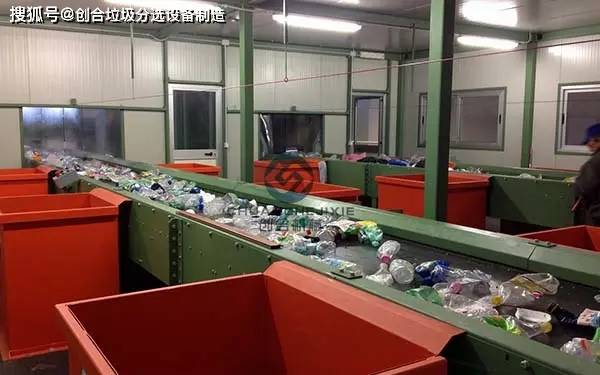
Core Viewpoint - The waste management system is undergoing a significant transformation from "end-of-pipe disposal" to "source classification - precise sorting - recycling," with manual sorting platforms playing a crucial role in connecting front-end classification and back-end processing [1] Group 1: Advantages of Manual Sorting Platforms - The core competitive advantage of manual sorting platforms lies in human subjectivity, allowing for experience-based judgment and flexible adjustments that automated systems struggle to achieve [3] - Manual sorting can quickly adapt to seasonal and behavioral changes in waste composition, such as the increase of kitchen waste in summer and the rise of packaging materials during holidays, with a reported 30% increase in misjudgment rates for automated systems when the proportion of wet waste rises from 5% to 15% [4] - Manual sorters possess superior identification capabilities for complex waste materials, achieving a sorting accuracy of 92% for low-value recyclables, compared to 75%-80% for automated systems [5] Group 2: Importance of Manual Sorting Platforms - Manual sorting platforms serve as a critical safety net in the waste management system, reducing backend processing costs and acting as the first line of defense against impurities entering incineration facilities [9] - The economic feasibility of manual sorting is highlighted by the high costs of automated sorting lines, which can exceed 10 million yuan, making manual platforms a more viable option for smaller cities and rural areas [10] - By accurately removing impurities, manual sorting can increase the calorific value of waste entering incineration plants by 15%-20%, potentially saving operational costs of approximately 4 million yuan annually for a facility processing 2,000 tons of waste per day [11] - Manual sorting enhances the market value of recycled materials, with sorted waste plastics selling for 30%-50% more than those sorted by automated systems, thus promoting the economic viability of waste-to-resource conversion [12] Conclusion - Manual sorting platforms are not outdated but represent a combination of rigid rules and flexible intelligence within the waste management system, complementing automated systems and fostering environmental responsibility through human interaction [14]

黑龙江强化固废环境管理,守牢风险底线
Yang Guang Wang· 2026-01-03 01:11
法规体系不断完善。出台《黑龙江省固体废物污染环境防治条例》。条例共48条,结合黑龙江省实际, 将农药包装废弃物等产生量较大的固体废物环境管理措施纳入其中,在明确政府及部门责任、规范危险 废物贮存期限等方面作出了具体规定,进一步健全了黑龙江省生态环境地方法规体系。 "无废城市"建设形成特色模式。指导哈尔滨、大庆、伊春制定"无废城市"建设年度计划,着力打造"无 废冰城""无废油城""无废林都"等特色模式;哈尔滨与长春、沈阳、大连签订《东北四市"无废城市"共 建战略合作协议》,促进区域协同共建。大庆油田第一采油厂"含油污泥资源化、无害化无废生产模 式"入选工信部、生态环境部双重认定的"无废企业"典型案例,为工业领域"无废"建设提供了龙江经 验。 近日,黑龙江省生态环境厅召开"强化固体废物环境管理 守牢生态环境风险底线"新闻发布会,介绍黑 龙江省固体废物与化学品环境管理工作进展情况。 持续强化对企服务。发布《致全省工业固体废物产生单位的一封信》《关于废矿物油、废铅蓄电池等危 险废物环境管理的告知书》,有效强化了源头管控;出台《危险废物严管+服务十项措施》,建立"一 对一"便企帮扶机制,提供远程政策指导等优质便捷服务, ...
“无废码头” 通过嘉兴市级现场验收
Xin Lang Cai Jing· 2026-01-01 23:53
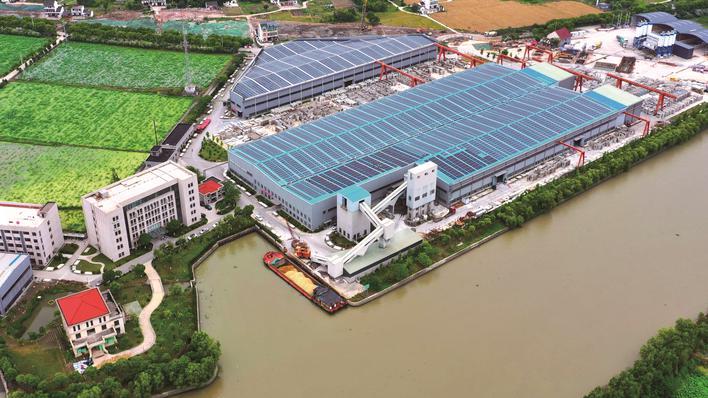
(来源:南湖晚报) 转自:南湖晚报 据了解,自"无废码头"创建工作启动以来,月松建材码头以"源头减量、过程管控、末端闭环"为核心, 系统推进设备技术改造与管理升级,一方面,通过铺设气力管廊输送系统,加配布袋除尘设备,从源头 遏制粉尘扩散,另一方面落地船舶智能生活污水接收设备、垃圾自主分类设施及绿色智慧岸电,同步接 入监管服务信息系统,形成绿色治污的全链条闭环管理。经评审组现场核查显示,其固废回收台账、污 染防治制度等35项指标均达创建标准。 此次评审是多部门协同治废的生动实践。创建期间,交通部门强化技术指导,生态环境部门严把环保标 准,形成"企业主建、部门联动、标准引领"工作格局。三年间,平湖市累计打造"无废码头"3家,带动 内河船舶污染物接收率、生活垃圾无害化处置率均提升至100%,为嘉兴市"无废城市"建设提供坚实支 撑。 下一步,平湖市港航管理服务中心将以无废码头创建行动作为水运绿色转型的关键抓手,推广此次无废 码头创建过程中的"设施升级+制度护航"经验,持续擦亮"五彩嘉兴·绿色港航"生态名片,为航运浙江绿 色转型注入强劲动能。 N通讯员 姜舜君 彭一宁 照片由平湖市港航管理服务中心提供 近日,平湖市港航 ...
日处理400吨
Xin Lang Cai Jing· 2026-01-01 17:42
(来源:衢州日报) 转自:衢州日报 本报讯 (记者 毛慧娟 通讯员 龚志烨) 1月1日,衢江区城区生活垃圾转运站正式投入运行,这座于 2025年12月完工的民生工程,填补了衢江区规模化、标准化生活垃圾转运设施的空白,为衢江构建"城 市环卫一体化"体系按下"加速键"。 作为中型Ⅲ类转运站,该项目总建筑面积13075平方米,站内卸料大厅、转运大厅、环控间等核心功能 区域规划科学,构建起流程闭环的现代化运行体系,服务范围覆盖衢江区全域,日处理生活垃圾能力稳 定达400吨,其中其他垃圾日转运300吨、易腐垃圾日处理100吨,可全面承接区域居民生活、商业经营 等垃圾转运需求,彻底打通城市生活垃圾收运处置"最后一公里",为实现生活垃圾"日产日清、安全转 运"提供坚实保障。 技术赋能是该转运站的核心亮点。站内引入全套智能化管控系统与成熟工艺,打造全流程数字化、智能 化运营模式。依托水平压缩工艺、智能称重计量及车辆识别系统,清运车从进站身份确认、数据记录上 传,到卸料、压缩、空满箱转换,再到转运出场,全程实现智能化监控、自动化操作,大幅提升转运精 准度与工作效率,构建起"收集—转运—处置"全链条闭环体系。 生态优先更是项目建 ...
“无废细胞”激活全域新生态 绿色治理绘就“无废”新蓝图多元共治、科技赋能与循环共生的崮山实践
Qi Lu Wan Bao· 2025-12-31 11:55
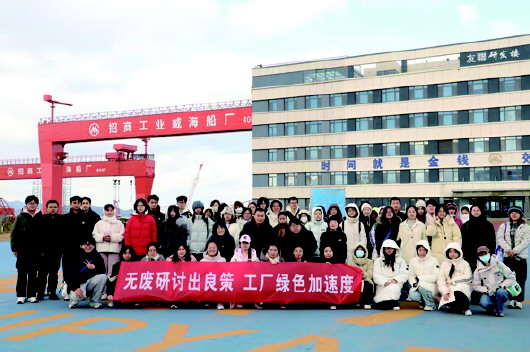
Core Viewpoint - The article highlights the successful implementation of the "waste-free" initiative in Weihai, showcasing the integration of AI technology and community efforts in creating a sustainable urban environment [2][9]. Policy Guidance - Weihai was selected as one of the first pilot cities for "waste-free" urban construction in April 2019, incorporating this initiative into its development framework [3]. - The city has established a "4+2" pilot system focusing on industrial solid waste reduction, agricultural waste utilization, urban waste resource management, and safety control of hazardous waste, along with marine and tourism green development goals [3]. Government Demonstration - The local government has transitioned to an air-source heat pump system for heating, replacing traditional biomass boilers, resulting in annual savings of 150,000 yuan and a reduction of 66 tons of CO2 emissions [4]. Technological Empowerment - The招商局工业集团威海船舶有限公司 has integrated "waste-free" principles into its operations, including an 8MW distributed photovoltaic project that reduces CO2 emissions by 7,600 tons annually [5]. - The company has implemented energy-saving technologies, achieving a 20% overall energy efficiency improvement and receiving multiple green certifications [5]. Circular Economy - In邵家庄村, a comprehensive waste management system has been established, converting waste into high-quality organic fertilizer, which enhances crop yields by 10%-15% [6][7]. - The village serves as a model for resource recycling and utilization, demonstrating the effectiveness of the "waste-free" concept in rural areas [7]. Collaborative Ecosystem - The东浦湾 "waste-free" scenic area has initiated creative workshops that transform marine waste into art, promoting environmental awareness among visitors [8]. - A symbiotic relationship has been developed between the scenic area and local villages, facilitating a circular economy where organic waste is processed in villages and green products are supplied to the scenic area [8]. Conclusion - Weihai's "waste-free" initiative exemplifies a comprehensive approach to sustainable urban development, integrating policy, technology, and community engagement to create a model for similar regions [9].
“十四五”绿色答卷:三亚以制度创新赋能生态文明建设示范区
Hai Nan Ri Bao· 2025-12-31 02:08
今年12月24日,三亚市获评"生态文明建设示范区",成为海南省首个获此殊荣的地级市。这既是对一座 热带滨海城市"绿色答卷"的国家级认证,也是三亚在"十四五"期间坚定不移践行"绿水青山就是金山银山"理 念的生动体现,彰显了其对标国家生态文明试验区"最高标准、最严要求"的责任担当,也为加快建设"具有世 界影响力的中国特色自由贸易港"提供了具有示范意义的绿色发展城市样本。 5年来,从空气质量稳居全国前列,到水环境质量全面达标;从三亚河、赤田水库入选生态环境部美丽河 湖优秀案例,到三亚湾、海棠湾、亚龙湾先后入选国家级美丽海湾;从"无废城市"建设领跑海南乃至全国,到 成功入选联合国环境规划署(UNEP)评定的全球20个"无废城市"名单;从崖州区、海棠区先后获评"绿水青山就 是金山银山"实践创新基地,到生态系统生产总值(GEP)核算实现机制创新突破…… 三亚以系统治理守护碧海蓝天,以制度创新"激活"生态价值,奋力书写"人与自然和谐共生"的海南自贸 港生态文明新篇章。 A 制度创新引领美丽三亚建设 彰显生态文明建设"城市尺度" 三亚生态修复团队就地取材修复红榄李母树树干。 从临春岭上俯瞰三亚市城市风光。图片均由 王将就 摄 ...

海南省建筑垃圾全过程管理现场观摩会在海口举行
Hai Nan Ri Bao· 2025-12-30 01:17
Core Viewpoint - The article discusses the implementation of a comprehensive management system for construction waste in Haikou, Hainan Province, highlighting the city's efforts to achieve a "waste-free city" goal through various initiatives and technological advancements [1][3]. Group 1: Event Overview - A site observation meeting on the management of construction waste was held in Haikou, organized by the Hainan Provincial Department of Housing and Urban-Rural Development [1]. - Participants visited various locations to witness the practical achievements in construction waste management, including the Qinghao Tianyue community and the Meinan Village waste transfer and resource utilization facility [1][2]. Group 2: Achievements in Waste Management - Haikou has achieved a comprehensive utilization rate of 82% and a resource utilization rate of 95% for construction waste by the end of this year [2]. - The city has established a closed-loop management system for construction waste, which includes online supervision from source approval to final disposal [2][3]. Group 3: Infrastructure and Technology - Haikou has built one resource utilization plant, one disposal site, and two transfer and distribution sites, with an annual processing capacity of 2.72 million tons [3]. - The construction waste supervision management system allows construction companies to report waste removal through a mobile application, ensuring compliance and tracking of waste disposal [3][4]. Group 4: Community Engagement and Services - The city promotes a "reservation pick-up" service for renovation waste, with 349 out of 614 households in the Qinghao Tianyue community utilizing this service [1]. - Haikou has deployed 180 hook-lift trucks and 720 mobile collection boxes to enhance waste collection services across urban and rural areas [3]. Group 5: Regulatory and Enforcement Actions - The city has conducted 28 joint enforcement actions against illegal dumping, involving over 10,000 personnel to deter violations [4]. - The article emphasizes the importance of sharing experiences among cities to accelerate the establishment of effective construction waste management systems across Hainan Province [5].