
长江经济带发展

Search documents
“共抓大保护,不搞大开发”,长江经济带十年绘就壮美画卷
Xin Lang Cai Jing· 2026-01-04 01:29
Core Viewpoint - The article emphasizes the importance of ecological protection over large-scale development in the Yangtze River Economic Belt, highlighting a decade of progress in balancing economic growth with environmental sustainability [2][10][11]. Group 1: Ecological Protection - The Yangtze River Economic Belt covers 11 provinces and municipalities, accounting for about one-fifth of China's land area and half of its population and economic output [2]. - Since 2020, the Yangtze River has maintained a Class II water quality for six consecutive years, with increased biodiversity and aquatic resources [2][10]. - The initiative "co-grasp major protection, not engage in major development" reflects a shift towards high-quality, green, and low-carbon development [3][11]. Group 2: Economic Development - By November 2025, the foreign trade import and export value of the 11 provinces and municipalities along the Yangtze River reached 19.12 trillion yuan, accounting for 46.4% of the national total [2]. - The Yangtze River Economic Belt has formed five major industrial clusters, including electronics, high-end equipment, automobiles, home appliances, and textiles, with a projected GDP of over 63 trillion yuan in 2024, growing at 5.4% [22]. Group 3: Policy and Governance - The article discusses the establishment of a comprehensive ecological protection and governance system, including measures like a ten-year fishing ban and pollution control initiatives [10][18]. - Collaborative mechanisms among provinces have been strengthened to ensure coordinated management of the river basin, enhancing ecological compensation and protection efforts [19][20]. - The government is promoting innovative approaches to ecological protection, such as the river and lake chief system, which assigns responsibility for every river and lake [21]. Group 4: Community Engagement and Sustainable Practices - Local communities are actively involved in ecological protection, with initiatives to train fishermen in alternative livelihoods and promote eco-tourism [27][28]. - The article highlights successful case studies where ecological restoration has led to improved local economies, such as the transformation of polluted areas into recreational spaces [28]. Group 5: Future Outlook - The article concludes with a vision for the Yangtze River Economic Belt to become a model of harmonious coexistence between nature and development, ensuring sustainable benefits for future generations [28].
“共抓大保护,不搞大开发” 长江经济带十年绘就壮美画卷 “现在路子是对的,要继续走下去”
Ren Min Ri Bao· 2026-01-03 22:17
Core Viewpoint - The development of the Yangtze River Economic Belt emphasizes ecological protection over large-scale development, aiming for a harmonious coexistence between nature and economic growth [1][5][9]. Economic Development - By November 2025, the foreign trade import and export value of the 11 provinces and cities along the Yangtze River Economic Belt reached 19.12 trillion yuan, accounting for 46.4% of the national total, marking a historical high [2]. - The Yangtze River Economic Belt has formed five major industrial clusters, including electronic information and high-end equipment, with a projected GDP of over 63 trillion yuan in 2024, growing at 5.4% [20]. Ecological Protection - Since 2020, the main stream of the Yangtze River has maintained a Class II water quality for six consecutive years, indicating significant ecological recovery [1][2]. - The initiative "coordinated protection, no large-scale development" has led to major achievements in ecological protection and restoration, including a ten-year fishing ban and pollution control measures [8][10]. Biodiversity and Species Recovery - The successful artificial breeding of the Chinese sturgeon has established a self-sustaining population, with significant increases in their numbers observed in the Yangtze River [2][3]. - The monitoring of sturgeon migration has shown positive results, indicating a recovery in the ecological health of the Yangtze River [3][4]. Systematic Governance - The governance approach has shifted from fragmented management to a comprehensive system that emphasizes collaboration among provinces for ecological protection [18][19]. - Innovative compensation mechanisms have been introduced to enhance ecological protection efforts, transitioning from a focus solely on water quality to a more integrated ecological service model [18]. Green Development - The Yangtze River Economic Belt is exploring a new path of ecological priority and green development, with initiatives to promote low-carbon industries and sustainable practices [11][20]. - The transformation of industrial zones from pollution-heavy to eco-friendly areas has been highlighted, showcasing the potential for economic growth alongside environmental stewardship [10][11].
长江技术经济学会召开第六届理事会第二次会议和学会党委第二届委员会第二次会议
Shui Li Bu Wang Zhan· 2025-12-31 00:57
本站讯12月26日,长江技术经济学会在武汉召开第六届理事会第二次会议和学会党委第二届委员会第二 次会议。长江水利委员会党组书记、主任廖志伟出席会议并致辞。 在第六届理事会第二次会议上,廖志伟对学会多年来各项工作成效给予充分肯定。他指出,近年来,学 会深入践行习近平生态文明思想,对标国家一流学会建设要求,不断拓展业务领域,紧密围绕长江流域 自然资源、区域经济、水利能源、交通航运、生态环境等技术经济问题,形成了一批具有战略性、前瞻 性、针对性的重要成果,为流域经济社会发展和长江保护科技创新提供了强有力的智力支撑。长江水利 委员会作为水利部派出的流域管理机构,也是学会联合发起成立单位之一,将一如既往全力支持学会高 质量发展,切实加强统筹协调,持续为学会发展提供全方位保障与支撑,推动学会发展迈上新台阶。 在学会党委第二届委员会第二次会议上,全体党委委员深入学习领会党的二十届四中全会精神,进一步 重温习近平总书记关于推动长江经济带发展的重要论述。会议强调,要坚持科技是第一生产力、人才是 第一资源、创新是第一动力,开辟发展新领域新赛道,不断塑造发展新动能新优势;要进一步增强政治 意识,坚持党建引领,切实发挥平台作用,组织 ...
合新高铁合泗段开通运营
Xin Hua She· 2025-12-30 13:27
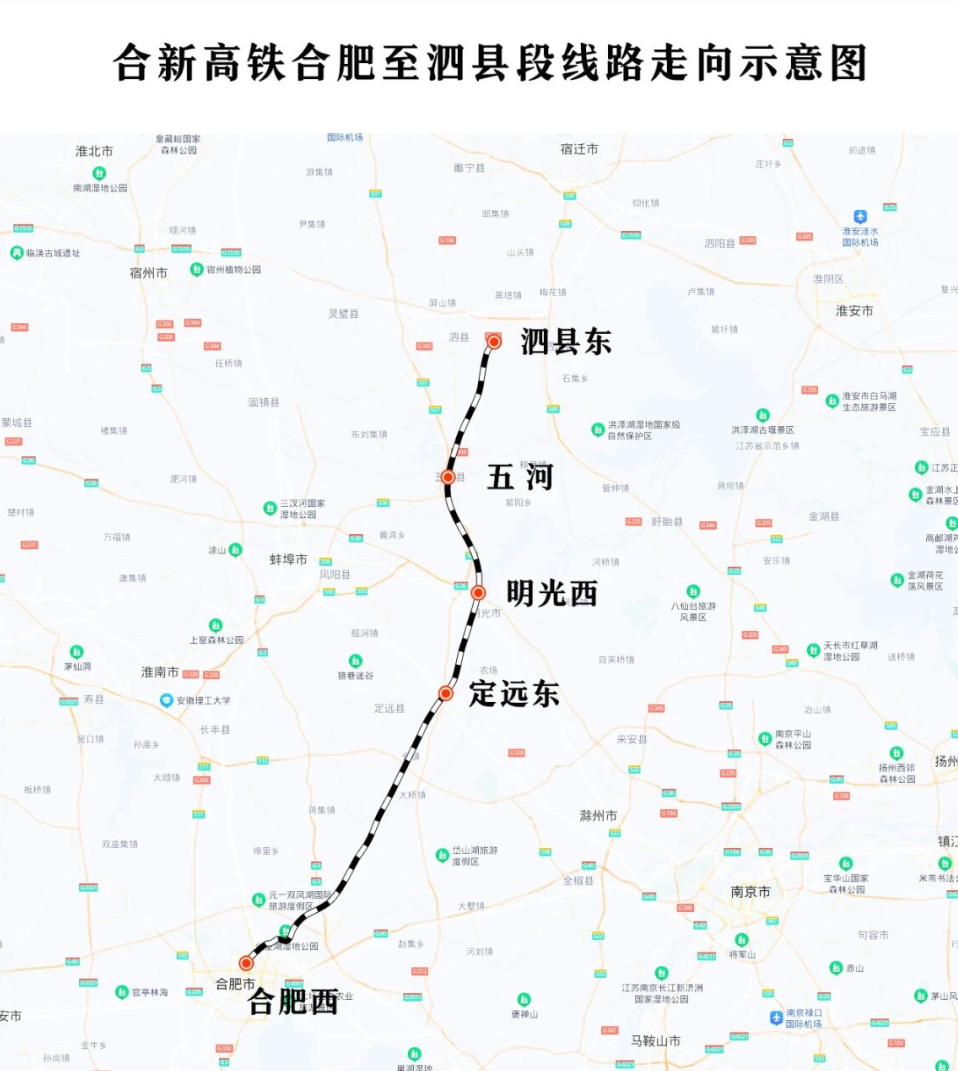
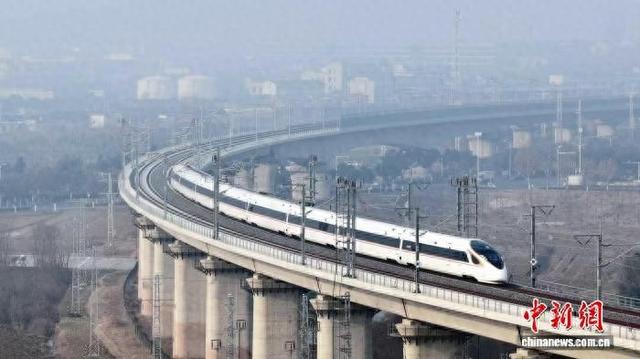
Core Viewpoint - The Hefei to Xinyi high-speed railway segment from Hefei to Sixian officially commenced operations, enhancing the transportation network between Hefei and the eastern Anhui region [1] Group 1: Project Details - The Hefei to Xinyi high-speed railway starts from Hefei West Station and connects to Xinyi East Station, covering a total length of approximately 335 kilometers with a design speed of 350 kilometers per hour [1] - The segment from Hefei to Sixian spans 198 kilometers and includes five newly constructed stations: Hefei West, Dingyuan East, Mingguang West, Wuhua, and Sixian East [1] - The fastest travel time from Hefei West Station to Sixian East Station is now only 1 hour and 18 minutes [1] Group 2: Regional Impact - The opening of the high-speed railway provides significant development opportunities for Sixian, which is recognized as a revolutionary old district and a gateway to northeastern Anhui [1] - Sixian is now part of the "one-hour commuting circle" from Hefei, reducing the physical distance to central cities in the Yangtze River Delta [1] - The project enhances the regional transportation network, facilitating travel for local residents and contributing to the development of the Yangtze River Economic Belt and the high-quality integration of the Yangtze River Delta [1]
时速350公里高铁今日开通!5座新车站开门迎客!
Xin Lang Cai Jing· 2025-12-30 10:50
Core Viewpoint - The Hefei to Xinyi High-Speed Railway segment from Hefei West Station to Sixian officially commenced operations, enhancing regional connectivity and transportation efficiency in Anhui province [1][8]. Group 1: Railway Operations - The Hefei to Xinyi High-Speed Railway segment, starting from Hefei West Station, spans a total length of 198 kilometers and includes five newly constructed stations: Hefei West, Dingyuan East, Mingguang West, Wuhe, and Sixian East [3]. - The G9500 train service marked the opening of this segment, with the first train departing at 9:18 AM, showcasing the modern infrastructure and technology of the new Hefei West Station [1][4][6]. Group 2: Economic and Social Impact - The opening of the high-speed railway is expected to significantly improve the investment environment in Wuhes County, allowing for easier access to the provincial capital Hefei and other major cities across the country [7]. - The railway's operation is anticipated to facilitate the development of the Yangtze River Economic Belt and contribute to the high-quality integration of the Yangtze River Delta region [8]. Group 3: Cultural Significance - The atmosphere on the inaugural train was lively, featuring performances of traditional Anhui opera and dance, highlighting the cultural richness of the region [7]. - The successful construction of the railway utilized green technologies, minimizing environmental impact and ensuring sustainable development [7].

长三角高铁营业里程突破8000公里
Xin Lang Cai Jing· 2025-12-30 06:40
Core Viewpoint - The Hefei to Xuzhou Xinyi High-Speed Railway (Hefei-Su segment) has officially opened, contributing to the expansion of the Yangtze River Delta high-speed rail network, which now exceeds 8,000 kilometers in operational mileage [1][2]. Group 1 - The Hefei-Su segment of the Hefei-Xinyi High-Speed Railway spans 198 kilometers and includes five newly constructed stations [1]. - The railway operates at a maximum speed of 350 kilometers per hour, enhancing regional connectivity and facilitating travel for local residents [2][3]. - The newly built Hefei West Station is the largest station on this segment, featuring 8 platforms and 18 tracks, with a total construction area of 340,000 square meters [3]. Group 2 - Hefei West Station connects multiple high-speed rail lines, including the Beijing-Hong Kong High-Speed Railway and the Hefei-Hangzhou High-Speed Railway, creating a new transportation hub in Hefei [3]. - The development of this railway segment is expected to promote the economic growth of the Yangtze River Economic Belt and support the high-quality development of the Yangtze River Delta integration [2][3].
国新办1月5日将就长江经济带发展十年工作进展和成效举行新闻发布会
Mei Ri Jing Ji Xin Wen· 2025-12-30 05:12
每经AI快讯,国务院新闻办公室将于2026年1月5日(星期一)上午10时举行新闻发布会,请国家发展改革 委副主任王昌林和生态环境部、交通运输部、水利部、农业农村部有关负责人介绍长江经济带发展十年 工作进展和成效,并答记者问。 ...
合肥至新沂高铁合肥至泗县段开通运营
Zhong Guo Jing Ji Wang· 2025-12-30 03:51
Core Viewpoint - The opening of the Hefei to Xinyi high-speed railway (Hefei to Suxian section) enhances transportation efficiency and stimulates regional economic development in eastern Anhui and Jiangsu provinces [1][2] Group 1: Project Overview - The Hefei to Xinyi high-speed railway spans approximately 335 kilometers with a design speed of 350 km/h, and the Hefei to Suxian section is 198 kilometers long [1] - The newly opened section connects Hefei West Station to Suxian East Station, with five new stations: Hefei West, Dingyuan East, Mingguang West, Wuhe, and Suxian East [1][2] Group 2: Operational Details - Initially, the railway will operate up to 10 daily high-speed trains, including 8 cross-line trains, with travel times of 32 minutes to Dingyuan East, 46 minutes to Mingguang West, 61 minutes to Wuhe, and 78 minutes to Suxian East [2] - A flexible and differentiated pricing mechanism will be implemented to cater to various passenger needs, with ticket prices available on the railway's official website [2] Group 3: Economic Impact - The completion of the Hefei to Suxian section marks the entry of cities like Mingguang, Wuhe, and Suxian into the high-speed rail era, improving regional transportation networks [2] - The project is expected to significantly contribute to the development of the Yangtze River Economic Belt and the high-quality integration of the Yangtze River Delta [2]
合新高铁合肥至泗县段明日将开通运营
Xin Lang Cai Jing· 2025-12-29 09:58
Core Viewpoint - The Hefei to Sixian section of the He-Xin High-Speed Railway is set to open on December 30, providing a new fast passenger transport route between Hefei and the eastern Anhui region [1][3]. Group 1: Project Details - The He-Xin High-Speed Railway starts from Hefei West Station in Shushan District, Hefei, and passes through several cities including Chuzhou, Bengbu, and Suzhou, before connecting to Xinyi East Station in Xuzhou, with a total length of approximately 335 kilometers and a design speed of 350 km/h [3]. - The initial operation phase will see up to 10 high-speed trains running daily, with travel times from Hefei West to various destinations such as Dingyuan East (32 minutes), Mingguang West (46 minutes), Wuhua (61 minutes), and Sixian East (78 minutes) [5]. Group 2: Economic and Regional Impact - The opening of the He-Xin High-Speed Railway will enhance the regional transportation network, allowing cities like Mingguang, Wuhua, and Sixian to enter the high-speed rail era, which is expected to facilitate travel for local residents [5]. - The project is significant for promoting the development of the Yangtze River Economic Belt and the high-quality integration of the Yangtze River Delta [5].
合肥至新沂高铁合肥至泗县段将于12月30日开通运营
Xin Lang Cai Jing· 2025-12-29 08:55
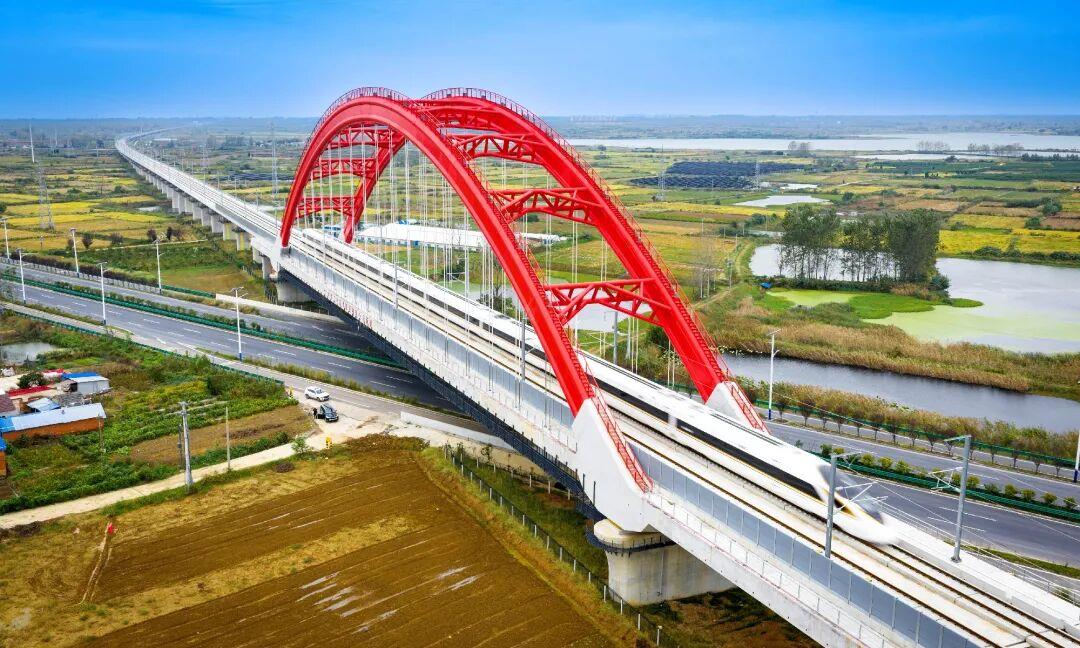
Core Viewpoint - The Hefei to Xinyi High-Speed Railway (Hefei to Suxian section) will commence operations on December 30, providing a new rapid passenger transport route between Hefei and the eastern Anhui region, thereby injecting new momentum into regional economic and social development [1][2]. Group 1: Project Overview - The Hefei to Xinyi High-Speed Railway spans approximately 335 kilometers, with a design speed of 350 km/h, and is being constructed in phases. The Hefei to Suxian section, which is set to open, covers 198 kilometers and includes five newly built stations [1][2]. - The railway crosses multiple water systems, and since the project's commencement in December 2021, the company has prioritized ecological considerations and green development throughout the planning and construction phases [1]. Group 2: Operational Details - Prior to the opening, the company conducted comprehensive testing and safety evaluations of the railway's various systems, ensuring compliance with safety and operational standards [2]. - Initially, the railway will operate up to 10 passenger trains daily, with travel times from Hefei West to the other stations ranging from 32 to 78 minutes [2]. - The pricing mechanism for tickets will be flexible and differentiated, catering to various passenger needs, with details available on the railway's official website [2]. Group 3: Economic Impact - The opening of the Hefei to Suxian section will integrate with the national high-speed rail network, enhancing the regional transportation structure and facilitating travel for local residents, which is significant for the development of the Yangtze River Economic Belt and the high-quality integration of the Yangtze River Delta [2].