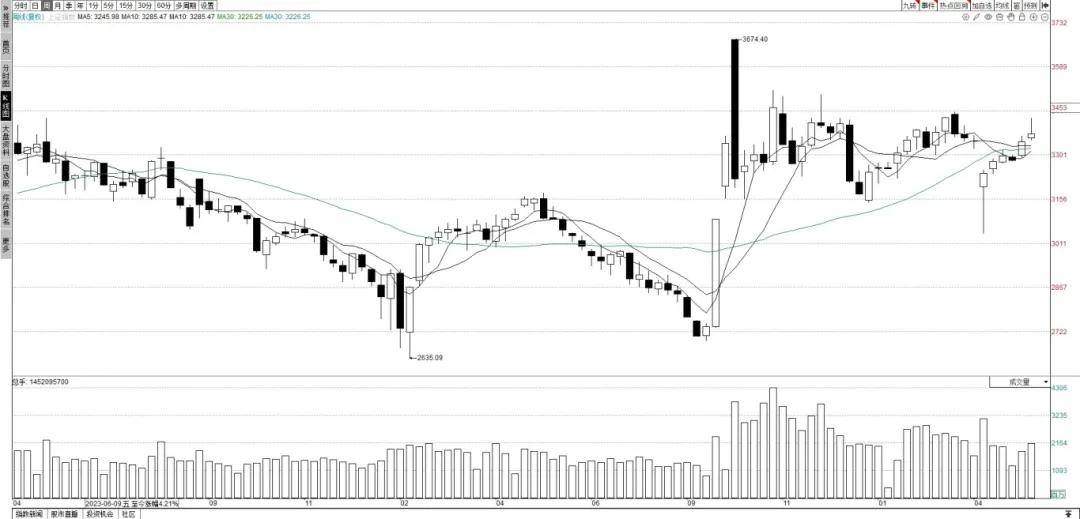
上升通道

Search documents
美境外供应紧张或更明显 银价破位近在咫尺
Jin Tou Wang· 2026-01-23 06:28
Group 1 - The global silver market has been in a structural deficit for five consecutive years, leading to a rapid depletion of physical inventories [2] - There is strong investment demand for silver ETFs, with a significant amount of silver being withdrawn and locked away, indicating a real-time supply squeeze rather than just a rise driven by safe-haven sentiment [2] - New investors appear to be driving the current silver market, while long-term holders are taking profits, resulting in noticeable selling pressure being absorbed by new buyers entering the market due to headlines and price fluctuations [2] Group 2 - The supply tightness is particularly evident outside the United States, with significant supply-demand imbalances and liquidity tightening in markets like London and Asia, reflected in the premium levels [2] - At the beginning of the year, concerns over tariffs led to a large influx of silver into New York, creating a premium in New York and a discount in London, with New York Mercantile Exchange inventories reaching approximately 530 million ounces [2] - As tariff concerns eased and demand surged from Asia, particularly India and China, the market dynamics reversed, exacerbated by ETF fund outflows from London [2] Group 3 - The current upward trend in silver prices is supported by a rising channel that began at $86.67, with the upper limit of $97.22 being breached [3] - If silver can maintain levels above $97.22, it will sustain a bullish technical outlook, with the MACD indicator showing increasing upward momentum [3] - However, the Relative Strength Index (RSI) is at 76.98, indicating an overbought condition that may limit short-term upside potential, with potential pullbacks finding support at the 200-period simple moving average at $91.47 [3]
我们按工作量分配奖金,是管理最大的谎言
Hu Xiu· 2025-07-05 06:50
Core Viewpoint - Performance evaluation is a critical issue for managers, often leading to confusion and ineffective execution due to interpersonal dynamics and historical practices within organizations [2][3][4]. Group 1: Performance Evaluation Challenges - Many managers struggle to implement performance evaluation systems effectively, often resorting to superficial compliance rather than genuine assessment [3][4]. - The historical default of high performance ratings (A) leads to a lack of meaningful differentiation among employees, complicating the evaluation process [2][3]. - Employees often misunderstand the purpose of performance evaluations, believing that presentation skills alone can secure promotions, while the reality is that a ranking system is already in place [8][9]. Group 2: HR Misunderstandings - HR departments may not fully grasp the underlying logic of performance evaluations, leading to ineffective systems that do not enhance productivity [10][11]. - The focus on punitive measures rather than constructive feedback can create resentment among employees, undermining morale and productivity [13][14]. - A more equitable approach would involve redistributing withheld funds back to teams, fostering a sense of fairness and motivation [16][17]. Group 3: Talent Assessment - Performance evaluations serve as a means to identify top talent and assess team dynamics, focusing on individual strengths and weaknesses [19][20]. - The talent grid method is recommended for assessing employee performance without their direct involvement, allowing for a more objective evaluation [21][22]. - A healthy team should regularly conduct talent assessments to ensure proper resource allocation and identify key personnel [22][24]. Group 4: Employee Categorization - Employees can be categorized into different tiers based on performance and potential, with specific strategies for development tailored to each group [24][25][26]. - The categorization includes "superstars," "potential stars," and "performance stars," each requiring different management approaches to maximize their contributions [24][25][26]. - Understanding the nuances between these categories can help management make informed decisions regarding promotions and resource allocation [37][38]. Group 5: Effective Work Sensitivity - The distinction between effective and ineffective tasks is crucial in performance evaluations, as employees may engage in tasks that do not contribute meaningfully to organizational goals [41][70]. - Employees' sensitivity to effective tasks can significantly impact their performance ratings, with those lacking this sensitivity often receiving lower evaluations [38][41]. - Managers should prioritize evaluating the completion of effective work rather than merely the volume of tasks completed [71].

大盘继续稳健小幅上涨
Sou Hu Cai Jing· 2025-05-17 01:39
Market Overview - The A-share market maintained a steady upward trend this week, with major indices experiencing a slight increase of around 1% [1] - All three major indices filled the gap from April 7, indicating a strong market sentiment [1][13] - The weekly K-line has formed an upward channel, suggesting a favorable market trajectory [1][13] Index Performance - The Shanghai Composite Index reached a high of 3417.31 points on Wednesday but closed at 3367.46 points on Friday, resulting in a weekly increase of 0.76% [2] - The Shenzhen Component Index peaked at 10418.44 points on Wednesday, closing at 10179.6 points on Friday, with a weekly increase of 0.52% [4] - The ChiNext Index hit a high of 2103.37 points on Wednesday, closing at 2039.45 points on Friday, marking a weekly increase of 1.38% [4] Sector Performance - The North Exchange (北交所) showed the strongest performance, with the North 50 Index rising by 3.13% to close at 1422.43 points, setting a new historical high [8] - Blue-chip stocks, particularly in the financial sector, led the market, with banks, insurance, and brokerage firms showing significant gains [9] - The Securities Company Index increased by 2.1%, while the Banking Index rose by 1.43%, both achieving historical highs during the week [11] Emerging Trends - The New Energy sector showed signs of recovery, with the CS Battery Index rising by 1.63% and indices related to new energy vehicles and energy storage increasing by over 3% [13] - The overall market remains robust, with all three major indices filling the April 7 gap and maintaining a strong upward trend since the beginning of the month [13]