
不公平竞争

Search documents
对中国电商平台,法国降调了,“不全关也行…”
Xin Lang Cai Jing· 2026-02-06 12:41
Core Viewpoint - The French government has adjusted its legal demands against the Chinese e-commerce platform Shein, now seeking to block only third-party seller platforms instead of a complete shutdown of the site, with a court ruling expected on March 19, 2025 [1][3]. Group 1: Legal Proceedings - The French government initially sought a complete ban on Shein's operations in France due to the sale of illegal goods, but this request was rejected by the Paris court as disproportionate [3][4]. - The current appeal requests the court to restore Shein's operations to a state where only its own brand clothing is sold, while third-party seller items are removed [1][4]. - Shein's legal team argues that the government's demands are outdated, as the problematic items have already been removed from the platform [1][4]. Group 2: Government Actions and Statements - The French government is implementing a three-month measure to block third-party seller transactions on Shein, under the supervision of the digital regulatory authority Arcom [4]. - The French Minister for Small Enterprises, Serge Papin, has made conflicting statements regarding the potential for a complete ban on Shein, indicating ongoing concerns about unfair competition [5][7]. - Papin has also proposed a new law that would allow the government to suspend online platform operations without court approval, reflecting a strong stance against Chinese e-commerce competition [5][8]. Group 3: Market Context and Competition - Shein has faced scrutiny for selling illegal items, including weapons and inappropriate dolls, leading to a joint investigation by French authorities [3][4]. - The rapid growth of Chinese e-commerce platforms like Shein and Temu has raised concerns in Western governments, prompting regulatory actions to address perceived unfair competition [9]. - The European Union plans to implement a fixed fee on small packages imported from non-EU countries, a move driven by France to counter the impact of low-cost Chinese e-commerce [8][9].


克罗地亚建筑业上调薪资,工资将增长10%
Shang Wu Bu Wang Zhan· 2026-01-20 17:21
Core Viewpoint - The construction industry in Croatia is set to increase wages by 10% starting in February, along with enhancements to tax-free benefits, in response to ongoing labor shortages and to improve worker conditions [1] Group 1: Wage Increase and Benefits - A collective agreement amendment has been signed by the Croatian Employers' Association and the construction union, mandating a 10% increase in the basic total income for all construction workers [1] - In addition to the wage increase, 15 to 20 tax-free benefits will also be enhanced [1] Group 2: Industry Challenges - Despite the mandatory nature of the agreement, some foreign and local companies are reportedly engaging in "under-the-table" transactions and reducing compensation, which undermines fair competition [1] - The president of the Employers' Association, Habijanec, criticized these practices, stating they result in an annual loss of approximately 1 billion euros to the national treasury [1] Group 3: Labor Market and Economic Impact - Currently, wages in the construction sector are 20% lower than the national average, prompting the union to advocate for better pay and stricter regulations to address labor shortages [1] - The construction industry is a vital sector for Croatia, contributing about 8% to the GDP, and the aim is to ensure its sustainable development through improved worker conditions [1]
不公平竞争!中方在WTO诉印度IT产品关税及光伏补贴措施
Di Yi Cai Jing· 2025-12-26 00:26
Core Viewpoint - China has filed a complaint against India's tariff measures on information and communication technology (ICT) products and solar photovoltaic (PV) subsidies at the World Trade Organization (WTO), claiming these measures violate multiple WTO obligations and provide unfair competitive advantages to Indian industries, harming Chinese interests [1][7]. Group 1: Tariff Measures - China's complaint is based on several WTO agreements, including the DSU, GATT, SCM Agreement, and TRIMs Agreement, regarding India's tariff treatment of certain technology products and discriminatory measures against Chinese products [3][6]. - The specific products involved include photodetector semiconductor devices, mobile phones, and machinery for manufacturing ingots or wafers, which are subject to tariffs exceeding the bound rates in India's WTO commitments [3][4]. Group 2: Solar Component Subsidy Program - India has launched a "Production-Linked Incentive Scheme" for solar PV components, aimed at boosting domestic manufacturing under the "Make in India" initiative, which started in 2014 [4][5]. - The solar component program offers cash subsidies to encourage the establishment of gigawatt-scale solar component manufacturing facilities in India, with specific eligibility criteria based on local value addition (LVA) requirements [4][5]. Group 3: Compliance Issues - China's letter indicates that India's tariff measures appear inconsistent with its obligations under GATT, particularly in providing less favorable treatment to certain Chinese-origin technology products than what is stipulated in its schedule [5][6]. - The solar component program also allegedly violates GATT, TRIMs, and SCM Agreement obligations by conditioning subsidies on the use of domestic products over imports [6].
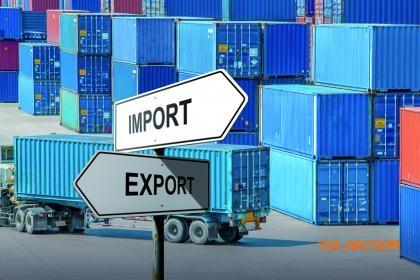
不公平竞争!中方在WTO诉印度IT产品关税及光伏补贴措施
Di Yi Cai Jing· 2025-12-24 08:36
Core Viewpoint - China has filed a complaint against India's tariff measures on information and communication technology (ICT) products and solar subsidies at the World Trade Organization (WTO), claiming these measures violate multiple WTO obligations and provide unfair competitive advantages to Indian industries, harming Chinese interests [1][4]. Group 1: Tariff Measures - China's complaint highlights that India's tariff measures exceed the bound rates specified in its WTO commitments, including an additional import tax known as the Agricultural Infrastructure and Development Cess (AIDC) [4][7]. - The affected products include photonic semiconductor devices, mobile phones, and machinery for manufacturing ingots or wafers [4]. Group 2: Solar Subsidy Program - The Indian "Production-Linked Incentive Scheme: National Program for High-Efficiency Solar Photovoltaic Modules" aims to boost domestic manufacturing and innovation, which China argues discriminates against imported products [4][5]. - The solar subsidy program offers cash incentives for establishing gigawatt-scale solar module manufacturing facilities in India, with specific local value addition (LVA) requirements [5][6]. - The program is structured in phases, with the second phase prioritizing fully integrated solar module manufacturing units [5]. Group 3: WTO Compliance Issues - China's complaint asserts that India's measures violate GATT obligations by providing less favorable treatment to certain Chinese-origin technology products than what is stipulated in India's schedule [7]. - The solar subsidy program is also claimed to contravene SCM and TRIMs agreements by conditioning subsidies on the use of domestic products over imports [8]. - China reserves the right to present additional claims and facts during the consultation process and any future requests for expert panels [8]. Group 4: Next Steps - China expects a response from India and aims to agree on a convenient date for consultations [9]. - This action follows China's previous complaint regarding India's electric vehicle and battery subsidy measures, reinforcing its commitment to protecting domestic industry rights [9].
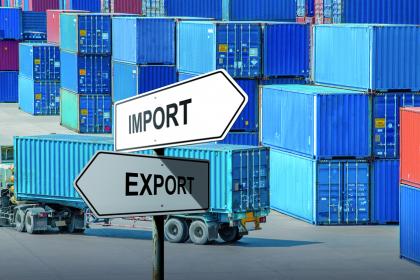
法航荷航CEO:跟中国比,我们处于劣势
Guan Cha Zhe Wang· 2025-10-21 02:03
Core Viewpoint - The CEOs of Air France-KLM and Lufthansa express concerns over unfair competition faced by European airlines due to restrictions on flying over Russian airspace, which increases flight times and operational costs compared to Chinese competitors who do not face such limitations [1][3][4]. Group 1: Competition and Operational Challenges - European airlines, particularly those in Western Europe, are at a competitive disadvantage when flying to Asia, as they must avoid Russian airspace, resulting in an additional 2 to 2.5 hours of flight time [1][4]. - The additional flight time leads to increased operational costs that European airlines must bear, while passengers are less willing to endure longer flights, further impacting competitiveness against Chinese airlines [1][4]. - The CEOs argue that the current situation effectively provides Chinese airlines with an advantage in entering the European market [1]. Group 2: Regulatory and Geopolitical Context - The CEOs call for European authorities to take action similar to the U.S. government's proposed ban on airlines flying over Russian airspace, emphasizing the need for a fair competitive environment [3][4]. - They highlight that non-EU airlines often do not face the same regulatory and tax burdens as EU carriers, allowing them to expand in the European market without restrictions [3][4]. - The geopolitical landscape, particularly following the Russia-Ukraine conflict, has led to significant operational challenges for Western airlines, while Chinese airlines continue to benefit from shorter routes through Russian airspace [4][5]. Group 3: Market Dynamics - Data from Cirium indicates that by the end of last year, Chinese airlines accounted for approximately 75% of the seat capacity for flights between Germany and France, and are expected to dominate routes to Italy and the UK [5]. - Previous complaints from Western airlines regarding "unfair competition" have been noted, with calls for government intervention to limit the number of flights from Chinese carriers to Europe [5]. - The U.S. government's threats to restrict Chinese airlines from flying over Russian airspace are seen as a response to perceived disadvantages faced by American carriers [5].
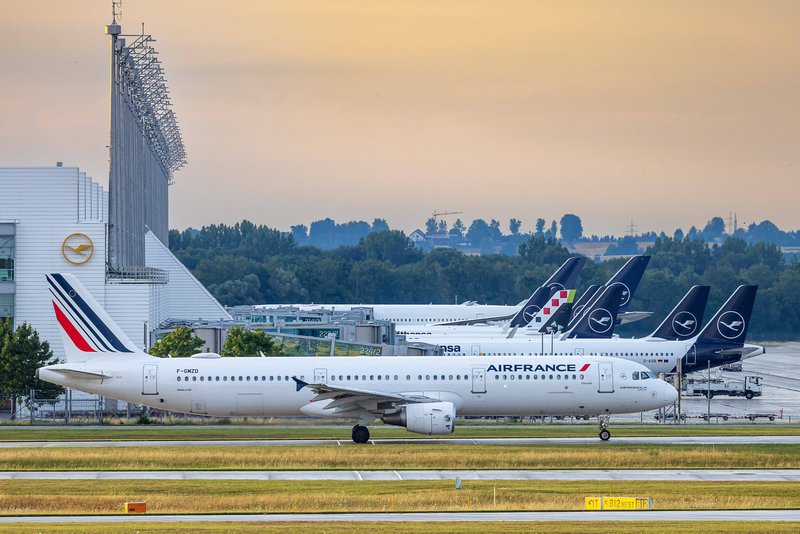
美国又想昏招:往返美国的中国航班,禁飞俄领空
Guan Cha Zhe Wang· 2025-10-10 00:59
Core Viewpoint - The U.S. government is threatening to prohibit Chinese airlines from flying over Russian airspace on routes to and from the U.S., claiming that this policy creates an unfair competitive advantage for Chinese carriers over American airlines [1][4]. Group 1: U.S. Government Actions - The U.S. Department of Transportation announced a proposed order to ban Chinese airlines from using Russian airspace, citing that the current situation puts American airlines at a competitive disadvantage [1]. - The U.S. government has given Chinese airlines two days to respond to this proposed order, with the final decision potentially taking effect as early as November [1]. Group 2: Impact on Airlines - The proposed ban could affect flights operated by major Chinese airlines such as Air China, China Eastern Airlines, China Southern Airlines, and Xiamen Airlines [1]. - American airlines have reported that the inability to fly over Russian airspace increases operational costs, making direct flights from the U.S. East Coast to China economically unfeasible [3][4]. Group 3: Competitive Landscape - Since the outbreak of the Russia-Ukraine conflict, Russian authorities have banned U.S. airlines from its airspace, leading to longer flight times and higher fuel costs for American carriers [3]. - Chinese airlines continue to benefit from shorter flight routes over Russian airspace, which reduces fuel consumption and operational costs compared to their Western counterparts [3][4]. Group 4: International Reactions - European airlines, particularly Air France-KLM and Lufthansa, are also lobbying their governments to impose restrictions on Chinese airlines, citing "unfair competition" [5][6]. - The U.S. airline industry has estimated that American carriers lose approximately $2 billion annually due to the competitive disadvantages created by the current airspace restrictions [4].

墨西哥监管机构点名亚马逊(AMZN.US)、MercadoLibre(MELI.US)涉嫌不公平竞争
智通财经网· 2025-09-15 13:39
Core Viewpoint - The Mexican Federal Economic Competition Commission (COFECE) concluded that Amazon and MercadoLibre create significant competitive barriers for third-party sellers on their platforms [1] Group 1: Competitive Barriers - COFECE identified a lack of transparency in how Amazon and MercadoLibre select recommended products, disadvantaging other sellers [1] - The investigation revealed that both companies provide higher visibility to sellers using their own logistics services, which is seen as a major disadvantage for others [1] Group 2: Market Share - Amazon and MercadoLibre together account for over 85% of the total online sales in Mexico [1] Group 3: Regulatory Response - Currently, neither Amazon nor MercadoLibre has faced regulatory penalties from COFECE [1] - Amazon's legal counsel welcomed COFECE's decision not to take corrective measures, highlighting the competitiveness of the Mexican retail sector and the absence of competitive barriers [1]


Mexican watchdog cites Amazon and MercadoLibre for unfair competition practices (AMZN:NASDAQ)
Seeking Alpha· 2025-09-15 11:58
Core Insights - Mexico's Federal Economic Competition Commission (Cofece) has identified that both Amazon and MercadoLibre create significant barriers to competition for third-party sellers on their platforms [2] - Cofece's findings indicate a lack of transparency from these e-commerce companies, which affects the competitive landscape in Mexico [2]

数十万枚进口乌克兰鸡蛋出问题,法国商超被批“双标”
Huan Qiu Shi Bao· 2025-09-01 22:55
Core Points - The French National Egg Industry Association (CNPO) has revealed that several large supermarkets in France are allegedly importing hundreds of thousands of Ukrainian eggs that do not meet European and French standards, urging public authorities to enhance compliance checks to protect consumer health [1] - CNPO has identified that these imported eggs, labeled as "code 3" (caged eggs), may contain substances banned by the EU, posing a threat to local producers and their long-term investments [1] - The CNPO criticized the involved supermarkets for double standards, as they require local producers to reduce the proportion of caged eggs while allowing the import of similar Ukrainian products [1] Industry Summary - The CNPO highlighted two main issues with the Ukrainian eggs: non-compliance with the French egg industry's gender identification protocol, which is crucial for animal welfare, and violations of EU antibiotic usage regulations, with some banned antibiotics prohibited for over 15 years [1] - In response to the allegations, Tesco acknowledged operational issues at one of its stores, labeling it an "isolated incident," and stated that the relevant products have been removed from shelves [2] - Since the beginning of the year, the consumption of eggs in France has increased by 5% year-on-year, driven by inflation and the demand for eggs as a cost-effective source of animal protein, leading to temporary shortages in some supermarkets [2]
Reddit起诉Anthropic,指控对方违反内容协议、且“不公平竞争”。
news flash· 2025-06-04 17:39
Group 1 - Reddit has filed a lawsuit against Anthropic, accusing the company of violating content agreements and engaging in "unfair competition" [1]