业务瘦身

Search documents
卖零食品牌Graze 联合利华食品业务再瘦身
Bei Jing Shang Bao· 2025-12-04 02:12
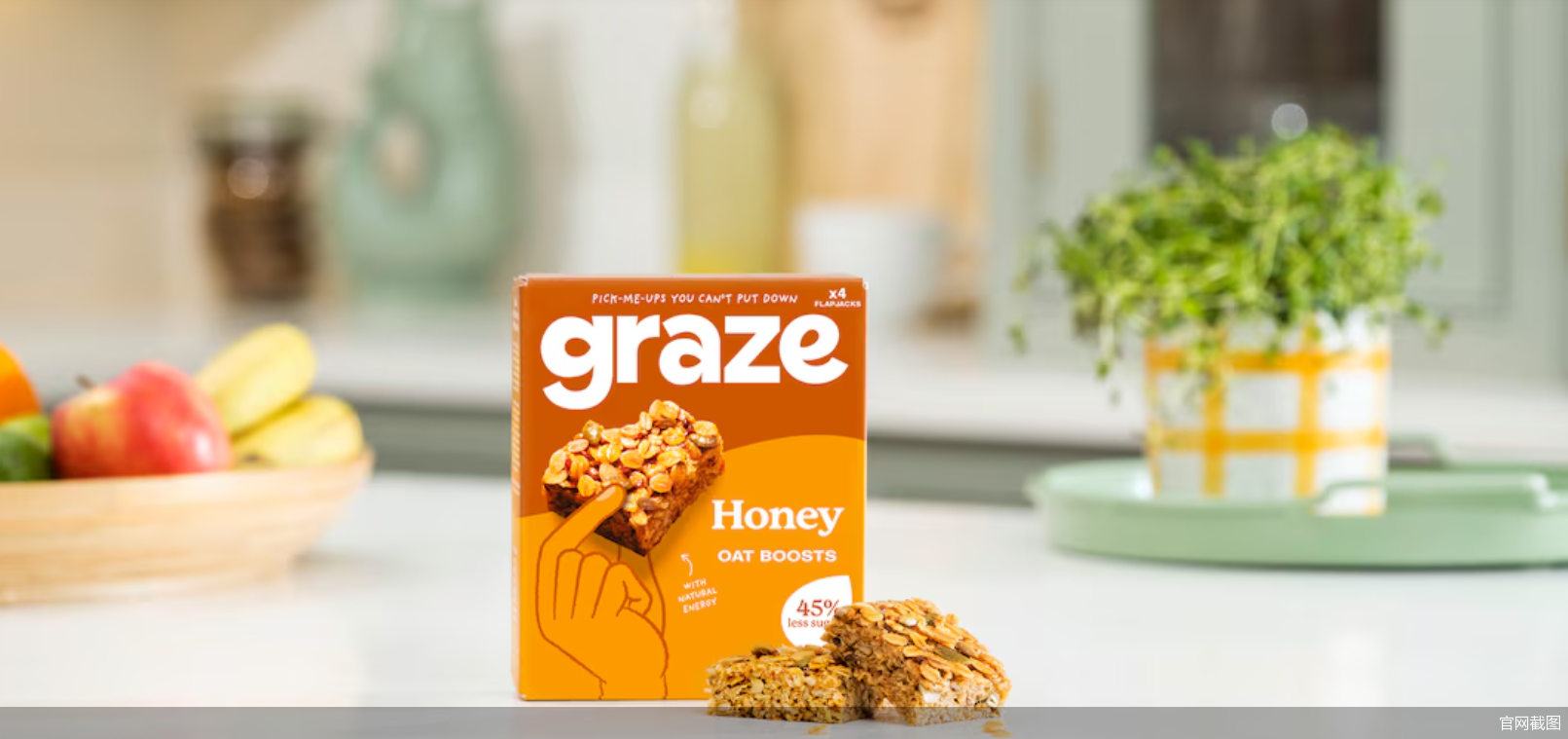
Core Viewpoint - Unilever has announced the sale of its health snack brand Graze to Katjes International, marking a strategic shift under new CEO Fernando Fernandez towards higher-margin beauty, personal care, and health products [1][2]. Group 1: Transaction Details - Unilever signed an agreement to sell Graze, with the transaction expected to be completed in the first half of 2026 [1]. - Graze, founded in 2008, was acquired by Unilever in 2019 for approximately £150 million, but has since struggled to meet growth expectations [1]. - Graze's revenue declined by 9.9% year-on-year to £35.6 million in 2024, significantly lower than the £55.9 million reported before Unilever's acquisition [1]. Group 2: Strategic Shift - The sale of Graze is part of a broader strategy by Unilever to focus on more profitable categories, continuing a trend initiated by the previous CEO [2]. - Unilever has made several adjustments in its food sector, including the divestiture of its ice cream business and plans to dispose of nearly €8 billion in food operations [2]. - The company has accelerated its "slimming" strategy, with multiple divestitures planned through 2025, including the sale of its Knorr pasta sauce business and The Vegetarian Butcher brand [2]. Group 3: Financial Performance - Unilever's financial performance has been underwhelming, with sales of €59.6 billion in 2023, a decrease of 0.8%, and net profit down 13.7% to €7.1 billion [3]. - In 2024, sales increased by 1.9% to €60.8 billion, but net profit fell by 10.8% to €6.4 billion [3]. - The first three quarters of 2025 saw sales of €44.8 billion, marking a 3.3% decline year-on-year, the first negative growth in three years [3].
出售零食品牌Graze,联合利华食品业务再瘦身
Bei Jing Shang Bao· 2025-12-03 12:16
Core Insights - Unilever has officially announced the sale of its health snack brand Graze to Katjes International, with the deal expected to be completed by mid-2026 [2] - The sale is part of a strategic shift under new CEO Fernando Fernandez, focusing on higher-margin beauty, personal care, and health products [3] Group 1: Company Strategy - The divestment of Graze aligns with Unilever's broader strategy to streamline its portfolio, having previously announced the sale of its ice cream business and plans to dispose of nearly €8 billion in food operations [3] - Unilever's recent actions include selling its Italian pasta sauce retail business and the vegetarian brand The Vegetarian Butcher, indicating a trend towards reducing its food segment [3] Group 2: Financial Performance - Unilever's financial performance has been declining, with 2023 sales at €59.6 billion, a decrease of 0.8%, and net profit down 13.7% to €7.1 billion [4] - In 2024, sales increased slightly to €60.8 billion, a 1.9% rise, but net profit fell to €6.4 billion, down 10.8% [4] - The first three quarters of 2025 saw sales of €44.8 billion, marking a 3.3% decline, the first negative growth in three years [4] Group 3: Market Challenges - The sale of non-core businesses is seen as a way for Unilever to quickly raise funds and focus on high-margin areas, which is essential for long-term growth [4] - However, the company faces challenges such as potential market confidence issues, internal management complexities, and the competitive nature of the beauty and health markets [4]


因为办公室恋情,雀巢解雇CEO
Hu Xiu· 2025-09-02 02:42
Core Viewpoint - Nestlé's CEO Laurent Freixe was dismissed after one year due to an undisclosed romantic relationship, with Philipp Navratil appointed as his successor [2][5]. Company Overview - Laurent Freixe joined Nestlé in 1986 and held various leadership roles, including CEO of the Americas and Latin America [2][3]. - The company has a diverse portfolio, including coffee, confectionery, and pet care, with total assets amounting to 191 billion Swiss francs (approximately 238.6 billion USD) [7]. Leadership Changes - The dismissal of Freixe comes amid ongoing internal complaints and an investigation into his personal conduct [4][5]. - Paul Bulcke, Nestlé's chairman, emphasized the decision was necessary to uphold the company's values and governance [6]. Financial Performance - Nestlé's stock price has declined over 40% since reaching a peak of 127 Swiss francs in 2022 [8]. - The company reported sales of 44.23 billion Swiss francs (approximately 39.34 billion RMB) in the first half of the year, with organic growth of 2.9%, but actual internal growth fell by 0.4% due to consumer resistance to price increases [10]. Strategic Focus - Freixe aimed to refocus Nestlé on its core business, moving away from previous strategies that expanded into health products, which he believed weakened the organizational structure [3][11]. - The company is undergoing a strategic review of its vitamin, mineral, and supplement brands, which were part of a previous acquisition spree [11][12]. Industry Context - Similar restructuring efforts are observed among other consumer goods giants like Unilever and Reckitt, which are divesting underperforming brands to focus on higher-margin categories [12].