中国企业全球化战略

Search documents
君智谢伟山荣登福布斯TOP100华人精英榜,探讨中国企业全球化战略新路径
Sou Hu Cai Jing· 2026-02-09 16:22
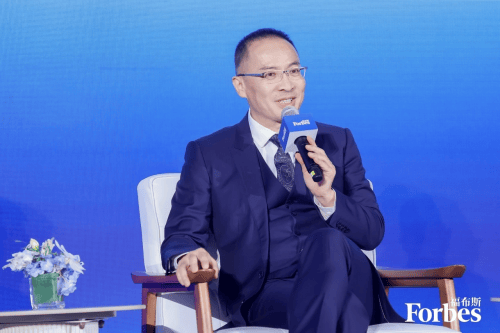
Core Insights - The 2025 Forbes China Most Influential Chinese Elites Top 100 list has been announced, featuring Xie Weishan, Chairman of Junzhi Consulting, as the only representative from the strategic consulting sector in China [1] - Xie Weishan shares the honor with industry leaders such as Jack Ma, Chairman of Alibaba, and Xu Min, Chairman of Procter & Gamble Greater China [1] - Xie was invited to attend the award ceremony and participated in a roundtable discussion titled "Cooperation and Competition: The Global Strategic Map of Chinese Enterprises," focusing on strategic innovation and practical paths for Chinese companies in the globalization process [1]

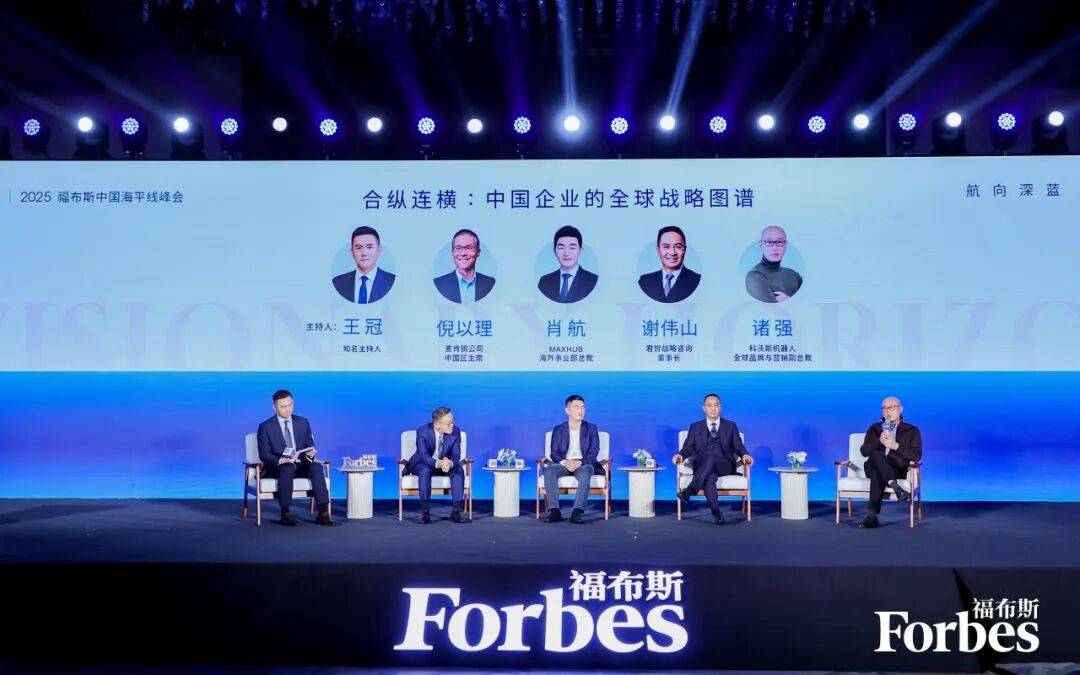
活动 | 2025福布斯中国海平线峰会——合纵连横:中国企业的全球战略图谱
Sou Hu Cai Jing· 2025-11-11 19:29
Core Insights - The article discusses how Chinese companies can develop a global strategy amidst significant geopolitical changes, transitioning from "going out" to "integrating in" [1] Group 1: Global Strategy Development - The roundtable at the 2025 Forbes China Horizon Summit featured insights from industry leaders on the evolving global strategy of Chinese enterprises [3] - Companies must deeply integrate into local communities and understand local government policies to succeed in foreign markets [3][4] - The concept of "In your country for your country" emphasizes the need for Chinese companies to adapt their structures to align with global trends [4] Group 2: Combining Chinese Wisdom with Western Management - The integration of Chinese strategic thinking with Western management practices can provide a new foundation for globalization [6] - Chinese wisdom emphasizes harmony and emotional connections, which can enhance flexibility in dynamic market environments [6] - Successful global strategies should leverage both Chinese and Western strengths to navigate complex challenges [6] Group 3: Balancing Standardization and Localization - MAXHUB's approach to globalization involves phased strategies, focusing on local market needs while maintaining standardization for efficiency [9] - Localized teams are crucial for understanding market demands and addressing specific consumer pain points [9] - Continuous investment in R&D is essential for transforming from "Made in China" to "Created in China" [10] Group 4: Navigating Geopolitical Challenges - The rise of global protectionism necessitates that Chinese companies adjust their strategies when entering markets like Europe and the U.S. [10] - Building local partnerships and understanding cultural nuances are vital for long-term success in foreign markets [10][12] Group 5: Creating a Win-Win Ecosystem - The concept of "co-win" is central to MAXHUB's overseas business strategy, focusing on creating real value for local partners [13] - Cultural exchanges and collaborations with international partners enhance understanding and strengthen the global position of Chinese brands [13][14] - Differentiated communication strategies are essential for resonating with diverse cultural markets [14]


非洲淘“铜”记:为新能源寻找全球支点
Tai Mei Ti A P P· 2025-10-29 07:16
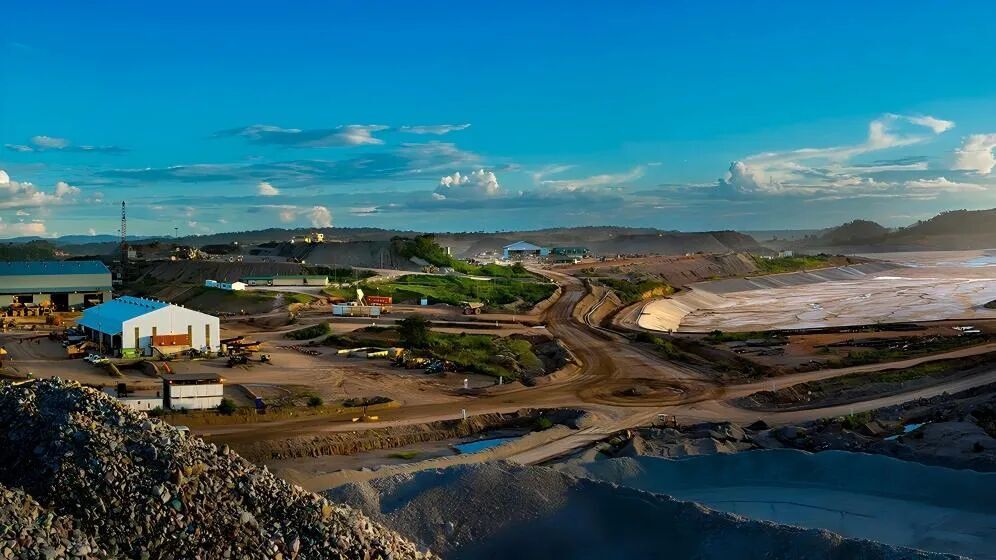
Core Insights - Luoyang Molybdenum Co. plans to invest $1.084 billion in the KFM Phase II project in the Democratic Republic of Congo, aiming to enhance copper production amid global supply shortages [1][5] - The project is strategically significant, reflecting the evolution of Chinese enterprises' globalization strategies [1][5] Project Overview - The KFM Phase II project builds on the success of Phase I and is a well-validated strategic decision [2] - The project will increase ore processing capacity by 7.26 million tons per year and is expected to produce an additional 100,000 tons of copper annually upon completion in 2027 [4] - The investment breakdown includes $859 million for engineering costs, $109 million for other construction expenses, and $116 million for contingency funds, showcasing meticulous project management [4] Financial Support - Luoyang Molybdenum reported a net profit of approximately 14.28 billion yuan for the first three quarters of 2025, a 72.61% increase year-on-year, providing a solid financial foundation for this investment [5] - The increase in profits is attributed to rising prices and sales of key products, including copper, cobalt, and other minerals [5] Global Significance - The International Energy Agency predicts that the market for critical minerals will quadruple by 2030, with copper demand expected to grow rapidly due to electrification [5] - The KFM Phase II project will play a crucial role in alleviating future copper supply constraints and will also provide essential raw materials for the global battery industry [5] Global Strategy - Luoyang Molybdenum's internationalization reflects a broader trend of Chinese companies expanding overseas, with significant investments in the DRC, including the Tenke Fungurume mine [6][8] - The company has diversified its portfolio to include various metals, enhancing its resilience against market fluctuations [9] Challenges and Opportunities - The rise of resource nationalism poses challenges for international mining companies, including increased taxes and local processing requirements [11][12] - Chinese companies, including Luoyang Molybdenum, have unique advantages in navigating these challenges by integrating resource development with infrastructure projects [13][14] - The company emphasizes local engagement, community development, and balancing interests among stakeholders to ensure stable operations [15][16]