中国消费升级

Search documents
从离境退税激增看中国消费磁吸力
Sou Hu Cai Jing· 2026-01-28 10:53
Group 1 - The core viewpoint of the articles highlights a significant increase in outbound tax refund activities for foreign travelers in China, with a 305% year-on-year surge in the number of travelers, a 95.9% increase in sales of refundable goods, and a 95.8% rise in tax refunds by 2025 [1][2][3] - The optimization of the outbound tax refund policy is aimed at enhancing the experience for foreign tourists, making it easier for them to enjoy shopping and stimulating inbound consumption [1][2] - Technological innovations, such as the introduction of a mobile platform for tax refunds and an increase in centralized refund points, are key drivers of the growth in traveler numbers [1][2] Group 2 - Beijing has implemented measures to create a friendly consumption environment for foreign tourists, including widespread acceptance of foreign cards and numerous refund service points [2] - The domestic tourism market is also thriving, with a 16.2% year-on-year increase in domestic travel, contributing to a robust macro consumption market that supports inbound consumption [2] - The growth in outbound tax refunds reflects a broader trend of China evolving from a production center to an attractive consumer destination, driven by modern commercial practices [3]


从《疯狂动物城2》看懂中国大市场的“深意”
Sou Hu Cai Jing· 2026-01-27 06:16
Core Insights - The success of "Zootopia 2" highlights the consumption enthusiasm and potential of China's third and fourth-tier cities, challenging traditional Western perceptions of Chinese consumer behavior [2][3] - The film's box office performance indicates a balanced and healthy economic development in China, with 42% of its revenue coming from lower-tier cities, showcasing the expanding cultural consumption beyond major urban areas [2][4] - The evolving consumer demand in China reflects a shift from basic material needs to a focus on high-quality and emotionally resonant experiences, indicating a significant transformation in consumer behavior [4][5] Group 1 - "Zootopia 2" has become Disney's highest-grossing film, largely attributed to its performance in China, particularly in smaller cities [2] - The film's success demonstrates the deepening collaboration between local Chinese brands and Disney, enhancing market growth beyond just box office revenue [3] - The performance of "Zootopia 2" serves as a counterargument to narratives of consumption downgrade or market fatigue in China, revealing a profound evolution in consumer preferences [4] Group 2 - The internal market in China is rich and diverse, providing structural resilience for domestic circulation and better positioning in international markets [5] - The success in third and fourth-tier cities emphasizes the need for supply-side innovation to address domestic demand and consumption gaps [5] - The aspirations of over 1.4 billion Chinese people for a better life create vast opportunities for personalized and high-quality products and services [5]

社评:从《疯狂动物城2》看懂中国大市场的“深意”
Xin Lang Cai Jing· 2026-01-26 15:53
Core Insights - The success of "Zootopia 2" highlights the consumption enthusiasm and potential of China's lower-tier cities, challenging traditional Western perceptions of Chinese consumer behavior [1][2] - The film's box office performance indicates a balanced and healthy economic development in China, with 42% of its revenue coming from third and fourth-tier cities, showcasing the expanding cultural consumption beyond major urban centers [2][4] Group 1: Market Dynamics - The film's box office success is a reflection of a significant shift in consumer demand in China, moving from basic material needs to a focus on high-quality and emotionally resonant experiences [4][5] - The collaboration between local brands and Disney's IP demonstrates a two-way commercial engagement, enhancing both domestic and international market opportunities [3][4] Group 2: Economic Implications - The performance of "Zootopia 2" serves as a counterargument to narratives of "consumption downgrade" or "market fatigue," indicating a robust internal market with substantial growth potential [4][5] - The evolving consumer landscape in China, characterized by a demand for personalized and high-quality products, is crucial for sustaining economic resilience and participating in global value chains [3][4]
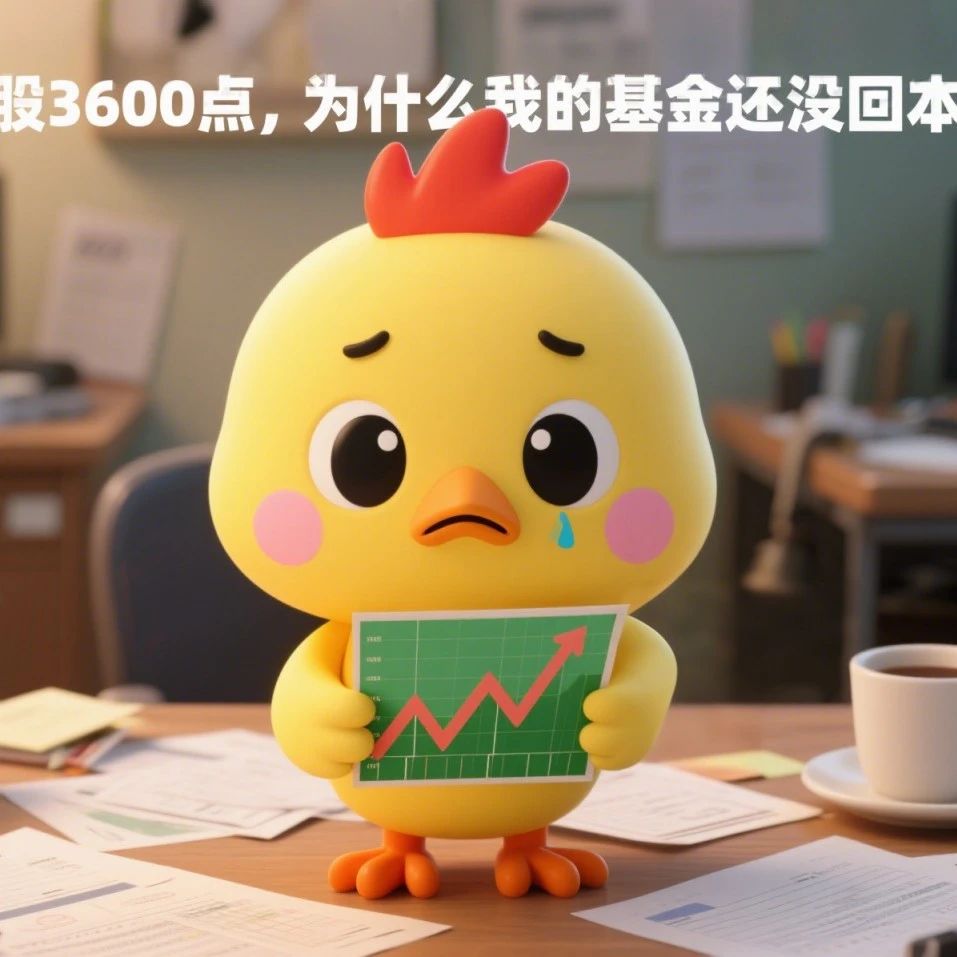
A股3600点,为什么我的基金还没回本?
天天基金网· 2025-08-09 09:00
Core Viewpoint - The article discusses the phenomenon of "earning the index but not making money," highlighting the structural divergence in the market where overall indices may rise while specific sectors or funds lag behind [3][4]. Group 1: Market Dynamics - The market has experienced a structural divergence, where the overall index may rise, but specific sectors or funds may not perform similarly, leading to a situation where investors feel they are not benefiting despite market gains [3]. - Even with a market rebound, those who bought at high points (e.g., late 2020 or early 2021) may find that the current rebound is insufficient to cover their previous losses [4]. - Fund managers may temporarily underperform due to their investment strategies not aligning with current market trends, which does not necessarily indicate a failure of their strategies [5]. Group 2: Investment Strategies - Investors are encouraged to understand their holdings, the reasons for underperformance, and the reliability of the fund manager's logic before making decisions [8]. - If the long-term logic remains sound, such as trends in Chinese consumption upgrades or technological innovation, current downturns may be viewed as valuation corrections rather than fundamental failures [8]. - For those who bought at high points, a longer recovery period is expected, and strategies like dollar-cost averaging through regular investments can help mitigate losses [8]. Group 3: Actionable Steps - The article suggests three steps to overcome the challenge of "earning the index but not making money," emphasizing the importance of understanding one's investments and the market context [6]. - It highlights the use of intelligent investment tools, such as the "Smart Investment" feature in the app, which aids in managing investments more effectively by optimizing buying and selling strategies [10]. - The article advocates for a disciplined approach to investing, focusing on long-term value and resisting the urge to sell during downturns [14]. Group 4: Mindset and Patience - Investors are reminded that investment is a long-term endeavor, requiring patience and discipline to navigate market fluctuations [14]. - It emphasizes the importance of focusing on individual investment logic and plans rather than comparing oneself to others, as each investor's situation is unique [15]. - The article concludes with a message of resilience, suggesting that current struggles may ultimately strengthen an investor's ability to face future market challenges [15].