
交通+文旅融合

Search documents
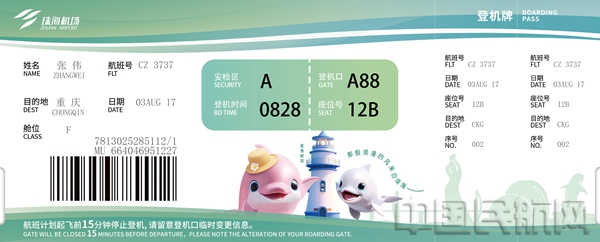
珠海机场启用白海豚主题盲盒登机牌 城市IP赋能出行新体验
Zhong Guo Min Hang Wang· 2026-02-06 13:45
Core Viewpoint - The introduction of six new boarding passes themed around the Chinese white dolphin at Zhuhai Airport aims to enhance the airport's cultural and practical value, promoting Zhuhai as a romantic and happy city while integrating travel and cultural tourism [1][2][3] Group 1: Cultural Significance - The Chinese white dolphin, a national first-class protected animal, has been designated as Zhuhai's city mascot, symbolizing ecological friendliness and vibrant openness [2] - The new boarding passes feature designs that incorporate the white dolphin alongside iconic landmarks such as the Hong Kong-Zhuhai-Macao Bridge and the Sun Moon Bay, reflecting Zhuhai's marine ecological beauty and cultural characteristics [2] Group 2: Practical Enhancements - The new boarding passes have been optimized for practicality, with key information such as boarding gate, boarding time, and seat number presented in a larger font for better readability, particularly benefiting elderly and first-time travelers [2] - Both manual check-in counters and self-service check-in machines will offer the "blind box" experience, ensuring all travelers can participate in this surprise element [2] Group 3: Brand Development - The launch of the themed boarding passes is a significant step in Zhuhai Airport's strategy to deepen the integration of transportation and cultural tourism, embodying the brand essence of "Zhuhai Airport · Happy Flying" [2] - This initiative aims to create a full-chain IP experience, allowing travelers to take memorable photos with the themed boarding passes alongside airport sculptures and light boxes, enhancing the travel experience [2][3]

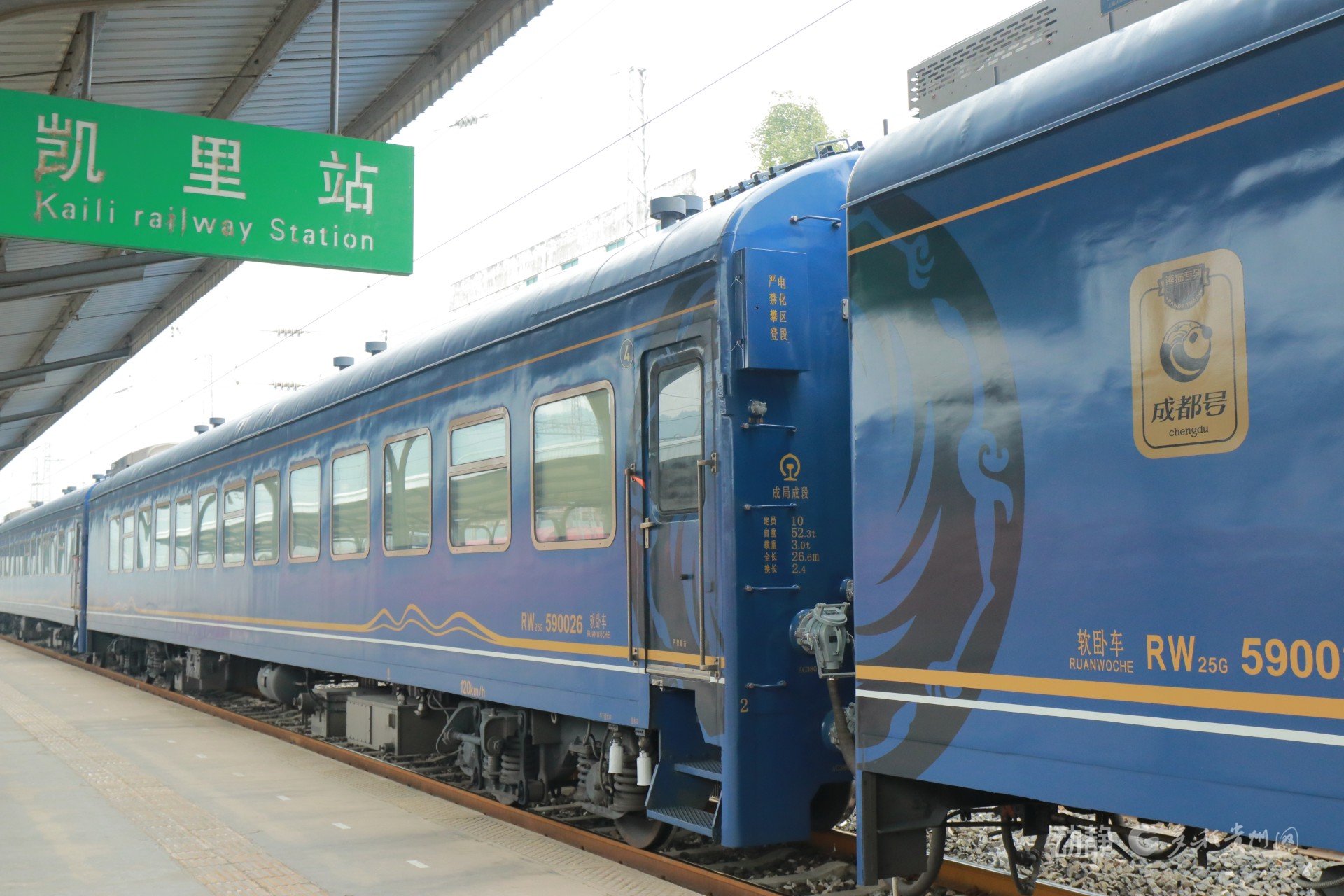
“熊猫专列”驶入苗乡侗寨
Xin Lang Cai Jing· 2026-01-17 12:37
Core Viewpoint - The "Panda Special Train" serves as a significant platform for promoting the unique culture and natural beauty of the Miao and Dong ethnic groups in Guizhou, enhancing cultural exchange and tourism experiences [12]. Group 1: Train Journey and Passenger Experience - On January 15, the "Panda Special Train" from Langzhong, Sichuan, arrived in Qiandongnan Miao and Dong Autonomous Prefecture, carrying 93 passengers eager to experience local culture and scenery [1]. - The train journey continued on January 16, with passengers departing from Kaili Station to Chongqing, showcasing the integration of transportation and cultural tourism [4]. Group 2: Station Services and Enhancements - Kaili Station implemented thorough safety measures and service enhancements, including regular inspections and dedicated ticketing and security channels to ensure a smooth travel experience for passengers [3]. - An ecological art waiting hall was created in collaboration with local art institutions, featuring murals that depict Miao and Dong cultural scenes, transforming the station into a vibrant cultural space [6]. Group 3: Cultural Promotion and Engagement - The station's cultural wall, designed with traditional motifs, became a focal point for passengers, allowing them to create lasting memories of their journey [8]. - The "Panda Special Train" not only offers scenic travel but also facilitates a deeper cultural encounter, allowing travelers to appreciate the diversity and richness of Chinese ethnic cultures [10].
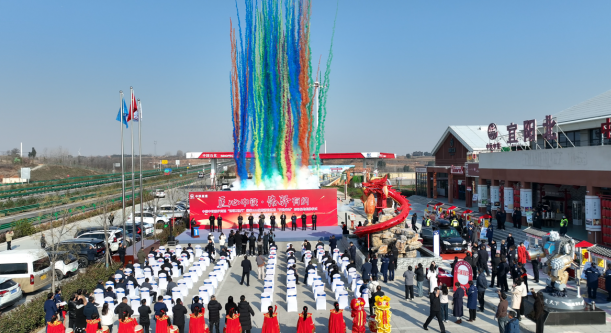
高速服务区“变形记”:从过路驿站到文旅新地标——中国中铁探索交旅融合路衍经济激活高速公路增量价值
Jing Ji Wang· 2026-01-13 09:48
Core Viewpoint - The transformation of highway service areas in China is evolving from a singular function of "fueling and restroom" to becoming AAA-rated tourist attractions, educational bases, and rural revitalization exhibition windows, indicating a significant shift towards "transportation + cultural tourism" integration [1][4]. Group 1: Industry Challenges - As of the end of 2024, China's total highway mileage is projected to reach 191,000 kilometers, covering over 99% of cities with populations exceeding 200,000 [4]. - The growth of toll revenue is facing challenges due to the deepening of electric vehicle incentives and the promotion of "road-to-rail" and "road-to-water" policies [4]. - The self-driving tourism market is booming, with 3.6 billion domestic self-driving trips recorded in 2023, accounting for 73.6% of total travel, and expected to rise to 78% by 2025 [4]. Group 2: Service Area Transformation - The Yiyang North Service Area has become the first in Henan to receive dual certification as an "AAA scenic area + research base," showcasing a successful transformation from a rest stop to a popular destination [5]. - The service area features a 3,000 square meter "Luoyang Z Generation Scenic Area," integrating cultural elements and immersive experiences to attract younger visitors [5]. - The establishment of the first highway service area research base in the province includes a rural revitalization product exhibition area and non-heritage workshops, enhancing educational engagement [5]. Group 3: Economic Impact - The service area has set up a special section for local agricultural products, boosting sales in surrounding towns by 50% and helping over 30 types of local specialties reach broader markets [8]. - The integration of ecological and cultural resources aims to shift the economic model from "transit economy" to "stay economy," enhancing the overall value of highway service areas [8]. Group 4: Innovative Business Model - The New Yi Highway is a model of "investment, construction, and operation integration," managed by China Railway and Henan Transportation Investment, demonstrating effective collaboration between state-owned enterprises and local governments [9]. - The project has received excellent government performance evaluations and has been recognized as a model for the province's "Double Thousand Project" [9]. Group 5: Future Directions - The success of the Yiyang North Service Area aligns with national policy directions and market demand changes, emphasizing the need for highway service areas to evolve into tourism distribution centers [10][11]. - The focus on young demographics and family units, along with a light asset-heavy operation model, has led to a 30.9% higher average spending compared to regular visitors [11]. - Future plans include deepening the integration of "transportation + culture + tourism" and expanding the curriculum and industry chain associated with the service area [12].

跨年的仪式感拉满了
Xin Lang Cai Jing· 2026-01-03 05:55
Group 1: Cultural and Tourism Activities - Unique cultural activities were held in Guizhou and Zhejiang, showcasing local traditions and attracting tourists for a distinctive New Year experience [3] - In Guizhou, over 800 non-heritage craft vendors participated in a market, offering various cultural products and experiences [3] - In Zhejiang, traditional games and local cuisine were featured, enhancing the cultural immersion for visitors [3] Group 2: Technological Integration in Tourism - The integration of technology in tourism has created new experiences, such as a 14-meter tall light installation in Ningxia and interactive AR features [4] - Robots were actively engaged in retail services, significantly reducing customer wait times in Suzhou [4][5] - Mechanical dogs designed for snowy conditions became popular attractions in Harbin, enhancing the winter tourism experience [5] Group 3: Transportation and Travel Trends - China's high-speed rail network has surpassed 50,000 kilometers, facilitating increased travel during the New Year holiday [6] - Popular travel routes included major cities like Beijing, Shanghai, and Guangzhou, with a high occupancy rate of 90% on special holiday trains [6] - The expansion of visa-free travel for Chinese citizens to Turkey has made it easier for tourists to visit, with the first flights arriving on the day the policy took effect [7] Group 4: Incentives for Consumer Spending - A pilot program for prize-linked receipts will be launched in about 50 cities, encouraging consumer spending in retail, dining, and tourism sectors [8] - The program allows consumers to win up to 800 yuan for eligible receipts, aiming to stimulate economic activity [8]

吉林高速“交通+文旅”融合发展样本观察
Xin Hua Wang· 2025-11-01 03:13
Core Insights - The integration of transportation and cultural tourism in Jilin Province is exemplified by the unique experiences offered at highway service areas, transforming them into cultural and culinary hubs for travelers [1][7][12] Group 1: Service Area Developments - Jilin Province's highway service areas are strategically positioned to promote local culture and tourism, with each area having its own distinct brand and offerings [3][11] - The "吉行高速" App serves as a digital platform for promoting tourism, providing features such as scenic spot recommendations, ticket sales, and dining suggestions, enhancing the travel experience [4][6] - The construction of new access points, such as the 拉法山收费站, facilitates easier access to nearby attractions, increasing visitor flow and enhancing the service area's role in tourism [8][11] Group 2: Economic Impact - The development of themed service areas not only enriches the tourist experience but also stimulates local economies by increasing consumer spending in dining, lodging, and shopping [11][15] - Strategic partnerships between the Jilin Highway Group and local governments aim to leverage transportation infrastructure to boost regional economic development through tourism [12][14] - The introduction of local specialty products in service areas, such as ginseng and blueberries, capitalizes on highway traffic to promote regional goods, fostering a cycle of cultural and economic growth [5][15]


“太湖揽胜”水上旅游再添两条新航线
Xin Hua Ri Bao· 2025-10-02 20:53
Core Viewpoint - The launch of two new tourist routes on Taihu Lake aims to enhance the integration of transportation and cultural tourism, promoting the "Water Charm Jiangsu" brand [1] Group 1: New Tourist Routes - The new routes include "Taihu Yuantouzhai - Lingshan Scenic Area" (Mashan Line) and "Wuxi Guanshe Mountain Villa - Suzhou Dongshan" (Dongshan Line) [1] - The Mashan Line covers approximately 25 kilometers with a sailing time of about 1.5 hours, connecting three major 5A scenic spots: Yuantouzhai, Three Kingdoms Water Margin City, and Lingshan Scenic Area [1] - The Dongshan Line allows tourists to visit famous attractions in Suzhou Dongshan, such as Diaohualou and Qiyuan, while enjoying the picturesque landscape of the Jiangnan water town [1] Group 2: Pricing and Operations - The trial operation during the Mid-Autumn Festival and National Day offers special prices of 258 yuan per person for the Mashan Line and 288 yuan per person for the Dongshan Line [1] - Since the launch of the Taihu cruise project, Wuxi has operated six water tourism routes, receiving over 2.3 million visitors [1] - The first intercity cruise route, "Wuxi Guanshe Mountain Villa - Suzhou Xishan," has achieved regular operation, with positive market feedback from seasonal activities like winter bird watching and early summer loquat picking [1] Group 3: Strategic Impact - The addition of these two routes will further enrich the near-shore tourism products of Taihu Lake [1] - The initiative aims to deepen the integration of transportation and cultural tourism, enhancing the overall appeal of the "Water Charm Jiangsu" tourism brand [1]
四川九寨沟至绵阳高速全线建成通车
Zhong Guo Xin Wen Wang· 2025-09-29 11:40
Core Viewpoint - The G8513 Jiuzhaigou to Mianyang Expressway (referred to as "Jiuzhai Expressway") has officially opened, marking the end of the historical lack of expressway access for Jiuzhaigou, Pingwu, and Beichuan counties in Sichuan [1][3]. Group 1: Infrastructure Details - The Jiuzhai Expressway spans a total length of 245.809 kilometers, featuring a dual four-lane highway standard with a design speed of 80 km/h [3]. - The expressway includes 131 bridges, 45 tunnels, 18 interchanges, 17 toll stations, and 6 service areas, with a bridge-tunnel ratio of 82.15%, indicating a high density of bridge and tunnel structures [3]. - The expressway was opened in segments, with the final segment connecting the Jiuzhaigou Chaimenguan to Jiamuhai section completed in 2023, achieving full connectivity [3]. Group 2: Connectivity and Ecological Considerations - The Jiuzhai Expressway connects with the G8513 Pingtian to Mianyang Expressway in the north and links to the G5 Jingkun Expressway and G93 Chengyu Ring Expressway in the south, forming a significant interprovincial highway corridor between Sichuan and Gansu [5]. - The expressway traverses sensitive ecological areas, including the Giant Panda National Park and the National Aquatic Germplasm Resource Conservation Area, with a high bridge-tunnel ratio of 95% in the panda park section, minimizing ecological impact [5]. - The expressway integrates over 30 cultural and tourism resources, enhancing the region's tourism potential through a design that reflects local cultural elements [5]. Group 3: Construction Challenges - Construction of the Jiuzhai Expressway began in 2016 and involved over 40,000 workers, facing significant geological challenges, including multiple fault zones and natural disasters such as the 8.0 magnitude Jiuzhaigou earthquake [7]. - The Baima Tunnel, noted for its high design and construction difficulty, passes through seven fault zones and has a maximum burial depth of 1,092 meters, highlighting the engineering challenges faced during construction [7].
