
交通事故责任纠纷

Search documents
七旬夫妇开老头乐闯红灯被撞 索赔70多万!法院判车主赔了
Xin Lang Cai Jing· 2026-02-02 15:27
Group 1 - The case involves a traffic accident where an elderly woman, driving an illegal electric mobility vehicle, ran a red light and was struck by a car with a green light, leading to injuries and damage to both vehicles [1] - The traffic police determined that the elderly woman bore the primary responsibility for the accident (50%), while the other driver had secondary responsibility (33%), and the elderly woman's husband had minor responsibility (17%) [1] - The elderly couple sought a total compensation of over 700,000 yuan (approximately 100,000 USD) from the other driver and her insurance company due to their injuries and damages [1] Group 2 - The court upheld the traffic police's responsibility assessment and supported the reasonable parts of the couple's compensation claim, ultimately awarding them a total of 360,000 yuan (approximately 51,000 USD) for their losses [2] - Additionally, the court ordered the company associated with the other driver to pay 6,000 yuan (approximately 850 USD) for the couple's legal fees [2]

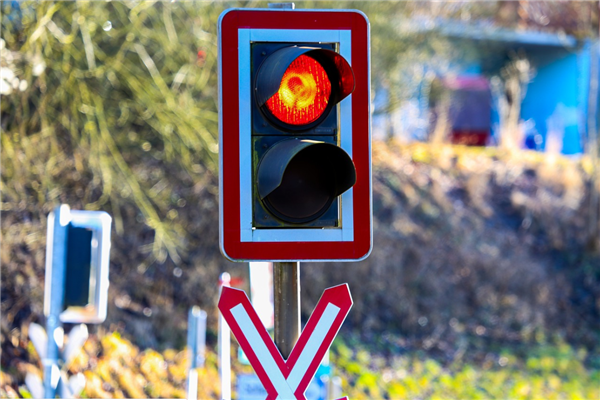
裁判明责指引安全 社会共筑平安道路
Xin Lang Cai Jing· 2025-12-20 20:03
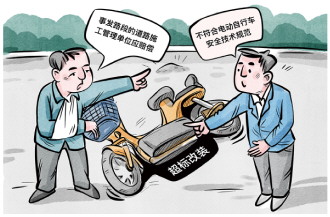
Core Viewpoint - The article highlights the increasing number of traffic accident liability disputes in Beijing's Xicheng District, emphasizing the need for all traffic participants to adhere to traffic regulations and enhance self-protection awareness to prevent accidents [3]. Group 1: Traffic Accident Liability Disputes - From January to November this year, the number of traffic accident liability disputes received by Xicheng Court increased by 32.03% compared to the same period last year [3]. - Among these, motor vehicle traffic accident disputes rose by 27.1%, while non-motor vehicle disputes surged by 60.98% [3]. Group 2: Electric Bicycle Modifications - Modifications to electric bicycles for speed and functionality can lead to significant liability issues, as demonstrated in a case where a modified electric bicycle resulted in the rider being deemed 80% responsible for an accident [4]. - The court found that the modified bicycle exceeded safety standards, lacking necessary components and exceeding weight limits, which contributed to the accident [4]. Group 3: Safety Belt Usage - A case involving a passenger not wearing a seatbelt in a taxi during an accident resulted in the court ruling that the passenger must bear 20% of the damages due to their failure to take reasonable safety measures [6]. - The court emphasized that wearing a seatbelt is a simple yet effective way to prevent injury during accidents [6]. Group 4: Workers' Compensation and Liability - A worker injured in a traffic accident while commuting was recognized as having a work-related injury, and the court ruled that the responsible parties must compensate for damages despite the worker receiving salary during the recovery period [7]. - The ruling clarified that receiving workers' compensation does not exempt the liable parties from their responsibility to compensate for damages [7]. Group 5: Non-Motor Vehicle Insurance - The article discusses the lack of mandatory insurance for non-motor vehicles, highlighting the risks associated with low insurance coverage among individual riders [8]. - It suggests that insurance companies should develop a multi-tiered insurance system for non-motor vehicles to mitigate risks and encourage riders to purchase third-party liability insurance [8].
【最高人民法院】就交通事故责任纠纷司法解释征求意见
Yang Shi Wang· 2025-11-09 17:34
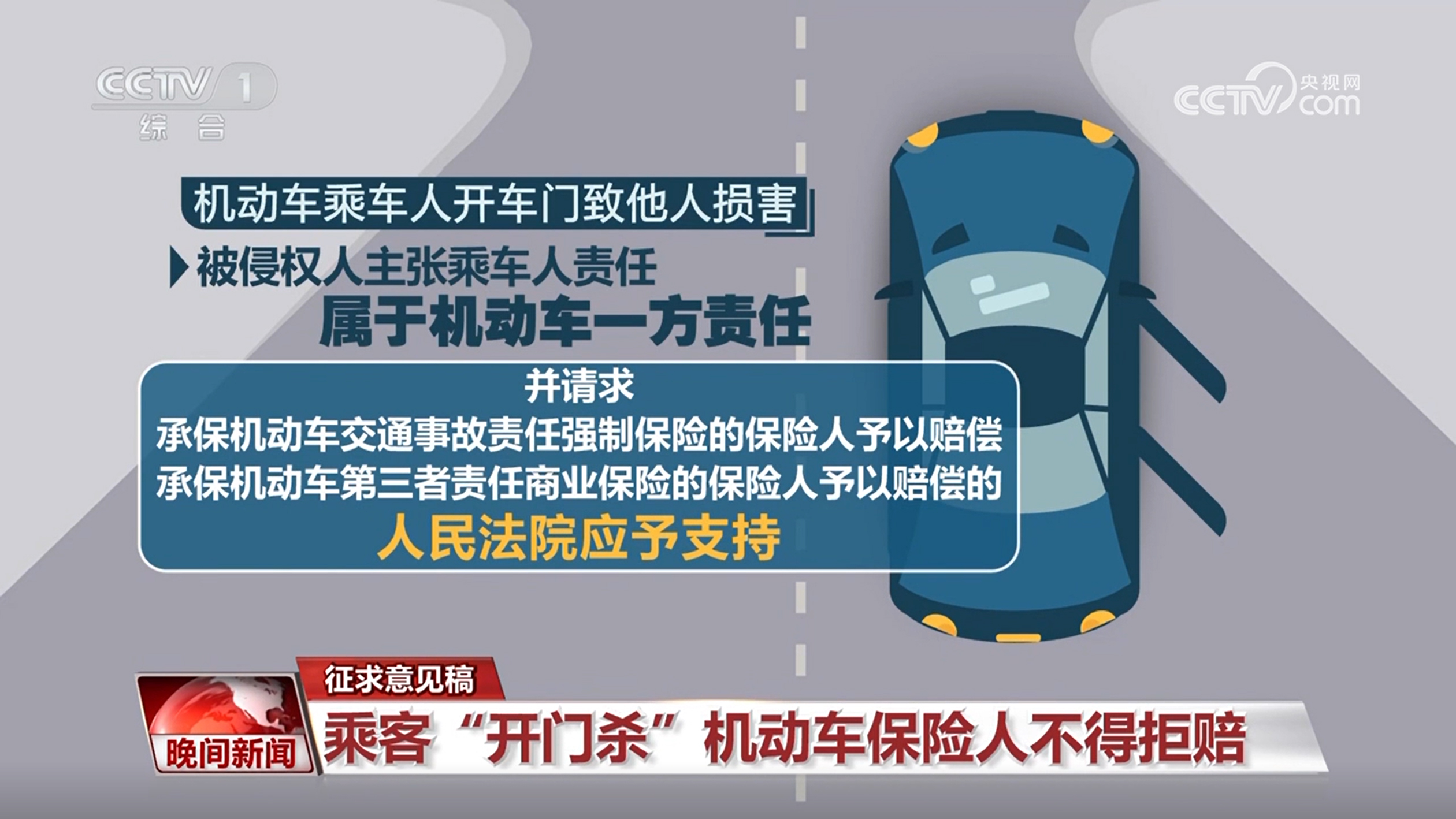
Core Points - The Supreme People's Court of China is seeking public opinion on the interpretation of laws regarding traffic accident liability, with a deadline for feedback set for November 15 [1] - The draft clarifies that if a passenger opens a car door and causes harm, the insurance for the vehicle must cover the damages, as this action is classified as a risk associated with the vehicle's operation [3][4] - The draft also addresses liability in accidents involving electric bicycles and motor vehicles, emphasizing a comprehensive assessment of fault and damage when determining compensation [6] Group 1 - The draft states that if a passenger opens a car door and causes damage, the insurance company cannot refuse to pay based on the argument that the passenger is not an insured driver [3] - Legal experts highlight that this classification of the passenger's action as a risk of the vehicle's operation ensures victims can receive compensation promptly from the more financially capable party [4] - The draft proposes that in accidents between electric bicycles and motor vehicles, courts should consider the degree of fault, damage consequences, and the danger level of each vehicle when determining compensation [6] Group 2 - The draft specifies that in non-commercial vehicle accidents involving unpaid passengers, courts should evaluate the driver's major negligence based on accident reports and the driver's specific actions [8] - Legal experts note that this approach protects well-meaning drivers from excessive liability while ensuring that passengers' rights are safeguarded in cases of serious driver negligence [8]
明确“开门杀”责任 最高法拟推出司法解释
Bei Jing Shang Bao· 2025-11-09 16:04
Core Viewpoint - The Supreme People's Court of China is seeking public opinion on a draft interpretation regarding traffic accident liability, specifically addressing the issue of "door opening accidents" which have become a significant concern for road safety and insurance claims [1][2]. Group 1: Legal Framework and Responsibilities - The draft interpretation clarifies that if a passenger opens a car door and causes damage, the liability falls under the vehicle's responsibility, allowing victims to claim compensation from the vehicle's mandatory traffic accident liability insurance [3][4]. - The draft also states that insurance companies cannot refuse to compensate victims by claiming that the passenger is not an insured driver, thereby preventing common denial of claims [3][6]. Group 2: Impact on Insurance Practices - The proposed regulations are expected to reshape insurance claims processes and the overall insurance industry, prompting companies to reassess their commercial vehicle insurance policies and definitions related to insured drivers and vehicle usage [8][9]. - Insurance companies will need to establish internal standards for pursuing claims against passengers who are found to have significant fault in "door opening accidents," ensuring compliance with the new legal framework [8][9]. Group 3: Broader Implications - The draft interpretation aims to enhance the clarity of liability in "door opening accidents," which have been a persistent issue in urban road safety, thus facilitating quicker compensation for victims [5][6]. - The proposed changes reflect a broader effort to address ambiguities in traffic accident liability and insurance responsibilities, potentially leading to a more standardized and fair approach to traffic accident claims [8][9].
明确“开门杀”“好意同乘”责任划分、引导电动自行车强化规则意识……这些案例值得关注
Xin Hua Wang· 2025-10-30 09:36
Group 1 - The Supreme People's Court of China released six typical cases of traffic accident liability disputes to guide safe and civilized travel, emphasizing the importance of traffic safety for the public [1] - The case of "opening the door" highlights the shared responsibility of drivers and passengers, where both parties must exercise caution to prevent accidents, resulting in compensation of over 240,000 yuan for the victim [1] - The ruling reinforces the role of insurance in protecting victims while also raising awareness among drivers and passengers about their responsibilities [1] Group 2 - In the case of "Zhao vs. Qian," the court reduced the driver's liability due to the passenger's failure to wear a seatbelt, establishing a precedent for shared responsibility in "good Samaritan" situations [2] - The rise of ride-hailing services has prompted discussions on the liability of platform companies in ensuring passenger safety during rides [2] - The case involving a ride-hailing driver who caused injury to a passenger led to the court holding the platform company liable, emphasizing the need for proper management and safety protocols [2] Group 3 - The increasing popularity of electric bicycles has raised concerns about traffic violations and accidents, prompting legal scrutiny on liability in such cases [3] - In the case of "He vs. Li," the electric bicycle rider was found fully responsible for an accident, highlighting the need for electric bicycle riders to be aware of traffic rules and responsibilities [3] - The court's decision to hold the electric bicycle rider accountable serves as a reminder for all road users to enhance their awareness of traffic regulations and safety [3]
最高人民法院发布交通事故责任纠纷典型案例
Zhong Guo Xin Wen Wang· 2025-10-30 04:20
Core Viewpoint - The Supreme People's Court of China has released six typical cases regarding traffic accident liability disputes, emphasizing the importance of timely and adequate relief for victims, reasonable determination of responsibilities among parties involved, and the need to enhance awareness of traffic rules among participants [1][2][3]. Group 1: Timely Relief for Victims - The increase in non-motorized vehicles, particularly electric bicycles, has led to more traffic accidents, necessitating a focus on ensuring victims receive timely and adequate compensation [1]. - In case 3, the court determined the liability of the electric bicycle driver for injuries caused to a motor vehicle driver, balancing the degree of fault and the nature of the vehicles involved to ensure victim relief and promote awareness among electric bicycle users [1][3]. Group 2: Reasonable Determination of Responsibilities - Traffic accident liability disputes involve multiple parties, including drivers, victims, passengers, insurance companies, and ride-hailing platforms, requiring courts to clarify legal relationships and accurately assign responsibility [2]. - In case 2, the court applied the principle of "good Samaritan" to reduce the driver's liability, encouraging a culture of mutual assistance while enhancing the driver's awareness of responsibility [2]. - In case 4, the court recognized the contractual relationship between passengers and ride-hailing platforms, holding the platform accountable for passenger injuries, thereby promoting safety management within the industry [2]. Group 3: Enhancing Awareness of Traffic Rules - Traffic rules are essential for reducing accidents and maintaining order, and all participants must adhere to them [3]. - In case 1, the court ruled that both the driver and passenger of a motor vehicle share responsibility for damages caused by the passenger opening the door, emphasizing the need for caution and awareness during such actions [3]. - In case 6, the court upheld administrative penalties against non-motorized vehicle drivers who violated traffic signals, reinforcing the importance of compliance with traffic regulations [3].