产业链迁移

Search documents
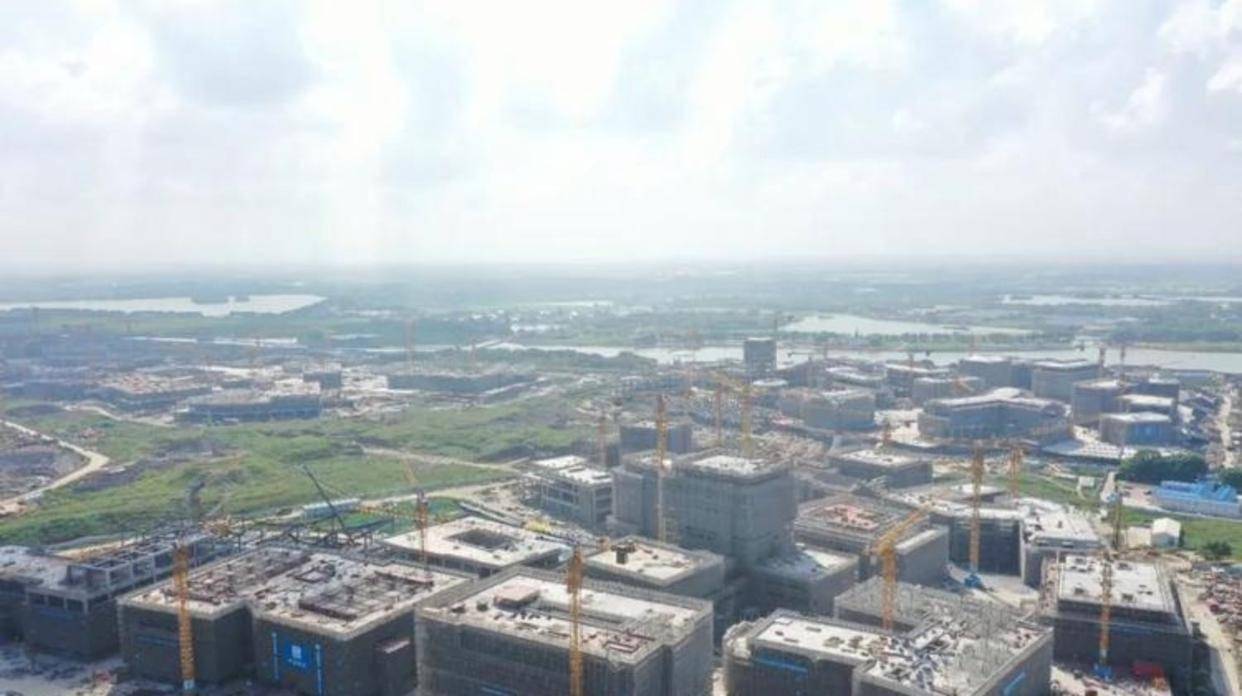
华为把研发大本营扎在青浦引发产业链大迁移,长三角成新战场成为未来科技创新的风向标
Sou Hu Cai Jing· 2025-12-01 19:44
Core Viewpoint - Huawei's decision to establish its R&D base in Qingpu is strategic, considering the area's proximity to Shanghai and its potential for future expansion, indicating a well-thought-out industrial chain layout [1][3]. Group 1: Strategic Location - Qingpu is an important node in the Yangtze River Delta, connecting Shanghai with Jiangsu and Zhejiang, featuring a well-developed transportation network [3]. - The local government has invested in attracting talent and technology, offering various incentives to companies [3]. - Although Qingpu is less bustling than Pudong, it provides a quieter environment conducive to innovation, which is gradually being cultivated [3]. Group 2: Industry Impact - Huawei's significant investments in chips, operating systems, and 5G technology exceed industry averages, positioning Qingpu as a potential innovation hub [3]. - The establishment of Huawei's R&D center in Qingpu signals a shift in the region's focus from traditional industries to deep technological innovation [5]. - The move may catalyze the development of a robust innovation ecosystem in the Yangtze River Delta, potentially transforming it into a future tech center [3][5]. Group 3: Challenges and Considerations - The migration of industries involves complexities such as talent mobility, industrial support, and supply chain reconstruction, which may take time to stabilize [5]. - Some industry leaders express concerns about the maturity of Qingpu's infrastructure and the need for a collaborative cultural atmosphere for R&D [5]. - Rising land prices in Qingpu could lead to increased operational costs for companies, impacting their financial burden [10]. Group 4: Future Outlook - The land price increase in Qingpu indicates market confidence, but the success of the innovation atmosphere depends on more than just land acquisition [8]. - The potential for Qingpu to become a new engine for Shanghai and the Yangtze River Delta's economy is significant, suggesting a transformative phase for the region [10]. - The competition for establishing a leading innovation ecosystem will not only depend on scale but also on the ability to cultivate a collaborative environment [5].

干不掉中国,就再造一个中国?美国看上中国这两个邻国!
Sou Hu Cai Jing· 2025-12-01 03:50
Group 1 - The U.S. is adjusting its supply chain strategy to reduce reliance on China, driven by trade tensions and policy changes since 2018 [1][7] - The U.S. has invested $52.7 billion in the CHIPS Act to discourage companies from expanding advanced manufacturing in China [1][3] - India and Vietnam are the primary beneficiaries of this shift, with significant investments and government support aimed at establishing them as new manufacturing hubs [1][3] Group 2 - By 2025, Apple plans to shift 17% of its iPhone production to India, with Indian exports of smartphones reaching 44% of U.S. imports [3] - Vietnam is becoming a major manufacturing base, with Samsung concentrating 60% of its phone production there, and exports projected to reach $28 billion by 2025 [3] - The Indian government’s Production-Linked Incentive (PLI) scheme is expected to attract $28 billion in foreign investment in the electronics sector by the 2024-2025 fiscal year [3] Group 3 - Despite the promising data, challenges remain, such as lower production yields in India (50-60%) compared to China (85%) and high dependency on Chinese components [5][7] - Vietnam imports over $120 billion in electronic components from China, indicating a significant reliance on Chinese supply chains [5] - The U.S. companies are realizing that while low-end assembly can be relocated, high-end manufacturing capabilities are still predominantly in China [7][8] Group 4 - The ongoing supply chain competition is pushing China to upgrade its manufacturing capabilities, with an increase in its share of high-end manufacturing by 2025 [8] - The future of U.S. tariffs and the ability of India and Vietnam to reduce their dependency on Chinese components will significantly impact the supply chain landscape [8]
苹果股价,能讲出“印度叙事”?
3 6 Ke· 2025-10-09 07:38
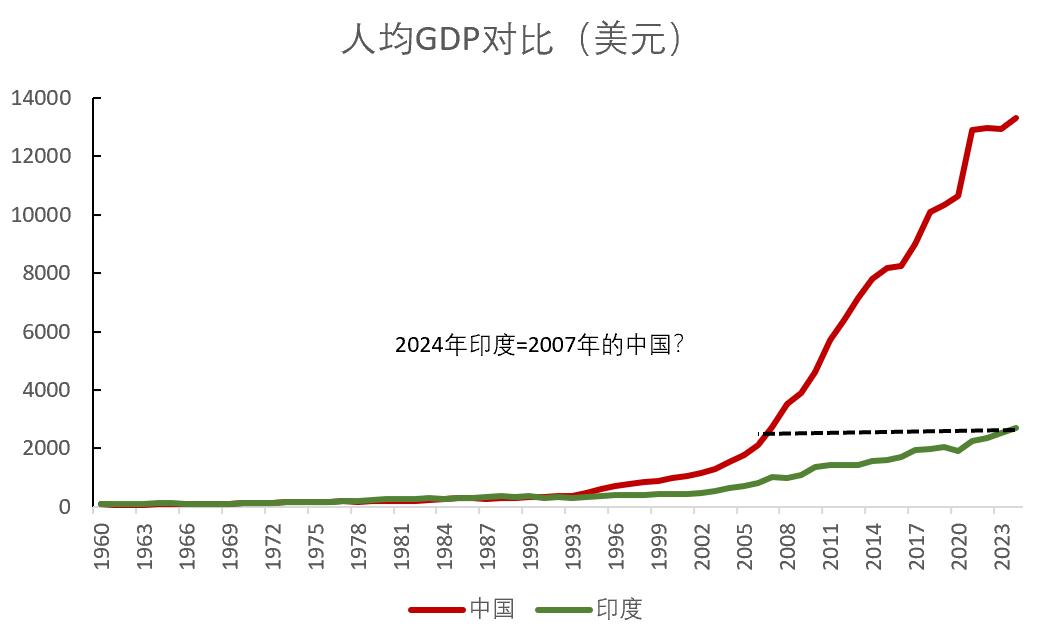
Core Insights - The iPhone 17 series has seen explosive sales in India, with long queues and significant consumer enthusiasm at launch events [1] - India is becoming a crucial market for Apple, with long-term growth potential despite currently contributing only 2% to Apple's overall revenue [1][2] - Apple's sales in India are projected to reach nearly $9 billion in FY2025, marking a 13% increase from the previous year [2] Market Dynamics - The Indian smartphone market is experiencing a shift towards high-end devices, with the ultra-premium segment (>45,000 INR) growing by 37% year-on-year [7] - Apple's market share in India has increased from 6% to 11% between Q3 2023 and Q4 2024, positioning it among the top five smartphone brands in the country [8] - The demand for high-end smartphones in India is driven by a young population and rising disposable income, which has increased by approximately 1.59 times from 2013 to 2023 [2][5] Competitive Landscape - Samsung's S series has performed well, but its overall shipments have declined due to challenges in the mid-range segment, highlighting the strong demand for premium devices [9] - Apple's brand positioning remains strong in India, with its products seen as status symbols, similar to its early years in China [9][17] Supply Chain and Manufacturing - Apple is expanding its manufacturing capabilities in India, with plans for local production of the iPhone 17 models, marking a significant shift in its supply chain strategy [11] - By FY2025, the value of iPhones manufactured in India is expected to reach $22 billion, with a production increase of nearly 60% [11] - Despite the growth, challenges remain, including lower labor quality and reliance on imports for key components, which could impact production efficiency [14][15] Economic Impact - The Indian market is seen as a potential buffer for Apple's valuation, with expectations that high growth rates in India could offset declines in other regions [18] - The strong performance of the Indian capital market reflects confidence in the country's economic growth, which could positively influence Apple's stock valuation as its revenue from India increases [18]

中国两轮"小电驴",海外狂飙!
芯世相· 2025-05-09 05:49
Core Viewpoint - The article discusses the rapid expansion of Chinese electric two-wheeler companies into international markets, highlighting their strategies, market adaptations, and the robust supply chain that supports their global operations [10][30][55]. Group 1: Market Dynamics - The Chinese two-wheeler electric vehicle market is highly competitive, with Yadea and Aima holding a combined market share of 43.2% in 2022 [11]. - The domestic market is nearing saturation, with an estimated 400 million electric two-wheelers in use by the end of 2023, leading companies to seek growth opportunities abroad [12][13]. - Yadea achieved a 23% year-on-year increase in overseas sales in 2023, indicating a successful shift towards international markets [14]. Group 2: Regional Strategies - Chinese electric vehicle brands are customizing their products and strategies based on local market conditions, such as climate and consumer preferences [20][22]. - In Southeast Asia, the shift from fuel to electric vehicles is supported by government policies and rising fuel prices, prompting local adaptations in product design [21][22]. - In Europe, the focus is on high-end electric vehicles, with companies like Niu Electric targeting premium segments with advanced features [24][25][27]. Group 3: Supply Chain and Production - China's dominance in lithium battery production is a key factor, with over 82% of global capacity as of 2023, providing a strong foundation for electric vehicle manufacturing [34]. - The integration of local supply chains in overseas markets, such as the establishment of factories and partnerships in Indonesia, enhances operational efficiency and reduces costs [45][49]. - The collaboration between Chinese companies and local partners in Africa and the Middle East is facilitating the development of infrastructure, such as battery swapping stations, to support electric vehicle adoption [50][51]. Group 4: Future Outlook - The article emphasizes that the comprehensive capabilities of Chinese manufacturers, including product, technology, and supply chain integration, will continue to drive their global expansion [52][55]. - As the global shift towards electrification accelerates, Chinese two-wheeler electric vehicles are expected to capture more market share and establish "Chinese standards" in international markets [55][56].