人机互补

Search documents
蔡昉:人机互补是AI时代劳动力市场的唯一出路
和讯· 2025-12-15 09:14
Core Viewpoint - The article discusses the "Alignment Problem" in AI, emphasizing the need to ensure AI systems align with human values and intentions, particularly in the context of labor market impacts and the necessity for proactive measures to address potential inequalities [2][3]. Group 1: AI and Labor Market Dynamics - AI is expected to exacerbate structural employment contradictions, necessitating effective policy responses to address these challenges [3]. - The relationship between AI development and employment must be managed carefully, focusing on complementarity between human capital and AI skills rather than competition [2]. - The "Solow Paradox" is referenced, highlighting the potential for AI to improve productivity without immediate visible benefits, suggesting that the distribution of productivity gains may not be equitable [5][6]. Group 2: Employment Characteristics and Challenges - The current labor market is characterized by three main features: new employment forms, localized labor mobility, and age-related disparities in the workforce [12]. - The rise of new employment forms may lead to increased informal employment, which poses risks to social security and worker rights [12]. - Labor mobility is decreasing, with workers increasingly remaining in local areas, which could hinder productivity improvements and wage growth [13]. Group 3: Policy Recommendations and Future Directions - Proactive measures are needed at various stages (preemptive, during, and post-implementation) to address the alignment of AI with employment priorities [7][14]. - Education and vocational training must evolve to meet the demands of the AI era, promoting lifelong learning and adaptability in the workforce [14]. - The importance of sharing productivity gains through reforms and social safety nets is emphasized to ensure equitable benefits from AI advancements [8][15].

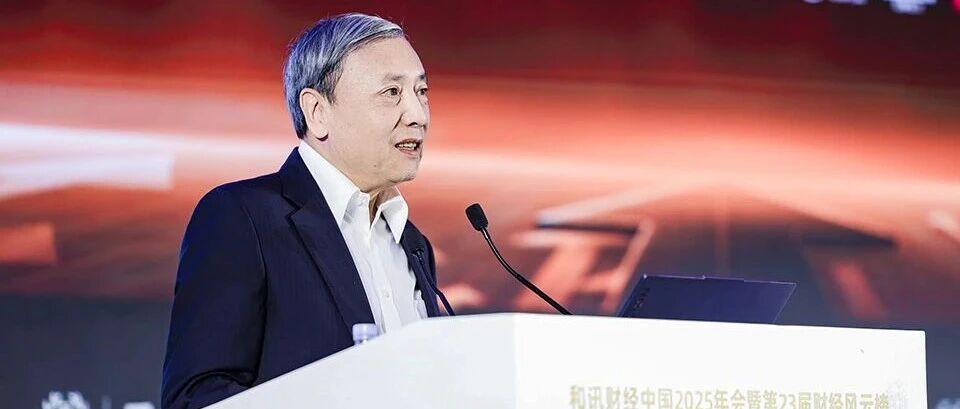
蔡昉:“十五五”是AI与就业深度交织的关键期,应推动人机互补
Xin Jing Bao· 2025-12-05 06:27
Core Insights - The next five years will be crucial for China's economic structural transformation and the trend of population decline, necessitating proactive employment policies that leverage artificial intelligence as an "empowerment tool" rather than a "replacement threat" [1][4][12] Group 1: Employment Challenges and Opportunities - The employment market must adapt to the pressures of economic transformation and population decline, with a focus on retraining and social support for displaced workers [1][4] - The concept of "involution" in the labor market is linked to structural employment contradictions, where there are jobs available but not enough qualified workers, necessitating improved labor market matching and training [8][12] Group 2: Role of Artificial Intelligence - Artificial intelligence is viewed as a double-edged sword that can both disrupt and create jobs, with the potential to replace not only low-skilled labor but also creative positions [4][5] - The range of jobs that AI can replace is broader and more uncertain, emphasizing the need for workers to develop complementary skills rather than merely increasing educational attainment [5][6] Group 3: Education and Training Reforms - There is a pressing need for educational reforms that extend early childhood education and potentially make high school education mandatory, focusing on developing non-cognitive skills [9][10] - The training system must be integrated with education, promoting lifelong learning and continuous skill development for workers [10][11] Group 4: Policy Recommendations - The government should enhance public employment services and utilize AI for job matching to address structural employment issues [8][12] - There is a call for policies that support lifelong training for all age groups, ensuring that workers can adapt to changing job requirements [10][11] Group 5: Future of Work - The definition of valuable work must evolve to include roles that promote human development and meet diverse needs, rather than just traditional job categories [6][12] - AI should be seen as a complement to human labor, particularly in critical sectors like education and healthcare, where collaboration can enhance human capabilities [13][15]