人格化营销

Search documents
第十二届金轩奖颁奖 揭晓年度汽车营销标杆案例
2 1 Shi Ji Jing Ji Bao Dao· 2026-01-29 10:29
Group 1 - The importance of marketing in the automotive industry is emphasized, highlighting that effective marketing is essential for reaching target users and driving sales growth [1] - The Jin Xuan Award aims to recognize innovative marketing practices and their market impact, with a total of 20 gold awards, 6 annual awards, and 43 excellent case awards across various categories [2] - The 12th Jin Xuan Award has selected 20 gold award winners, including Volkswagen Group (China) and Toyota China for public welfare and sustainable development, and Great Wall Motors for personalized marketing [3] Group 2 - The 12th Jin Xuan Ceremony took place on January 23, 2026, in Beijing, providing insights into automotive marketing trends and solutions for the year [4] - Marketing in the new automotive era transcends the product itself, focusing on user experience and the integration of AI technology to enhance value [4] - The current Chinese consumers are characterized by their demand for quality and experience, presenting a challenge for marketers to redefine marketing significance and reconstruct value [4]

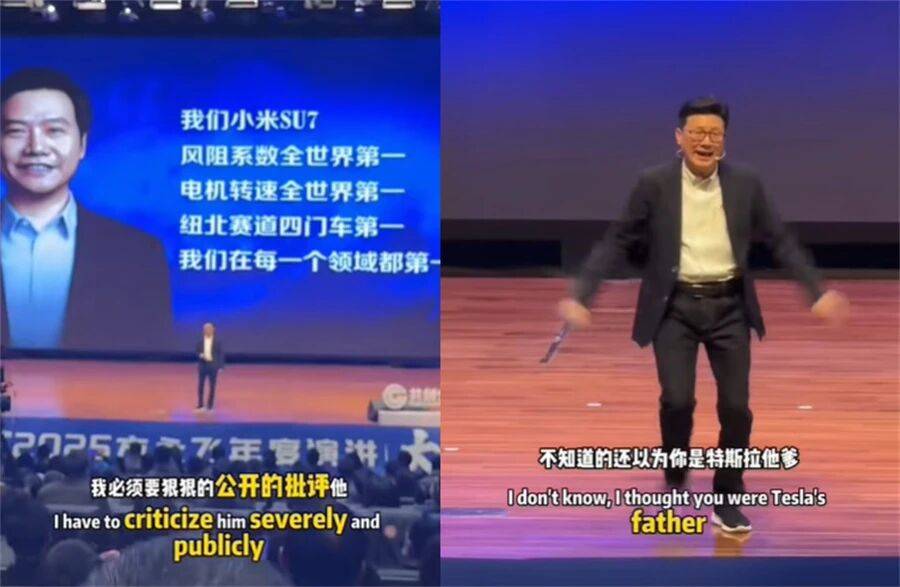
方永飞怒怼雷军背后:小米多少个“第一”在拿消费者当“脑残”?
Sou Hu Cai Jing· 2025-12-20 03:53
Core Viewpoint - The controversy surrounding Lei Jun and Xiaomi's marketing strategies highlights a growing consumer fatigue with exaggerated claims and a lack of sincerity in the automotive industry [3][20]. Group 1: Marketing Strategies - Xiaomi's approach of using terms like "global first" and "best" in marketing has been criticized for being misleading and overly reliant on technical jargon, which may not translate to real-world performance [4][6]. - The backlash against Xiaomi's marketing tactics reflects a broader societal frustration with brands that prioritize flashy claims over genuine consumer value [11][19]. Group 2: Consumer Perception - The public's reaction to Xiaomi's marketing has shifted from discussing product specifications to questioning the credibility of Lei Jun as a brand figure, indicating a loss of trust [15][16]. - The automotive industry is characterized by high stakes, where consumer trust is paramount, and any misstep can lead to significant reputational damage [19]. Group 3: Brand Identity and Leadership - Lei Jun's personal brand is deeply intertwined with Xiaomi, serving as both a strength and a vulnerability; his credibility directly impacts consumer perception of the company [12][16]. - The reliance on a single figure for brand identity can lead to a low tolerance for errors, as consumers may hold Lei Jun personally accountable for any shortcomings [16]. Group 4: Industry Expectations - The automotive sector demands a focus on practical performance and reliability rather than mere marketing hype, as consumers expect tangible results from their investments [18][19]. - The current situation suggests that Xiaomi must transition from a focus on marketing gimmicks to delivering real value and reliability in its products to maintain consumer trust [20][22].