碰瓷营销

Search documents
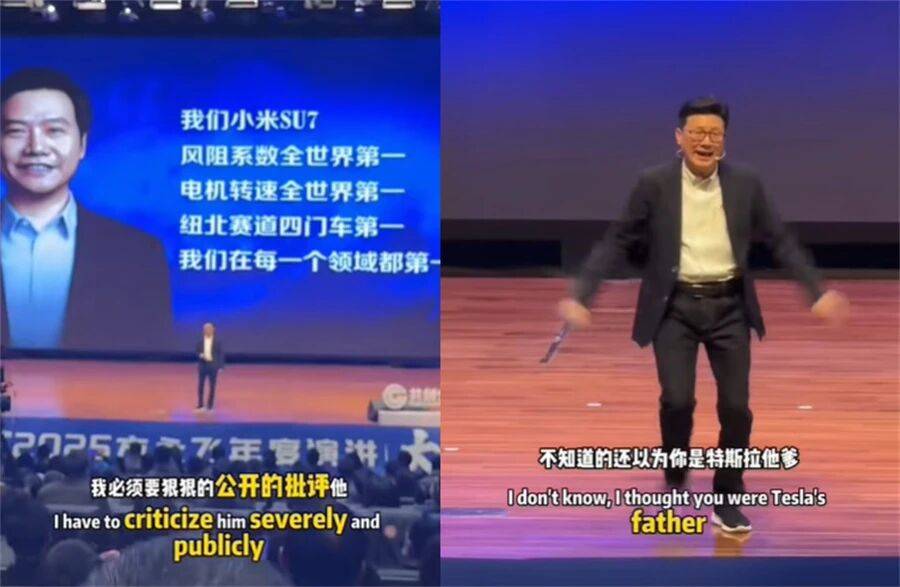
方永飞怒怼雷军背后:小米多少个“第一”在拿消费者当“脑残”?
Sou Hu Cai Jing· 2025-12-20 03:53
Core Viewpoint - The controversy surrounding Lei Jun and Xiaomi's marketing strategies highlights a growing consumer fatigue with exaggerated claims and a lack of sincerity in the automotive industry [3][20]. Group 1: Marketing Strategies - Xiaomi's approach of using terms like "global first" and "best" in marketing has been criticized for being misleading and overly reliant on technical jargon, which may not translate to real-world performance [4][6]. - The backlash against Xiaomi's marketing tactics reflects a broader societal frustration with brands that prioritize flashy claims over genuine consumer value [11][19]. Group 2: Consumer Perception - The public's reaction to Xiaomi's marketing has shifted from discussing product specifications to questioning the credibility of Lei Jun as a brand figure, indicating a loss of trust [15][16]. - The automotive industry is characterized by high stakes, where consumer trust is paramount, and any misstep can lead to significant reputational damage [19]. Group 3: Brand Identity and Leadership - Lei Jun's personal brand is deeply intertwined with Xiaomi, serving as both a strength and a vulnerability; his credibility directly impacts consumer perception of the company [12][16]. - The reliance on a single figure for brand identity can lead to a low tolerance for errors, as consumers may hold Lei Jun personally accountable for any shortcomings [16]. Group 4: Industry Expectations - The automotive sector demands a focus on practical performance and reliability rather than mere marketing hype, as consumers expect tangible results from their investments [18][19]. - The current situation suggests that Xiaomi must transition from a focus on marketing gimmicks to delivering real value and reliability in its products to maintain consumer trust [20][22].


让我蹭一蹭,品牌为何总青睐碰瓷营销?
3 6 Ke· 2025-05-06 00:20
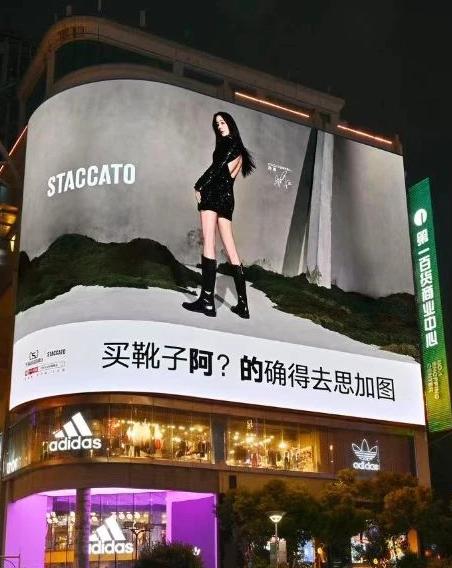
Core Viewpoint - The article discusses the phenomenon of "picking a fight" marketing, where brands leverage the popularity of stronger competitors to gain exposure and create social discussions, highlighting recent examples from various industries [1][9]. Group 1: Examples of "Picking a Fight" Marketing - Recent examples include brands like Aoleqi subtly referencing Sam's Club, Sgatu featuring Yang Mi in an Adidas context, and JD.com creatively associating with fast food brands [1][3]. - Sgatu's advertisement cleverly uses humor and wordplay to attract Adidas consumers, showcasing effective outdoor advertising strategies [3][9]. - The ongoing rivalry between McDonald's and KFC exemplifies how brands can engage in mutual "picking a fight" marketing, generating significant public interest [4][7]. Group 2: Mechanisms and Benefits - "Picking a fight" marketing allows weaker brands to create topics and gain exposure by associating with well-known brands, thus tapping into existing consumer interest [9][10]. - Successful campaigns encourage consumer interaction and sharing on social media, enhancing brand visibility and engagement [9][12]. - The strategy relies on the connection between brands, where shared characteristics or industry relevance can amplify the marketing impact [10][14]. Group 3: Best Practices for Effective Marketing - Effective "picking a fight" marketing should focus on consumer interaction rather than direct competition, using humor to engage audiences [12][15]. - Brands should aim to create memorable differentiators that highlight their unique selling points while addressing competitors' weaknesses [14][15]. - Continuous and innovative marketing efforts are necessary to transition from mere visibility to lasting brand recognition [14][15].