
价格干预

Search documents
“生活成本”已成特朗普重点,美银:白宫将加大“价格干预”,贸易战“结束”了
美股IPO· 2025-11-17 09:54
Core Viewpoint - The Trump administration is shifting its policy focus to suppress consumer prices in response to election signals regarding living costs, indicating a potential reversal of its previously hardline trade stance, interpreted by the market as a key signal of the "end of the trade war" [1][3]. Policy Measures - The White House is formulating plans to lower consumer prices, including direct subsidies of $2,000 or more, antitrust investigations into meatpacking companies, and a new initiative to reduce tariffs on common consumer goods like coffee and fruits [3][4]. - Recent announcements include the reduction of tariffs on dozens of agricultural products and foods, such as beef, coffee, nuts, and spices, marking a significant shift in trade policy aimed at addressing voter dissatisfaction with high living costs [3][4]. Economic Implications - The focus on "affordability" is expected to reshape domestic economic policies and could lead to increased government intervention in pricing, particularly in key sectors like energy, healthcare, housing, and utilities [7]. - Analysts predict that the political focus on affordability will become a key driver for asset allocation in the coming months, with expectations of a shift from "invisible hand" market forces to "visible fist" government interventions [7]. Market Reactions - Investors are betting on the implications of the policy shift, with expectations that the focus on affordability may lead to the end of the trade war and a reduction in tariffs, which could lower inflation and support a prolonged rally in long-term government bonds [7]. - The political battle over affordability is seen as critical for the upcoming midterm elections, with predictions that the administration will intensify its efforts to control prices to win voter support [7].

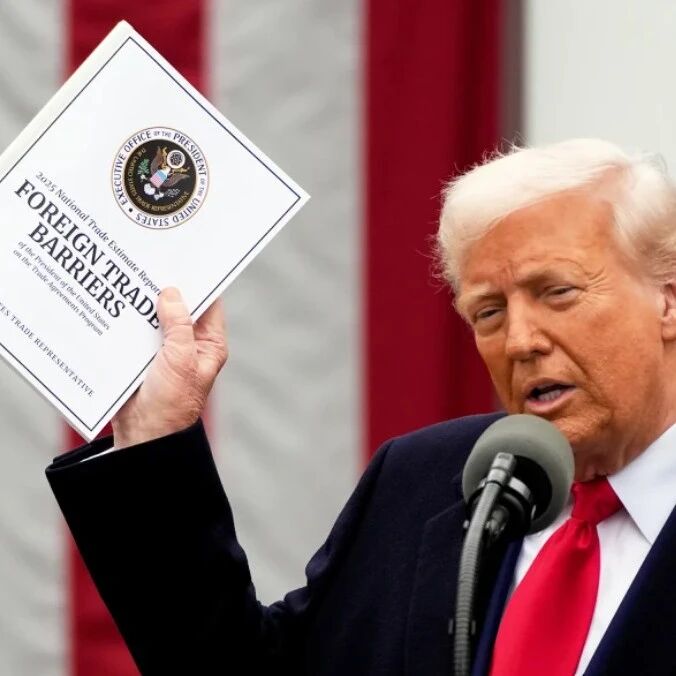
“生活成本”已成特朗普重点,美银:白宫将加大“价格干预”,贸易战“结束”了
Hua Er Jie Jian Wen· 2025-11-17 04:12
Core Viewpoint - The Trump administration is shifting its focus to controlling consumer prices as a core policy agenda in response to recent election signals regarding living costs, indicating a potential reversal of its hardline trade stance [1][2]. Group 1: Policy Changes - The White House is rapidly formulating plans aimed at reducing consumer prices, including direct subsidies of $2,000 or more, antitrust investigations into meatpacking companies, and a new initiative to lower tariffs on common consumer goods like coffee and fruits [1][2]. - A significant aspect of this strategy is the reduction of tariffs, with the government recently announcing lower tariffs on various agricultural products and foods, which is seen as a direct response to voter dissatisfaction with high living costs [1][2]. Group 2: Economic Implications - Analysts from Bank of America suggest that the political focus on affordability may signal the end of the trade war, predicting increased direct intervention in prices by the White House, which will be a key driver for asset allocation in the coming months [1][5]. - The administration's toolbox for addressing affordability includes agreements with pharmaceutical companies to lower prescription drug prices, new offshore drilling projects to stabilize energy costs, and proposals for healthcare and housing [2]. Group 3: Market Reactions - Investors are beginning to adjust to the new market logic stemming from Washington's policy shift, with predictions that the political battle over affordability will translate into specific market drivers [6]. - The anticipated increase in government intervention is expected to negatively impact profit margins in sectors related to inflation, while the potential end of the trade war and tariff reductions could become a central theme in the market [6].
