企业管理模式

Search documents
超市盲目去学胖东来,属于脑子有问题
虎嗅APP· 2026-01-22 13:42
Core Viewpoint - The article emphasizes that the business model of Pang Donglai is fundamentally different from traditional supermarkets, focusing on its role as a landlord rather than just a retailer [6][12][13]. Group 1: Business Model - Pang Donglai's core business is as a landlord, collecting rent rather than solely relying on supermarket profit margins [13][14]. - The supermarket aspect is just one part of a larger complex, where the primary goal is to attract foot traffic to generate rental income from other businesses [17][18]. - Customer satisfaction is crucial as it drives foot traffic, which in turn supports the rental income model [20][21]. Group 2: Management and Execution - The management strength of Pang Donglai lies in its founder, Yu Donglai, whose vision and decisions are executed without challenge, allowing for a unique operational flexibility [29][32]. - Unlike publicly traded companies, Pang Donglai operates without external pressures from investors, enabling swift decision-making and execution [31][36]. - The limited number of stores (around ten) allows Yu Donglai to maintain direct oversight and control, which is essential for consistent execution of the business strategy [50][54]. Group 3: Challenges for Competitors - Other supermarkets may understand the model but cannot replicate it due to their larger scale and complex management structures [28][49]. - The execution of strategies in larger organizations often faces challenges due to the need for consensus among multiple stakeholders, which can dilute effectiveness [37][42]. - The article argues that the unique combination of a focused business model and strong leadership makes Pang Donglai's approach difficult to imitate [55].


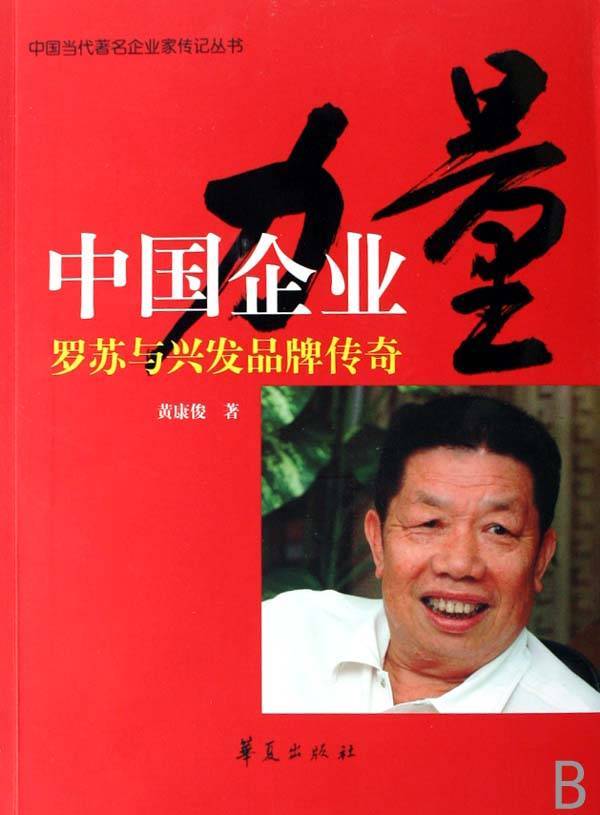
黄康俊 著《中国企业力量》35.后记
Sou Hu Cai Jing· 2025-12-11 01:35
Core Viewpoint - The book "Chinese Enterprise Power" by Huang Kangjun highlights the journey of entrepreneur Luo Su and the development of Xingfa Group, emphasizing the importance of persistence, specialization, and quality in building a successful brand representative of Chinese enterprises [12][16]. Group 1: Entrepreneurial Journey - Luo Su has consistently practiced physical and mental discipline for over 20 years, which parallels his business philosophy of focusing on high-quality aluminum profile products [3][4]. - The narrative illustrates how Luo Su's personal values and dedication have influenced the operational success of Xingfa Group, showcasing a model of perseverance and self-improvement [4][5]. Group 2: Business Philosophy - The core of the "Xingfa phenomenon" lies in specialization and quality, rather than size, as noted by economist Wu Jinglian [4][5]. - The management model of Xingfa Group reflects a common trait among Chinese private enterprises, where initial decisions are often driven by values and beliefs rather than pre-defined management frameworks [5][6]. Group 3: Value System - The book argues that a company's value system is more enduring and powerful than its management model, as it supports continuous adaptation and improvement in business practices [5][6]. - Successful entrepreneurs often create their management strategies based on their core values rather than formal education in management [6][7].
好家伙!匹克员工拒绝降薪就要写检讨。网友:不善待员工,捐款作秀给谁看?
程序员的那些事· 2025-10-21 03:53
Core Viewpoint - The recent salary reduction at Peak has sparked significant employee unrest, with reports of a 50% salary cut and subsequent threats to employees who refuse to comply with the new terms [1][3][10]. Group 1: Salary Reduction Incident - In September 2025, Peak employees were informed of a sudden salary reduction, with some experiencing cuts as high as 50% [1]. - Employees expressed their discontent, stating that the company did not consult them before implementing the salary cuts [3]. - On October 13, employees who refused the salary cut were issued a "final notice," demanding they submit a "reflection report" by October 14 or face suspension of their September wages [4]. Group 2: Company Response and Internal Policies - Employees who submitted written refusals regarding the salary cut were deemed non-compliant, which could affect their salary calculations and disbursement [6][7]. - The company requested that those who needed to retract their refusal meet with the chairman by October 15 to discuss their situation [6][7]. Group 3: Labor Department Involvement - The local labor department stated that while writing a reflection report is an internal management issue, withholding wages based on this requirement could be illegal [9]. - The labor rights center in Quanzhou has taken over the case, indicating that if the allegations are true, employees should file complaints and seek labor arbitration [9]. Group 4: Media and Public Reaction - Media commentary criticized Peak's management practices, suggesting that the company's approach to employee relations is outdated and detrimental to its image [11]. - Public sentiment reflected disappointment, questioning the sincerity of the company's charitable actions in light of its treatment of employees [12].

张应春谈管理:企业常见管理模式及其局限性!
Sou Hu Cai Jing· 2025-06-03 10:57
Management Models and Their Limitations - The article discusses four common management models: personal management, delegation management, oversight management, and excessive institutional management, highlighting their limitations [2][3][6][7]. Personal Management - Personal management lacks standardization and replicability, as it relies on the charisma of an individual, making it difficult to sustain once that individual leaves the company [2]. Delegation Management - Delegation management has vulnerabilities due to the difficulty in accurately assessing the capabilities and character of those entrusted with responsibilities, which can lead to negative impacts on company development [3]. Oversight Management - Oversight management is limited in scope and can be arbitrary, as it relies heavily on the authority of individuals, potentially leading to a situation where the owner becomes overly involved in day-to-day operations, undermining the roles of functional departments [6]. Excessive Institutional Management - Excessive institutional management can lead to an overwhelming number of processes and regulations, resulting in inefficiencies and a bloated talent pool, which can hinder operational effectiveness [7][9].