信息通信技术(ICT)

Search documents
韩国将积极开拓数字医疗市场
Shang Wu Bu Wang Zhan· 2025-12-19 15:49
Core Insights - South Korea is actively seeking to expand its digital healthcare market, aiming to establish a new export model for K-digital healthcare [2] Group 1: Government Initiatives - The South Korean government, led by Vice Prime Minister and Minister of Economy and Finance Koo Yun-cheol, will hold a ministerial meeting on December 16 to discuss enhancing industrial competitiveness and growth strategies [2] - The Ministry of Economy and Finance released a presidential work report on December 11, proposing a new export model for digital healthcare to achieve a super-innovative economy [2] Group 2: Market Potential - According to Nova One Advisors, the global digital healthcare market is projected to grow from $291.69 billion in 2024 to $920.46 billion by 2030, indicating significant growth potential [2] Group 3: Strategic Development - To further penetrate the global digital healthcare market, South Korea plans to establish the "K-Digital Healthcare Team Korea" to support local medical device companies throughout the entire process of research and development, approval, and commercialization [2] - The South Korean government intends to refine the operational plan for the "K-Digital Healthcare Team" starting next year, with a budget to be implemented by 2027 to officially launch the project [2]
韩国9月半导体出口额同比增长21.9%达166亿美元
Shang Hai Zheng Quan Bao· 2025-10-19 03:03
Core Insights - South Korea's ICT product exports reached a record high of $25.43 billion in September, marking a 14% year-on-year increase [1] Export Performance - Semiconductor exports amounted to $16.62 billion, showing a significant year-on-year growth of 21.9%, achieving new highs for two consecutive months [1] - Display exports increased by 1.3% to $1.92 billion [1] - Mobile component exports decreased by 23.6% to $1.07 billion, while finished mobile product exports surged by 55.8% to $0.42 billion [1] - Computer and peripheral equipment exports fell by 10.1% to $1.47 billion [1] Import Performance - ICT imports rose by 10.4% to $13.78 billion [1] - The ICT trade balance recorded a surplus of $11.65 billion, the second highest on record [1]
华为怎么和底盘“杠”上了
新财富· 2025-07-31 08:05
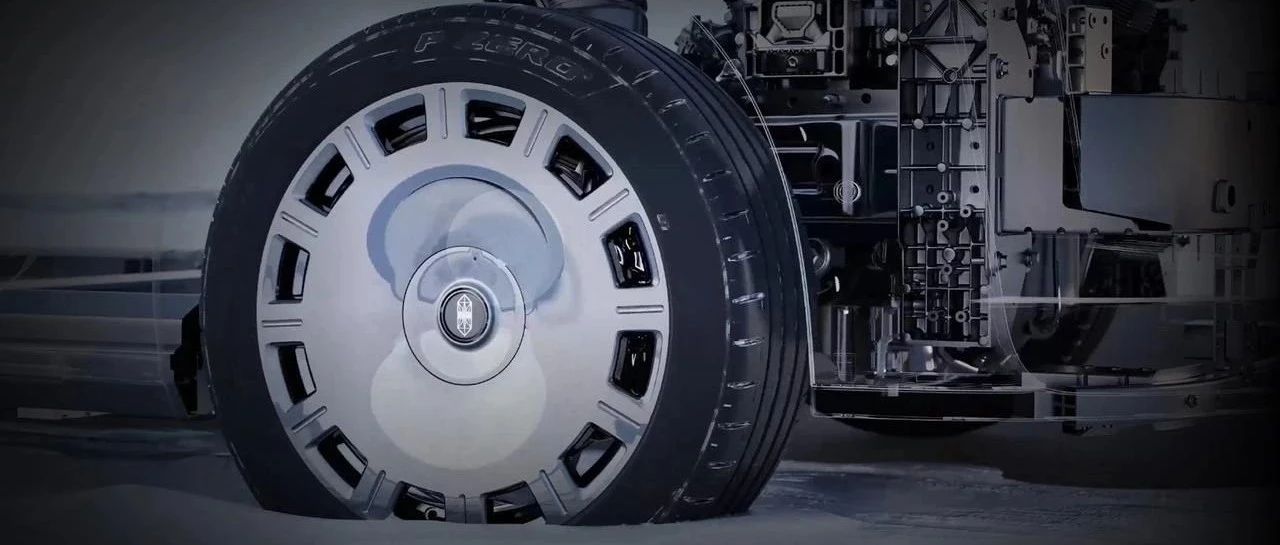
Core Viewpoint - The article discusses the shift in the automotive industry from price wars to technological competition, highlighting Huawei's strategy to focus on smart chassis technology to gain a competitive edge in the mid-to-high-end market [1][3]. Group 1: Industry Trends - The development of electric vehicles has transitioned from electrification to smart technology, with the ability to educate consumers on smart features becoming crucial for market leadership [3]. - Smart vehicles are categorized into three main areas: smart cockpit, smart driving, and smart chassis, with the latter still in the early stages of competition [3][4]. - The integration of multiple domains in smart chassis technology is essential for enhancing vehicle control and driving experience [5]. Group 2: Huawei's Initiatives - Huawei launched its first-generation smart chassis, "Tuling Smart Chassis," in November 2023, followed by the second-generation "Tuling Longxing Digital Chassis" in February 2024, which integrates six subsystems into a central controller for real-time decision-making [7][10]. - The smart chassis aims to improve safety, comfort, and flexibility in driving experiences, with features like slip prevention and rapid tire blowout detection [10][12][13]. Group 3: Strategic Rationale - Huawei's move into smart chassis technology leverages its extensive experience in ICT, allowing for a seamless integration of various automotive functions and enhancing its competitive position [15][16]. - The shift from hardware-centric sales to software-defined chassis solutions represents a significant business model upgrade, enabling ongoing revenue through software subscriptions and data services [16]. - As competition in smart cockpit and driving technologies intensifies, Huawei seeks to differentiate itself by completing the execution chain of smart vehicles and enhancing product value [17]. Group 4: Historical Context - Huawei has been building its automotive capabilities since 2018, collaborating with Audi and establishing a dedicated chassis tuning team in Germany, which includes experienced engineers from renowned automotive companies [19][20].