
信用崩塌

Search documents
美债持仓17年新低背后:中国战略撤退与黄金储备激增
Sou Hu Cai Jing· 2026-02-14 09:46
Group 1 - The article highlights a significant decline in China's holdings of U.S. Treasury bonds, which are projected to drop to $682.6 billion by November 2025, marking the lowest level since the financial crisis in 2008 [3][5] - This strategic withdrawal from U.S. debt is seen as a loss of trust, with China simultaneously increasing its gold reserves to 74.19 million ounces by January 2026, reflecting a shift towards physical assets [5][7] - Globally, central banks are accumulating gold at an unprecedented rate, indicating a loss of faith in the dollar as a reliable asset, with countries moving towards tangible assets as a safer investment [7][9] Group 2 - The U.S. federal debt has surpassed $38.4 trillion, with interest payments projected to exceed defense spending in the next decade, highlighting a severe economic and national security issue [11][13] - Rising U.S. Treasury yields are increasing borrowing costs for American households, with 30-year mortgage rates exceeding 7% and credit card rates surpassing 20%, impacting middle-class financial stability [14][16] - The article discusses the duality in U.S. economic policy, where officials publicly criticize foreign entities while privately seeking assistance from them, as evidenced by a U.S. government plane flying to Beijing shortly after accusations against China [18][20] Group 3 - The article suggests that the shift towards gold and physical assets is a strategic move for countries like China, especially after the U.S. has weaponized the dollar, leading to a reevaluation of asset security [24][26] - Southeast Asia is beginning to experiment with a "RMB pricing + gold settlement" model, indicating a broader trend of countries seeking alternatives to the dollar [26][28] - The narrative emphasizes the importance of asset security in uncertain times, advocating for a focus on tangible assets over reliance on fiat currencies [28][30]

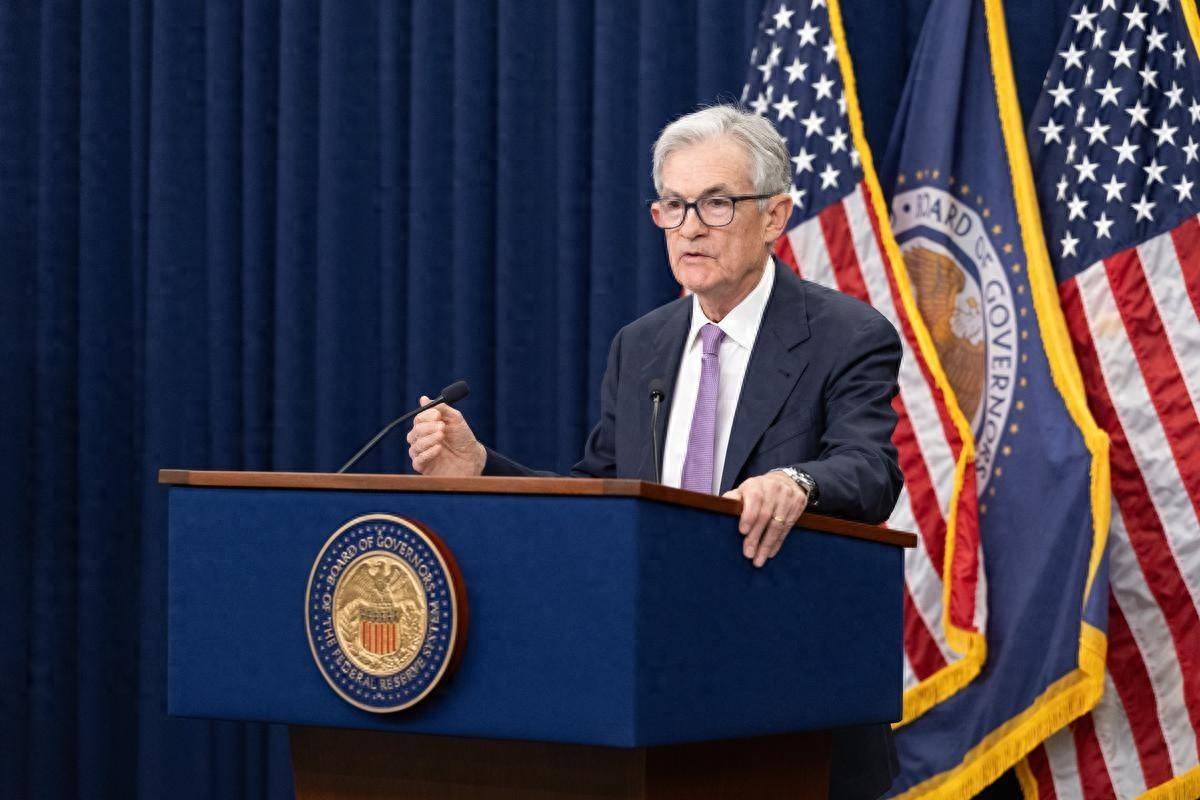
第二个抢劫中国资产的国家出现,中国企业撤资,整个欧洲信誉破产
Sou Hu Cai Jing· 2025-12-28 17:40
Group 1 - Europe is increasingly targeting Chinese assets under the guise of national security, with actions such as the Netherlands' forced takeover of Nexperia and the UK's retrospective deprivation of FTDI's equity, revealing a shift away from market economy principles [1][3][4] - The Dutch government's takeover of Nexperia utilized a World War II-era law to freeze assets and change management within 24 hours, despite the company's significant performance improvement post-acquisition by Chinese investors [3][4] - The UK's retrospective review of the FTDI acquisition, despite the law not being in effect at the time of the transaction, raises legal concerns about the validity of such actions [4] Group 2 - The EU is constructing systemic investment barriers, as seen with the Foreign Subsidies Regulation, which has been used to block Chinese projects, indicating a trend towards protectionism [6][8] - The EU's economic growth forecast has been downgraded to 1.1% for 2025, reflecting ongoing concerns about high debt and low growth, which contribute to a negative investment environment [8][15] - The semiconductor sector is a focal point of competition, with the EU's Chip Act aiming to increase its global market share, yet assessments suggest only a modest increase is likely [8][17] Group 3 - The EU's internal divisions regarding the handling of frozen Russian assets and differing attitudes towards Chinese investments highlight a lack of cohesive foreign investment policy [9][17] - European companies are facing significant challenges, with major automakers announcing layoffs and factory closures due to high energy costs and competitive pressures from Chinese firms [17][18] - The trend of capital outflow from the EU is rising, with net outflows reaching €78 billion in Q3 2025, exacerbating existing debt pressures [15][18] Group 4 - Chinese companies are adapting their investment strategies in Europe, shifting focus from market pursuit to value acquisition, with a notable increase in greenfield investments [11][18] - The EU's expansion of foreign investment review powers indicates a growing trend towards regulatory scrutiny, particularly in strategic sectors [13][19] - The ongoing economic challenges in Europe reflect a broader systemic crisis in governance and global positioning, as traditional powers attempt to maintain their advantages through rule restructuring [19]

黄金破4000美元:暴涨背后的“信用崩塌”与全球恐慌
Sou Hu Cai Jing· 2025-10-19 06:26
Core Viewpoint - The recent surge in gold prices, rising nearly 20% from approximately $3,335.27 per ounce in mid-August to around $4,015.30 by October 11, is driven by a combination of global political tensions, expansive fiscal and monetary policies, and central bank gold purchases, reflecting a broader crisis of confidence in the financial system [1][3][6]. Group 1: Military Tensions - The renaming of the U.S. Department of Defense to the Department of War under Trump's administration signals a shift from defensive to offensive military strategies, contributing to global geopolitical anxiety [3]. - Increased military activities and displays of power from countries like China, Russia, and North Korea, alongside military expansions in Europe, create an atmosphere of uncertainty that drives individuals and nations to seek refuge in gold as a stable asset [3][4]. Group 2: Fiscal and Monetary Expansion - Global fiscal and monetary policies are characterized by significant spending, with the U.S. government pushing for economic stimulus through measures like the "Rebuild America Act," leading to low real interest rates and increased liquidity, which in turn boosts gold prices [4][6]. - Germany's fiscal deficit is projected to rise from under 3% in 2024 to over 4% by 2027, indicating a trend of increasing credit burdens in the Eurozone, while China has also shifted towards expansionary fiscal policies since Q3 2022 [4][6]. Group 3: Central Bank Gold Purchases - Central banks worldwide are significantly increasing their gold reserves, with countries like Kazakhstan, Turkey, China, and Poland participating in this trend, resulting in the total value of gold held by central banks surpassing that of U.S. Treasury bonds, a rare occurrence historically [6][7]. - This collective action reflects a growing distrust in the U.S. dollar and concerns over the independence of the Federal Reserve, as political pressures mount for lower interest rates [7][8]. Group 4: Underlying Logic of Gold Prices - Gold is viewed as a barometer of global credit health, with its price movements indicating the erosion of trust in fiat currencies and the financial system [8][10]. - The relationship between nominal interest rates, inflation, and real interest rates illustrates that as real interest rates remain negative, the value of money diminishes while gold appreciates, highlighting a systemic issue in the economy [10][11]. Group 5: Economic Cycle and Future Outlook - The traditional economic theory that low interest rates stimulate growth has been challenged, as low rates have not led to improved economic conditions but rather increased wealth disparity, leading to a reliance on fiscal policy [13]. - The upcoming 2025 U.S. presidential election is seen as a critical factor influencing future gold prices, with potential instability in political and fiscal management posing risks to the dollar's credibility [14][16]. - Investment banks like Goldman Sachs are revising gold price forecasts upward, with predictions suggesting prices could reach $4,500 or higher if the dollar system faces significant credit challenges [14][16].
