
健康第一

Search documents
教育部“新春首会”为何聚焦这四字 | 新春观察
Xin Lang Cai Jing· 2026-02-28 02:43
Core Insights - The Ministry of Education's "New Spring First Meeting" emphasizes the importance of student health as a priority in educational policy, indicating a shift towards a more holistic approach to education [1][4] Group 1: Health Focus in Education - The meeting highlighted that health is the foundational element for education, with the notion that without health ("1"), other educational achievements ("0") are meaningless [3] - There is a growing concern over the physical and mental health issues among students, such as increasing rates of myopia, obesity, and anxiety, which are referred to as the "Four Little" problems [3][4] Group 2: Implementation Plans - The Ministry announced a comprehensive plan to enhance student physical fitness, including strict measures against the reduction of physical education classes and ensuring adequate physical activity during school hours [6] - The meeting outlined four key areas for action: implementing a physical fitness plan, promoting mental health initiatives, reforming educational evaluations, and fostering collaboration among schools, families, and communities [6] Group 3: Regional Initiatives - Jiangsu province has been proactive in implementing sports reforms, mandating daily physical activity and ensuring all schools adhere to health regulations, with a goal of full coverage of physical education classes by 2025 [7] - The province has developed a diverse sports curriculum and has hosted numerous sports events, aiming to engage students in physical activities and improve their overall health [8]

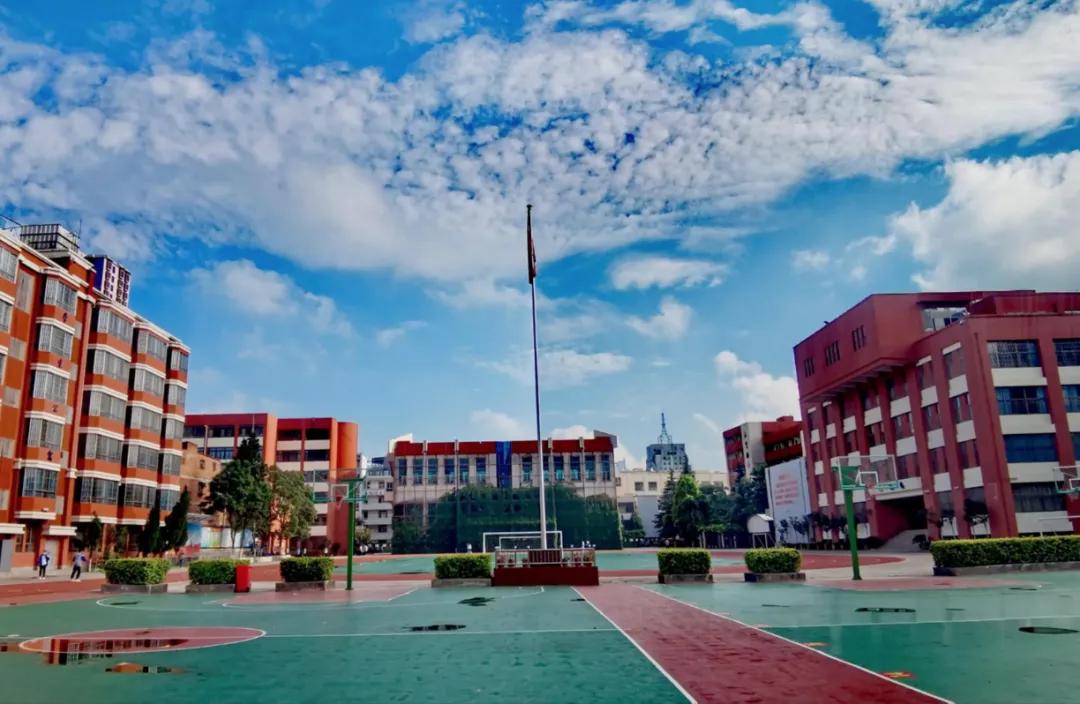
从“分数优先”转向“健康第一”——健康学校建设全面启动
Xin Lang Cai Jing· 2026-02-27 20:32
Core Viewpoint - The Ministry of Education has issued guidelines to promote the construction of "healthy schools," shifting focus from academic performance to the overall health and well-being of students [1][2]. Summary by Relevant Sections Overall Requirements - The guidelines aim to address various health issues among students, including physical fitness, vision, weight, mental health, and food safety [1]. - A clear timeline is established: by 2027, pilot projects for healthy schools will be completed; by 2030, the "health first" educational philosophy will be widely accepted; and by 2035, high-quality healthy schools will be fully established [1]. Key Tasks - The guidelines outline key tasks such as enhancing physical education, mental health education, and food safety, as well as implementing comprehensive measures to prevent myopia among children and adolescents [2][4]. - Specific reference standards for health schools are set for primary and secondary schools, kindergartens, and universities [2]. Main Measures - Reference standards include requirements for daily physical activity, food safety measures in school canteens, and mandatory labor education classes [3]. - The construction of healthy schools is framed as a systematic approach, integrating various interventions to create a supportive environment for student health [3]. Organizational Support - The guidelines emphasize the need for continuous health education, improved health management systems, and enhanced resources [4]. - The focus is on transforming the educational approach from "score first" to "health first," integrating health literacy into the overall educational framework [4][5]. Implementation Examples - Seven provinces, including Beijing and Shanghai, have initiated pilot programs involving over 540 schools to explore effective paths for healthy school construction [6]. - Specific practices include creating a comprehensive system that encompasses cultural, educational, practical, and safety aspects of health promotion in schools [5].
从“分数第一”到“健康第一”:有多难,怎么做
2 1 Shi Ji Jing Ji Bao Dao· 2026-02-27 13:46
Core Viewpoint - The core focus of the article is the promotion of a "health first" approach in schools, as outlined in the Ministry of Education's recent guidelines, which aim to shift the educational emphasis from academic scores to student health [10][12][16]. Group 1: Health School Construction - The Ministry of Education has issued guidelines to promote the construction of health schools, with a goal to cover every school by 2030, currently having over 540 pilot health schools [10][11]. - The guidelines include eight key tasks that focus on various aspects of student health, such as physical education, mental health, and nutrition [10][11]. - The electronic science and technology university's affiliated primary school has successfully implemented a daily physical activity program, achieving an average of 3 hours of exercise per day for students [5][10]. Group 2: Implementation Challenges - There is a contradiction between the "health first" philosophy and the existing exam-oriented education system, necessitating a shift in educational performance evaluation by local governments and educational departments [3][12][16]. - Parents often express concerns that increased physical activity may detract from academic performance, highlighting the need for a cultural shift towards valuing health in education [13][14]. Group 3: Collaborative Efforts - The construction of health schools requires a collaborative approach involving government, educational institutions, families, and society to effectively address health issues among students [16][17]. - Local governments, such as in Shandong Province, are integrating student health metrics into their educational performance evaluations to ensure accountability and promote health initiatives [17].
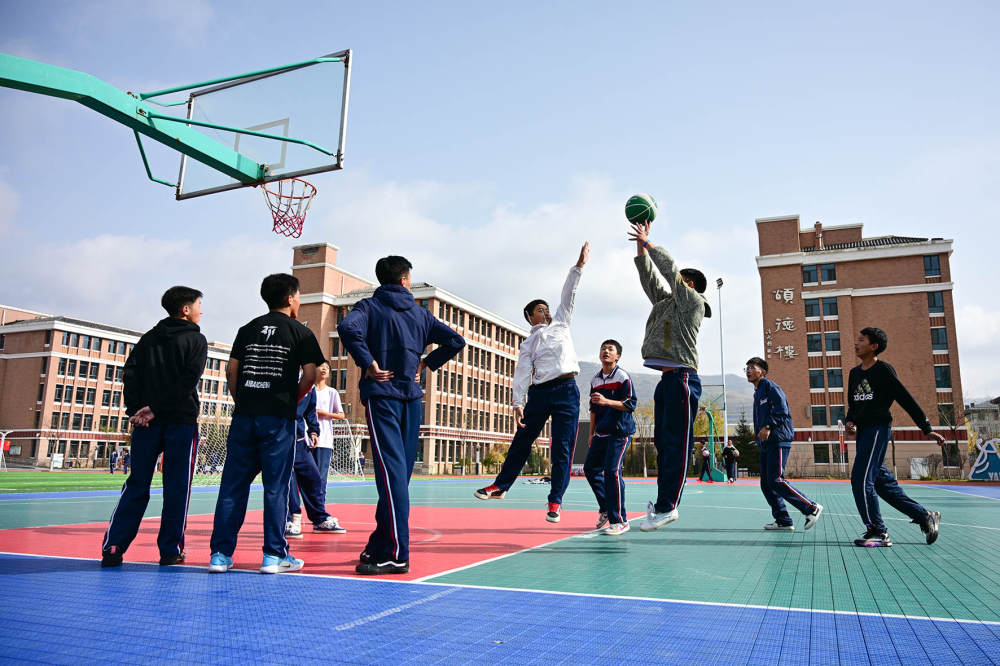
“分数第一”还是“健康第一”?教育部“新春第一会”回答:健康第一!
Xin Lang Cai Jing· 2026-02-27 00:48
Core Viewpoint - The Ministry of Education emphasizes the "Health First" educational philosophy, aligning with President Xi Jinping's vision that health is fundamental to happiness and education [2][4]. Group 1: Importance of "Health First" - The focus on "Health First" is rooted in the understanding of its strategic significance for nurturing future generations and enhancing national development [3][4]. - The health of students is a primary concern for families and society, necessitating a commitment to quality education and the overall well-being of youth [5]. Group 2: Recent Achievements and Policies - Key initiatives include the implementation of daily physical activity requirements and mental health measures, with significant improvements in student health metrics since 2016 [7][8]. - The "Internet + Bright Kitchen" initiative has achieved a 99.9% coverage rate, reflecting the commitment to student health and safety [7]. Group 3: Challenges and Solutions - Challenges include the prioritization of academic scores over health, insufficient professional staff, and the need for better resource allocation [8][9]. - Solutions involve legislative support, enhanced evaluation systems, and collaborative efforts across educational and health sectors to foster a healthy environment for students [9][10]. Group 4: Strategic Focus Areas - The meeting outlined four key tasks: implementing a student fitness plan, promoting mental health initiatives, reforming educational evaluations, and enhancing collaboration among schools, families, and communities [12][13]. - Emphasis on leadership, resource allocation, and innovative data sharing to ensure the effective implementation of the "Health First" philosophy [13]. Group 5: Commitment to Implementation - Various educational leaders expressed their commitment to fostering a healthy educational environment and ensuring the well-being of students through collaborative efforts and legislative measures [15][16].
严查挤占体育课、课间不准学生出教室等行为
Xin Lang Cai Jing· 2026-02-25 22:05
Core Viewpoint - The Ministry of Education will implement the Student Physical Fitness Enhancement Plan in 2026, focusing on improving students' health and preventing the reduction of physical education classes [1] Group 1: Health Initiatives - The Ministry of Education has been actively promoting students' physical and mental health through various initiatives, including physical exercise, aesthetic education, mental health support, myopia prevention, and food safety on campuses [1] - Recent statistics indicate a significant increase in the number of physical education and aesthetic education teachers in compulsory education compared to 2012 [1] - A sampling result from 2024 shows that the overall fitness health rate of students has improved by 9.3 percentage points since 2016 [1] Group 2: Myopia Prevention - The overall myopia rate among students has decreased for four consecutive years, indicating progress in eye health initiatives [1] - In 2026, the Ministry will focus on early childhood and primary education, ensuring adequate outdoor activity time, controlling electronic device usage, and improving classroom lighting to alleviate students' eye strain [1]
这个黄金周南京帝王蟹销量前三,吃货正加急“撤回体重”
Yang Zi Wan Bao Wang· 2025-10-09 06:20
Group 1 - The core viewpoint of the report highlights three key trends in consumer behavior during the National Day and Mid-Autumn Festival holiday: "sober consumption," "deep self-enjoyment," and "health first" [1][12] - The sales of freshly baked mooncakes increased by over 50% during the holiday period, indicating a preference for quality and authenticity in festive foods [1] - A significant 96.7% of consumers prioritize "health" as the primary criterion for selecting mooncakes, with low-sugar options seeing a 50% year-on-year growth [3] Group 2 - The sales of king crabs surged by 185% year-on-year during the holiday, with a remarkable 197% increase on the day of the Mid-Autumn Festival [5] - The sales of hairy crabs also saw a substantial increase of over 150%, with cities like Jinan, Qingdao, and Kunming experiencing the highest growth rates of 450%, 400%, and 300% respectively [7] - The popularity of light meals surged, with a 32% increase in sales on October 6, reflecting a trend towards healthier eating post-holiday indulgence [12]
新华社快讯:各地普遍探索实施课间15分钟
Xin Hua She· 2025-09-23 05:30
Core Viewpoint - The Ministry of Education emphasizes the importance of health during the "14th Five-Year Plan" period, implementing daily physical activities in primary and secondary schools [1] Group 1 - The Ministry of Education has mandated that schools conduct comprehensive physical activities for at least 2 hours each day [1] - Local governments are exploring the implementation of a 15-minute break between classes to promote physical activity [1]
预计全年14项赛事将有近20万人次参加
Nan Jing Ri Bao· 2025-08-11 02:34
Core Insights - The Nanjing Youth Sunshine Sports Festival has seen over 100,000 participants by the end of July, with an expected total of nearly 200,000 participants across 14 events by year-end, highlighting the growing engagement in sports among youth [1][2][5] Group 1: Event Overview - The Nanjing Youth Sunshine Sports Festival has evolved into a brand project for campus sports, celebrating its 10th year with a diverse range of nearly 20 sports events, including traditional and niche sports [2][3] - The soft baseball league in June featured nearly 900 athletes from 30 schools, marking a record participation, while the archery league in April had 45 teams with around 200 athletes [3][4] Group 2: School Sports Development - Over 85% of schools in Nanjing have established unique sports programs, with 236 schools recognized as city-level Sunshine Sports Schools and 294 as national youth football schools [4][5] - The "5621" plan aims to promote at least five sports projects in each district, with over 400 schools involved, enhancing the sports culture in schools [5] Group 3: Health and Performance Outcomes - The implementation of a "health first" educational philosophy has led to significant improvements in student physical fitness, with Nanjing ranking first in health excellence rates in 2021 and 2022 [6] - Nanjing's students have achieved notable success in various competitions, including championships in national and international events, showcasing the effectiveness of the sports programs [6][7]