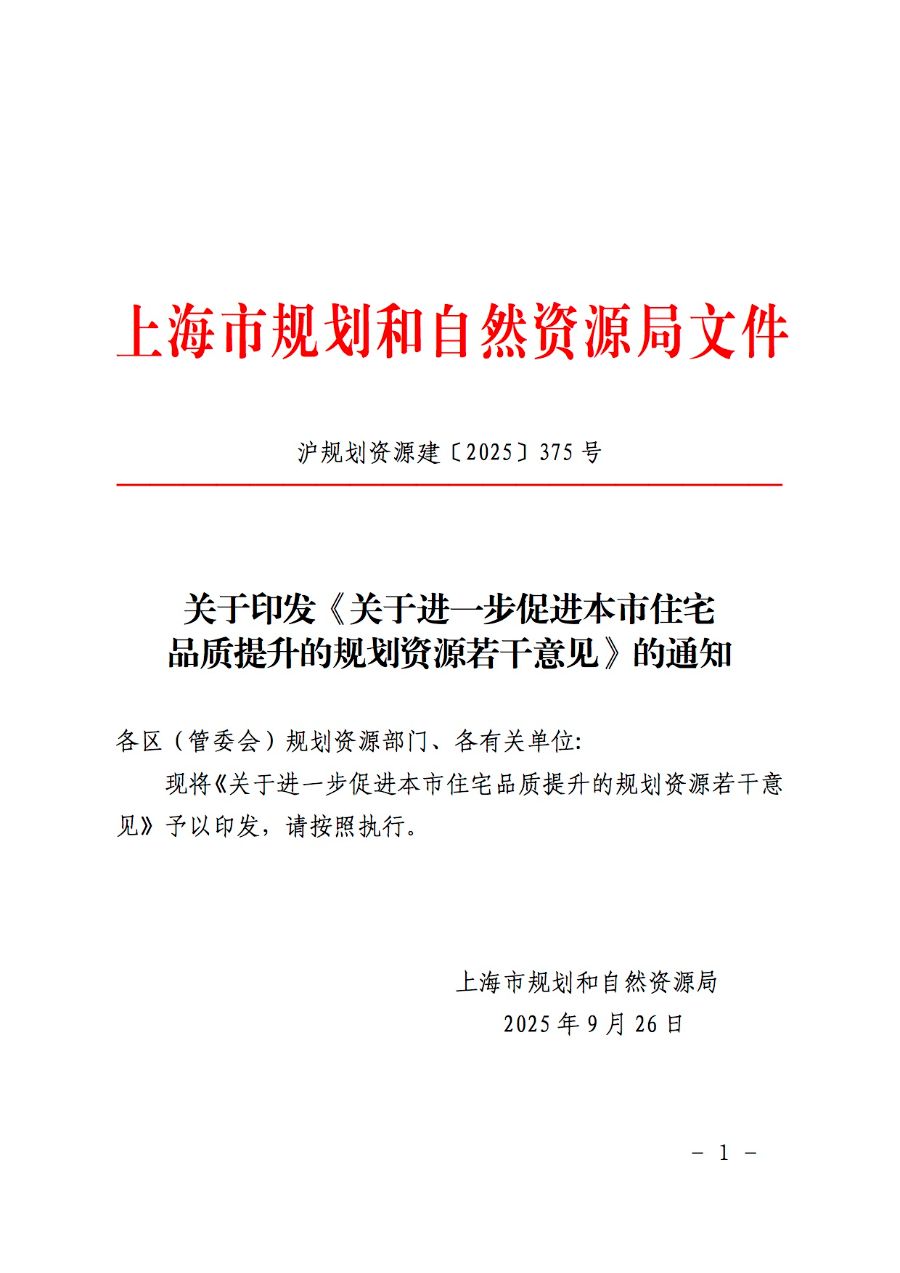
偷面积

Search documents
4平米阳台爆改“卧室”、110平3房有15平阳台!中建东孚中环麓岛“高得房率神话”背后
Sou Hu Cai Jing· 2025-10-28 14:19
Core Insights - The Shanghai new housing market is experiencing a significant shift, with the "super high usable area rate" becoming a key selling point for new developments like the Zhonghuan Luyuan project, which reportedly has a usable area rate exceeding 90% [1][2] - The design strategy involves using features like "three balconies" and bay windows to increase the actual usable space for buyers, leading to controversies over "stealing area" [1][6] Design and Compliance - The "three balconies" concept allows for additional usable space by counting only half of the balcony area towards the total area, which can lead to a usable area rate of 85%-90% [1][3] - Recent regulations limit the balcony area to 10% of the total building area, but the Zhonghuan Luyuan project exceeds this limit, raising questions about compliance [2][4] - Sales personnel claim that the design was approved before the new regulations were enacted, suggesting that earlier projects may not be subject to the same restrictions [2][4] Market Dynamics - The developer, China State Construction Engineering Corporation, faces significant pressure to sell units quickly, having acquired a large plot of land for 8.195 billion yuan with strict conditions [8][9] - The project aims to attract buyers through competitive pricing and innovative design, as the overall market has cooled and new developments must create sufficient buzz to draw interest [9][10] - The average price for units in Zhonghuan Luyuan is set at 66,025 yuan per square meter, which is lower than nearby developments, indicating a strategy to remain competitive in a challenging market [10][11] Sales Performance and Challenges - The company has set an ambitious target of 80% sales absorption, but the current market conditions make achieving this goal difficult [9][11] - The developer's sales performance has been declining, with a significant drop in land acquisition budgets and sales rankings among peers, indicating a need for successful project execution to reverse this trend [10][11]


8平米次卧一半靠阳台“凑”!中建东孚上海新盘被指“偷面积”
Guo Ji Jin Rong Bao· 2025-10-28 11:19
Core Viewpoint - The new residential project "Zhonghuan Ludao" in Shanghai's Baoshan district is promoting an "ultra-high usable area" as a key selling point, with claims of usable area rates exceeding 90%, raising concerns about potential "area theft" practices in the real estate market [1][10]. Group 1: Project Features - The project features a design termed "three balconies," where each of the two bedrooms has a balcony that can be converted into usable space, significantly increasing the effective area for buyers [4][10]. - The main unit type of 110 square meters includes approximately 15.2 square meters of balcony space, which is marketed as half-counted towards the total area, effectively providing over 7 square meters of additional usable space [4][10]. - The design strategy has led to a controversy regarding compliance with local regulations, as the balcony area exceeds the stipulated limits set by recent housing policies [4][10]. Group 2: Market Context - The Shanghai new housing market is experiencing increased competition, with developers needing to offer attractive features to draw buyers, as evidenced by the significant number of unsold units in the area [17][20]. - The project is under pressure to achieve an 80% sales target, with the developer resorting to price reductions and promotional offers to attract customers [17][19]. - The average selling price of the units at Zhonghuan Ludao is set at 66,025 yuan per square meter, which is lower than nearby competing projects, further indicating the competitive pricing strategy [19]. Group 3: Developer's Position - The developer, China State Construction Engineering Corporation (CSCEC), faces significant challenges in the market, with declining sales figures and a need to improve its market share [20]. - The recent acquisition of a major land parcel in Baoshan represents a strategic move for CSCEC, aiming to establish a landmark project in the region [14][20]. - Despite the ambitious plans, the actual sales performance of the project remains uncertain, with previous projects underperforming and a lack of strong market presence [20].

多地整治新房偷面积
盐财经· 2025-10-17 11:25
Core Viewpoint - The article discusses the issue of "stealing area" in the real estate sector, where developers manipulate building area calculations to increase usable space, leading to safety concerns and regulatory scrutiny [5][6][7]. Group 1: Complaints and Issues - A complaint was received regarding a real estate project in Beijing, alleging that the developer converted balconies into bedrooms, exceeding the allowable area [4][5]. - The practice of enclosing balconies to increase usable area is common, but it raises safety and compliance issues, as it often does not meet structural and fire safety regulations [5][6]. Group 2: Regulatory Response - Regulatory bodies in major cities like Guangzhou, Beijing, Shanghai, and Chengdu are tightening regulations on building area calculations to curb the "stealing area" practices [7][19][22]. - New regulations have been introduced to limit the allowable area for balconies and other architectural features, aiming to ensure compliance with safety standards [19][22][23]. Group 3: Market Trends - The trend of high usable area rates has been increasing, with some projects advertising rates exceeding 120%, which is considered "super high" [11][12]. - The competitive advantage of high usable area projects is evident, as they are marketed as offering better value, but this has led to market distortions affecting both new and second-hand property prices [14][17]. Group 4: Shift Towards Quality Housing - There is a growing emphasis on quality housing, with policies encouraging developers to focus on overall project quality rather than just maximizing usable area [18][23]. - The article suggests that the focus on "good housing" will lead to a more sustainable and quality-driven real estate market, moving away from the numerical games associated with high usable area rates [23].
多地整治新房偷面积
21世纪经济报道· 2025-10-16 14:08
Core Viewpoint - The article discusses the issue of "stealing area" in the real estate sector, where developers manipulate building area calculations to increase usable space, often at the expense of safety and compliance with regulations [1][2][4]. Group 1: Complaints and Issues - A complaint was received regarding a real estate project in Beijing, where the developer allegedly converted balconies into bedrooms, exceeding the allowable area and compromising safety [1]. - The practice of enclosing balconies to increase usable area is common, but it violates regulations that require compliance with safety standards [1][4]. Group 2: Regulatory Response - Regulatory bodies are increasingly addressing the issue of "stealing area," with cities like Guangzhou, Beijing, and Chengdu implementing stricter guidelines to ensure compliance in real estate projects [2][11][13]. - New regulations in Chengdu limit the projection area of balconies and require stricter adherence to height and area calculations [11][13]. Group 3: Market Trends - The trend of high usable area rates, often exceeding 120%, has become a selling point for many real estate projects, particularly in competitive markets [5][7]. - The pursuit of high usable area rates has led to a decline in the prices of existing homes, as new projects with inflated area calculations exert downward pressure on the market [9]. Group 4: Industry Implications - The focus on high usable area rates has resulted in a competitive environment that prioritizes quantity over quality, leading to potential safety risks and regulatory violations [8][10]. - The article emphasizes the need for a shift towards quality housing, aligning with national policies advocating for sustainable and high-quality residential development [10][12].

整治新房“偷面积”
2 1 Shi Ji Jing Ji Bao Dao· 2025-10-16 13:20
Core Viewpoint - The article discusses the ongoing rectification of the "good housing" policy in response to complaints about illegal construction practices in the real estate sector, particularly the phenomenon of "stealing area" by developers to increase usable space without adhering to regulations [1][3][4]. Group 1: Issues with Current Practices - A complaint was received regarding a real estate project in Beijing where developers converted balconies into bedrooms, exceeding the allowable area [1][2]. - The practice of enclosing balconies to increase usable area is common, but it violates safety and regulatory standards, leading to potential risks for homeowners [2][3]. - Developers often promote projects with exceptionally high usable area ratios, sometimes exceeding 120%, which raises concerns about compliance and safety [3][6]. Group 2: Regulatory Response - Major cities like Guangzhou, Beijing, Shanghai, and Chengdu are implementing stricter regulations to curb the "stealing area" practices, including new guidelines on construction standards [3][11]. - Recent regulations in Chengdu limit the increase in usable area and set strict requirements for balcony and window designs to ensure compliance [11][12]. - The regulatory environment is shifting towards promoting quality housing rather than merely high usable area ratios, indicating a return to the essence of the "good housing" policy [17]. Group 3: Market Implications - The trend of high usable area ratios is creating competitive pressure on both new and existing properties, leading to a decline in prices for second-hand homes [10][9]. - Developers are motivated to "steal area" due to intense competition in the housing market, which has led to a focus on maximizing usable space as a primary selling point [6][8]. - The article highlights that the push for high usable area ratios has resulted in a distorted market, where the focus on quantity over quality is becoming increasingly problematic [9][10].